In the competitive landscape of independent game development, studios often struggle to carve out a distinct identity while balancing commercial viability with creative integrity. For Ichigoichie, a studio founded by former iNiS developer David Ventura, this challenge is uniquely tied to their pedigree. Known for their contributions to cult-classic rhythm games of the 2000s—including the iconic Gitaroo Man and the Ouendan series—Ventura’s team is now looking to pivot. Their latest project, Tactichord: Glam Strategy, marks a departure from the rhythmic precision of their past, trading musical inputs for the cerebral depth of turn-based tactics.
The Evolution of a Developer: From Rhythm to Tactics
David Ventura’s career is indelibly linked to the golden age of Japanese rhythm games. At iNiS, he helped craft titles that defined a generation, blending high-energy soundtracks with innovative, tactile gameplay. However, as Ichigoichie has matured, the "rhythm game" label has become something of a double-edged sword.
"That’s always like the albatross around our neck that we have to battle with," Ventura admits. While the studio’s DNA remains rooted in musical expression, their previous ventures, such as the puzzle-strategy hybrid Backbeat, proved difficult for some players to grasp. This realization sparked a fundamental shift in strategy for Tactichord. Rather than fighting against their reputation, the team decided to embrace a more established framework: the turn-based tactical genre, popularized by industry titans like XCOM.
A Prequel Built on Familiar Foundations
Efficiency is the hallmark of a savvy indie studio. Despite the shift in genre, the development team at Ichigoichie has managed to leverage the core technical infrastructure built for Backbeat. In a move that satisfies both logistical necessity and creative ambition, Tactichord is positioned as a narrative prequel to its predecessor.
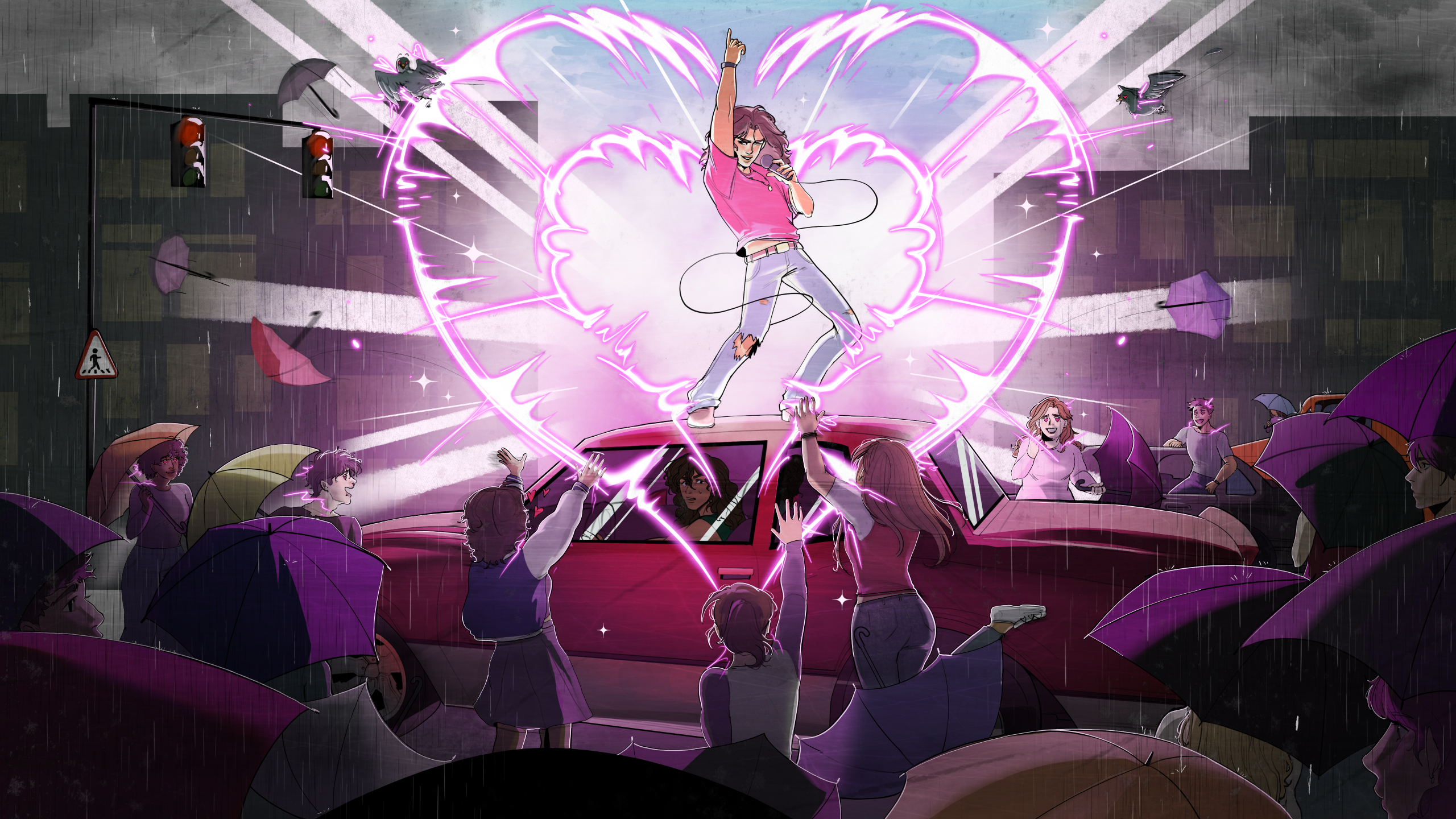
The project gained significant momentum after receiving a grant from Creative Europe, a funding body dedicated to supporting story-heavy interactive media. According to Ventura, the narrative focus allowed them to explore the lore of their previous title from a radically different perspective. "When we were working on Backbeat, we were talking about the story and the characters, and we thought it would be interesting to see its world from the eyes of the villains, who don’t see themselves as the villains," he explains. By centering the story on the origin of the character Diane, the team has been able to deepen the world-building while grounding the tactical gameplay in a meaningful character arc.
The Aesthetic of Excess: Visualizing Glam Metal
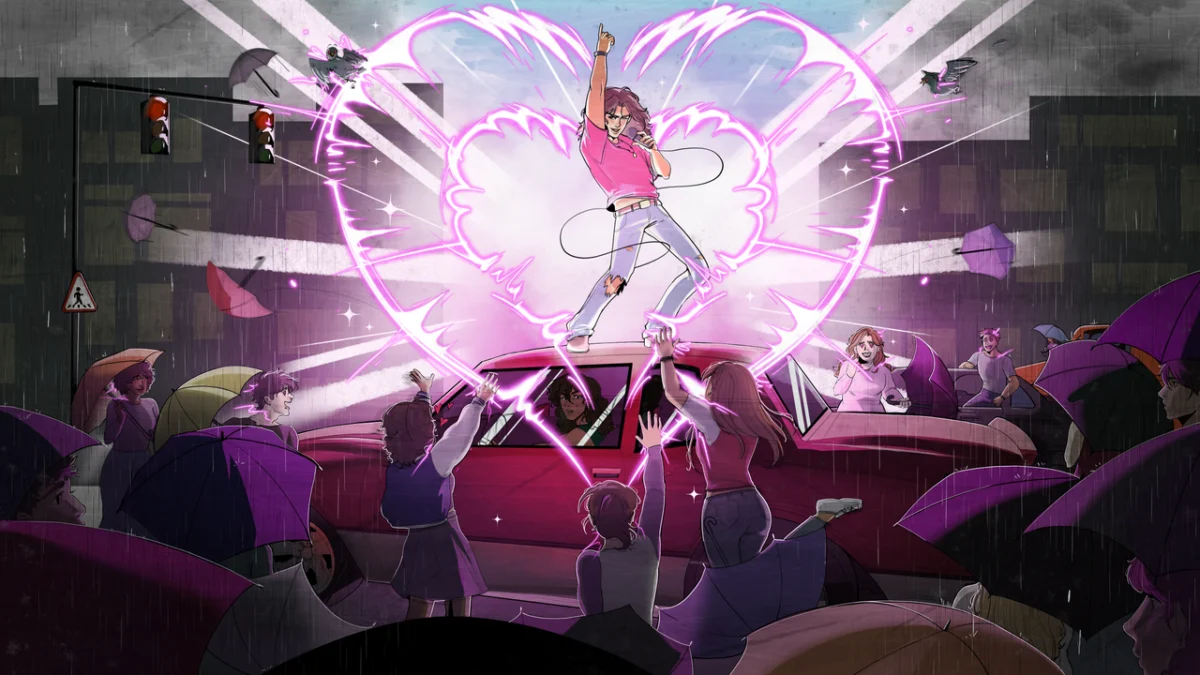
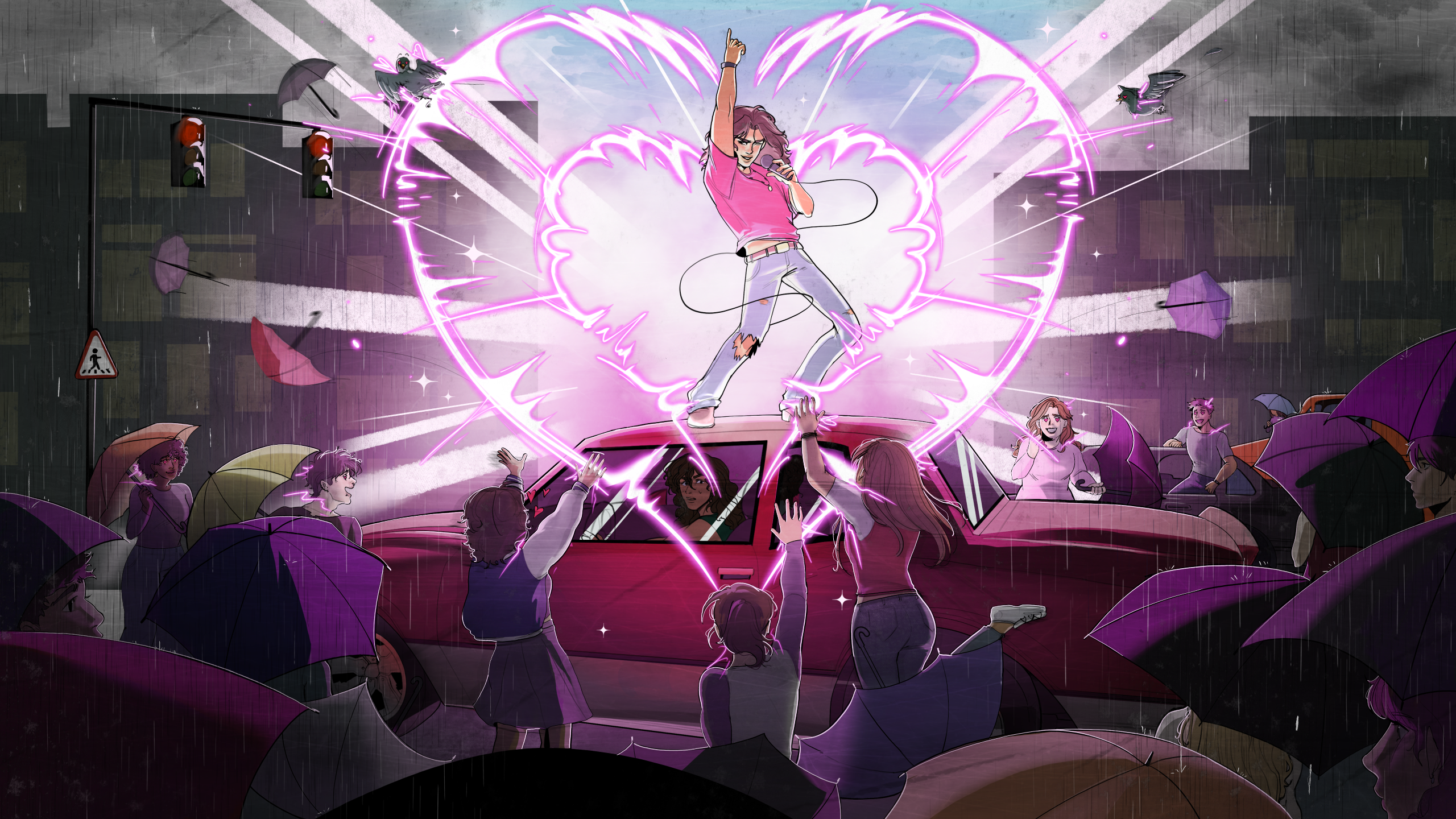
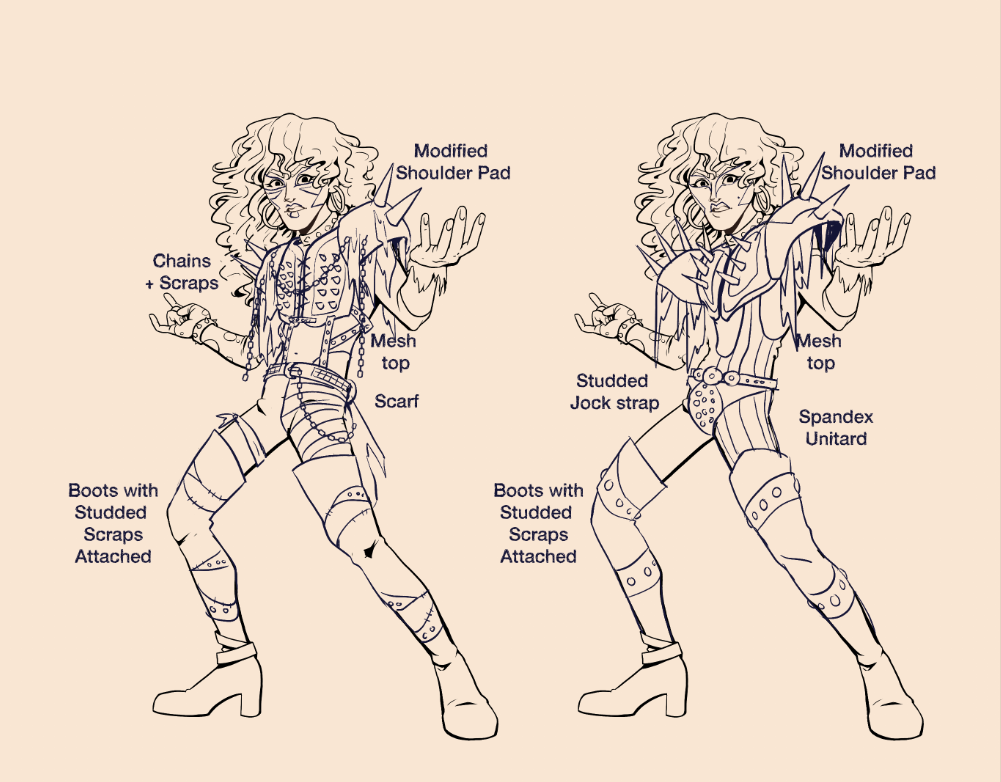
Tactichord is not just a tactical game; it is a love letter to the era of hairspray, spandex, and over-the-top stage presence. The game’s art direction leans heavily into the glam metal aesthetic of the late 80s and early 90s.
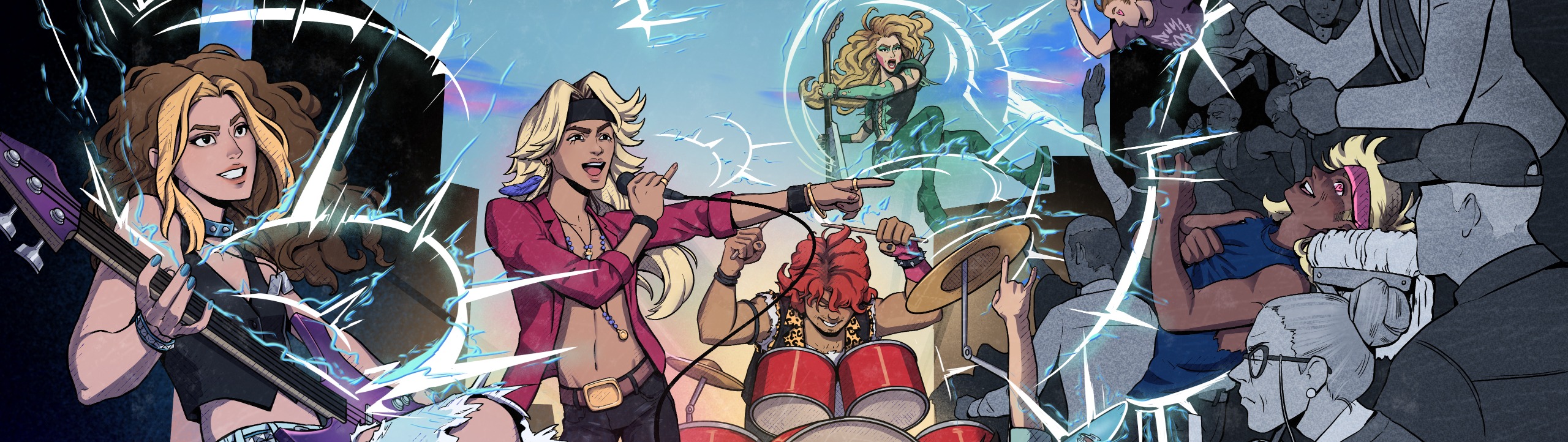
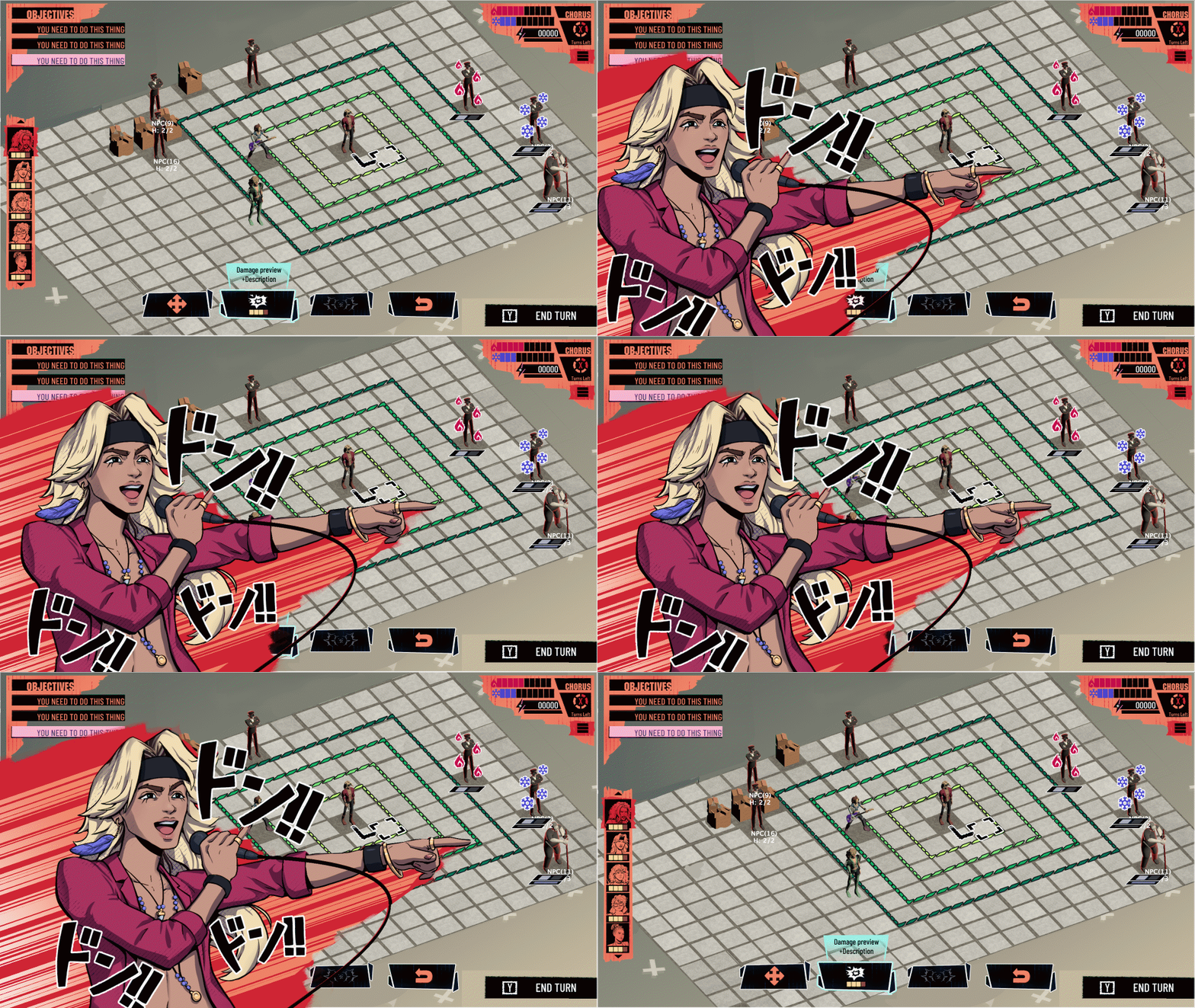
To bridge the gap between the limitations of a low-poly graphical style and the need for a cinematic, high-energy presentation, Ichigoichie has implemented several clever design choices. Character portraits have been upscaled by 40% compared to Backbeat, and the game features hand-drawn comic book panels to drive the narrative forward.
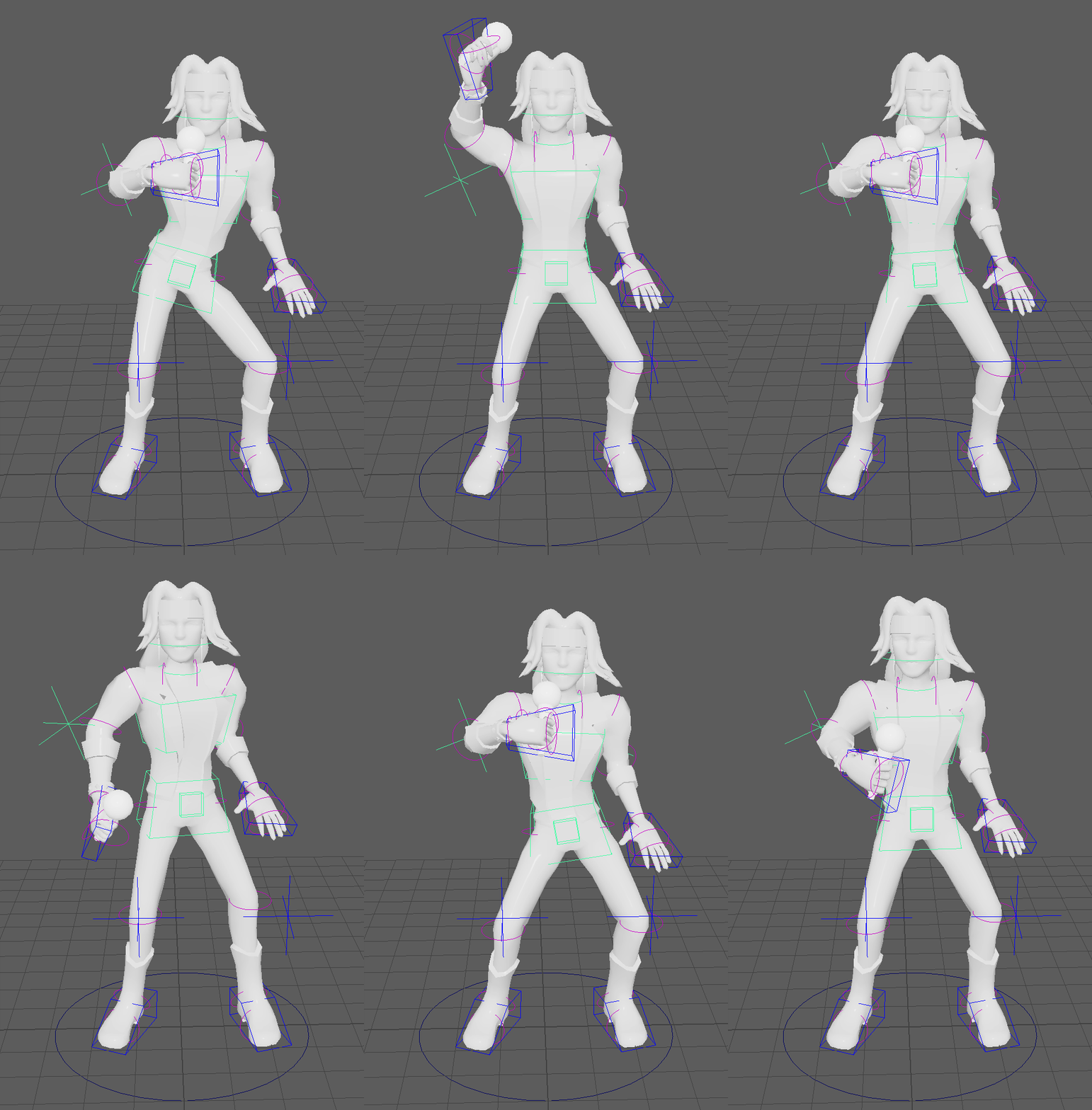
The visual fidelity is further bolstered by "texture flip books," a technique famously utilized for character expressions in Gitaroo Man. By programming sequences of facial textures—smiling, eyes darting, mouths opening—the team has managed to imbue their characters with a surprising amount of personality without the need for high-end motion capture or dense, modern assets.
The Cultural Landscape: Embracing the "Cringe"
Glam metal occupies a strange place in modern pop culture, often viewed through a lens of ironic nostalgia. Ventura is acutely aware of this, acknowledging that while he holds a genuine affection for the genre, many players might find the aesthetic "cringe."
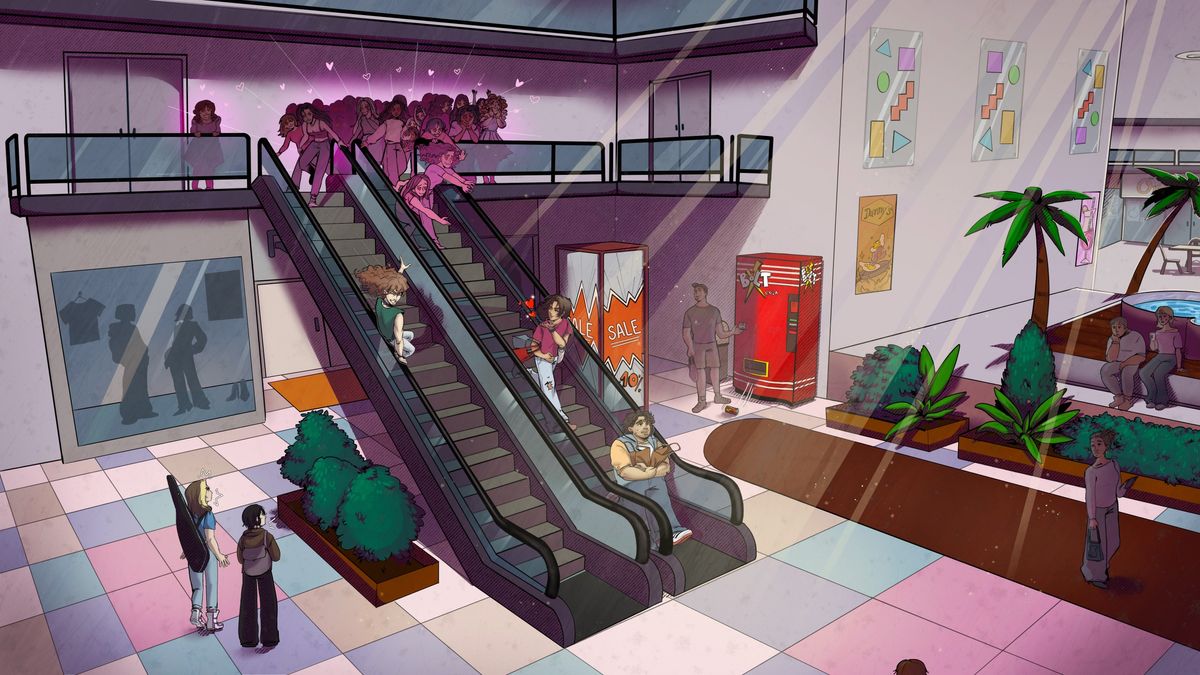
This awareness is baked into the game’s premise. Set in 1990, the game takes place at the twilight of the glam metal era. The protagonists are essentially relics of a dying musical trend, and their enemies are often youths who find their flamboyant style archaic and ridiculous. In a meta-commentary on the nature of fandom, any enemy the player "defeats" in combat is effectively converted into a fan of the band.
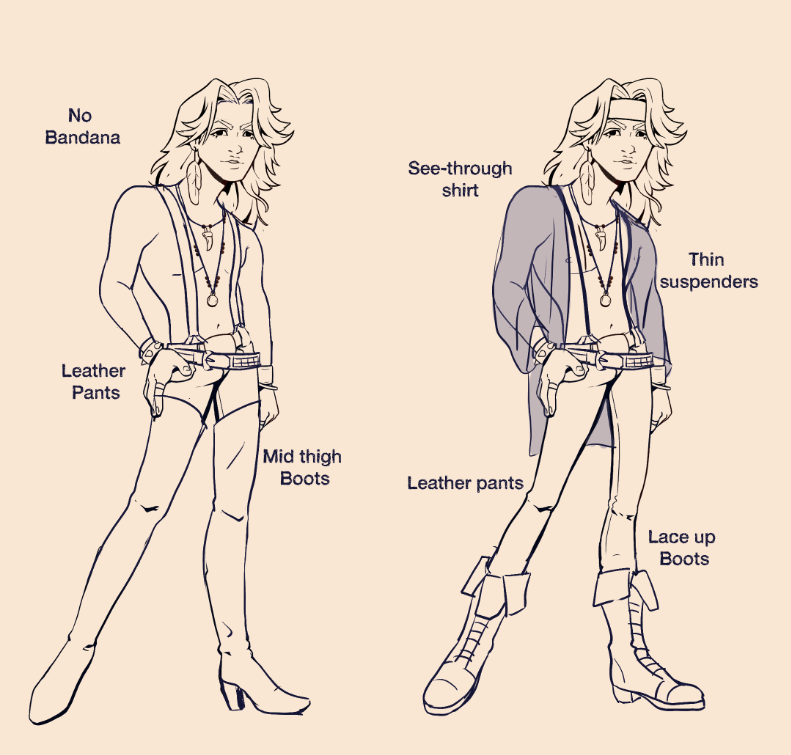
"Our character Joey is kind of a combination of David Lee Roth, the front man of Van Halen, and Joey Tempest from the band Europe," Ventura explains. "He’s got giant blond hair, is completely full of himself, and is constantly doing crazy stunts while strutting around on stage."
Strategic Gameplay Meets Cinematic Flair
While the core mechanics revolve around turn-based grid movement and tactical decision-making, the presentation is anything but static. The game employs an "automatic camera" system that shifts angles dynamically based on the player’s actions. Whether a character is delivering a devastating punch or executing a special move, the camera mimics the frenetic editing of a high-budget music video.
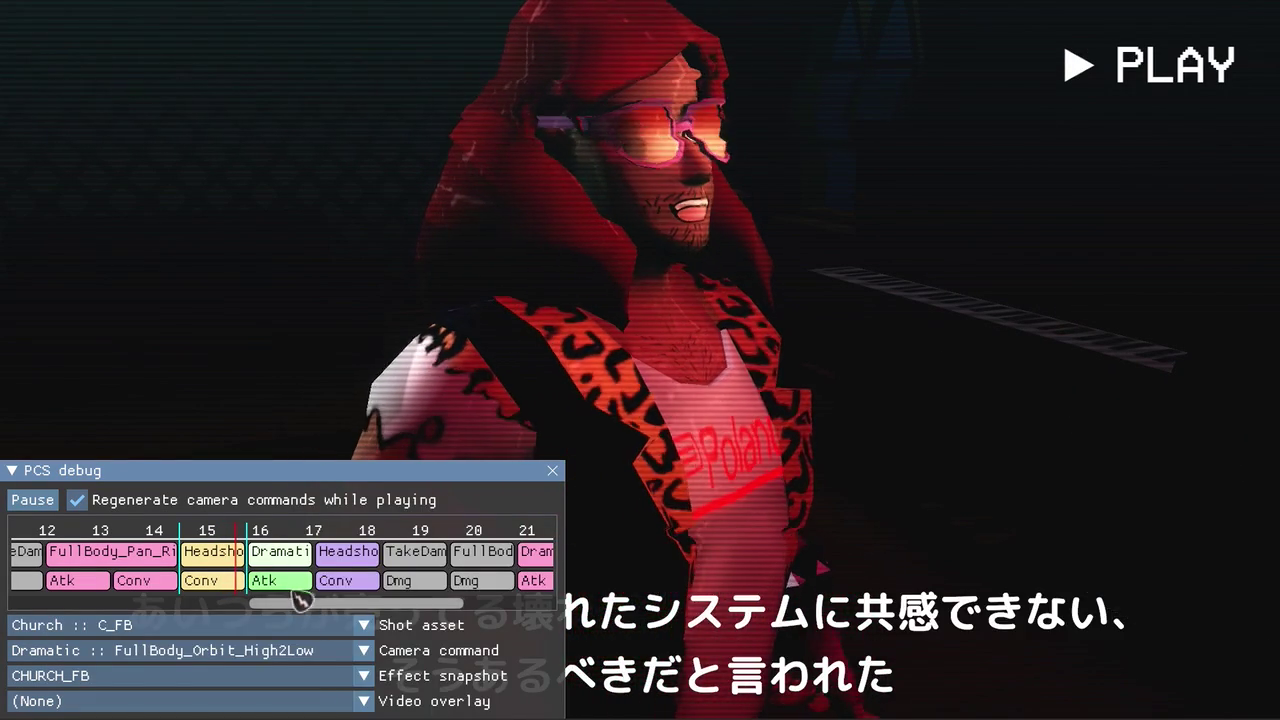
The environment itself is a character in Tactichord. The team has implemented various "sky boxes" that feature everything from roaring fires to swirling hurricanes, and the color grading is subject to constant, deliberate shifts. One standout feature is the use of solarization—a technique designed to mimic the artifacts of 80s camcorders, bathing the screen in inverted pinks, whites, and high-contrast hues.
Furthermore, the game’s progression system is intrinsically tied to the musical theme. Players select lyrics as they play, which eventually culminate in a fully formed song presented through an in-game music video. As the story progresses, the band’s costumes, dance moves, and lyrical complexity evolve, mirroring the classic "rise and fall" narrative arc of a rock band.
Implications for the Indie Strategy Genre
By leaning into the "glam" aesthetic and utilizing low-poly tech in a highly stylized, cinematic way, Ichigoichie is proving that indie studios do not need photorealistic graphics to deliver a compelling experience.
The success of Tactichord will likely serve as a litmus test for whether "niche" aesthetic themes—like the specific sub-culture of 1990s glam metal—can resonate with a broader audience when paired with a proven gameplay loop. By marrying the tactical depth of XCOM with the narrative heart of an origin story and the visual flair of a music video, the studio is attempting to redefine what a "strategy game" can look and feel like.
Looking Forward: A Call to the Stage
The transition from rhythm games to tactical strategy is a bold move, but one that is clearly informed by decades of experience in game design. The team has successfully reused their engine to lower production risks while simultaneously pushing the boundaries of what that engine can do.
For those eager to see how this experiment in "Glam Strategy" plays out, Ichigoichie has released a demo on Steam. It offers a glimpse into the world of Joey and his bandmates, providing a testing ground for the mechanics and a preview of the visual spectacle that awaits.
As the industry continues to reward games that offer distinct, authorial voices, Tactichord stands as a testament to the idea that even if your past defines you, you don’t have to be limited by it. Whether or not it will reach the cult status of Gitaroo Man remains to be seen, but one thing is certain: Ichigoichie has ensured that, win or lose, they will do it with style, loud music, and a lot of hairspray.