Pevita Pearce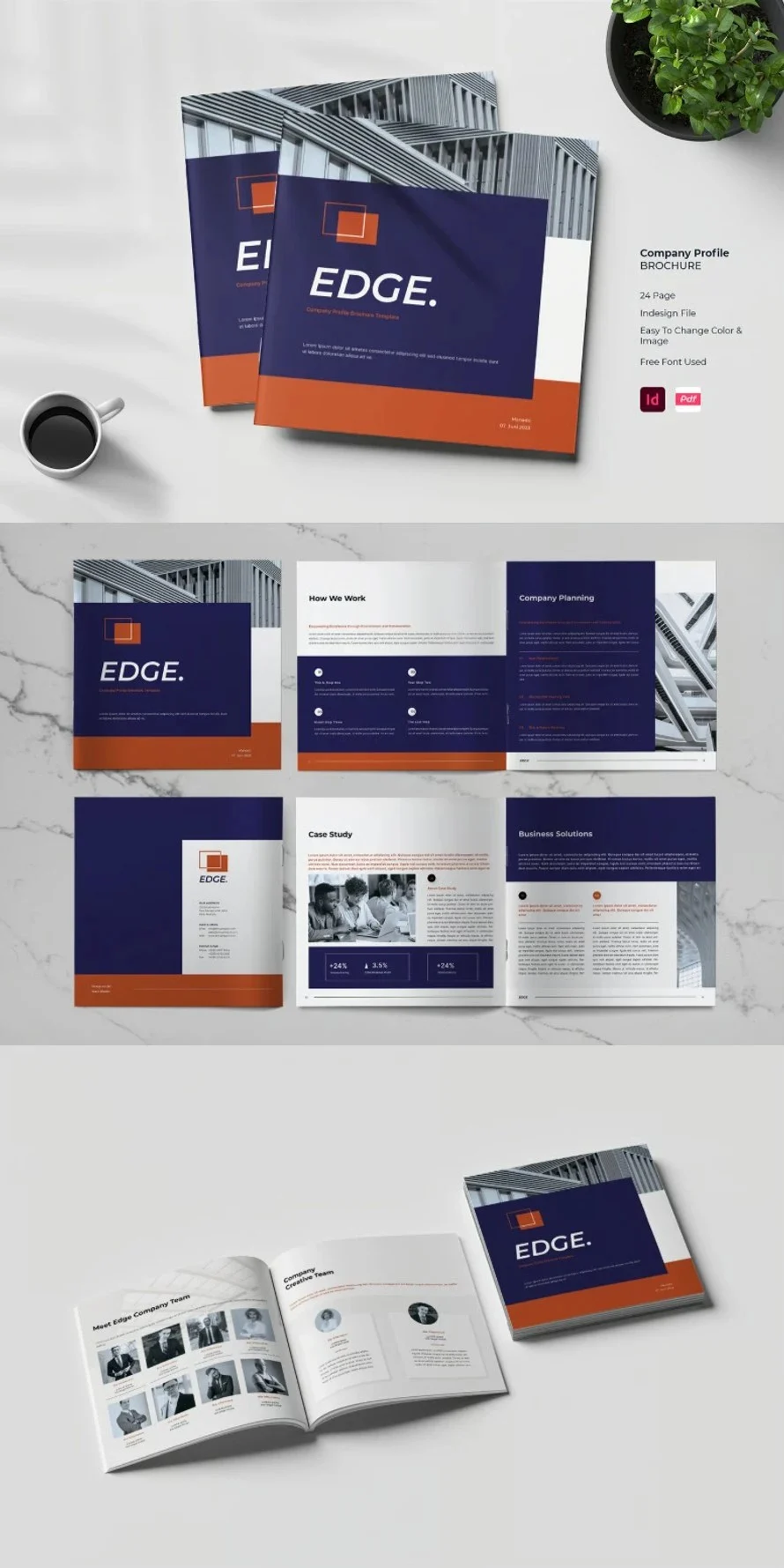
In an era defined by digital saturation, the tactile experience of a professionally designed brochure or catalog remains a cornerstone of effective brand communication. Whether you are an agency managing multiple high-profile clients or a small business owner looking to solidify your market presence, the quality of your printed and digital collateral speaks volumes about your company’s values.

Today, the industry is witnessing a shift toward sophisticated, minimalist, and highly structured design assets. By utilizing modern, professionally curated catalog and brochure templates, designers and business owners can bypass the arduous process of building layouts from scratch, allowing for a focus on what truly matters: the story of the brand and the quality of the product.

Main Facts: The Strategic Value of Professional Templates
The primary advantage of contemporary brochure templates lies in their versatility and professional polish. Modern design assets are no longer mere "placeholders"; they are comprehensive design systems. Built primarily for industry-standard software such as Adobe InDesign and Affinity Publisher, these templates provide users with master pages, complex paragraph and character styles, and meticulously organized layers.

Key features of these professional-grade assets include:

- Print-Ready Specifications: Most high-quality templates come pre-configured with 3mm bleeds, CMYK color profiles, and 300 DPI resolution, ensuring that the transition from screen to press is seamless.
- Typography-Driven Layouts: Modern design relies heavily on grid systems and strong, intentional typography to guide the reader’s eye, a feature standard across the latest collections.
- Multipurpose Utility: Whether for corporate annual reports, luxury lookbooks, project proposals, or product catalogs, these templates are designed to be adaptable across diverse industries, from architecture and interior design to culinary arts and corporate finance.
Chronology: The Evolution of Brochure Design Assets
The landscape of design resources has evolved significantly over the past decade. In the early 2010s, "template" often implied rigid, cookie-cutter layouts that were difficult to customize. However, the rise of the creator economy and the demand for high-end digital assets have forced a shift toward modularity.

- 2015–2018: The market saw a surge in complex, multi-page corporate templates. Designers began prioritizing grid-based layouts that allowed for more creative freedom while maintaining professional alignment.
- 2019–2022: As Instagram and Pinterest became central to brand marketing, the demand for "Instagram-style" brochures and social media-integrated layouts grew. Templates began to bridge the gap between static print and dynamic digital, offering matching sets for both physical distribution and social storytelling.
- 2023–Present: We are currently in the age of the "Smart Template." These assets now include not just the layout, but sophisticated financial charts, icon sets, and UI elements, enabling a holistic approach to company branding that transcends simple image placement.
Supporting Data: Why Businesses are Opting for Pre-Built Solutions
Market analysis indicates that businesses utilizing professional templates for their brochures and catalogs experience a 40% reduction in production time for marketing collateral. For design agencies, this efficiency is even more pronounced.

The data suggests three primary drivers for this shift:

- Consistency: Large organizations often struggle with brand dilution. Standardized templates ensure that every regional office or department produces collateral that adheres to the established brand identity.
- Resource Allocation: By offloading the technical layout work to high-quality templates, creative teams can dedicate their billable hours to high-level conceptual work and branding strategy rather than formatting text boxes and adjusting margins.
- Visual Impact: High-end templates often incorporate design trends—such as whitespace management and asymmetric balancing—that are difficult for non-specialists to replicate from scratch.
Featured Design Collections: A Curated Overview
For those looking to upgrade their marketing materials, the current market offers a wealth of options. Below are several categories of templates that have set the industry standard for 2025 and 2026.

The Square Format Revolution
Square brochures have become a hallmark of luxury and creative portfolios. The unique aspect ratio offers a balanced aesthetic that stands out in a pile of standard A4 documents.

- Corporate Identity: These templates provide a grounded, symmetrical look, ideal for annual reports and executive summaries.
- Photography & Lifestyle: With expansive image blocks and minimalist text, these layouts let the photography tell the story, making them perfect for travel guides and photography portfolios.
Project Proposals and Annual Reports
In the corporate sector, the proposal is often the first, and sometimes only, impression a client receives. Modern proposal templates focus on:

- Data Visualization: Incorporating clean, editable charts for financial reporting.
- Readability: Using hierarchy-driven typography to ensure that key metrics are not lost in the documentation.
The Rise of the "Instagram-Style" Brochure
Modern marketing requires a unified look. New, sophisticated "Instagram-Style" templates provide a cohesive visual language that carries from the physical catalog to the digital feed, offering matched layouts for posts and stories that ensure brand consistency across all channels.

Official Perspectives: Industry Standards and Best Practices
Design experts emphasize that a template is only as good as its implementation. To maintain a professional output, users should adhere to the following best practices when deploying these assets:

- Customization is Key: Avoid leaving "lorem ipsum" or default imagery. The true power of a template is in its structure; the branding must come from the user’s unique content.
- Typography Discipline: Even when a template includes specific fonts, ensure they align with your corporate brand guidelines. Use the template’s paragraph styles to maintain consistency throughout the document.
- The Power of Whitespace: Many users make the mistake of cluttering every inch of the page. Professional brochures utilize white space to breathe, drawing focus to the essential information.
Implications for the Future of Brand Collateral
The future of brochure and catalog design is moving toward "Living Documents"—files that are easily converted from high-resolution print PDFs to interactive web-based flipbooks. As sustainability becomes a priority, many companies are moving toward smaller, higher-quality print runs accompanied by digital versions.

The templates highlighted here are at the forefront of this shift. By providing flexible, layered, and print-ready files, they empower businesses to remain agile. Whether it is a luxury furniture company needing a high-end lookbook or a financial firm requiring a crisp project proposal, the ability to rapidly deploy high-quality design is no longer a luxury—it is a competitive necessity.

Conclusion: Selecting the Right Asset for Your Business
When choosing a template, consider the primary objective of your brochure. If the goal is image-heavy product display, prioritize templates with high-impact grid layouts and minimal text. If the goal is information dissemination, look for templates that excel in typography and hierarchical organization.

By investing in high-quality design assets, you are not just purchasing a file; you are purchasing a framework for your brand’s success. In an increasingly digital world, a beautifully crafted brochure remains a tangible, impactful, and essential tool for building lasting relationships with clients and customers alike.

For those seeking to explore these options further, platforms like GraphicDesignJunction offer a vast library of over 1,500,000+ fonts, mockups, and design assets, providing an endless supply of creative fuel for your next project.


 Nana Wu
 Suro Senen