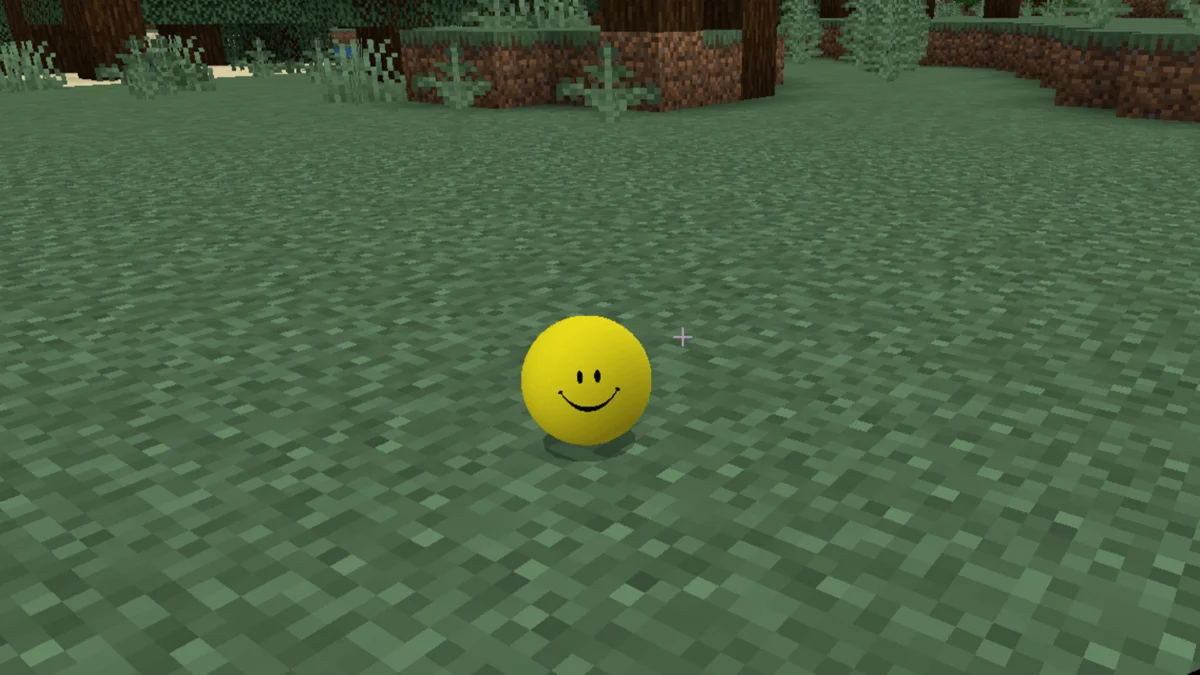
In the vast, procedurally generated history of Minecraft, horror has always found a home. From the early, campfire-tale myths of Herobrine to the unsettling presence of Entity 303, the game’s sandbox nature has served as the perfect canvas for internet creepypastas. However, the latest phenomenon to grip the community—a yellow, smiley-faced orb known as "Verity"—marks a shift in how modern digital folklore is born. It is no longer just a forum post or a grainy screenshot; it is a fully interactive, programmed nightmare that has bridged the gap between viral video content and playable, terrifying code.
The Genesis of the Orb: A Viral Phenomenon
The "Verity" saga began in May 2026, when a mysterious YouTube video introduced the world to a deceptively helpful, yellow, spherical companion. At first glance, Verity appeared to be an innocuous, even endearing, utility entity—a digital assistant designed to aid the player. Its design—a bright, minimalistic face with a wide, permanent grin—perfectly exploited the "uncanny valley," appearing just friendly enough to disarm the viewer before the true nature of the entity was revealed.
The video, which has since amassed over 20 million views, acted as a cultural catalyst. By blending high-quality animation with a slow-burn atmospheric dread, it tapped into the same psychological reservoirs that made The Backrooms or Analog Horror series so successful. It didn’t take long for the Minecraft community to demand that this digital enigma be brought into the game itself.
Chronology of a Digital Infection
The transition from a cinematic horror trope to a functional in-game entity was rapid. Following the viral success of the source material, modders scrambled to interpret the entity’s behaviors.
- Mid-May 2026: The original YouTube video by ThatMob goes viral, triggering a massive influx of community speculation and theories regarding the lore of the "smiley-faced orb."
- Early June 2026: The first wave of experimental mods begins appearing on platforms like CurseForge. Most are rudimentary, struggling to capture the complex "AI" behavior shown in the original video.
- June 16, 2026: A watershed moment occurs with the release of PnTMC’s Verity – Bedrock Edition mod. It becomes the definitive way to experience the horror, offering interactivity that closely mimics the source material.
- Late June 2026: Community adoption accelerates at a breakneck pace. Verity – Bedrock Edition crosses the 4-million-download threshold, cementing its status as one of the most downloaded horror mods in Minecraft history.
- Early July 2026: The ecosystem diversifies. Java Edition players, previously left with fewer options, flock to VarmiteYT’s officially supported mod, which garners nearly a million downloads in less than two weeks.
The Mechanics of Fear: Breaking Down the Mods
What sets the current generation of Verity mods apart from historical Minecraft creepypastas is their depth. These are not simple skins or re-textured mobs; they are sophisticated addons that leverage the modern capabilities of the Minecraft engine.
PnTMC’s Verity: The Gold Standard
The Verity – Bedrock Edition mod, currently the most popular interpretation, functions as a companion system. It allows players to interact with the entity in several ways:
- Physical Interaction: Players can pick up, throw, and manipulate Verity within the game world.
- Text-Based Communication: By utilizing an in-game text interface, players can "ask" Verity questions. The entity responds with the same hauntingly calm demeanor displayed in the original video.
- Auditory Mimicry: The mod includes the ability for Verity to play music, echoing the specific sequences that drove the tension in the original viral clip.
However, the genius of this mod lies in its pacing. It lures the player into a sense of false security. For hours, Verity behaves as a helpful, albeit strange, assistant. It is only after prolonged exposure—when the player has let their guard down—that the mod triggers its "nightmarish" sequences, proving that the horror is not just in the entity’s appearance, but in its betrayal of the player’s trust.
The Competition: Undertalelover and VarmiteYT
While PnTMC currently dominates the market, they are not the only ones shaping the legend. Undertalelover’s contribution to the Bedrock platform currently sits at over 2.8 million downloads. This version focuses heavily on the "mysterious entity" aspect, stripping away some of the helper functions in favor of a more persistent, stalker-like AI.

For the Java Edition community, VarmiteYT’s mod has become the de-facto standard. Despite being released nearly two weeks after the initial wave of Bedrock mods, it has already cleared 800,000 downloads. Its success indicates that regardless of the platform, the community’s appetite for this specific brand of psychological horror remains insatiable.
Official Endorsements and Community Impact
A unique aspect of the Verity trend is the official backing provided by ThatMob, the original creator of the YouTube series. By officially supporting specific mods, the creator has ensured that the "lore" of Verity remains consistent across different versions of the game.
This level of collaboration between content creators and mod developers is rare. It essentially turns the modding community into an extension of the original narrative team. This has massive implications for the future of digital storytelling; rather than just watching a horror story unfold on YouTube, viewers are actively participating in the canon of the story through gameplay.
The Psychological Implications: Why We Play with Monsters
Why does the Minecraft community return to these horror tropes time and time again? Experts in digital sociology suggest that Minecraft provides a unique environment for horror because it is a "safe space." Players spend hundreds of hours building their homes, establishing farms, and curating their worlds. Introducing a threat into that space creates a sense of vulnerability that is far more impactful than a traditional, linear horror game.
Verity is the perfect embodiment of this. It is a "helper" that turns into a "harbinger." When you invite Verity into your world, you aren’t just downloading a mod—you are inviting a guest who you suspect is hiding something sinister. The horror isn’t in the jump-scare; it’s in the wait.
Looking Ahead: The Evolution of the Orb
As of mid-July 2026, the Verity phenomenon shows no signs of slowing down. With millions of downloads in just a few weeks, the mods are constantly receiving updates. Modders are currently experimenting with deeper AI integration, potentially allowing Verity to learn player habits and adapt its "horror sequences" to be more unpredictable.
Whether this trend will follow the path of Herobrine—becoming a permanent fixture of Minecraft culture—or fade away as the next viral trend takes its place remains to be seen. However, one thing is clear: Verity has successfully transitioned from a pixelated video character to a living, breathing component of the Minecraft experience.
If you decide to install one of these mods, a word of advice from the community: keep your base well-lit, keep your volume up, and remember that when you ask Verity a question, it might just be waiting for the right moment to answer back. The dawn of this deceptively friendly-faced tale is only just beginning, and for those brave enough to download the files, the game will never feel quite the same again.