Iffa Jayyana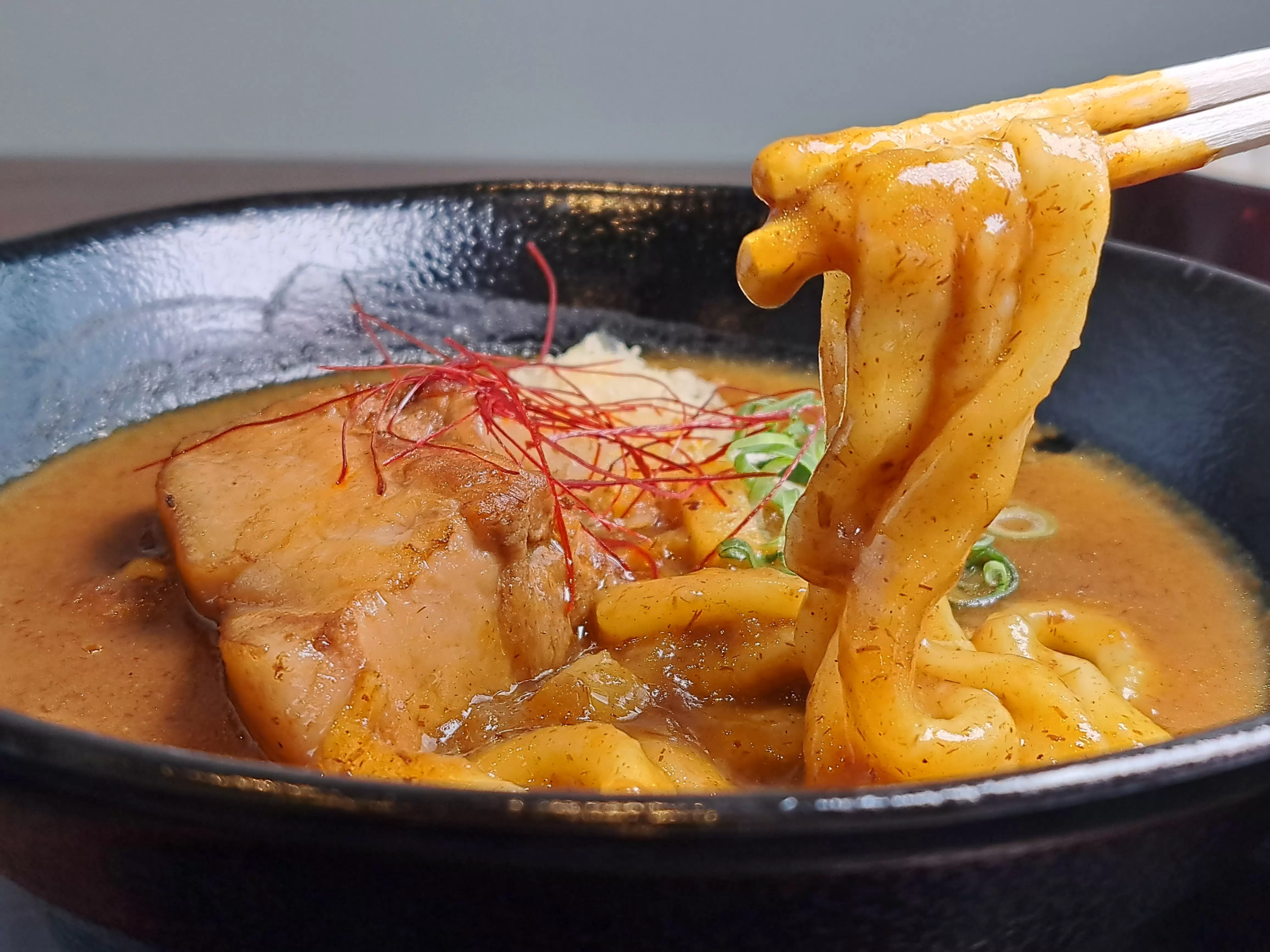
Date: June 10, 2026
Location: Mt. Gozaisho, Komono, Mie Prefecture, Japan
Rising 1,212 meters above sea level, Mt. Gozaisho stands as a sentinel over the Ise Bay and the rugged beauty of the Suzuka Mountains. While the mountain is world-renowned for its dramatic granite cliffs and seasonal foliage, a new narrative is taking shape at its summit: the elevation of high-altitude dining. Through the Gozaisho Ropeway—one of Japan’s most impressive aerial lift systems—visitors are no longer just tourists; they are travelers embarking on a curated culinary journey.
![[Gozaisho Ropeway] Gourmet Guide](https://resources.matcha-jp.com/resize/720x2000/2025/12/03-251960.webp)
The Ascent: A Technological and Natural Marvel
The Gozaisho Ropeway is not merely a mode of transport; it is the gateway to an immersive alpine experience. Since its inception, the ropeway has served as the vital artery connecting the Yunoyama Onsen hot spring district to the summit of Mt. Gozaisho.
As passengers glide upward, they witness the shifting topography of Mie Prefecture. The journey offers a bird’s-eye perspective of the "White Iron Tower" (Pillar No. 6), an architectural icon that has become synonymous with the mountain’s identity. This ascent serves as the perfect prelude to the gastronomic offerings waiting at the peak, where the air is thinner, the views are wider, and the flavors are distinctly local.
![[Gozaisho Ropeway] Gourmet Guide](https://resources.matcha-jp.com/resize/720x2000/2025/12/03-251961.webp)
Main Facts: The Summit Dining Landscape
At the pinnacle of the mountain lies the Observation Restaurant "Nature," which currently holds the distinction of being the highest-altitude restaurant in all of Mie Prefecture. The facility was designed to maximize the synergy between environment and appetite.
The Culinary Philosophy
The core philosophy behind the mountain’s menu is "Hyper-Localism." By sourcing ingredients from Komono Town and the broader Mie Prefecture, the kitchen ensures that every meal tells the story of the surrounding region. The menu is divided into two primary experiences:
![[Gozaisho Ropeway] Gourmet Guide](https://resources.matcha-jp.com/resize/720x2000/2025/12/03-251962.webp)
- The Panoramic Nature Restaurant: A sit-down venue focused on traditional regional specialties elevated for the modern palate.
- Alpen Hall: A high-turnover, casual dining space catering to hikers and families, offering everything from hearty beef bowls and Ise udon to iconic Japanese street food staples like takoyaki and gohei mochi.
Chronology: A Tradition of Mountain Hospitality
The development of summit dining on Mt. Gozaisho has evolved significantly over the decades, tracking alongside the modernization of the ropeway infrastructure.
- Mid-20th Century: Early development of the ropeway provided the first reliable access to the summit, turning a rugged climb into a leisure activity for the masses.
- Expansion Phase: Recognizing that physical exertion and high-altitude air stimulate hunger, operators began installing small refreshment kiosks.
- The Modern Era (2020s): The renovation of the Observation Restaurant Nature marked a shift toward professionalized, high-quality mountain dining, integrating local cultural icons—such as the "Sohei Festival"—into the actual menu.
- 2026 Strategic Update: Current efforts focus on "Instagrammable" culinary branding, such as the "White Tower" soft serve, which bridges the gap between historical reverence and contemporary social media trends.
Supporting Data: Signature Dishes and Their Origins
The menu at the summit is a map of the region’s cultural history. Below are the key offerings that define the Gozaisho experience:
![[Gozaisho Ropeway] Gourmet Guide](https://resources.matcha-jp.com/resize/720x2000/2025/12/03-251963.webp)
1. Gozaisho Curry Udon
Perhaps the most famous dish at the summit, this is a masterful adaptation of Mie Prefecture’s legendary Ise Udon. While traditional Ise Udon is known for its thick, soft noodles and dark, savory soy-based sauce, the Gozaisho version introduces a rich, aromatic curry roux. The inclusion of homemade, slow-braised pork cubes provides a protein-heavy reward for those who have spent the morning hiking the summit trails.
2. The Sohei Miso Fusion
Inspired by the annual October Sohei Festival at Yunoyama Onsen, the kitchen has developed a dish that incorporates "Sohei Miso." This fermented soybean paste is deeply tied to the history of the local monks and warriors. The dish features succulent pork and grated yam, creating a texture profile that is both earthy and deeply comforting—a perfect remedy for the chilly winds often found at 1,212 meters.
![[Gozaisho Ropeway] Gourmet Guide](https://resources.matcha-jp.com/resize/720x2000/2025/12/03-251964.webp)
3. The "Blanc" Dessert Series
Representing the lighter side of the menu, the "White Tower Soft Serve" is a visual tribute to the mountain’s iconic Pillar No. 6. By incorporating a cookie shaped like the tower, the restaurant has turned a simple dessert into a thematic keepsake. Furthermore, the restaurant commits to seasonal rotation, utilizing local berries, fruits, and dairy to ensure the soft-serve menu remains a fresh attraction throughout the changing calendar year.
Official Responses and Strategic Vision
The management of the Gozaisho Ropeway has stated that the integration of local food is not merely an amenity, but a vital component of the "Mie Experience."
![[Gozaisho Ropeway] Gourmet Guide](https://resources.matcha-jp.com/resize/720x2000/2025/12/03-251970.webp)
"Our goal is for visitors to leave with more than just photos," says a spokesperson for the facility. "We want them to have tasted the history of Komono. When you eat the Sohei Miso dish, you are essentially participating in the history of the Yunoyama Onsen festivals. When you eat the Gozaisho Curry Udon, you are tasting the evolution of Ise’s most famous noodle tradition."
The management team emphasizes that the consistency of supply chain—partnering with local farmers and suppliers in Mie—is the cornerstone of their quality control. This ensures that even at the summit, the food quality remains competitive with high-end restaurants in the valleys below.
![[Gozaisho Ropeway] Gourmet Guide](https://resources.matcha-jp.com/resize/720x2000/2025/12/03-251979.webp)
Implications for Tourism and Sustainability
The success of the Gozaisho culinary model has broader implications for regional tourism in Japan. As domestic and international travelers shift away from "sightseeing-only" trips, they are increasingly seeking "experiential" travel.
- Economic Impact: By promoting local ingredients, the ropeway acts as an engine for the Komono Town economy, funneling tourist dollars back into local agricultural production.
- Environmental Stewardship: The focus on local sourcing minimizes the carbon footprint of the restaurant’s supply chain, a critical consideration for a facility operating within a designated national park or protected area.
- Seasonality as a Driver: The ability to offer seasonal soft-serve ice cream encourages repeat visits. A tourist who visits in the vibrant green of spring may return in the autumn for the fiery fall foliage, knowing that the menu will have evolved to reflect the current season.
Conclusion: A Peak Worth the Climb
Mt. Gozaisho offers a rare convergence of geological grandeur and gastronomic precision. Whether one is gazing out toward the distant Alps or looking down at the shimmering expanse of Ise Bay, the experience is underscored by the satisfaction of a well-prepared meal.
![[Gozaisho Ropeway] Gourmet Guide](https://resources.matcha-jp.com/resize/200x2000/2026/05/23-264490.webp)
As the Gozaisho Ropeway continues to refine its offerings, it remains a benchmark for how mountain destinations can leverage local identity to create a world-class tourism product. For the traveler, the message is clear: when visiting Mt. Gozaisho, ensure your itinerary leaves ample time not just for the view, but for the table.
For more information on planning your visit, including current hours of operation and seasonal menu updates, please refer to the Gozaisho Ropeway official website. To view the full range of dining options at the summit, visit the Observation Restaurant Nature details page.


 Neng Nana
 Asro
Asro