


In the modern gaming landscape, the term "live service" is often met with a mix of fatigue and skepticism. Players are accustomed to rigid roadmaps, battle passes, and content pipelines that feel set in stone months, if not years, in advance. However, Pearl Abyss, the studio behind the sprawling open-world title Crimson Desert, is challenging this paradigm. By positioning its latest project as a "single-player MMO," the developer has created a unique hybrid that prioritizes fluid, real-time evolution over static corporate planning.
While Crimson Desert is fundamentally a solo RPG, its development cycle has mirrored the hyper-reactive nature of a massively multiplayer online game. As the studio continues to iterate, it is becoming increasingly clear that Pearl Abyss is not just building a game—they are fostering a living, breathing dialogue with their player base.
The Philosophy of "Real-Time Iteration"
The industry standard for triple-A development usually involves a "roadmap"—a document that outlines major milestones, expansions, and patches with specific, promised dates. For most, this provides a sense of security. For Pearl Abyss, however, it represents a barrier to innovation.
Will Powers, the director of marketing and public relations for Pearl Abyss, recently shed light on this unconventional strategy in an interview with The Washington Post. According to Powers, the studio operates without a "set-in-stone" roadmap. Instead, they embrace an agile, responsive methodology that allows the game to shift based on immediate feedback.
"Everything, patch-wise, content-wise, has been iterated in real time based on feedback, based on response," Powers explained. "If you bake in a roadmap, you’re presuming. We are not baking in presumptions around what the players want."
This approach is rooted in the studio’s history with Black Desert, a title that required constant, rapid-fire adjustments to maintain its massive player base. For Pearl Abyss, the frenetic pace of live-service support isn’t a burden or a deviation from the norm—it is the norm.
A Chronology of Responsive Development
To understand why Crimson Desert feels so distinct, one must look at its rapid evolution. Since its inception, the project has undergone significant tonal and mechanical shifts.
- Initial Concept Phase: Early announcements framed the game as a more traditional prequel/companion to Black Desert. However, as the industry shifted toward more immersive, narrative-driven single-player experiences, Pearl Abyss pivoted.
- The "Single-Player MMO" Pivot: The studio recognized a gap in the market for a game that offered the mechanical complexity and vast, systemic depth of an MMO, but delivered it within a contained, high-fidelity single-player narrative.
- Post-Launch Feedback Loop: Since the game’s release, the studio has famously adopted a "jump when the players say jump" mentality. Every patch cycle since launch has been characterized by granular tweaks to combat, traversal, and quality-of-life features that directly address the loudest voices in the community forums.
- The Current State: Today, Crimson Desert stands as a testament to the idea that a game’s "final version" is a fluid concept. By refusing to commit to long-term content silos, the team has remained nimble enough to fix glaring issues or implement fan-requested features within weeks, rather than waiting for seasonal updates.
Breaking the "Ego-Driven" Development Cycle
Perhaps the most radical element of the Pearl Abyss philosophy is the studio’s lack of creative gatekeeping. In many large-scale development environments, there is an "internal-only" culture where features must originate from the design leads. If an idea comes from outside the walls of the studio, it is often dismissed or ignored to preserve the "vision" of the directors.
Powers challenges this industry standard, noting that such gatekeeping is often a symptom of an ego-driven development culture. "We’re not onerous about, if an idea didn’t come from us, then it can’t be in the game," he told The Washington Post. "I think that’s something that [other companies are] too ego-driven a lot of the time to be able to accept other people’s ideas. It’s almost Silicon Valley-esque. A good idea can come from anywhere."
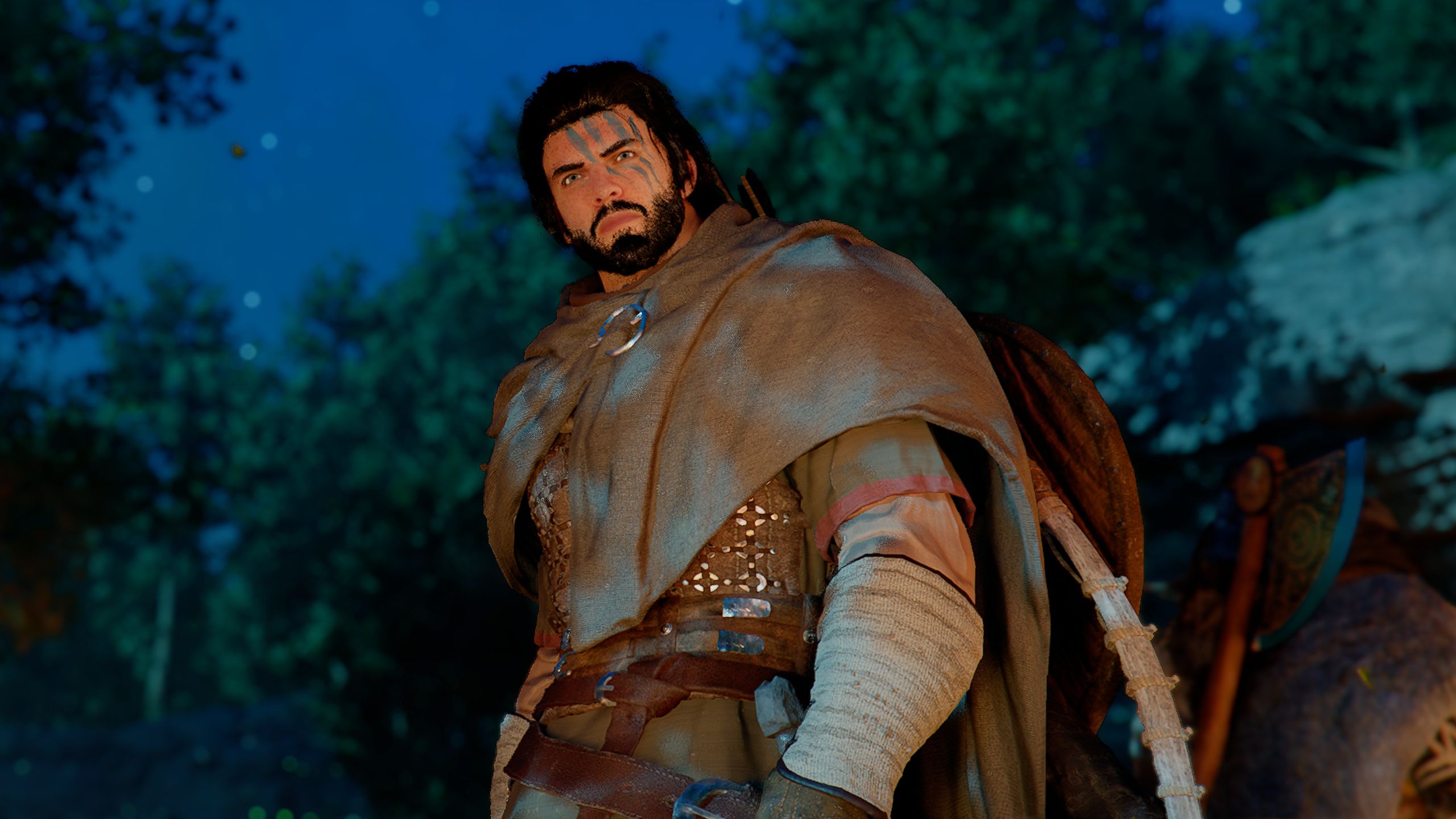
This democratization of design has created a palpable sense of ownership within the player base. When players see their feedback reflected in a patch note just days after a Reddit thread gains traction, their investment in the game deepens.
Implications for the Industry
The success of Crimson Desert poses an existential question for other studios: Is the traditional roadmap model actually detrimental to the health of a game?
1. The Death of the "Roadmap"
Roadmaps are essentially marketing tools designed to maintain stock value and investor confidence. They are rarely designed for the player. By abandoning them, Pearl Abyss has traded the ability to generate "hype cycles" for the ability to generate "trust cycles." This suggests that in the future, the most successful games might be those that are humble enough to admit they don’t have all the answers at launch.
2. The Rise of the "Wholesome" Community
As noted by PC Gamer’s Fraser Brown, the fandom surrounding Crimson Desert has become a vital component of the game’s success. This is not a coincidence. When a community feels heard, they move from being passive consumers to active evangelists. This organic marketing is far more powerful than any paid trailer or influencer campaign.
3. Technical and Cultural Hurdles
However, this model is not without its risks. Rapid, feedback-driven development is incredibly taxing on the development team. It requires a studio structure that is built for speed rather than stability. For many legacy studios with rigid hierarchies, this level of agility is likely impossible to achieve without a complete restructuring of their production pipelines.
Supporting Data and Observations
While the subjective experience of playing Crimson Desert is one of constant improvement, the quantitative data remains to be seen regarding long-term retention. Yet, early metrics suggest that the "live" approach to a "single-player" game works:
- Player Retention: Unlike many single-player games that see a sharp drop-off in activity after the first 30 days, Crimson Desert has maintained a steady active user base, likely because players are constantly returning to see what has changed or been added.
- Patch Frequency: The sheer volume of hotfixes and content tweaks issued by Pearl Abyss dwarfs that of similar open-world RPGs. This creates a "news cycle" around the game that keeps it relevant in the social media discourse long after its launch window has closed.
Conclusion: The Future of Player-Led Design
Crimson Desert is not just a game; it is an experiment in extreme responsiveness. By stripping away the bureaucratic layers of traditional development, Pearl Abyss has fostered a symbiotic relationship with its audience that is rare in the high-stakes world of triple-A gaming.
As the industry continues to grapple with the unsustainable costs of development and the fickle nature of player retention, the "Pearl Abyss model" offers a compelling alternative. Whether or not other studios have the humility—or the technical infrastructure—to follow suit remains the million-dollar question. For now, Crimson Desert stands as a bold example of what happens when a developer decides that the best person to design the game is, in fact, the person playing it.












No comments yet. Be the first to join the conversation!