Nana Muazin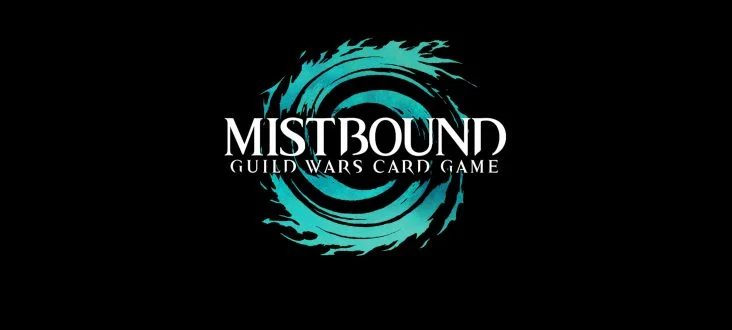
By Editorial Staff
Reporting on the evolution of the Guild Wars franchise
The landscape of the Guild Wars universe, a staple of the MMORPG genre for nearly two decades, is undergoing a profound transformation. In a move that has caught both long-term fans and industry analysts off guard, developers ArenaNet and parent company NCSoft have officially unveiled Mistbound, a brand-new digital collectible card game (CCG). Developed in strategic collaboration with Bilibili, Mistbound represents a bold pivot for the franchise, signaling a commitment to expanding the intellectual property beyond the traditional confines of the massively multiplayer online role-playing experience.
This announcement follows closely on the heels of the highly anticipated—yet still mysterious—revelation of Guild Wars 3. As the industry shifts toward multi-platform and multi-genre ecosystems, Mistbound serves as a crucial bridge, testing the viability of tactical, grid-based card mechanics within the lore-rich world of Tyria.
The Core Mechanics: A New Tactical Frontier
While the CCG genre is historically dominated by static, lane-based combat systems popularized by titles like Hearthstone or Magic: The Gathering, Mistbound aims to disrupt this paradigm by introducing spatial complexity.
At the heart of the gameplay is a 5×3 tactical grid. Unlike traditional card games where cards remain fixed once played, Mistbound emphasizes dynamic movement. Players deploy units and commanders that can be repositioned turn by turn, forcing a constant re-evaluation of the battlefield. This design choice is intended to mirror the positioning-heavy combat found in the original Guild Wars MMO, where spacing, kiting, and environmental awareness were paramount.
Combat encounters in Mistbound will be defined by physical interaction. Players can utilize "positional mechanics," including knockbacks, pulls, and flanking maneuvers. These features transform the board from a simple resource-management area into a genuine tactical map. By integrating the depth of a strategy game with the accessibility of a digital card game, ArenaNet hopes to appeal to both the hardcore MMO player base and the burgeoning audience of tactical card game enthusiasts.
Chronology: From MMORPG Roots to Digital Strategy
To understand the significance of Mistbound, one must look at the historical trajectory of the Guild Wars franchise.
- 2005: The Birth of Tyria: The original Guild Wars launched with a revolutionary focus on skill-based combat and build-crafting. Even then, the "deck-building" nature of selecting eight skills from a vast pool of hundreds drew direct comparisons to CCGs.
- 2012: The Guild Wars 2 Era: ArenaNet cemented its legacy with the release of Guild Wars 2, a game that redefined the MMO experience by stripping away the "holy trinity" of tank/healer/DPS in favor of active, action-oriented combat.
- 2024: The Strategic Pivot: As the industry evolved, ArenaNet began exploring ways to diversify its portfolio. The decision to collaborate with Bilibili for Mistbound indicates a desire to tap into the high-engagement, competitive mobile and PC gaming markets in Asia and abroad.
- 2025: The Announcement: The reveal of Mistbound signals a multi-pronged approach to the franchise’s future, running parallel to the development of Guild Wars 3.
This chronology highlights a clear evolution: ArenaNet is no longer just an "MMO studio." They are evolving into a brand manager, leveraging the deep lore and character history of Tyria to inhabit various gaming niches.
Supporting Data and Development Context
The development of Mistbound is not an isolated experiment. The gaming industry has seen a massive surge in the popularity of "spin-off" titles that utilize existing IPs to explore different genres. For example, Riot Games successfully utilized Legends of Runeterra to expand the lore of League of Legends.
Mistbound appears to follow this blueprint. By utilizing "commanders"—iconic characters from the series’ history—the game provides an immediate emotional connection for fans. Furthermore, the decision to recruit original Guild Wars composers ensures that the atmospheric audio landscape remains consistent with the core series.
From a technical standpoint, the choice of a 5×3 grid suggests a game designed with cross-platform play in mind. The board is compact enough to function perfectly on mobile devices while remaining sufficiently complex for PC-based competitive play. This accessibility is a hallmark of successful modern CCGs, as it lowers the barrier to entry for casual players while maintaining a skill ceiling that rewards strategic veterans.
Official Responses and Creative Vision
In a joint statement, representatives from ArenaNet and NCSoft emphasized that Mistbound is not meant to replace the mainline series, but rather to complement it.
"Our goal with Mistbound is to capture the essence of Tyrian combat in a format that rewards tactical foresight," a spokesperson stated. "By focusing on movement and positioning, we are bringing the ‘Guild Wars’ spirit—the spirit of customization and adaptive play—into the card game arena."
The involvement of Bilibili is particularly telling. As a major player in the global gaming market with deep expertise in the tactical card game genre, Bilibili’s role is to ensure that Mistbound meets the high standards of competitive play expected by the current market. The synergy between ArenaNet’s world-building and Bilibili’s mechanical expertise is the cornerstone of the project’s development philosophy.
Implications: The Future of the Guild Wars Brand
The announcement of Mistbound carries significant implications for the future of the franchise:
1. Diversification of the Player Base
By moving into the CCG space, ArenaNet is effectively casting a wider net. Players who may not have the time to invest in an MMO’s grind can still engage with their favorite characters and lore through the bite-sized, high-stakes matches offered by Mistbound.
2. The Multi-Title Ecosystem
With Guild Wars 3 currently in development, Mistbound serves to keep the franchise in the public consciousness during the transitional period. It reinforces the idea that "Guild Wars" is not just a game, but an interconnected universe of experiences.
3. Tactical Re-imagining
The focus on grid-based combat could influence the design of future MMO titles. If Mistbound succeeds in making tactical positioning feel rewarding, we may see ArenaNet incorporating more of these spatial mechanics into the core gameplay of their upcoming flagship MMORPGs.
4. Competitive Integrity
The CCG market is notoriously competitive. Mistbound will need to balance its "free-to-play" model with a fair, skill-based progression system to avoid the pitfalls that have plagued other titles in the genre. Its success will likely depend on whether the developers can resist "power creep" and keep the meta-game fresh through frequent content updates.
Final Thoughts: A Calculated Risk
Taking Guild Wars into the realm of tactical card games is an unexpected turn, yet it aligns with a broader trend in the gaming industry. While the core fan base remains fixated on the news of Guild Wars 3, Mistbound offers a unique opportunity for the developers to iterate on combat mechanics that have defined their identity for twenty years.
The integration of traditional deck-building with active grid movement is a sophisticated design choice. It acknowledges that players want more than just card combinations; they want agency. If ArenaNet and Bilibili can successfully bridge the gap between deep, lore-heavy narrative and tight, competitive tactical gameplay, Mistbound could become a cornerstone of the Guild Wars franchise for years to come.
As the industry waits for a formal release date, the anticipation is building. Whether or not this title will achieve the same longevity as its predecessor remains to be seen, but one thing is clear: the developers are willing to take risks, and in an industry often criticized for stagnancy, that is a development worth celebrating.
For more information on the development of Mistbound and further updates regarding the Guild Wars franchise, stay tuned to our ongoing coverage.


 Pevita Pearce
 Neng Nana