

By [Journalist Name/News Desk]
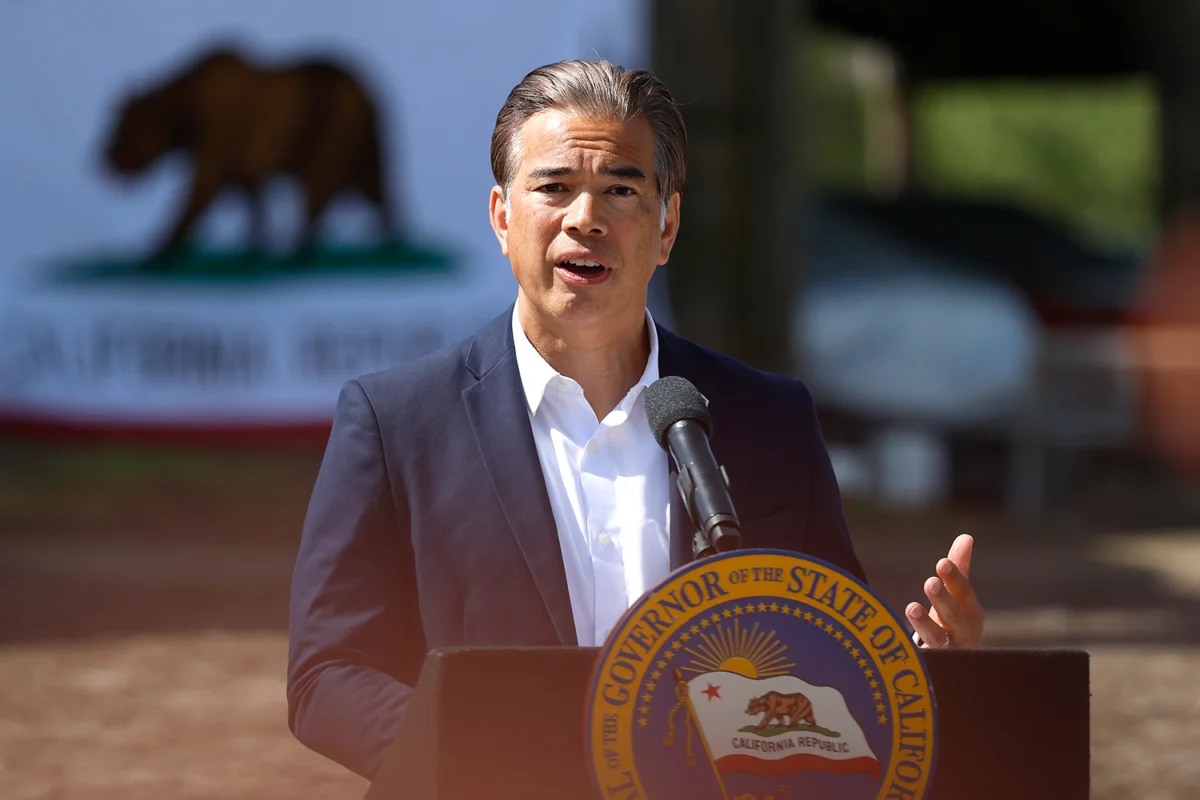
In a move that promises to reshape the landscape of American media, a coalition of 12 state Attorneys General, led by California’s Rob Bonta, has officially filed a lawsuit to block the proposed $110 billion merger between Paramount Skydance and Warner Bros. Discovery. The legal challenge represents one of the most significant antitrust actions in the history of the entertainment industry, positioning the state regulators against two of the most powerful pillars of global cinema and television.
The proposed consolidation, which proponents frame as a necessary evolution for survival in the streaming age, is being characterized by state officials as an “unlawful” attempt to consolidate power, stifle competition, and erode the diversity of voices in the American cultural narrative.
The Core Facts: A Media Behemoth in the Making
The proposed merger is not merely a corporate transaction; it is a tectonic shift in the media hierarchy. If permitted, the combined entity would control approximately one-third of the U.S. theatrical movie distribution market and a staggering one-third of all basic cable channel offerings.
By uniting two of the "Big Five" film distributors and two of the top five owners of basic cable networks, the new entity would wield unprecedented influence over the content that reaches millions of American homes. The deal encompasses an unrivaled portfolio of news, sports, children’s programming, lifestyle, and factual content. Specifically, the merged company would control over 30% of blockbuster theatrical releases—the lifeblood of the movie theater industry—and manage 50 of the most popular cable television channels.
State regulators argue that such concentration of power is inherently anti-competitive. The complaint asserts that the merger would effectively kill the healthy rivalry that has driven innovation in Hollywood for over a century.
Chronology: How We Reached the Brink of Consolidation
The path to this legal showdown began with a series of high-stakes financial maneuvers and industry whispers regarding the future of legacy media.
- Mid-2023: As streaming services continued to disrupt traditional revenue models, Paramount and Warner Bros. Discovery began exploring potential strategic partnerships to bolster their balance sheets.
- Early 2024: David Ellison’s Paramount Skydance initiative emerged as the primary catalyst for the merger, proposing a deal structure aimed at consolidating studio assets.
- Late 2024: The deal gained momentum, drawing intense scrutiny from federal and state regulators who began investigating the implications for market competition and consumer pricing.
- Present Day: California Attorney General Rob Bonta, alongside 11 other state attorneys general, filed a formal complaint in federal court, arguing that the merger violates the Clayton Act and threatens the fundamental principles of a free market.
Supporting Data: The Anatomy of Market Dominance
The coalition’s argument relies heavily on the economic data surrounding the concentration of media assets. The entertainment industry is often viewed as a creative endeavor, but it is also a massive economic sector that relies on diverse pipelines for distribution.
The Attorneys General point to the following data points as evidence of the potential for harm:
- Market Share Concentration: The combined entity would hold more than 30% of the blockbuster release distribution market, creating a near-monopoly on high-budget tentpole films.
- Cable Dominance: By controlling 50 of the most influential cable channels, the entity could engage in "tying" and "bundling" practices that force cable providers—and ultimately consumers—to pay for unwanted content.
- The "Barrier to Entry" Factor: The sheer scale of the merged company creates a barrier that would make it nearly impossible for smaller, independent studios to compete for theater screen time or advertising revenue.
These figures, the plaintiffs argue, demonstrate that the merger is less about efficiency and more about creating a market environment where competition is stifled at the source.
The Philosophical Argument: Beyond the Balance Sheet
Attorney General Rob Bonta has framed this struggle as more than a matter of antitrust law; it is a defense of the American cultural fabric. In his public statements, Bonta noted that the entertainment industry does not merely “hawk movies and TV shows like any other commodity.”
“It exists to tell stories, spark ideas and curiosity, inspire and inform, and open our eyes to new perspectives,” Bonta stated. The argument suggests that when market power is concentrated, the diversity of stories that make it to the screen diminishes. When the goal shifts from creative competition to maximizing shareholder value through monopoly, the risk-taking that gave us classics like The Godfather, The Matrix, and Lord of the Rings is replaced by a focus on safe, repetitive content.
The coalition argues that a lack of competition will inevitably lead to:
- Reduced Innovation: Without the threat of losing market share to a rival, the mega-entity will have little incentive to invest in original or high-risk artistic endeavors.
- Higher Consumer Costs: Consolidation typically leads to less competitive pricing, which will eventually trickle down to streaming subscription costs and cable bills.
- The Shrinking Marketplace for Talent: Fewer independent distributors mean fewer opportunities for writers, directors, documentarians, and producers to get their projects greenlit.
Official Responses and Corporate Strategy
Paramount Skydance and Warner Bros. Discovery have maintained that the merger is a vital strategic move designed to secure the future of their businesses in an increasingly fragmented digital marketplace.
In response to the lawsuit, representatives for the companies have argued that the merger is necessary to compete with the likes of Amazon, Apple, and Netflix—tech giants that have entered the media space with deep pockets and global reach. They contend that the combined entity will be more efficient, allowing for better content creation and more sustainable investment in new technology.
However, the state coalition remains skeptical. They view this "survival of the fittest" narrative as a justification for illegal monopolistic behavior. According to the lawsuit, the existence of other large competitors does not give a company the right to engage in anti-competitive mergers that hurt consumers and employees within their specific market segment.
Implications: The Legal and Economic Fallout
The legal battle ahead is likely to be protracted, testing the limits of modern antitrust enforcement. The case will hinge on how the court interprets the Clayton Act in the context of the 21st-century digital media landscape.
Implications for Democracy
One of the most alarming aspects of the coalition’s argument is the threat to the news industry. Combining cable news giants under a single corporate umbrella could mean fewer independent editorial voices, potentially limiting the breadth of information available to the electorate. The Attorneys General argue that a democracy requires a robust, competitive, and diverse media landscape to function effectively.
Implications for the California Economy
As the Attorney General of the "Golden State," Bonta emphasized the importance of the industry to California’s identity and economy. California is home to more Fortune 500 companies and a significant portion of U.S. venture capital, which Bonta attributes to a state policy that fiercely protects fair market competition. By blocking the merger, the coalition aims to maintain a market where businesses succeed based on the merit of their ideas rather than their ability to orchestrate "backdoor deals."
The "Robber Baron" Comparison
The rhetoric used by the coalition evokes the Gilded Age, drawing parallels between today’s media billionaires and the railroad or oil barons of the 19th century. The implication is that without intervention, the entertainment industry risks becoming an oligarchy where the elite few dictate the terms of public discourse and creative expression.
Conclusion: The Path Forward
The lawsuit brought by the 12 Attorneys General serves as a clarion call for the future of American antitrust enforcement. It asserts that no corporation, regardless of its size or the influence of its executives, is above the law.
As the legal proceedings unfold, the nation will be watching. The result will determine whether the media landscape remains a vibrant, competitive marketplace for ideas or if it will consolidate into a monolithic entity that prioritizes profit margins over the cultural, social, and political health of the country.
For now, the message from the coalition is clear: Competition is the heartbeat of a healthy economy, and the entertainment industry is far too important to be left to the whims of a single, unchecked corporate giant. As Bonta concluded in his filing, "America has no kings in government or our economy." The court will now decide if that principle holds firm against the weight of a $110 billion merger.










