

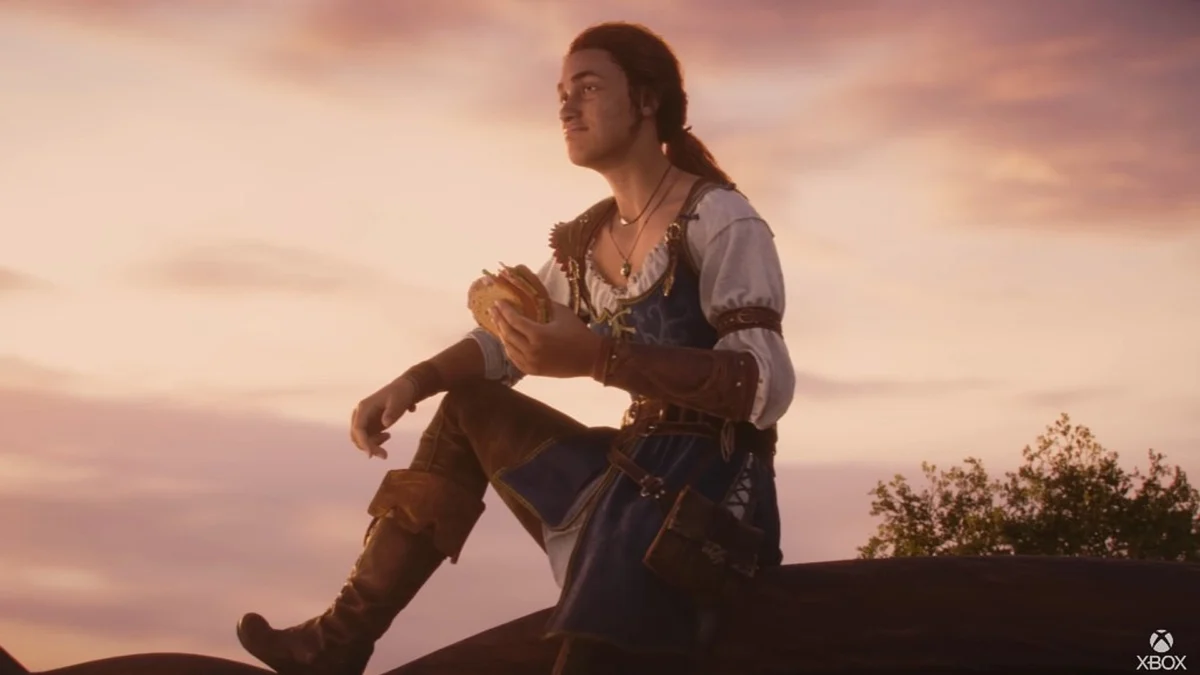
In a move that has sent ripples through the gaming industry, Microsoft and Xbox have officially confirmed that the highly anticipated reboot of Fable—the beloved action-RPG franchise currently being developed by Playground Games—will be delayed. Originally slated for a release window in the fall of 2026, the game is now officially scheduled to arrive in February 2027.
While delays are a common occurrence in the modern era of high-fidelity game development, this specific adjustment by Xbox carries significant strategic weight. As the industry faces an increasingly crowded release calendar, Microsoft is making a calculated bet that Fable’s long-term success is better served by moving away from the chaotic, blockbuster-heavy holiday season.
The Official Word: A Quest for the Perfect Moment
The announcement came via a concise statement on social media, followed by a deeper dive from Xbox’s Chief Content Officer, Matt Booty. Addressing the community on the Official Xbox Podcast, Booty was keen to emphasize that the delay is not a result of development troubles, technical bottlenecks, or "crunch" culture.
"Playground Games is doing really well on Fable," Booty stated. "The game is in great shape. The team feels really good. We’re excited about where the game is."
The primary motivation, according to leadership, is the "market moment." Xbox’s strategy for the latter half of 2026 is already packed with massive, high-profile releases, including titles like Gears of War: E-Day and the next installment of the Call of Duty: Modern Warfare series. By shifting Fable to the quieter, post-holiday window of February 2027, Microsoft aims to ensure that the game has a dedicated, uncluttered period to capture the public’s attention without being overshadowed by larger, established juggernauts.
A Chronology of Anticipation and Speculation
The journey to this point has been a long and winding road for fans of the franchise. Since the reboot was first teased during an Xbox Games Showcase years ago, the title has been the subject of intense speculation and hope.
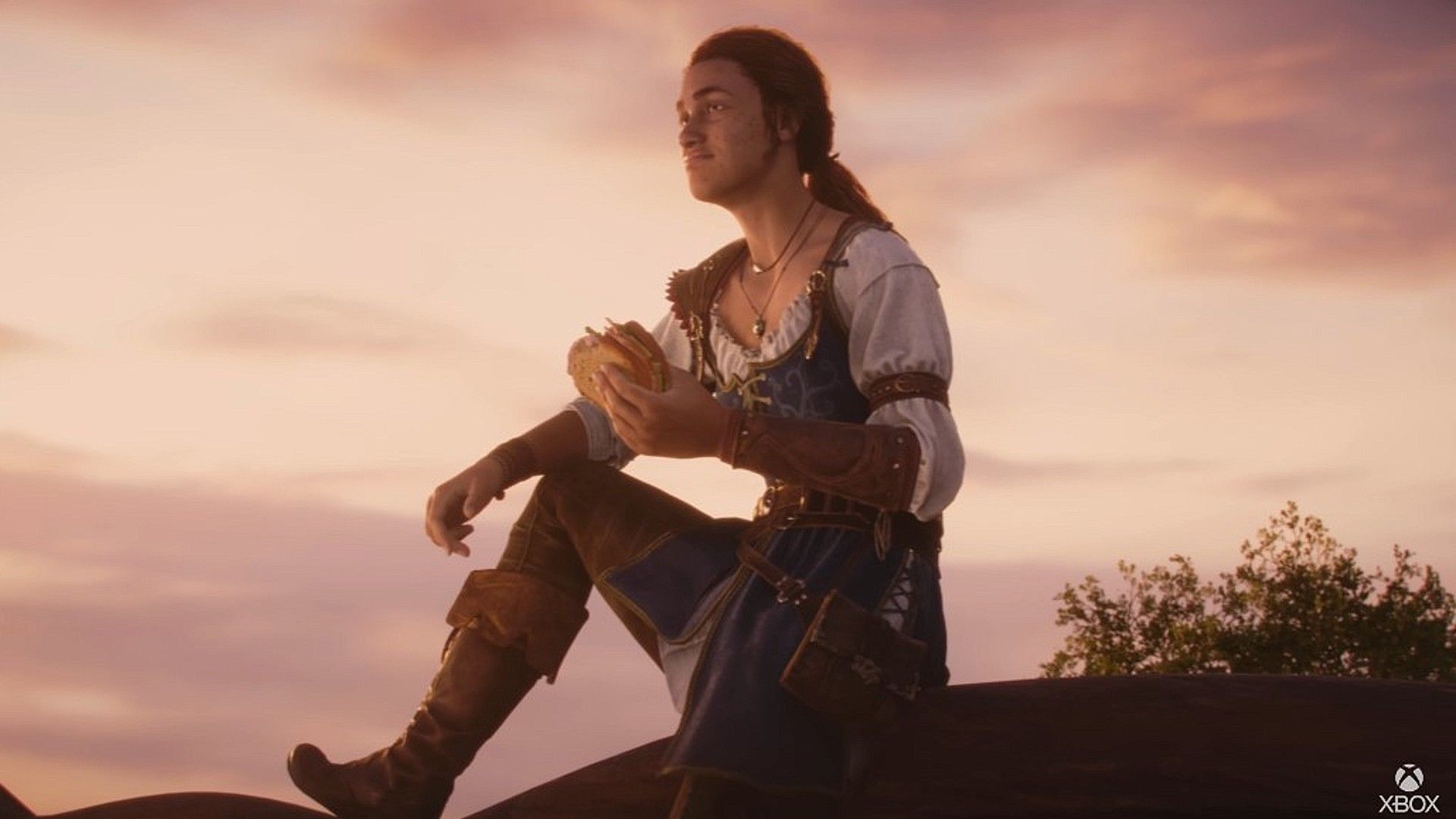
- The Announcement (2020): Xbox first teased the return of the Fable franchise with a short, whimsical trailer that confirmed Playground Games—best known for the Forza Horizon series—would be helming the project.
- The Development Phase (2021–2024): Throughout these years, fans were treated to sporadic updates, including behind-the-scenes confirmation that the team was utilizing the Forza engine to achieve a level of visual fidelity rarely seen in open-world RPGs.
- The Rumor Mill (2025): As the rumored 2026 release window approached, whispers began to circulate that the studio was looking for a later date to polish the experience. These rumors intensified as industry analysts pointed toward the looming "shadow" of competing mega-releases.
- The Formal Delay (2026): Xbox finally broke the cycle of speculation, confirming the February 2027 date and setting the stage for a new look at the game during the upcoming Xbox Games Showcase.
Supporting Data: The "GTA 6 Effect" and Market Realities
Why would a company move a flagship title away from the lucrative holiday shopping season? The answer, according to current market analysis, is simple: the "Grand Theft Auto" factor.
Industry analyst Mat Piscatella recently provided data that highlights the immense gravity of Rockstar Games’ Grand Theft Auto 6. According to his findings, approximately 34.7% of US console and PC players have explicitly stated their intention to purchase the next Grand Theft Auto title. In contrast, interest in Fable sits at roughly 5.5%.
While 5.5% represents a substantial and dedicated audience—one that could easily make Fable a commercial hit—it is dwarfed by the sheer cultural and financial hegemony of GTA. In an economy where consumers are increasingly selective about their discretionary spending, asking gamers to choose between a genre-defining Rockstar release and a new Fable entry is a losing battle for any publisher. By moving Fable to early 2027, Xbox is acknowledging that the holiday 2026 season will be dominated by a select few "megahits," and they are wisely choosing to launch their title when players have finished their holiday shopping and are looking for a fresh, high-quality experience to kick off the new year.
Beyond Gameplay: The Blizzard Connection
One of the most intriguing aspects of the development process is the cross-pollination occurring within the Microsoft gaming ecosystem. Matt Booty recently revealed that Blizzard Entertainment, the powerhouse behind Diablo and World of Warcraft, has been assisting Playground Games with the development of the game’s cinematics.
This collaboration is a testament to the resources available to the studio. By integrating the storytelling expertise of Blizzard into the world-building of Fable, Microsoft is clearly signaling that they intend for this reboot to be a cinematic masterpiece. The goal is to reach the narrative heights of the original trilogy while introducing modern, top-tier production values that set a new standard for the genre.
Strategic Implications for the Xbox Ecosystem
The decision to delay Fable is not just about one game; it is a signal of how Xbox is managing its portfolio in the post-Activision Blizzard merger era. With an unprecedented number of studios under the Microsoft umbrella, the company is moving away from the "all-in on November" release strategy.
1. Diversification of the Calendar
By spreading out its major releases, Xbox can ensure that its subscription service, Game Pass, remains a constant value proposition. Instead of having a "dead" period in the early months of the year, they can now anchor the first quarter with a blockbuster, ensuring that subscribers remain engaged throughout the year.
2. Quality Control and "The Shiny Factor"
The modern gaming audience is famously unforgiving toward buggy, unpolished releases. By giving the team at Playground Games an extra few months of development time, Microsoft is likely aiming to avoid the "Cyberpunk effect"—the reputational damage that comes from launching a game before it is ready. This is particularly important for Fable, a franchise that trades on nostalgia and a very specific, quirky tone. Getting it "right" is more important than getting it out on time.
3. Strengthening the RPG Lineup
Xbox has historically struggled to maintain a consistent flow of high-quality RPGs compared to its competitors. With Avowed, The Elder Scrolls VI (in development), and now Fable, Microsoft is building a robust library of role-playing experiences. Protecting Fable from being buried by other titles ensures that it is given the proper marketing runway to establish itself as a modern staple of the genre.
Conclusion: A Calculated Patience
While fans will undoubtedly be disappointed to wait until 2027 to traverse the lands of Albion once more, the move is a pragmatic one. In the volatile world of game development, patience is often the greatest virtue. By choosing to step out of the shadow of the year’s biggest releases, Xbox is showing a level of confidence in the Fable project. They are not hiding the game; they are elevating it, ensuring that when the game does arrive, it receives the undivided attention of the gaming community.
As we look toward the June 7th Xbox Games Showcase, the anticipation will likely be even higher. With more footage expected to be revealed, the wait until February 2027 will be a test of endurance for fans, but if the final product manages to capture the magic of the original while pushing the boundaries of current-gen hardware, it will likely prove to be a delay well worth the wait. For now, we wait, we watch, and we prepare for a new chapter in one of gaming’s most storied worlds.











No comments yet. Be the first to join the conversation!