

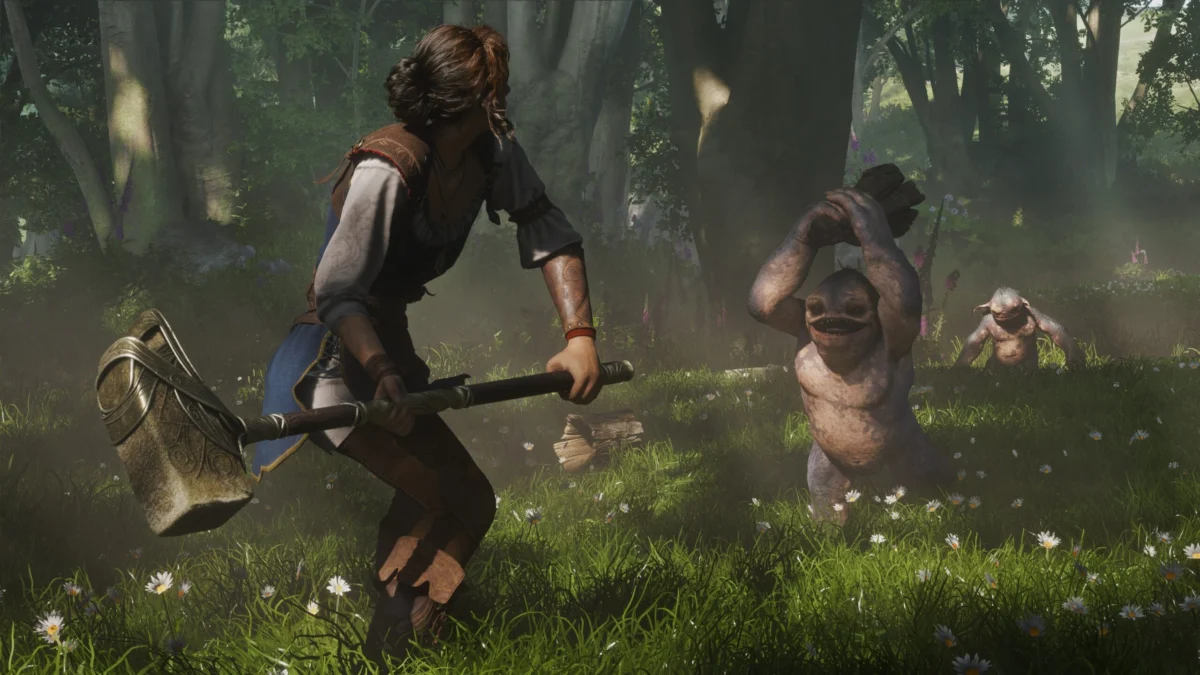
LONDON, UK – The highly anticipated reboot of the beloved fantasy RPG series, Fable, will no longer arrive in Fall 2026. Publisher Xbox Game Studios and developer Playground Games have announced a strategic delay, pushing the game’s release to February 2027. The decision, communicated by Xbox chief content officer and executive vice president Mat Booty, aims to grant Fable a clear, unobstructed launch window, allowing it "its own moment to shine" in a less crowded market.
Booty’s remarks, made during the Official Xbox Podcast, emphasized that the delay is not a reflection of development challenges but rather a proactive move to optimize the game’s commercial and critical reception. He assured fans that Fable is "in great shape" and that the development team at Playground Games feels "really good" about its progress. This news comes as the gaming community eagerly awaits the return of a franchise renowned for its whimsical charm, moral choices, and quintessentially British humor. The title is slated for release across PlayStation 5, Xbox Series X|S, and PC via Steam and the Microsoft Store, and will also be available day one on Xbox Game Pass.
Main Facts: A Strategic Postponement for a Highly Anticipated Return
The core of today’s announcement revolves around a significant shift in the release schedule for one of Xbox Game Studios’ flagship titles. Fable, a complete reimagining of the classic role-playing game series, has been delayed from its previously announced Fall 2026 launch to February 2027. This decision was officially confirmed by Mat Booty, Xbox’s chief content officer and executive vice president, during an appearance on the Official Xbox Podcast.
Booty explicitly stated that the delay is not indicative of any internal development issues or setbacks for the project. On the contrary, he highlighted that the game is progressing exceptionally well, with the team at Playground Games feeling confident and enthusiastic about its current state. The primary motivation behind this calendar adjustment is strategic: to secure a dedicated and prominent launch period for Fable. By moving the release to February, Xbox aims to avoid the intense competition typically characteristic of the holiday season, thereby maximizing the game’s visibility, sales potential, and critical impact. This strategy underscores a growing industry trend where publishers prioritize optimal market positioning over adhering to initial timelines, especially for high-profile releases.
The new Fable is being developed by Playground Games, a studio widely acclaimed for its work on the Forza Horizon series, bringing a fresh perspective to the beloved fantasy IP. The game’s cross-platform availability on PlayStation 5, Xbox Series X|S, and PC (through Steam and the Microsoft Store) alongside its day-one inclusion in Xbox Game Pass, further amplifies its potential reach and significance within the gaming ecosystem. Fans can also look forward to a more substantial reveal of Fable during the Xbox Games Showcase 2026, where additional gameplay and details are expected to be unveiled. This upcoming showcase will serve as a crucial touchpoint, offering a deeper look into the world and mechanics of the new Albion, and reinforcing the studio’s confidence in the title’s development trajectory.
Chronology: Tracing the Journey of Albion’s Rebirth
The journey of the Fable franchise has been a storied one, marked by both critical acclaim and periods of uncertainty, culminating in the current anticipation for its grand return. The original Fable series, conceived by Peter Molyneux and developed by Lionhead Studios, first captivated players in 2004 with its unique blend of moral choices, quirky humor, and a world that visibly reacted to player actions. Titles like Fable II (2008) and Fable III (2010) solidified its status as a beloved Xbox exclusive, each expanding on the lore and mechanics of the fantastical land of Albion. However, following the closure of Lionhead Studios in 2016, the future of the franchise seemed uncertain, leaving a void for many dedicated fans.
Years of speculation and fervent fan requests for a new Fable title eventually culminated in a momentous reveal. At the Xbox Games Showcase in July 2020, a brief but evocative cinematic trailer confirmed that a new Fable game was indeed in development. This announcement sent shockwaves through the gaming community, sparking immense excitement. Crucially, it was revealed that the reins of this iconic franchise would be passed to Playground Games, a studio previously renowned for its expertise in open-world racing games with the critically acclaimed Forza Horizon series. This choice initially raised eyebrows among some fans, given Playground’s distinct portfolio, but it also signaled Xbox’s commitment to entrusting the IP to a studio with a proven track record of creating expansive, beautiful, and engaging open worlds.
Following the initial announcement, details about the new Fable remained scarce for an extended period, leading to further anticipation and speculation. It wasn’t until the Xbox Games Showcase in June 2023 that fans received their first glimpse of actual in-engine footage and a more comprehensive trailer, which confirmed the game’s signature humor and whimsical tone would be retained. This reveal provided a much-needed assurance to long-time fans that the spirit of Fable was alive and well under Playground Games’ stewardship. At that time, while a specific date wasn’t given, the general expectation coalesced around a 2026 release window.
In early 2026, more concrete details emerged, with an official announcement pinpointing Fall 2026 as the target launch period. This provided a clearer roadmap for fans and industry observers alike. However, the latest development, as communicated by Mat Booty, sees this Fall 2026 window revised to February 2027. This decision, framed as a strategic move rather than a developmental necessity, places Fable in a less congested early-year release slot. Booty’s comments also touched upon the parallel success of Playground Games’ other major project, Forza Horizon 6, underscoring the studio’s dual-project capabilities and overall health. The impending Xbox Games Showcase 2026 is now positioned as the next major milestone, where fans are promised a deeper dive into the world of Fable, further building momentum towards its February 2027 debut. This chronological overview highlights a patient, deliberate approach by Xbox and Playground Games, prioritizing quality and strategic market placement for the revival of a beloved RPG series.
Supporting Data: The Gaming Landscape and Strategic Release Trends
The decision to delay Fable into February 2027, while potentially frustrating for eager fans, is firmly rooted in contemporary video game industry trends and strategic market considerations. Understanding the competitive landscape and the complexities of modern game development provides crucial context for Xbox’s move.
The Crowded Calendar and the "Golden Quarter"
The fall and holiday seasons, often referred to as the "golden quarter," have historically been the most lucrative periods for game releases. Major publishers traditionally vie for consumer attention and holiday spending, leading to an incredibly saturated market. Blockbuster titles from various genres, often including established franchises, frequently launch within weeks of each other. This intense competition can lead to cannibalization of sales, reduced media coverage for individual titles, and an overwhelming choice for consumers. For a narrative-driven RPG like Fable, which thrives on player immersion and sustained engagement, a cluttered launch window can be particularly detrimental to its initial impact and long-term success. By moving to February, Fable effectively sidesteps this fierce end-of-year battle, positioning itself as a marquee title during a typically quieter period, thereby maximizing its chances for sustained attention from players, critics, and media outlets.
The Rising Trend of Strategic Delays
Game delays have become an increasingly common occurrence in the industry, evolving from being perceived as a sign of troubled development to often being a strategic decision. While some delays undoubtedly stem from unforeseen technical challenges or scope creep, a significant portion are now attributed to a desire for polish, developer well-being (combating "crunch"), and, critically, market timing. Publishers are becoming more adept at analyzing release calendars and understanding the value of a clear runway. Titles like Elden Ring, Hogwarts Legacy, and Cyberpunk 2077 (despite its initial issues, its subsequent resurgence highlights the importance of polish) all benefited, or would have benefited, from careful release window management. Xbox’s messaging around Fable‘s delay — emphasizing the game’s "great shape" and the desire for "its own moment to shine" — aligns perfectly with this trend, projecting confidence rather than concern.
Playground Games’ Pedigree and Dual Development
Playground Games’ reputation as a developer is stellar, primarily built on the foundation of the Forza Horizon series. These open-world racing titles are lauded for their technical excellence, stunning visuals, and engaging gameplay loops. Entrusting Fable to Playground, a studio not traditionally associated with RPGs, was a bold move by Xbox. However, it also speaks to their confidence in the studio’s ability to adapt its open-world expertise and technical prowess to a different genre. The fact that Playground Games is simultaneously working on Forza Horizon 6 and Fable is a testament to their operational capacity. Mat Booty’s positive remarks about both projects underscore the studio’s health and efficiency. This dual development strategy, while ambitious, also necessitates careful resource allocation and scheduling, making strategic delays like this even more understandable to ensure neither project compromises the other’s quality or market potential.
The Legacy of Fable and High Expectations
The Fable franchise holds a special place in the hearts of many gamers. Its unique blend of humor, player choice, character progression, and distinct British charm created a memorable world in Albion. The weight of expectation for this reboot is immense, with fans hoping for a faithful yet innovative reimagining that captures the spirit of the originals while pushing boundaries. Given this legacy, ensuring the game is not only polished but also launched under optimal conditions is paramount. A rushed or poorly timed release could significantly tarnish the revival of such a cherished IP. The multi-platform strategy (PS5, Xbox Series X|S, PC) and day-one Game Pass inclusion further raise the stakes, as the game needs to perform exceptionally well across diverse ecosystems and for a broad audience. This widespread availability also means a larger potential player base, making the strategic timing of the release even more critical for maximizing initial player uptake and sustained engagement.
Official Responses: Reassurance and Strategic Messaging
Mat Booty’s statements on the Official Xbox Podcast serve as the primary official response regarding the Fable delay, and they are carefully crafted to convey reassurance and strategic intent rather than concern. His choice of words offers significant insight into Xbox’s approach to managing expectations and communicating with its player base.
Booty opened by linking Fable‘s progress to that of another Playground Games title, Forza Horizon 6, stating, "We talked about Forza Horizon 6 and how the team at Playground is doing really well. Also doing really well on Fable." This initial comparison immediately sets a positive tone, associating Fable‘s development with a project that is, by all accounts, progressing smoothly. It preemptively counters any speculation that the delay might be due to internal strife or development hell, a common fear among gamers when a high-profile title shifts its release date. By highlighting the overall health of Playground Games as a studio, Booty reinforces confidence in their capabilities across multiple ambitious projects.
His subsequent remarks directly address the state of Fable itself: "The game is in great shape. The team feels really good. We’re excited about where the game is." These are powerful affirmations. "Great shape" suggests that the core development, mechanics, and vision are largely solidified and meeting internal benchmarks. "The team feels really good" speaks to developer morale and confidence, which is crucial for a project of this scale and importance. This direct endorsement from a high-ranking executive is designed to quell anxieties and maintain fan enthusiasm, assuring them that the quality they expect is indeed being achieved.
The crux of the delay’s justification lies in Booty’s explanation of the new release window: "We want to make sure that that game has a window all to its own, so we are going to move it from this fall to February. And again, we really just want it to have its own moment to shine." This statement is a clear articulation of a strategic marketing and release decision. "A window all to its own" directly addresses the issue of market saturation, particularly during the fiercely competitive holiday season. By moving to February, Xbox is carving out a less crowded space for Fable, allowing it to dominate news cycles, receive undivided critical attention, and maximize its launch impact without being overshadowed by other major releases. The phrase "its own moment to shine" encapsulates the ambition for Fable to be a standout title, not just another game in a busy lineup. This move is not about fixing problems; it’s about optimizing success.
Booty also provided a glimpse into future communication plans, stating, "And related to Fable, we will be seeing more of it in [Xbox Games Showcase 2026]. So we’re going to have plenty for people to see. It really is coming together well, exciting stuff, and then we’re going to move to February." This commitment to a significant presence at the upcoming showcase is a further act of reassurance. It confirms that despite the delay, Fable is far along enough in development to be showcased extensively, reinforcing the narrative of a confident, well-managed project. It also provides fans with a concrete date to look forward to for new information, bridging the gap until the game’s eventual release.
In summary, Mat Booty’s official response is a masterclass in strategic communication. It pivots the narrative from a potentially negative "delay" into a positive "strategic move," emphasizing confidence in the game’s quality and the team’s progress, all while explaining the commercial rationale behind the decision. It’s a clear message that Fable‘s future is bright, and its path to launch is being carefully orchestrated for maximum impact.
Implications: Ripple Effects Across Players, Developers, and the Industry
The delay of Fable to February 2027 carries a range of implications, touching upon the expectations of players, the operational strategies of developers and publishers, and broader industry trends.
For Players: Patience Rewarded, or Prolonged Anticipation?
For the legion of Fable fans, the news of a delay typically elicits a mixed bag of emotions. On one hand, there’s the inevitable disappointment of having to wait longer for a highly anticipated title. The fall 2026 window had likely been marked on many calendars, and pushing it back means an additional few months of longing. However, this disappointment is often tempered by an understanding of the benefits. When a delay is explicitly attributed to strategic market positioning and a desire for polish, rather than overt development issues, it often reassures players. The promise of a more refined, complete, and impactful game, launched with a dedicated spotlight, tends to outweigh the frustration of a longer wait. Fans who have followed the Fable franchise for years are acutely aware of the importance of living up to the series’ legacy, and most would prefer a polished masterpiece over a rushed, flawed product. Mat Booty’s clear statements that the game is "in great shape" help to solidify this positive interpretation, shifting the narrative from "delay due to problems" to "delay for perfection." The confirmed extensive showing at the Xbox Games Showcase 2026 also provides a concrete future milestone for fans to anticipate, keeping engagement high.
For Playground Games: Maximizing Quality and Mitigating Crunch
For Playground Games, the delay offers invaluable breathing room. Even if a game is in "great shape," an extended development period allows for crucial polish, bug fixing, and optimization – often the difference between a good game and a truly exceptional one. This additional time can be used to fine-tune gameplay mechanics, enhance visual fidelity, expand content, or simply address quality-of-life improvements that might otherwise be cut due to time constraints. More importantly, it can help mitigate the infamous "crunch" culture prevalent in the industry. By avoiding a frantic push to meet a crowded holiday deadline, the development team can maintain a healthier work-life balance, leading to better morale and, ultimately, a better product. This strategic delay reinforces Xbox’s commitment to supporting its studios in delivering high-quality games without necessarily sacrificing developer well-being, a crucial factor in attracting and retaining top talent. The continued parallel development of Forza Horizon 6 further demonstrates Playground’s multi-project management, and this Fable delay allows them to better sequence their efforts.
For Xbox Game Studios and Microsoft: Strategic Market Dominance and Quality Assurance
From Xbox Game Studios’ perspective, this delay is a shrewd business move. Launching Fable in February 2027 allows it to potentially dominate the early-year sales charts and media coverage, where competition is typically less fierce than in the holiday quarter. This strategic positioning can lead to higher initial sales, stronger critical reviews (as reviewers have more time to dedicate to a single major title), and sustained player engagement. It also reinforces Xbox’s commitment to delivering high-quality, polished experiences, rather than rushing games out the door. In an era where game launches are increasingly scrutinized, a smooth, high-quality debut is paramount for brand reputation. Furthermore, Fable‘s multi-platform release on PS5 and PC, alongside its day-one Game Pass availability, highlights a broader strategic shift for Xbox. By ensuring Fable has its "moment to shine," they are maximizing its appeal across all potential revenue streams and platforms, not just their own ecosystem. This reflects a more inclusive and ambitious approach to reaching a wider audience and securing significant market share for their first-party titles, regardless of the player’s primary platform.
Broader Industry Impact: Normalization of Strategic Delays
The Fable delay is part of a larger trend that sees strategic postponements becoming increasingly normalized and accepted within the gaming industry. Publishers are learning that the long-term benefits of a polished, well-timed release often outweigh the short-term pressure of meeting an initial deadline. This trend reflects a maturity in the industry, moving away from reactive "fix-it" delays towards proactive "optimize-it" delays. It signals a greater understanding of market dynamics, consumer expectations for quality, and the importance of sustainable development practices. This particular delay, framed so positively by Mat Booty, further contributes to this normalization, setting a precedent that focusing on a game’s "moment to shine" is a valid and often superior strategy for success in the highly competitive video game market. As more high-profile games adopt this approach, it could lead to a more evenly distributed release calendar throughout the year, benefiting both developers and consumers by reducing the overwhelming saturation of the traditional holiday rush.












No comments yet. Be the first to join the conversation!