

In the quiet suburbs of Fayette County, Georgia, residents recently found themselves caught in a surreal tug-of-war between basic municipal services and the insatiable infrastructure requirements of the AI boom. What began as a routine alert for homeowners to limit lawn watering—a standard request during the dry, scorching Georgia summers—quickly spiraled into a public relations and regulatory headache for both local government and one of the world’s largest data center developers.
The discovery that Quality Technology Services (QTS), a Blackstone-owned data center giant, had been drawing nearly 29 million gallons of water through "ghost" connections that the county did not even know existed, has cast a harsh spotlight on the uneasy relationship between municipalities and the massive, power-and-water-hungry facilities that are currently reshaping the American landscape.
The Hidden Pipeline: How the Discovery Unfolded
The incident in Fayette County, located roughly 20 miles south of Atlanta, serves as a cautionary tale for city planners nationwide. For months, residents in a nearby subdivision had been reporting a noticeable, persistent dip in water pressure. While utility departments often attribute such fluctuations to aging infrastructure or seasonal demand, the persistence of these complaints prompted a deeper investigation by county officials.
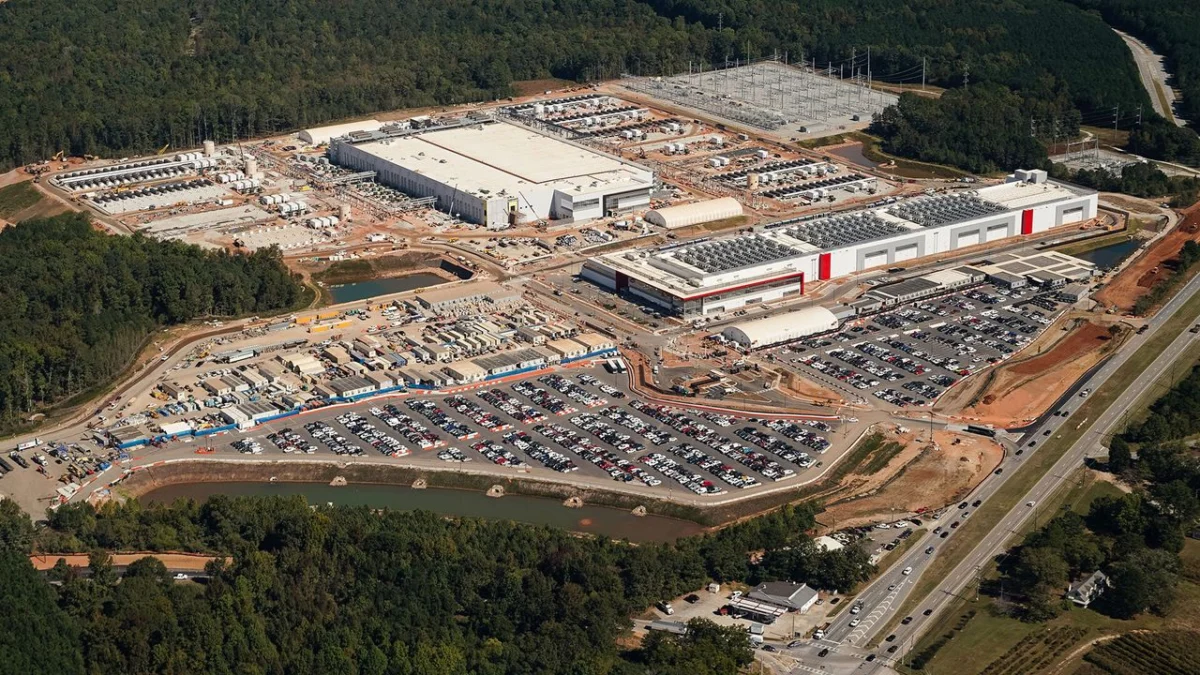
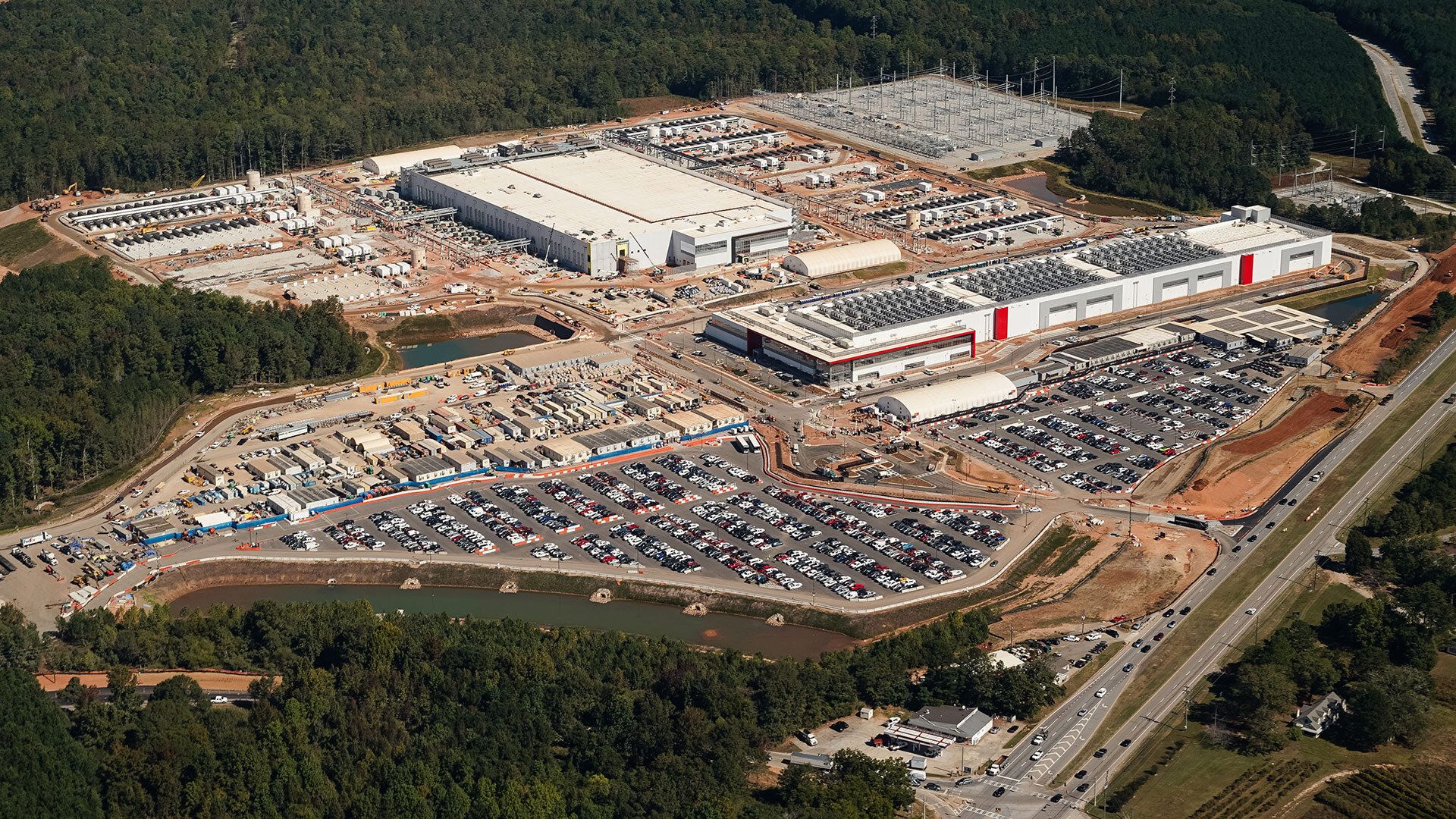
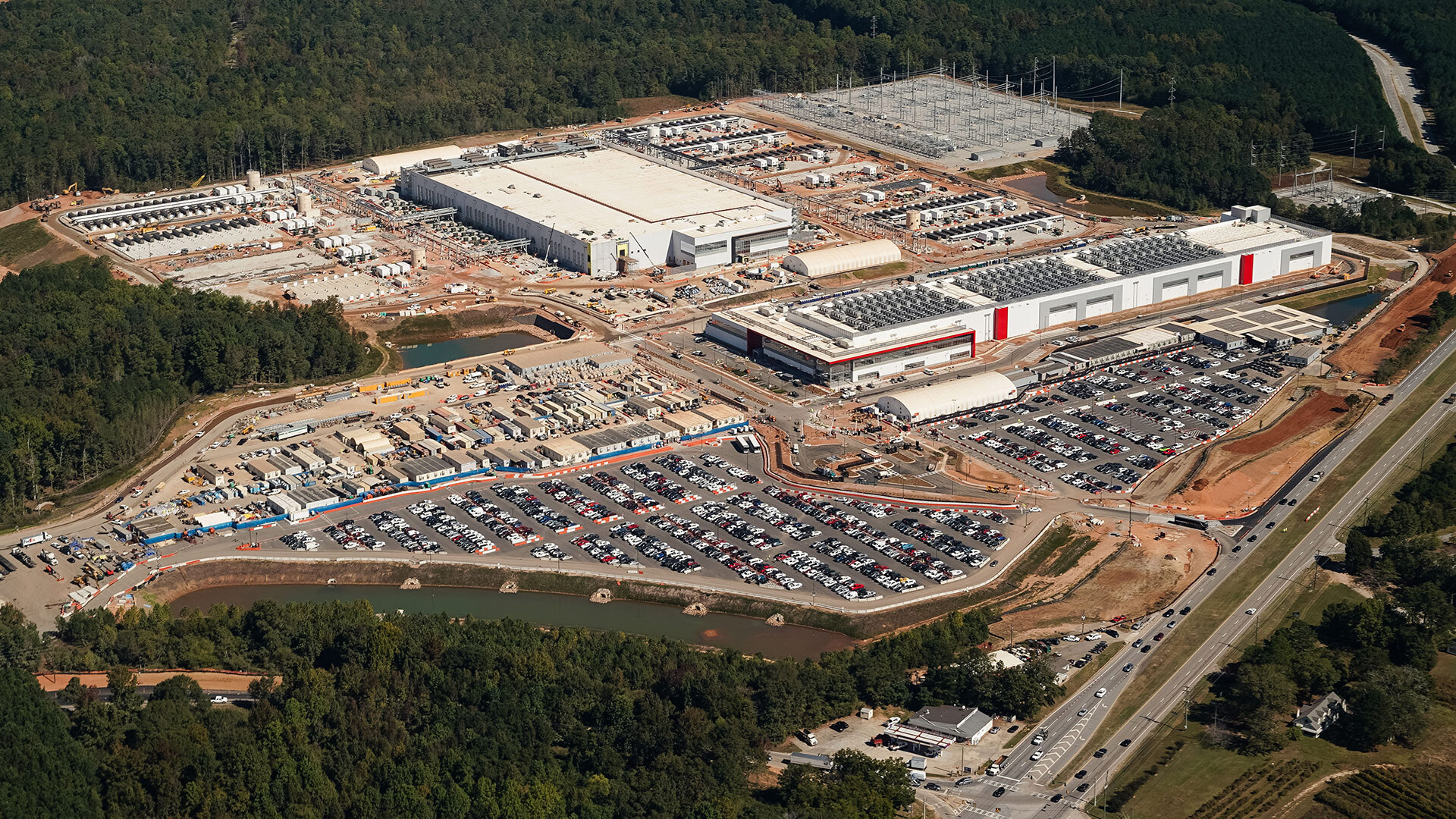
What they uncovered was not a leaking pipe or a faulty pump, but an unauthorized, unmetered connection point—or rather, two of them—feeding the massive QTS "Project Excalibur" campus. This sprawling 615-acre site, currently under development, had been silently consuming 29 million gallons of municipal water. To put this into perspective, that is enough water to fill approximately 44 Olympic-sized swimming pools.
Chronology of the Controversy
The timeline of the unmetered consumption remains a point of contention between the developer and the county.
- 2023: Construction begins on the QTS Fayetteville campus, envisioned as a multi-building data center hub.
- Late 2024–Early 2025: Discrepancies emerge in the county’s water accounting. While QTS claims the usage occurred over a period of 9 to 15 months, the county’s water system director, Vanessa Tigert, suggests the oversight lasted approximately four months.
- May 2025: A formal letter is sent from the utility to QTS, finally addressing the unmetered consumption and demanding payment for back-dated usage.
- Late 2025–Early 2026: A local resident files a public records request, bringing the correspondence to light and triggering widespread media scrutiny.
- Present: The city and the developer grapple with the fallout as the local community faces increasing pressure to conserve water amid a regional drought.
The Economic Engine vs. The Public Good
The "Project Excalibur" campus is a behemoth of modern industrial infrastructure. At its current stage, it comprises 13 buildings totaling 6.2 million square feet, with the master plan calling for a total of 16 buildings. QTS has pledged an investment of up to $1 billion in the region, a figure that understandably entices local officials tasked with broadening their tax base.
However, the "customer service" argument presented by the county’s utility director has sparked outrage. When asked why no fine was levied against a corporation for siphoning millions of gallons of water, Tigert told reporters, "They’re our largest customer, and we have to be partners. It’s called customer service."
This statement encapsulates the fundamental tension in many municipalities hosting hyperscale data centers: the conflict between the need for massive tax revenues—projected to be between $150 million and $200 million annually for Fayetteville—and the duty to protect the public’s access to vital natural resources.
Supporting Data: The Cost of Connectivity
The $147,474 bill that QTS was eventually asked to pay for the 29 million gallons of water represents a fraction of the facility’s overall budget, but the implications are far-reaching.
QTS has defended its actions by stating that the water was used for essential, though temporary, construction activities: dust control, site preparation, and large-scale concrete mixing. The company maintains that once the facility is fully operational, its footprint will be different. QTS champions a "closed-loop" cooling system, which they claim will minimize the need for municipal water by recirculating the cooling medium.
However, critics point out that even "closed-loop" systems are notorious for high evaporation rates and the need for significant "make-up" water. Furthermore, the argument that they will only require water for "domestic needs" once operational ignores the massive, continuous water footprint associated with large-scale data center operations, which often require constant cooling to keep servers within safe operating temperatures.
Regulatory Failure and Administrative Strain
The fact that these connections went undetected for months highlights a critical vulnerability in municipal oversight: administrative understaffing.
Vanessa Tigert admitted that her department operates with a single employee tasked with both site inspections and plan reviews. "We don’t have enough staff," she candidly acknowledged. "We can’t keep staff."
This lack of institutional capacity is a common thread in the rapid proliferation of data centers across the United States. Many small-to-mid-sized towns find themselves outmatched by the legal and engineering teams of multi-billion-dollar tech developers. When a developer builds at this scale, the burden of monitoring compliance often exceeds the capacity of the local municipality, creating an environment where errors—intentional or otherwise—can persist until they manifest as a crisis for the local residents.
Broader Implications: A National Movement of Resistance
Fayetteville is far from an outlier. The U.S. Data Center Moratorium Tracker currently notes that at least 50 cities across the country have implemented active bans on new data center construction. In four of these jurisdictions, the prohibitions are permanent.
The reasons for these bans are as varied as the regions themselves, but they almost always center on three pillars: electricity, water, and land use.
- Electricity: In many states, including Georgia, the rapid rise of data centers is forcing utility companies to hike rates for residential customers to pay for the grid expansion required to power these massive server farms. The Georgia Public Service Commission recently froze Georgia Power’s base rates through 2028 specifically to prevent this cost-shifting.
- Water: In the arid West and the drought-prone Southeast, the sheer volume of water required for cooling is becoming a non-starter for local communities already struggling with resource management.
- Local Opposition: The "Project Excalibur" controversy is fueling a wave of local activism. Residents in Fayetteville have already pushed for, and seen, the city council ban new data center development in all zoning districts via Ordinance 26-0-12.
Conclusion: The New Reality of Infrastructure Development
The QTS incident serves as a bellwether for the future of digital infrastructure. As the world becomes increasingly reliant on cloud computing and generative AI, the physical footprint of these technologies will only expand. However, the "wild west" era of data center development, where companies could rely on loose oversight and municipal cooperation to bypass scrutiny, is coming to an end.
For municipalities, the lesson is clear: the influx of tax revenue comes with a high cost of governance. To protect their citizens, cities must invest in the expertise required to monitor, regulate, and hold accountable the massive industrial entities that operate within their borders. For developers, the lesson is equally stark: the license to operate is not a permanent grant, and in an era of climate uncertainty and public awareness, transparency is no longer optional—it is a prerequisite for survival.
As Georgia faces a state of emergency due to drought and wildfires, the competition for every gallon of water will only intensify. The residents of Fayette County are no longer just asking for their lawns to be watered; they are asking for a seat at the table where the future of their community’s resources is decided. And as it turns out, they are far from alone in that fight.











No comments yet. Be the first to join the conversation!