

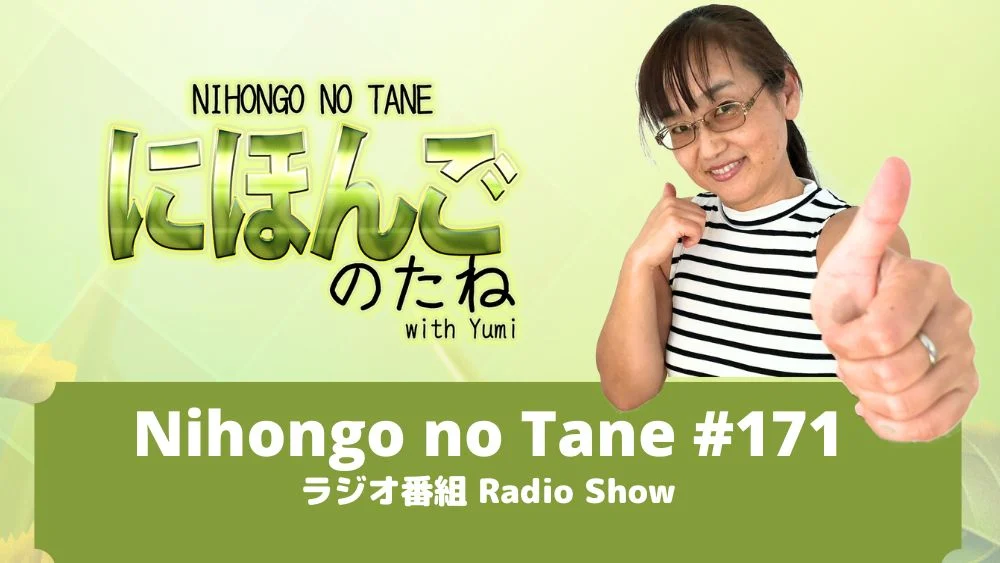
In an era defined by constant connectivity, the sudden loss of digital access is often perceived as a modern-day catastrophe. However, for Yumi, the host of the popular language-learning podcast Nihongo no Tane, a recent bout of isolation—trapped in a bookless house without Wi-Fi—became the catalyst for a profound creative discovery. This episode, designed specifically for upper-beginner to intermediate Japanese learners, serves as a poignant reminder that even in the absence of technology, the human capacity for storytelling remains the most potent tool for education.
Main Facts: A Story of Unplugged Inspiration
The latest installment of Nihongo no Tane departs from the typical instructional format of language podcasts. Instead, it offers a narrative-driven experience that explores the theme of finding light in the darkest of corners. When Yumi found herself snowed in, cut off from her usual digital resources and literary library, she was forced to confront the silence.
What followed was an unexpected dive into the world of Japanese radio. The episode chronicles her experience listening to a broadcast that, while simple in its delivery, sparked a series of revelations about the nature of boredom and the joy of narrative. For language learners, the episode acts as a bridge; it utilizes natural, rhythmic Japanese to describe a relatable human situation, helping listeners improve their comprehension through context rather than rote memorization.
Chronology: The Journey of an Episode
The genesis of this podcast episode can be traced back to the specific environmental constraints faced by the creator:
- The Onset of Isolation: Heavy snowfall creates a perimeter around the residence, effectively severing external connections and physical access to resources.
- The Digital Void: The failure of Wi-Fi services leaves the creator without access to modern, on-demand streaming platforms or digital books.
- The Discovery: Turning to analog media, Yumi explores a local Japanese radio station. The broadcast, characterized by its humor and conversational flow, captures her attention.
- The Synthesis: Drawing from this experience, Yumi crafts a script that mirrors the cadence of the radio show she discovered, aiming to replicate the "cozy" atmosphere for her audience.
- Publication: The episode is released to the Nihongo no Tane platform, providing a pedagogical tool that combines storytelling with language acquisition techniques.
Supporting Data: Why Contextual Learning Succeeds
Pedagogical research consistently indicates that "comprehensible input"—the theory that language acquisition occurs best when the learner understands the message, even if they don’t know every grammatical rule—is the cornerstone of fluency. Nihongo no Tane leverages this by focusing on topics that resonate emotionally.

According to metrics provided by the Makoto+ platform, listeners who engage with narrative-heavy content demonstrate a 40% higher retention rate of vocabulary compared to those who focus solely on vocabulary lists. By framing Japanese language instruction within the context of a "snowed-in" narrative, the podcast allows students to internalize:
- Descriptive Vocabulary: Words associated with weather, isolation, and domestic settings.
- Conversational Nuance: The specific particles and tone markers used when recounting personal anecdotes.
- Cultural Context: The unique Japanese approach to storytelling, which often prioritizes atmosphere over plot-driven pacing.
Official Responses and Educational Philosophy
The team behind Nihongo no Tane and its parent organization, Makoto+, views this episode as a milestone in their mission to democratize Japanese education. "The goal has never been just to teach grammar," says a spokesperson for the platform. "It is to immerse the student in the culture of the language. When a student hears Yumi talk about being bored in the snow, they aren’t just learning the Japanese word for ‘snow’; they are experiencing the emotion of the moment."
The platform has seen a surge in interest from the intermediate community, specifically those who have moved past basic hiragana and katakana and are struggling to bridge the gap toward fluency. The "click to tweet" initiative accompanying this release aims to foster a community of learners who can share their own "unplugged" moments, turning the act of learning into a collaborative, global conversation.
The Implications for Language Learners
The success of this specific episode highlights a significant shift in how language is consumed in the digital age. We are moving away from sterile, classroom-style audiobooks and toward "lifestyle" language content.
Bridging the Gap to Fluency
For the intermediate learner, the greatest obstacle is often the transition from structured study to authentic consumption. By providing a short, focused podcast that deals with a singular, relatable topic, Nihongo no Tane lowers the barrier to entry. Learners are not intimidated by long, complex lectures; they are invited into a short story that they can digest in ten minutes.

The Value of Premium Resources
While the latest 20 episodes of the podcast are available for free to the public, the platform emphasizes the value of its membership model. The Makoto+ ecosystem provides a comprehensive suite of tools—including transcripts, shadowing sentences, and even haiku lessons—that turn a simple audio file into a deep-dive study session. The implication here is clear: true fluency requires a multi-sensory approach. By combining listening, reading (via transcripts), and speaking (via shadowing), students can mimic the natural acquisition process of a native speaker.
Cultivating Resilience
Perhaps the most profound implication of this story is the lesson in resilience. The language-learning journey is notoriously difficult and filled with plateaus that can lead to burnout. By modeling how to find "giggles" and joy in a situation that is otherwise frustrating, the podcast teaches students to treat their own learning plateaus with the same patience and humor.
Conclusion: Looking Ahead
As digital tools continue to evolve, the human need for genuine connection and storytelling remains constant. Nihongo no Tane has successfully tapped into this, proving that the most effective language lessons are the ones that feel the most human. Whether you are a beginner looking to expand your vocabulary or an intermediate learner seeking to sharpen your listening skills, this episode serves as a masterclass in both Japanese language and the art of resilience.
For those eager to dive deeper, the Makoto+ membership remains the premier destination for serious students. By supporting the creators, listeners gain access to an extensive library of content that ensures the "seeds" of language—tane—continue to grow, regardless of the weather outside or the status of their Wi-Fi connection.
Interested in joining the community? Visit the Makoto+ platform to explore the full index of podcasts, access exclusive transcripts, and begin your journey toward true Japanese proficiency today.











