

In the volatile ecosystem of modern Hollywood, the relationship between filmmakers and film critics has always been fraught with tension. However, the recent public outburst from Mortal Kombat II producer Todd Garner has reignited a perennial debate: do film critics have a responsibility to be "fans" of the source material, or is a movie’s quality determined by its merits as a standalone piece of cinema?
Garner, a veteran producer whose credits range from box-office sensations like Paul Blart: Mall Cop to cult-classic oddities like The Master of Disguise, recently took to X (formerly Twitter) to express his exasperation regarding the critical reception of his latest project, Mortal Kombat II. Despite the film enjoying a generally positive trajectory with both audiences and a significant portion of the critical establishment, Garner’s decision to publicly call out reviewers has sparked a firestorm of discussion across social media platforms.
The Catalyst: A Clash of Expectations
The conflict began shortly after the release of Mortal Kombat II, which serves as a direct sequel to the 2021 reboot and aims to satisfy long-standing fan demands for a more faithful adaptation of the iconic fighting game franchise.
While the film is currently enjoying a 68% critical approval rating on Rotten Tomatoes—a stark contrast to the mixed reception of its predecessor—a subset of negative reviews evidently hit a nerve with the production team. Garner specifically took issue with critiques that appeared to lack a fundamental understanding of the game’s lore, canon, and aesthetic sensibilities.
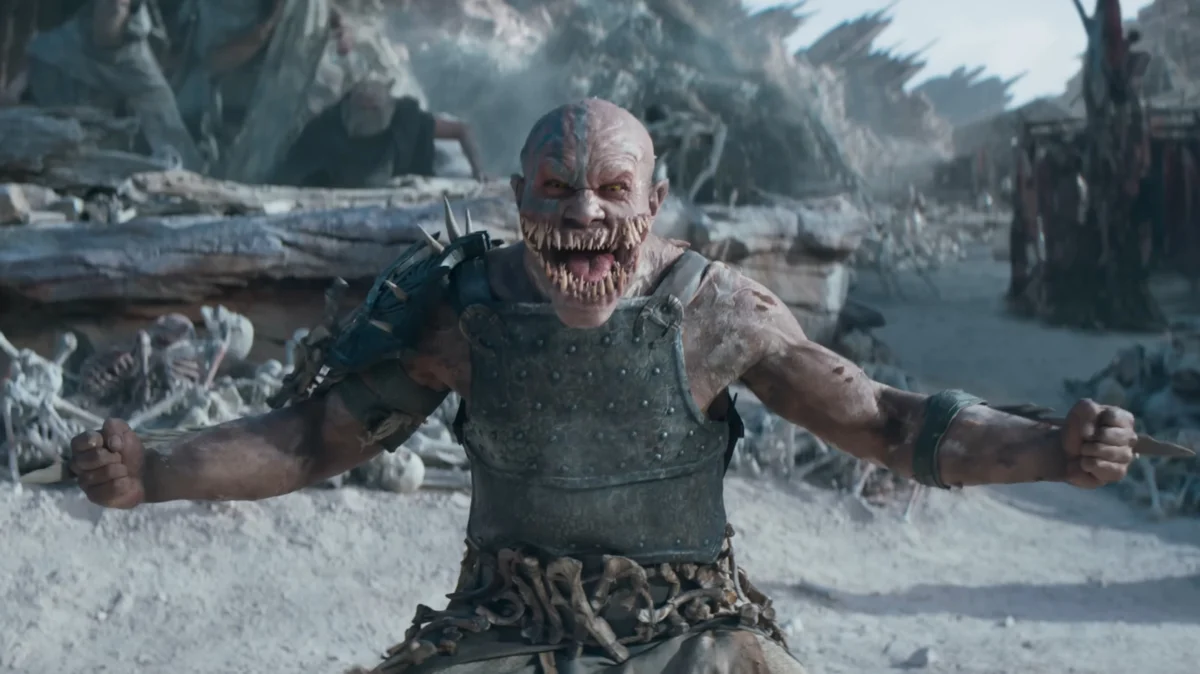
In his social media post, Garner remarked, "Some of these reviews are cracking me up. It’s clear they have never played the game and have no idea what the fans want or ANY of the rules/canon of Mortal Kombat. One reviewer was mad that a guy ‘had a laser eye!’ Why the f**k do we still allow people that don’t have any love for the genre review these movies! Baffling."
This outburst highlights a central tension in the era of intellectual property (IP) filmmaking: the struggle to balance the "gatekeeping" of dedicated fanbases with the broad, objective standards of professional film criticism.
A Chronology of the Mortal Kombat Cinematic Journey
To understand why emotions are running high, one must look at the recent history of the Mortal Kombat franchise on the big screen.
The 2021 Reboot: A Shaky Foundation
The 2021 Mortal Kombat film, directed by Simon McQuoid and produced by Garner, was met with significant anticipation. However, it faced heavy scrutiny for its structural choices. Critics, including /Film’s own Chris Evangelista, labeled it an "underwhelming video game adaptation." The primary grievance among the fanbase was the omission of the actual tournament—the central premise that defines the games. The film was viewed by many as an "origin story" that failed to deliver the catharsis of the source material.
The Course Correction
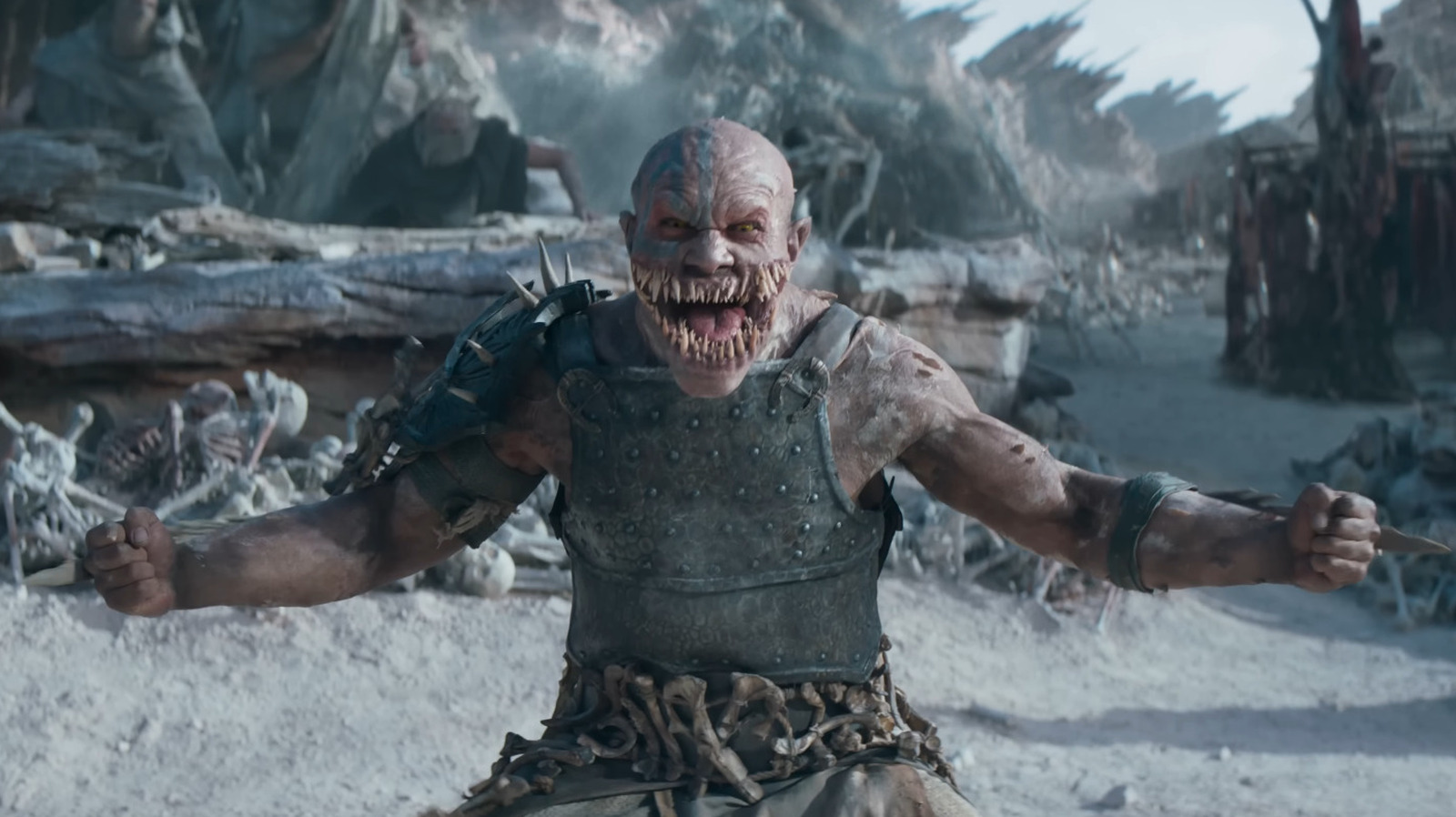
Recognizing the feedback, the production team went into Mortal Kombat II with a clear objective: provide the fans with what was missing. The sequel introduces fan-favorite characters like Johnny Cage (played by Karl Urban) and leans heavily into the tournament structure that defines the franchise. The narrative pits the champions of Earthrealm against the forces of Shao Kahn in a high-stakes, hyper-violent display of martial arts fantasy.
The Current Standoff
Upon release, the sequel was largely embraced as an improvement. Bill Bria of /Film described it as a "(mostly) flawless victory," echoing the sentiments of the 90% of audiences who rated the film positively on Rotten Tomatoes. Yet, despite this "win," Garner’s focus remained fixed on the dissenting 32% of critics. By choosing to focus on the negative, the producer has inadvertently turned a victory lap into a battleground.
Supporting Data: The Disconnect Between Critics and Audiences
The current data suggests a significant divide in how Mortal Kombat II is perceived.
| Metric | Rating |
|---|---|
| Rotten Tomatoes (Critics) | 68% |
| Rotten Tomatoes (Audience) | 90% |
| Common Critical Praise | Improved action, faithful to source material |
| Common Critical Complaints | Narrative thinness, reliance on game-specific logic |
Garner’s frustration seems rooted in a belief that critics who complain about specific elements—such as Kano’s "laser eye"—are revealing their ignorance of the source material. However, this raises a fundamental question: Is a movie’s success defined by its ability to replicate a game, or its ability to tell a coherent story to a general audience?
Critics argue that even within a genre film, the internal logic must be established clearly for the viewer. If a character’s defining trait feels bizarre to an uninitiated viewer, the film may have failed in its "world-building" rather than the critic failing in their "genre appreciation."
Official Responses and the "Filmmaker vs. Critic" Dynamic
History is replete with filmmakers who have clashed with the critical establishment. Kevin Smith, for instance, famously avoided screening his early films for critics, viewing them as an unnecessary hurdle. Over time, Smith developed a more nuanced relationship with the critical community, eventually recognizing that their role is distinct from that of the creator.
Todd Garner’s comments align with a growing trend of producers and directors using social media to bypass traditional publicity and address critics directly. This "direct-to-consumer" approach can be empowering, but it also carries risks.
When a producer with a successful, well-reviewed film takes to X to rage at a small segment of negative reviews, it can come across as defensive or out of touch with the broader success of the project. As one industry analyst noted, "When you have a 90% audience score and a 68% critical score, you have essentially won the lottery in the video game adaptation genre. To get stuck in the mud of a few negative reviews is to miss the forest for the trees."
The Implications: Where Does the Industry Go From Here?
The implications of this incident are twofold.
First, it suggests a narrowing gap in the expectations for film criticism. As video game adaptations become a pillar of modern blockbuster cinema—following the massive success of projects like The Last of Us and The Super Mario Bros. Movie—the industry is beginning to demand critics who understand the language of games. Some studios may even start tailoring press junkets to include influencers and gaming journalists who possess the "fan knowledge" that Garner feels is currently missing from traditional outlets.
Second, it highlights the psychological toll of the "Rotten Tomatoes" era. For filmmakers, the constant pressure of aggregator sites can be suffocating. Every review, no matter how small, is distilled into a binary "Fresh" or "Rotten," stripping away the nuance of the writing. It is understandable why a producer who has poured years of work into a project would feel protective of its integrity when faced with what they perceive as uninformed criticism.
However, the industry standard remains that once a film is released, it enters the public domain of discourse. The role of the critic is to provide a lens through which an audience can interpret a film. Sometimes that lens is sharpened by deep knowledge of the lore, and sometimes it is sharpened by an outsider’s perspective on the film’s craft.
Final Thoughts: Taking the Win
As Mortal Kombat II continues its run in theaters, the dust will likely settle on the online debate. Garner’s frustration, while born from a place of passion for his project, serves as a reminder of the fragility of the creative process.
In an era where video game adaptations are finally shedding their reputation for being low-quality "cash grabs," Mortal Kombat II represents a significant step forward. It has satisfied the core demographic and, for the most part, kept the critics satisfied as well. Perhaps the most professional path forward for any filmmaker in this position is to acknowledge the feedback, embrace the fans, and accept that in the world of cinema—just like in the world of Mortal Kombat—you cannot win every single fight.
The lesson here is simple: when the audience is cheering and the box office is healthy, sometimes the best move is to step away from the keyboard and take the win.









No comments yet. Be the first to join the conversation!