

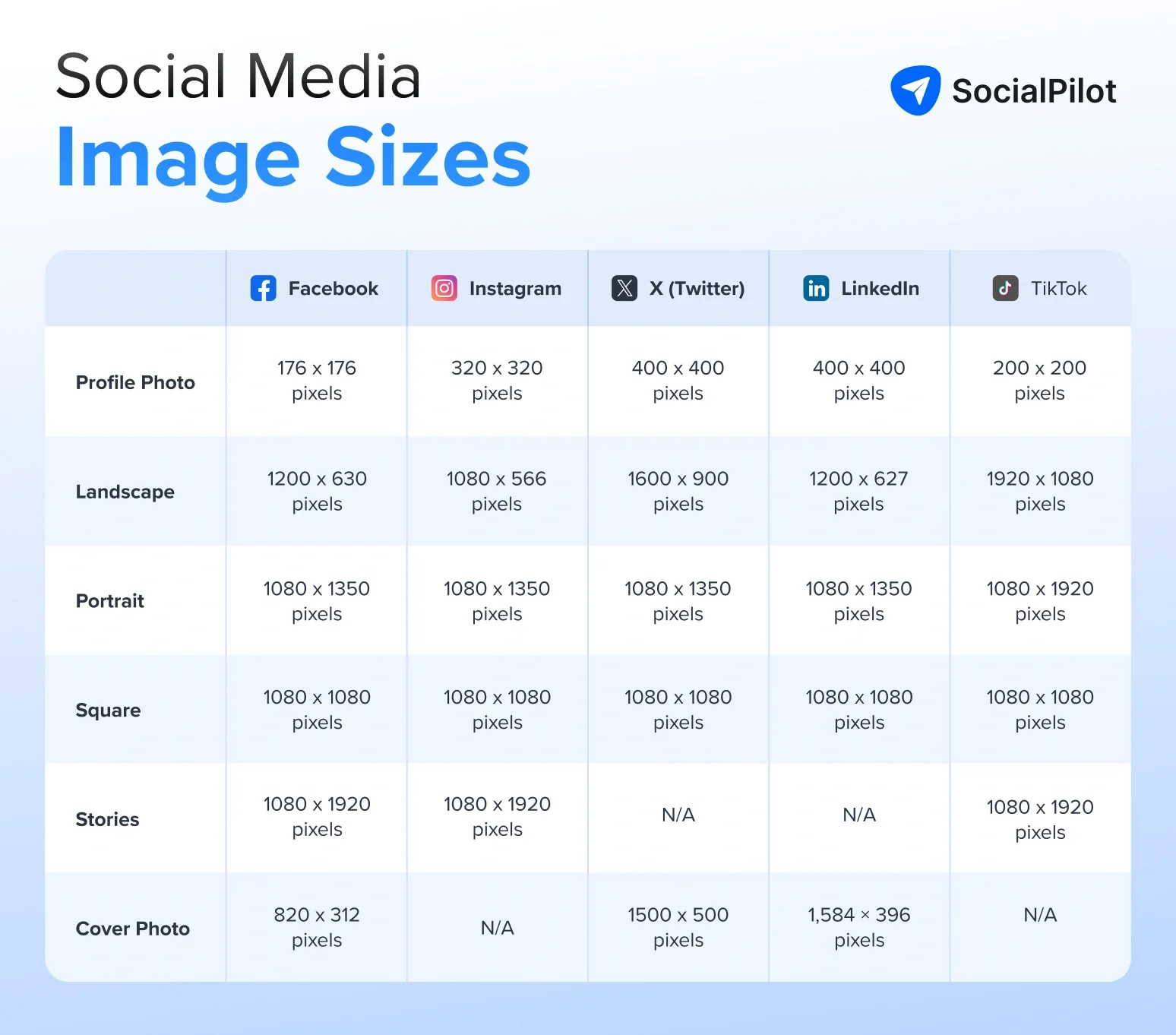
Navigating the digital landscape is an exercise in precision. For marketers, creators, and business owners, the difference between a scroll-stopping masterpiece and an overlooked post often comes down to a few hundred pixels. As social platforms continue to refine their algorithms, the visual fidelity of your content serves as a primary signal for engagement.
Awkward crops, pixelated logos, and distorted product photos are more than aesthetic failures—they are indicators of poor brand management. This guide provides a 2026-ready, comprehensive breakdown of social media image dimensions across the most influential platforms, ensuring your content is optimized for maximum reach and professional impact.

The Strategic Importance of Aspect Ratios and Resolution
In 2026, the "one-size-fits-all" approach to social media is officially obsolete. Platforms are increasingly prioritizing vertical and immersive formats, shifting the focus from static pixel counts to dynamic aspect ratios. While pixel dimensions provide the baseline for clarity, understanding how your content renders across different device orientations—desktop (horizontal) versus mobile (vertical)—is the core of effective social media management.
Facebook, Instagram, and even newer entrants like Bluesky do not simply stretch your images; they often perform aggressive cropping. Designing with "safe zones" in mind—keeping critical text and subjects centered—is the most effective way to future-proof your visual strategy.
1. Facebook: Navigating Multi-Device Display
Facebook remains the world’s most versatile social network. Because it is accessed from everything from massive desktop monitors to budget smartphones, your images must be responsive.
Key Dimensions
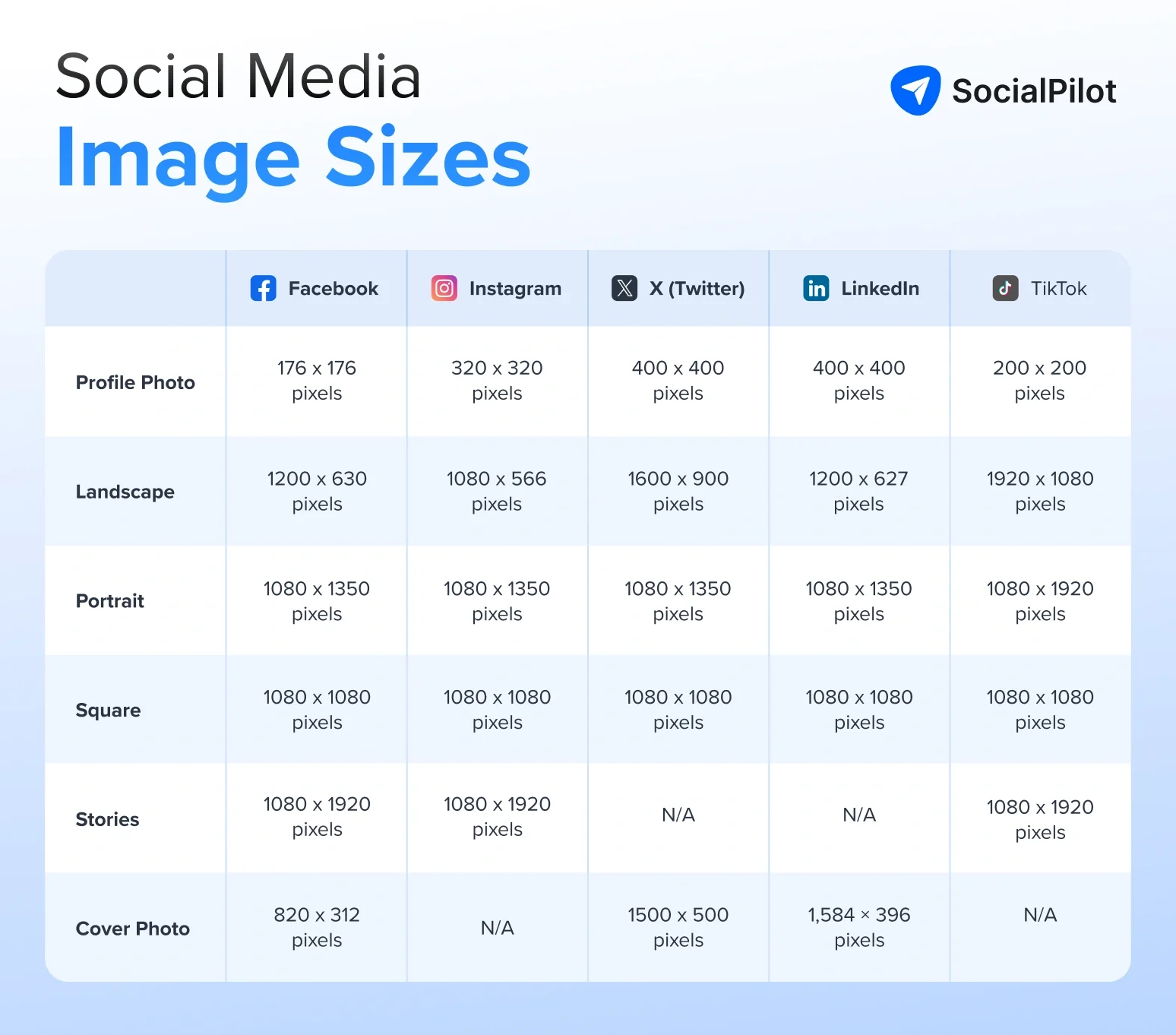
- Profile Picture: Displays at 170×170 pixels on computers and 128×128 on smartphones. Always upload at 720×720 pixels for high-resolution clarity.
- Cover Photo: The golden ratio is 851×315 pixels. On mobile, this will crop to 640×360, so keep your messaging centered.
- Feed Posts: A landscape ratio of 1200×630 pixels is standard, but square (1080×1080) often performs better in mobile feeds.
- Stories: Maintain a 9:16 aspect ratio (1080×1920 pixels).
Strategic Implication: The Facebook algorithm favors content that encourages meaningful interaction. If your cover photo is cluttered or your link previews are cut off, users are less likely to perceive your brand as a professional entity worth engaging with.

2. Instagram: The Era of the Grid
Instagram’s evolution in 2025 and 2026 has been marked by a move toward taller, more immersive visuals. The profile grid, once strictly 1:1, now leans into a 3:4 aspect ratio.
Essential Specifications
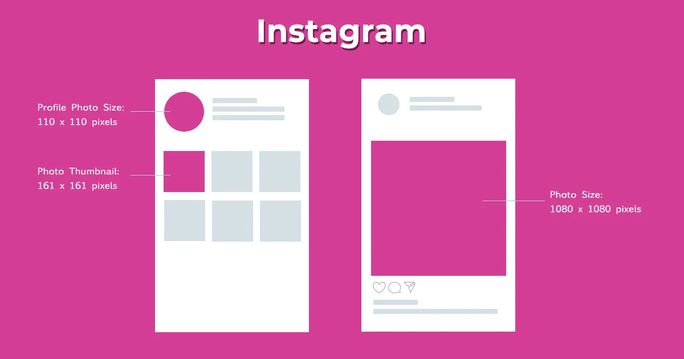
- Profile Picture: Upload at 320×320 pixels.
- Feed (Portrait): 1080×1350 pixels (4:5 ratio) remains the gold standard for high engagement.
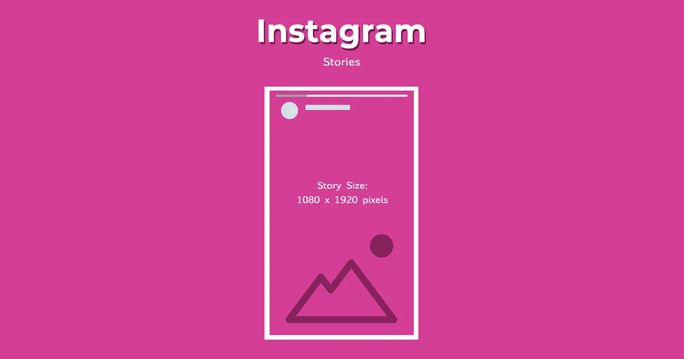
- Stories/Reels: 1080×1920 pixels (9:16).
- Reel Covers: Crucially, these appear as 3:4 on the grid. Always keep your primary focal point within the center 1080×1350 zone.
Supporting Data: With over 2 billion monthly active users, Instagram’s ephemeral "Stories" feature has become the primary discovery engine for brands. Using high-resolution, vertical-first content ensures your brand remains part of the continuous, frictionless scroll.
3. X (Twitter): Maintaining Professional Persona
Twitter’s visual style is minimalist but unforgiving. With the platform’s focus on real-time conversation, your header and profile picture are your "digital storefront."
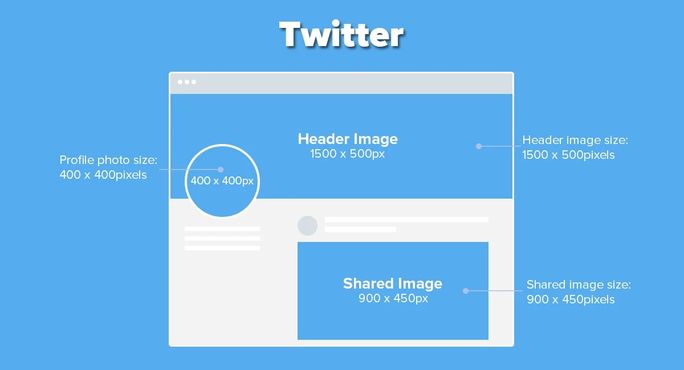
- Header: 1500×500 pixels. Keep text and logos in the center to avoid being obscured by the profile icon.
- In-Stream: 1200×675 pixels (16:9 ratio).
Strategic Tip: X is a text-heavy environment. Use your images to provide context or visual relief. A high-quality, 16:9 image attached to a post often increases click-through rates by up to 30%.
4. LinkedIn: The B2B Standard
LinkedIn is the primary arena for professional authority. Images here must be clean, corporate-appropriate, and high-fidelity.
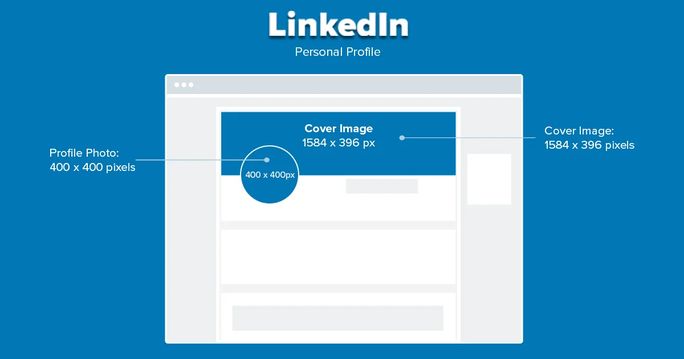
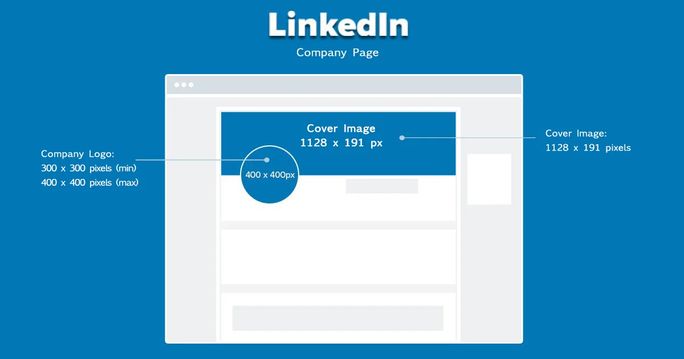
- Company Logo: 300×300 pixels.
- Company Cover: 1128×191 pixels.
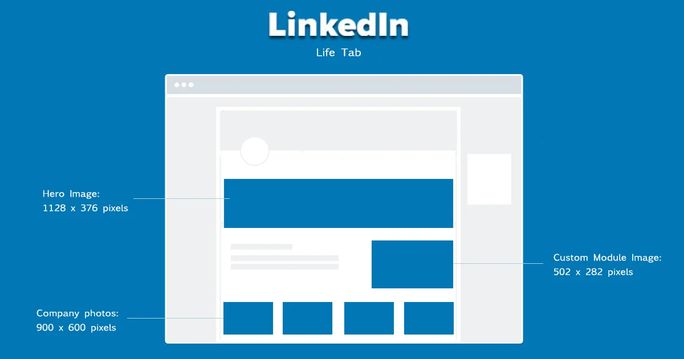
- Shared Link/Post Image: 1200×627 pixels.
Implication: When sharing blog posts or whitepapers, the link preview image is the first thing a potential B2B lead will see. If it is blurry or improperly cropped, it diminishes the perceived value of the content.
5. TikTok & Short-Form Video Platforms
TikTok is the most "mobile-native" platform in existence. While video is king, static photo carousels have become a massive driver of traffic.
- Profile: 200×200 minimum, 400×400 recommended.
- Carousel Posts: 1080×1920 pixels. TikTok’s carousel mode supports up to 35 images, making it an excellent tool for educational "slideshow" content.
6. YouTube: Beyond the Video
YouTube is not just a video host; it is a search engine. Your channel banner and video thumbnails are critical for SEO and click-through optimization.
- Banner: 2560×1440 pixels (with a "safe zone" of 1546×423 pixels for mobile devices).
- Thumbnails: 1280×720 pixels.
Chronology of Changes: YouTube has increasingly moved toward "Podcast" content, requiring a secondary square thumbnail format for playlist artwork. If you are a content creator, ensure your podcast artwork meets these square specifications to align with industry standards found on Apple and Spotify.
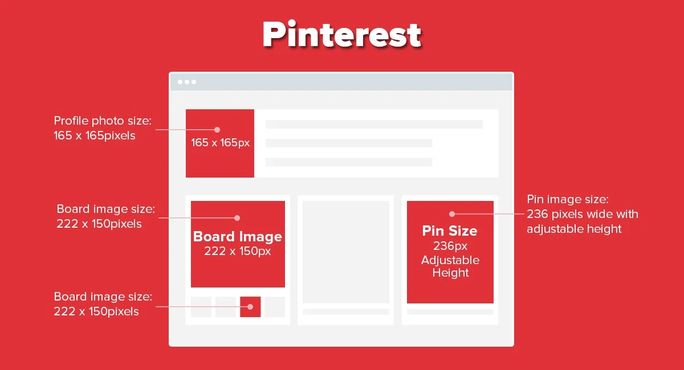
7. Pinterest: Driving Referral Traffic
Pinterest is a visual discovery engine. Unlike other platforms, vertical images are the primary currency here.
- Pins: 1000×1500 pixels (2:3 ratio).
- Story Pins: 1080×1920 pixels.
Implication: Pinterest users are planners. They look for high-aesthetic, clear, and informative images. A poorly sized pin is essentially invisible to the search algorithm.
8. Google Business Profile (GBP)
For local businesses, your GBP is often the first point of contact for customers using Google Maps or Search.
- Logo: 720×720 pixels.
- Cover: 1024×576 pixels.
- Post Images: 1200×900 pixels.
Official Response: Google prioritizes high-quality, authentic imagery. Blurry or stock-heavy images can lead to lower visibility in the "Map Pack," directly impacting foot traffic and local SEO.
9. Threads & Bluesky: The Decentralized Future
The rise of decentralized social media (Bluesky) and text-centric platforms (Threads) has brought a renewed focus on "authentic" photography over hyper-polished corporate graphics.

- Threads Post Image: Supports multiple ratios, but 1080×1080 (square) or 1080×1350 (portrait) are standard.
- Bluesky Header: 1500×500 pixels (3:1).
- Bluesky Post: Highly flexible, but standard landscape (1200×627) performs best for link previews.
Technical Tips for Optimal Performance
Regardless of the platform, the technical execution of your images determines their load time and visual quality.
File Type Selection
- PNG: Best for images with text, logos, or solid color blocks. It preserves crisp edges but results in larger file sizes.
- JPG: Best for photography and complex images. It is highly efficient for web display, though it may lose some quality if compressed too heavily.
The Importance of Compression
Large image files are the silent killers of engagement. A 5MB image might look great, but it will lag on mobile networks, causing users to scroll past before it even loads. Use tools like TinyPNG or built-in optimization settings in Adobe Creative Cloud to keep files under 1MB whenever possible without sacrificing visual integrity.

Future-Proofing Your Strategy
The most effective way to manage these requirements is to adopt a "Vertical First" design philosophy. As we head further into 2026, mobile-first design is no longer an option—it is the baseline.
By utilizing integrated management tools like SocialPilot, you can centralize your workflow, allowing for automatic image cropping and optimization. This prevents the manual labor of resizing for twelve different platforms and ensures that every post—from a LinkedIn B2B update to a TikTok carousel—is perfectly optimized for its unique environment.
Final Thought: Your visual strategy is the heartbeat of your digital presence. By mastering these dimensions and adhering to platform-specific best practices, you aren’t just posting pictures—you are crafting a cohesive, high-performance brand identity that commands attention in an increasingly crowded digital world.











No comments yet. Be the first to join the conversation!