

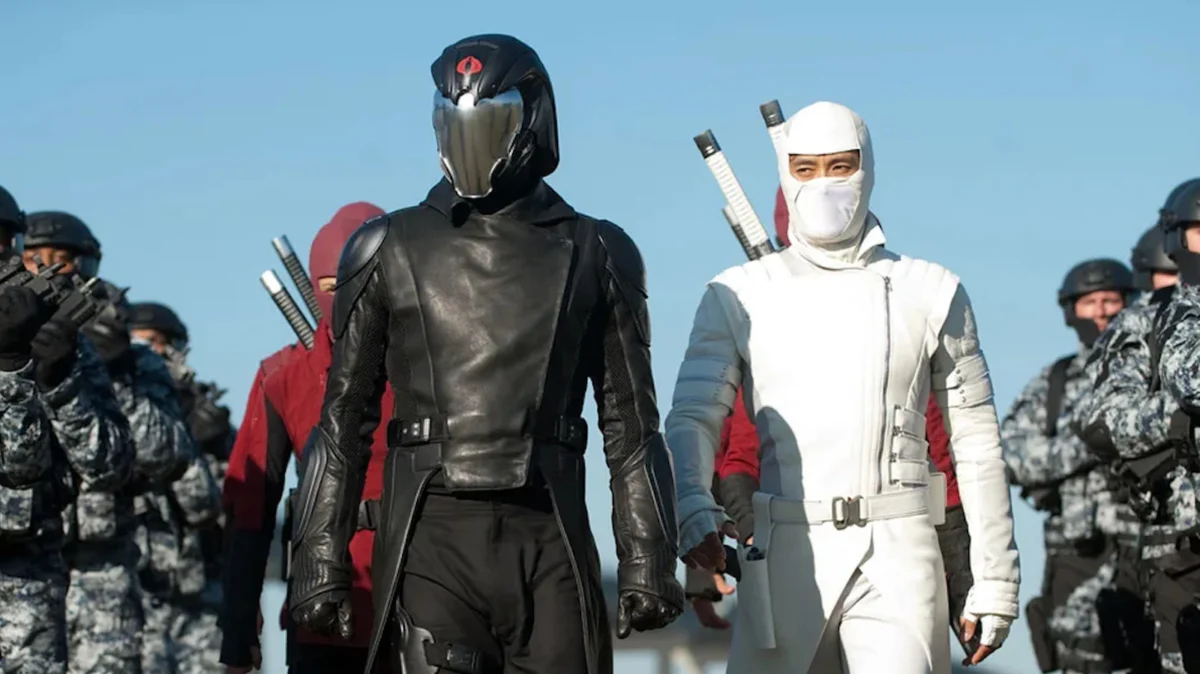
Paramount Pictures has officially set the stage for a new era of the G.I. Joe franchise, announcing that comedy powerhouse Danny McBride is stepping into the director’s chair. This move represents a significant pivot for both the studio and the filmmaker, as the creator of The Righteous Gemstones and Eastbound & Down looks to revitalize the long-dormant property.
The announcement, which confirms that McBride will transition from his successful television writing and acting career to big-budget feature film direction, has sparked widespread industry buzz. With the studio actively seeking to cultivate a reliable stable of blockbuster intellectual properties (IP), the pressure on McBride to deliver a high-octane, commercially viable entry is immense.
The Evolution of the G.I. Joe Franchise
The G.I. Joe brand has had a tumultuous history on the big screen. Following the initial success of 2009’s G.I. Joe: The Rise of Cobra, the studio attempted to sustain momentum with the 2013 sequel G.I. Joe: Retaliation. However, the franchise struggled to find a consistent creative identity in the years that followed.
The 2021 release of Snake Eyes served as a soft reboot/prequel, but it failed to resonate with both critics and audiences, underperforming at the global box office. This left the future of the Real American Heroes in limbo. Paramount’s decision to move forward with two concurrent projects—one written by Max Landis and another by Danny McBride—indicated a "throw everything at the wall" approach. The fact that the studio has now tapped McBride to direct his own script marks a definitive shift toward a singular, auteur-driven vision rather than a committee-led production.
Chronology of a Passion Project
Danny McBride’s involvement in the G.I. Joe universe is not a sudden studio hire, but rather the culmination of a lifelong obsession. In a candid conversation on the Happy Sad Confused podcast, McBride revealed the depth of his fandom, noting that G.I. Joe was the foundational piece of pop culture for his childhood—surpassing even the cultural juggernaut of Star Wars.
The development timeline for this project began as an unconventional pitch. McBride originally proposed a narrative focused exclusively on the Dreadnoks, the colorful, COBRA-aligned biker gang. Paramount executives, however, saw the potential for a larger, more traditional franchise play and steered him toward a comprehensive reboot.
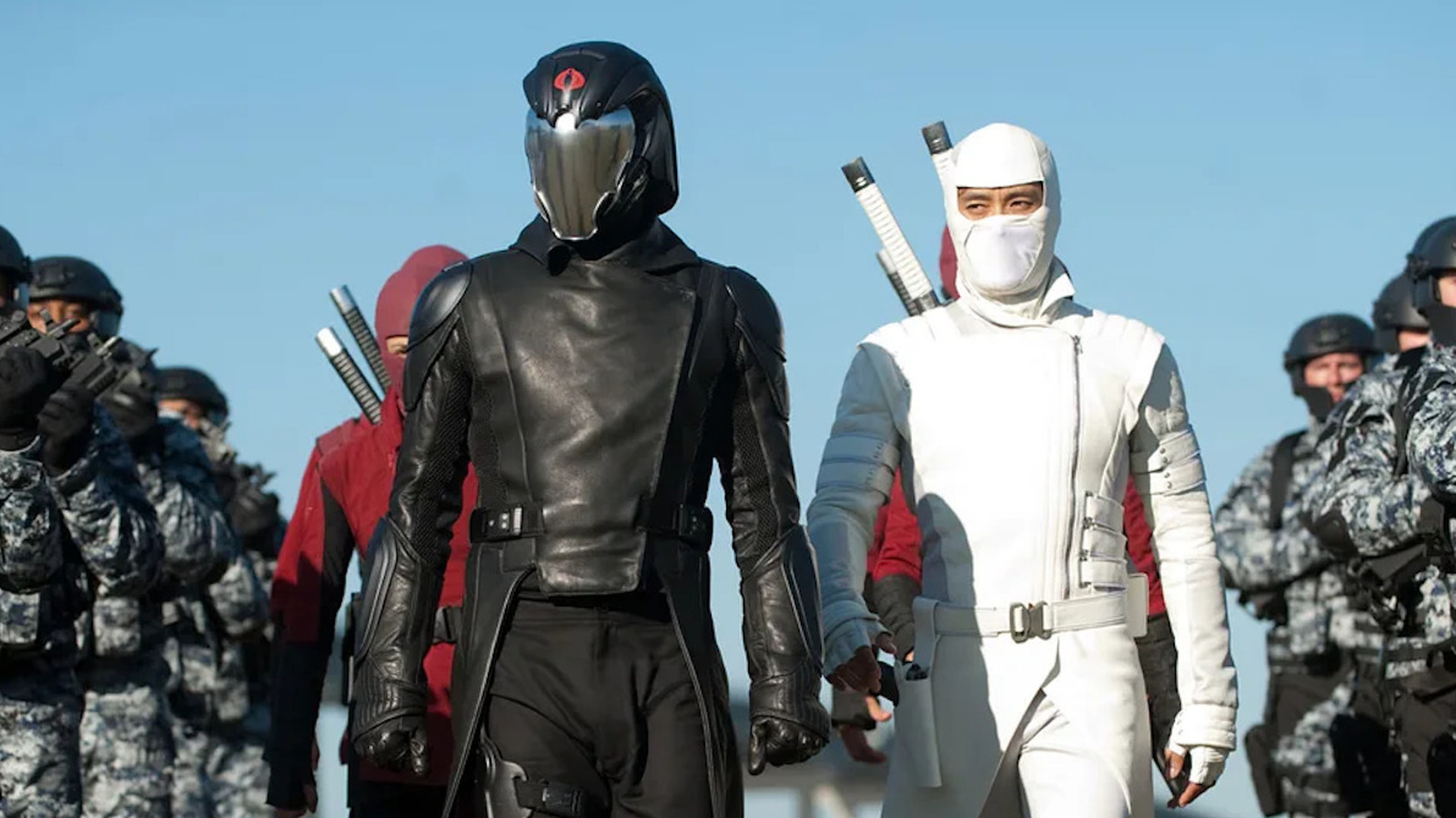
Working alongside his frequent collaborators Jeff Fradley and John Carcieri—the same creative trio behind the acclaimed HBO series The Righteous Gemstones—McBride has been quietly developing a screenplay that moves away from the tongue-in-cheek humor of his past work. The team has specifically centered their narrative on the iconic comic book location of Springfield: a town that appears suburban and mundane but is, in reality, a clandestine stronghold for the terrorist organization COBRA.
A Strategic Shift: Why McBride?
While McBride is primarily known for raunchy, character-driven comedies, industry insiders point to his diverse portfolio as evidence of his suitability for the director’s chair. His early foray into genre filmmaking, co-writing the fantasy-comedy Your Highness, showed an appreciation for world-building, while his involvement in the modern Halloween trilogy demonstrated a mastery of high-tension suspense and franchise stewardship under the Blumhouse banner.
Furthermore, his work on The Righteous Gemstones has been praised for its visual scope. McBride has helmed several episodes of the series, demonstrating a keen eye for staging large-scale sequences and balancing shifting tones. This ability to juggle farce with genuine stakes is exactly what a G.I. Joe film requires; the franchise is inherently campy, yet the best adaptations treat the threat of COBRA with absolute, terrifying seriousness.
Supporting Data: The Franchise Challenge
Paramount is under significant pressure to reinvigorate its IP portfolio. In the current theatrical landscape, where mid-budget films struggle to find audiences, established brands like G.I. Joe are essential for studio survival.
According to box office tracking data, the previous G.I. Joe films suffered from a "tonal identity crisis." Critics frequently noted that the films felt caught between the serious military thriller tropes of the 1980s and the glossy, stylized action aesthetic of the early 2000s. McBride’s approach—which he describes as "grounded"—suggests a desire to move toward a grittier, more tactile form of action cinema. By focusing the narrative on the infiltration of Springfield, McBride is prioritizing a "thriller" structure over the "spectacle-first" approach that hampered previous iterations.
Official Responses and Casting Rumors
While the studio has remained tight-lipped regarding the official cast list, rumors are already circulating about who might join McBride in his cinematic mission. McBride has confirmed that the casting process is well underway, though he remains coy about specific names.
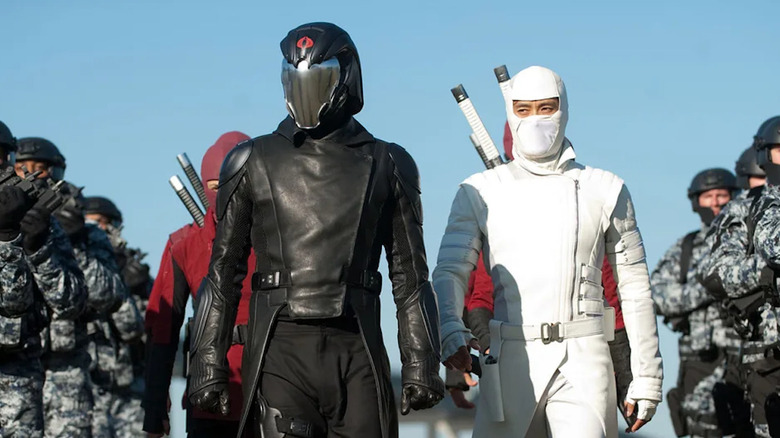
Speculation regarding the cast naturally gravitates toward McBride’s inner circle of collaborators. Walton Goggins, a frequent fixture in McBride’s projects, is already being pegged by fans as the perfect choice for the eccentric and rugged Snow Job. Furthermore, there is the lingering question of whether Channing Tatum, who played the fan-favorite Duke in the early films, might be convinced to return for a cameo or a supporting role. Given the positive reception to Tatum’s legacy in the franchise, his involvement would provide a critical bridge between the old films and this new iteration.
Implications for the Future of Action Cinema
The decision to hire a director with a background in comedy for a major military-action property is part of a growing trend in Hollywood. Directors like Taika Waititi (Thor: Ragnarok) and the Russo Brothers (Community) have proven that comedic sensibilities often translate into better pacing and more humanistic character beats within action blockbusters.
If McBride succeeds, he will effectively cement his status as a "hyphenate"—a writer-director-producer capable of handling the logistical complexities of a $150 million-plus production. Conversely, if the film fails to capture the audience’s imagination, it may signal the final death knell for the G.I. Joe franchise in its current form.
However, the tone of the production seems carefully curated. By choosing to steer away from the comedic tropes of Kenny Powers and opting for a grounded narrative, McBride is positioning this G.I. Joe as a "prestige" action film. The inclusion of Springfield as the primary setting implies a focus on mystery and psychological tension, which, if executed correctly, could differentiate this film from the explosion-heavy, narrative-light action movies that have dominated the genre for the last decade.
Conclusion: A High-Stakes Gamble
Danny McBride’s transition to the director’s chair for G.I. Joe is one of the most intriguing developments in recent studio history. He brings with him an authentic love for the source material, a proven track record of creative success with his long-term writing team, and a clear vision for a grounded, suspense-filled reboot.
The industry is watching closely. For Paramount, this is an attempt to revive a dormant titan. For McBride, it is the ultimate test of his range as a filmmaker. If he can bring the same level of depth and character-focused writing that made The Righteous Gemstones a critical darling to the high-stakes world of international espionage and tactical warfare, he may well be the one to finally give the "Real American Heroes" the big-screen legacy they deserve. Whether this project succeeds or fails, one thing is certain: the production of this film will be defined by the unique, uncompromising vision of a director who truly understands the heartbeat of his childhood heroes.








