

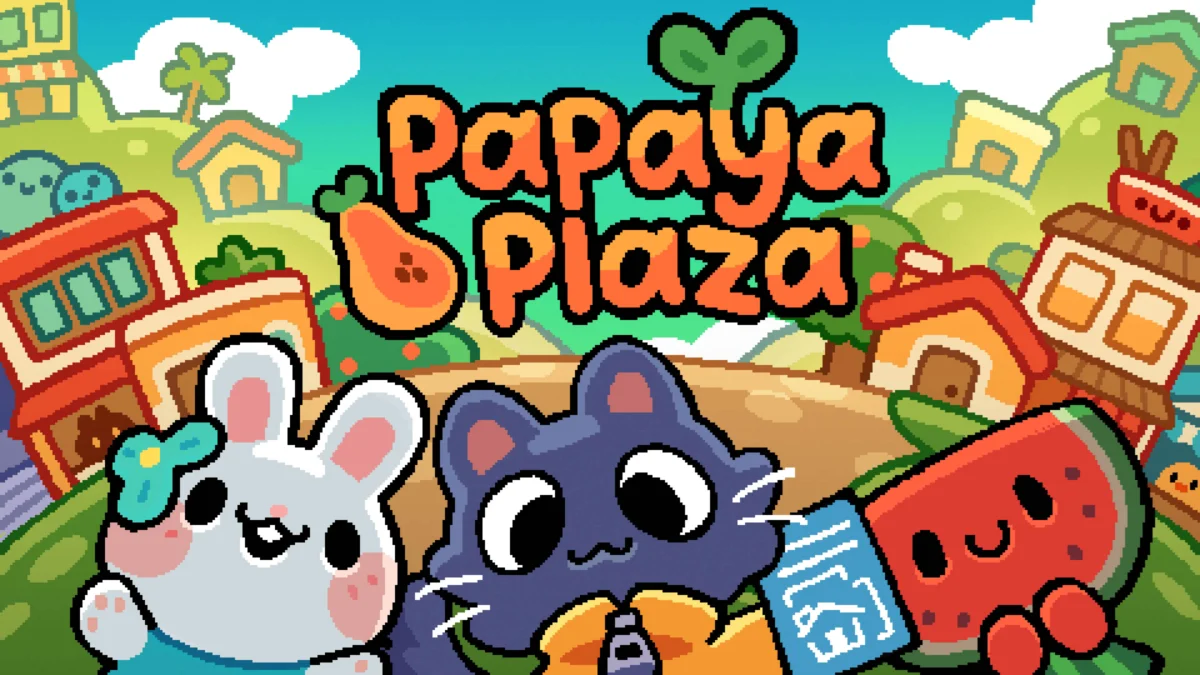
The indie gaming landscape continues to lean into the comforting embrace of "cozy" simulation titles, and the latest entrant aiming to capture the hearts of players is Papaya Plaza. Developed by the newly minted studio Biscuit Factory Games and published by Weekend Games, this upcoming title promises to blend classic city-building mechanics with the aesthetic charm of high-fidelity pixel art. As the industry shifts away from high-octane competitive titles toward more relaxing, player-driven experiences, Papaya Plaza stands as a testament to the enduring appeal of town-management sims.
The Genesis of a Cozy Empire: Main Facts
At its core, Papaya Plaza puts the player in the shoes of a newly appointed Mayor tasked with revitalizing a stagnant, run-down tourist destination. The goal is straightforward but deceptively deep: transform a dreary locale into a bustling, five-star paradise.
While a formal release date remains elusive, the developers have signaled their confidence in the project by releasing a playable demo on Steam. This strategy, common among successful indie projects, allows the community to engage with the core loop—which involves town planning, villager interaction, and economic management—while providing the developers with vital feedback during the final stages of production.
The game is visually defined by the work of Art Director Stef Bollen, known globally in creative circles as "StefScribbles." With a combined social media following exceeding 280,000, Bollen’s signature art style brings a vibrant, cohesive aesthetic to the pixelated landscape, ensuring that every shop, street corner, and park bench in Papaya Plaza feels intentional and inviting.
A Legacy of Innovation: The Chronology of Biscuit Factory Games
The formation of Biscuit Factory Games is a story of transition. Composed of industry veterans who previously cut their teeth on massive, high-pressure global hits like Fall Guys and Fortnite, the team has pivoted toward a more intimate development philosophy.
The studio’s transition into the independent sector was marked by their 2025 debut, Tree Kingdoms. That title served as a proving ground for the studio, allowing the team to test their mechanics in a smaller sandbox environment. Having successfully launched that project, the team transitioned immediately into the development of Papaya Plaza.
The timeline of the studio’s growth is indicative of a broader trend: veteran developers leaving the "AAA" grind to pursue smaller, more personal projects that emphasize quality of life and creative freedom over the rapid, often exhausting development cycles of battle royale or live-service games. Papaya Plaza represents the second chapter of this studio’s evolution, moving from the experimental nature of their debut to a more refined, feature-rich simulation.
Building the Paradise: Mechanics and Design
The gameplay loop of Papaya Plaza is designed to be a "low-stress affair," catering to a player base that is increasingly looking for games to unwind with after a long day.
Architectural Freedom
One of the key pillars of the game is the sheer variety of customization options. Players are not merely placing buildings; they are curating an experience. With hundreds of design choices available, the game allows for a high degree of architectural expression. Whether a player wants a minimalist, modern town or a lush, vegetation-heavy retreat, the game’s engine is designed to accommodate these preferences without the punishing constraints often found in more complex city-builders like Cities: Skylines.

The Human Element
A town is nothing without its citizens. Papaya Plaza places a heavy emphasis on the "villager" aspect of the simulation. As Mayor, the player is not a distant administrator but a local figurehead. Villagers will approach the player with unique problems and creative ideas for the town’s growth.
This creates a dynamic narrative experience where the town’s progress is tethered to the happiness of its inhabitants. Successfully solving these problems leads to unique rewards, creating a virtuous cycle where helping the community provides the resources needed to further expand the town’s infrastructure.
Economic Sustainability
The economy of Papaya Plaza is built around the concept of a "tourist destination." Players must open new stores, manage town flow, and maintain the aesthetic quality of the area to attract visitors. Money earned from these endeavors is then reinvested into the town. This loop ensures that the player always has a clear goal, while the low-pressure nature of the gameplay ensures that the player never feels overwhelmed by the economic management aspect.
Official Perspectives and Creative Vision
The collaboration between Biscuit Factory Games and Weekend Games reflects a strategic partnership focused on the burgeoning "cozy gaming" market. By leveraging the expertise of developers who understand the technical rigors of massive scale (from their time on Fortnite and Fall Guys), the studio is able to produce a game that feels polished and responsive, even if the scope is smaller.
Art Director Stef Bollen’s involvement is a critical component of the game’s identity. In an industry where pixel art is sometimes criticized for being "low effort," the inclusion of a professional artist with a distinct visual identity elevates Papaya Plaza. The game is designed to be visually evocative, utilizing color theory and detailed sprite work to create a sense of place that resonates with the player.
The Broader Implications for the Genre
The emergence of Papaya Plaza signals several important shifts within the gaming industry:
- The "Cozy" Market Maturation: The success of games like Animal Crossing, Stardew Valley, and Townscaper has created a permanent, lucrative space for low-stress gaming. Developers are no longer viewing these titles as niche experiments but as foundational pillars of their portfolios.
- The "AAA" to Indie Pipeline: As the burnout rate for AAA developers continues to rise, the migration of top-tier talent into the independent scene is creating a "quality shift." We are seeing games with the production values and technical stability of major studios, but with the creative soul and experimental risk-taking of indie teams.
- The Power of Community Feedback: By releasing a demo alongside the announcement, Biscuit Factory Games is acknowledging the importance of player agency. The "Mayor" role in the game mimics the "Developer" role in real life—both require listening to the community to create a space that everyone can enjoy.
Conclusion: Looking Toward the Future
While we await a firm release date, the available demo for Papaya Plaza provides a tantalizing glimpse into what is shaping up to be one of the most relaxing simulation titles of the coming year. By focusing on the intersection of creative design, community management, and a low-stress, high-reward feedback loop, the team at Biscuit Factory Games is positioning itself to make a significant mark on the cozy simulation genre.
For those interested in the future of the title, keeping an eye on their Steam page is the best course of action. As the development continues, the "5-Star status" that the game challenges players to reach will likely become the benchmark by which the community judges the final product.
In a world that often feels high-stakes and chaotic, Papaya Plaza offers a refreshing, quiet alternative. It is an invitation to take control of a small corner of the world, make it your own, and watch as your vision—brick by brick, villager by villager—comes to life. Whether you are a veteran of the city-building genre or a newcomer looking for a gentle entry point, Papaya Plaza is certainly a project worth watching as it nears its eventual, highly anticipated release.












No comments yet. Be the first to join the conversation!