Layla Zulfa
For nearly two decades, YouTube has served as the world’s digital town square—a massive repository for education, entertainment, and cultural discourse. However, a seismic shift is underway. The platform is rapidly evolving from a passive viewing experience into a high-intent transactional ecosystem. Today, billions of users are bypassing traditional search engines, turning to YouTube not just to learn about products, but to purchase them.
According to data from Google, YouTube is now 1.6 times more likely to influence consumer purchasing decisions than any other social platform. By integrating seamless e-commerce tools, YouTube is successfully converting passive viewership into active revenue streams. With over 500,000 creators and brands already integrated into the YouTube Shopping program, the platform is setting a new standard for social commerce.
The Anatomy of YouTube Shopping: A New Retail Paradigm
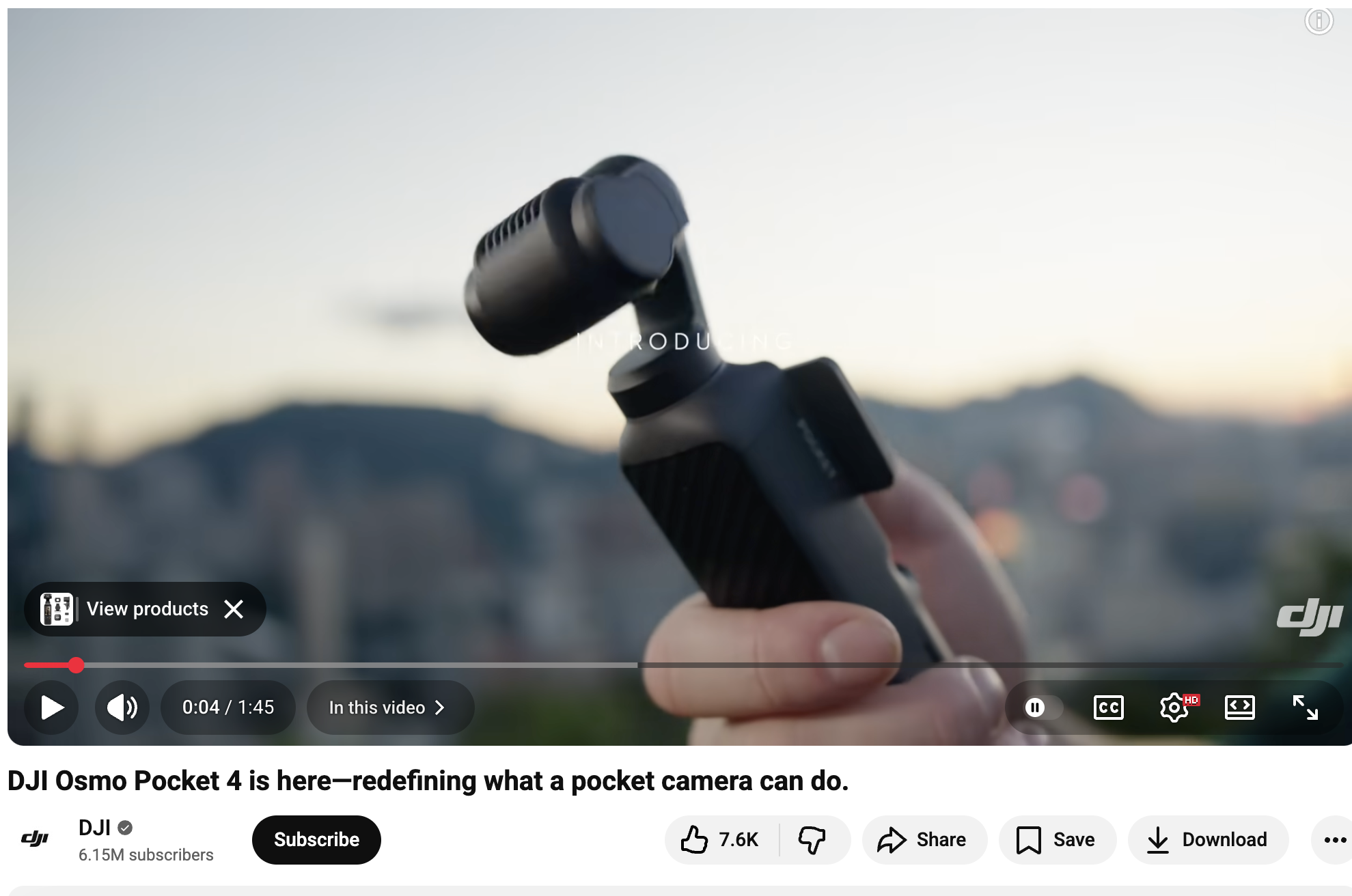
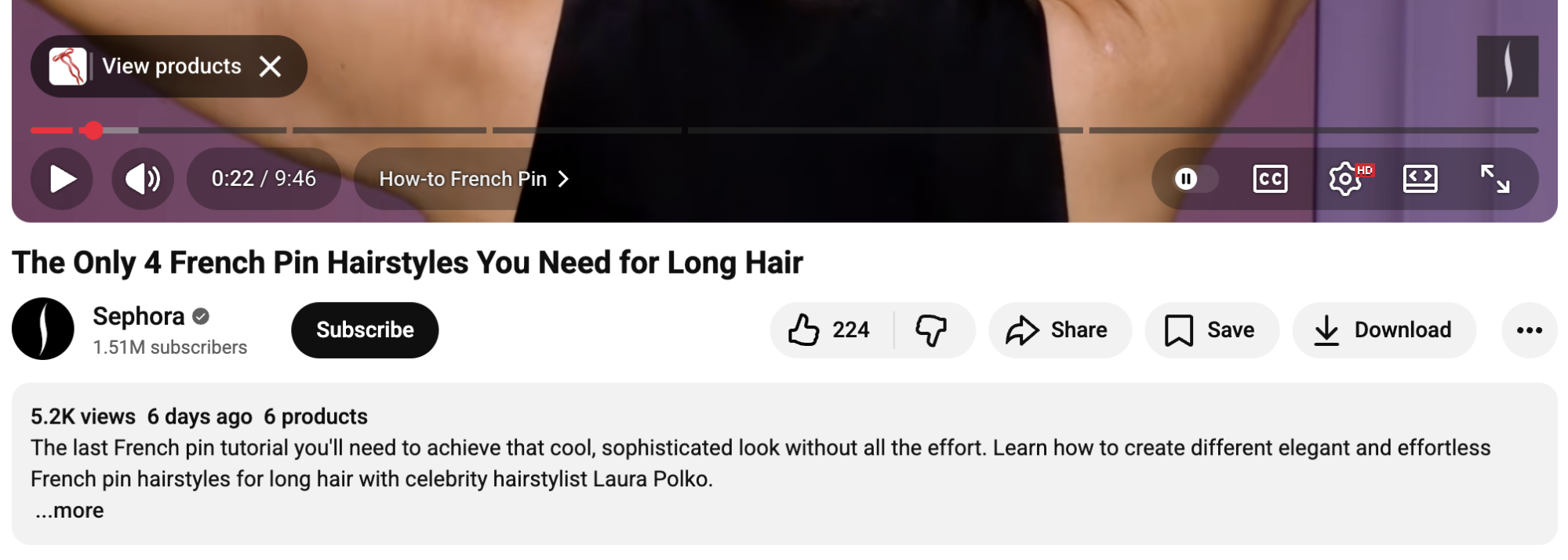
YouTube Shopping is an sophisticated affiliate and direct-sales infrastructure that allows eligible brands and creators to showcase and sell products directly within the video interface. This removes the friction of "link-in-bio" strategies, allowing viewers to browse, compare, and purchase items without ever leaving the video player.
Through features like integrated product tagging, dedicated channel storefronts, and deep-tech integrations with platforms such as Shopify, the barrier between inspiration and acquisition has all but vanished.
Supporting Data: Why the Shift is Happening
The scalability of this model is supported by massive audience engagement. Sprout Social’s 2026 Content Strategy Report highlights that 63% of all social media users now maintain an active YouTube account. This sheer volume of traffic, combined with the "high-intent" nature of YouTube search queries, creates a fertile environment for both mass-market goods and niche, enthusiast-driven products.
Chronology: How We Arrived at the Shoppable Video Era
The transition to a transactional platform did not happen overnight. It is the result of years of strategic infrastructure development:
- The Content Era (2005–2015): YouTube established its dominance as the premier destination for video hosting. Monetization was primarily focused on AdSense and pre-roll advertisements.
- The Creator Economy (2016–2020): YouTube shifted focus toward creator-led growth, introducing channel memberships and merchandise shelves to help influencers diversify revenue.
- The Integration Phase (2021–2024): Recognizing the threat of competitors like TikTok, YouTube began testing direct shopping integrations. Partnerships with major e-commerce platforms like Shopify laid the groundwork for native checkout experiences.
- The Transactional Maturity (2025–Present): YouTube Shopping is now a robust, mature feature. It is no longer an experimental "add-on" but a cornerstone of the platform’s business model, designed to capture the entire customer journey from discovery to checkout.
Eligibility and Governance: Protecting the Ecosystem
YouTube maintains a strict vetting process for its Shopping program. To join, a channel must first be part of the YouTube Partner Program (YPP). This requirement serves as a gatekeeper, ensuring that only creators and brands with established track records of audience trust and content quality gain access to transactional tools.
Key Requirements:
- Monetization Readiness: Channels must meet YPP thresholds, which focus on watch time, subscriber counts, and compliance with strict community guidelines.
- Quality Standards: The platform actively filters out low-quality or misleading promotions. This is a strategic move to preserve user trust; if a viewer feels misled by a product link, the entire platform’s credibility suffers.
- Geographic and Platform Compliance: Brands must operate within supported regions and maintain an active link to an approved e-commerce platform (e.g., Shopify, BigCommerce).
Why Businesses are Migrating to YouTube
For the modern enterprise, YouTube Shopping solves the "friction problem." Traditional marketing often forces consumers to jump through hoops—clicking a link in a description, navigating to a website, and finding the product again. YouTube Shopping brings the store to the consumer.
Strategic Advantages:
- Reduced Path-to-Purchase: By surfacing products at the exact moment of interest, businesses see a drastic reduction in abandoned carts.
- Increased Trust: Viewers see products in action, demonstrated by creators they trust, which acts as a powerful form of social proof.
- Evergreen Sales: Unlike temporary social media posts that vanish after 24 hours, a YouTube video is a searchable asset that can drive sales for years.
Optimizing for Revenue: Five Pillars of Success
Turning on the "Shopping" toggle is only the first step. To generate meaningful revenue, brands must adopt a professional, data-driven approach.
1. The Relentless Sync of Content and Commerce
In 2026, friction is the enemy of profit. Brands should focus on "relentless tagging." Every product mentioned in a video should be tagged in the product shelf.
- Pro Tip: Audit your top 10 performing evergreen videos. By retroactively tagging products in videos that already receive thousands of views per month, you can monetize existing traffic without creating a single new frame of content.
2. The "Human Premium"
The most effective shopping videos today are not high-gloss commercials; they are authentic, human-centric demonstrations. Consumers are fatigued by polished corporate advertising. Content that feels like a personal recommendation—filmed with natural lighting and honest, conversational narration—tends to convert at significantly higher rates.
3. The Hybrid Funnel (Shorts to Long-Form)
A successful strategy requires a two-pronged approach. Use YouTube Shorts as a high-reach discovery tool to capture attention, and use long-form content to foster the depth of trust required for high-ticket purchases. By linking a Short to a deep-dive, long-form review, brands can guide the customer through the entire psychological funnel of consideration.

4. High-Urgency Live Shopping
Live streaming provides a sense of scarcity that drives immediate action. For brands, hosting "drops"—live events where products are launched or discounted for a limited time—creates a surge of engagement that traditional videos cannot replicate.
5. Zero-Click Optimization
As AI search becomes the norm, YouTube videos are increasingly appearing in "AI Overviews" and search snippets. To capitalize on this, treat video metadata as a landing page. Use keyword-rich titles, descriptive timestamps, and clear chapters. This ensures that when a user searches for a solution, your video appears as the definitive answer, complete with direct purchase links.
Measuring Success: Moving Beyond Vanity Metrics
Views and likes are vanity metrics; they indicate reach, not intent. To truly understand the impact of YouTube Shopping, brands must track:
- Click-Through Rate (CTR) on Product Tags: How many viewers are actually interacting with the shoppable shelf?
- Conversion Rate per Video: Which specific content pieces are driving the highest volume of checkouts?
- Average Revenue Per Viewer (ARPV): A metric that measures the financial efficiency of your content.
Using third-party platforms like Sprout Social allows brands to consolidate these metrics. By viewing YouTube performance alongside other social channels, marketers can identify exactly how much of their overall revenue is directly attributable to their YouTube Shopping strategy.
The Future of Social Commerce
The integration of commerce into the YouTube experience represents a permanent shift in consumer behavior. As AI-driven discovery continues to improve, the ability to find and buy products seamlessly within a video stream will become the baseline expectation for digital consumers.
For brands, the window of opportunity is wide open. By focusing on high-trust, high-quality content and leveraging the sophisticated analytics available today, businesses can transform their YouTube channels from simple marketing outposts into high-performing, automated revenue engines. The future of retail is not in a mall or even on a static website; it is in the video content your customers are already watching.


 Nana
Nana
 Jia Lissa