When Pierre Boulle published his 1963 novel La Planète des singes, the concept of a high-concept, intelligent science fiction film was, at best, a gamble. When producer Arthur P. Jacobs began shopping the project around Hollywood, he was met with skepticism and outright rejection. At the time, the genre was relegated to the margins of B-movie exploitation, and the idea of a society governed by articulate, suit-wearing apes was viewed as a financial liability. Yet, against the odds, the 1968 adaptation of Planet of the Apes defied the industry’s cynicism to become one of the most significant pieces of American cinema. However, the path from Boulle’s biting satire to the blockbuster screen required radical structural changes—transformations that would define the franchise for decades to come.
A Vision Lost in Translation: The Novel vs. The Screen
Pierre Boulle’s original narrative was a cerebral, Swiftian satire. It begins in the far future, where two space travelers discover a message in a bottle floating in the void. The manuscript, written by journalist Ulysse Mérou, details a voyage to the star system Betelgeuse. Mérou, alongside two scientists, lands on the planet Soror, where they encounter a primitive, mute human population. The shock comes quickly: the humans are merely livestock, hunted by gorillas on horseback.
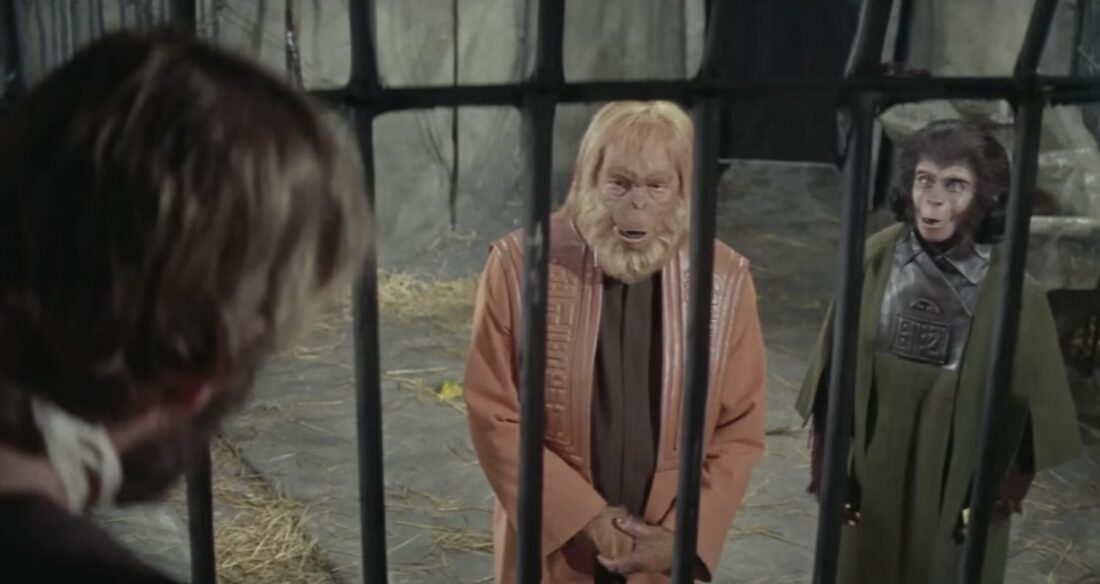
In the book, Mérou’s intelligence is eventually recognized by a chimpanzee scientist named Zira, leading to a complex integration into ape society. The novel’s narrative arc is deeply philosophical, focusing on the humiliation of humanity and the arrogance of its downfall. Perhaps most crucially, the novel’s ending is a cyclical, nihilistic revelation: upon returning to Earth, Mérou discovers that it, too, has been overtaken by an advanced, modern ape civilization.
When the production team finally secured funding from 20th Century Fox, the script—penned by Rod Serling and Michael G. Wilson—found itself in a "creative trap." Serling’s initial drafts attempted to remain faithful to the book’s depiction of a high-tech, 20th-century-style ape civilization, complete with skyscrapers, automobiles, and business suits. The budgetary reality, however, was insurmountable. As Serling noted in a 1972 interview, recreating a modern, anthropoid city would have cost upwards of $100 million—a figure that dwarfed the $5 million budget Fox eventually authorized.
Chronology of Compromise and Innovation
The transformation of the Planet of the Apes from a high-tech satire to an agrarian, timeless struggle is the cornerstone of its success. This shift was largely the brainchild of Michael G. Wilson. By moving the ape civilization into a rustic, stone-built environment, the production team achieved two goals: they slashed the budget by removing the need for modern sets, and they created a sense of ambiguity regarding "when" and "where" the protagonist, Taylor (Charlton Heston), had landed.
The following timeline tracks the development of this iconic franchise:
- 1963: Pierre Boulle publishes La Planète des singes.
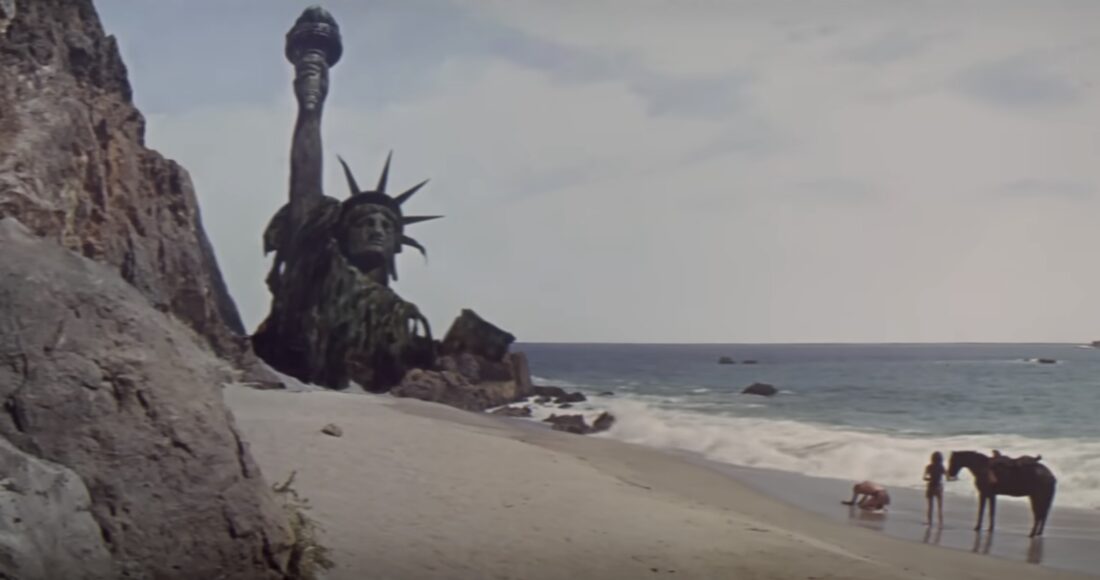
- 1968: Planet of the Apes is released, featuring the now-iconic ending—the ruined Statue of Liberty—cementing the film’s status as a masterpiece of social commentary.
- 1970: Beneath the Planet of the Apes is released, forced by studio pressure to conclude the story with the total annihilation of the Earth.
- 1971: Escape from the Planet of the Apes arrives. Despite the "end" of the world, the film finds a clever narrative workaround, allowing the core characters (Cornelius and Zira) to travel back in time, effectively resurrecting the franchise and returning to the themes of the original novel.
Supporting Data: Budgetary Constraints and Creative Genius
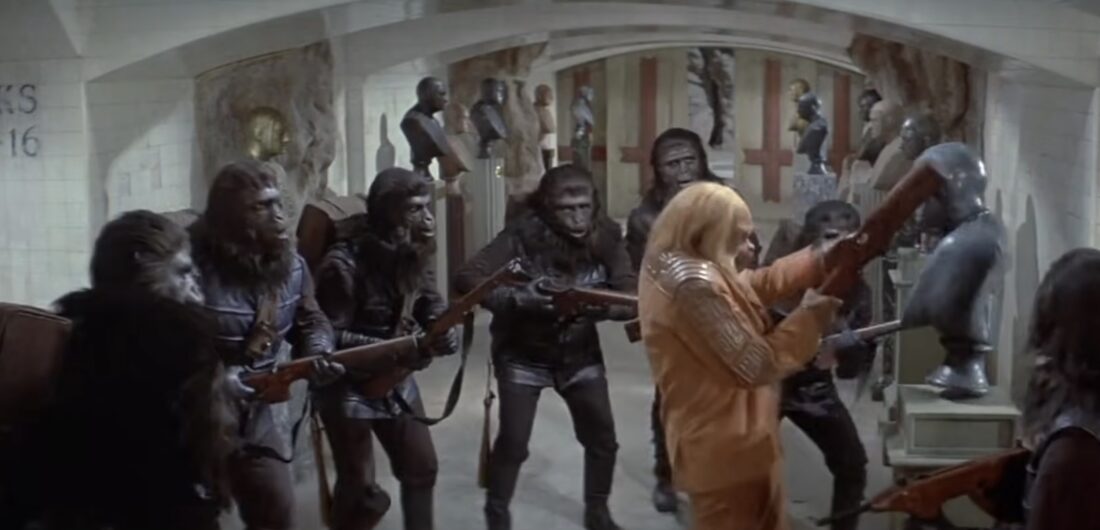
The financial constraints faced by the production team are the primary reason the films shifted from the book’s futuristic aesthetic to the more primitive, tribal look seen in the original 1968 film. The budget of $5 million for the first movie—which ultimately exceeded its limit by $800,000—was spent primarily on the groundbreaking prosthetic makeup designed by John Chambers.
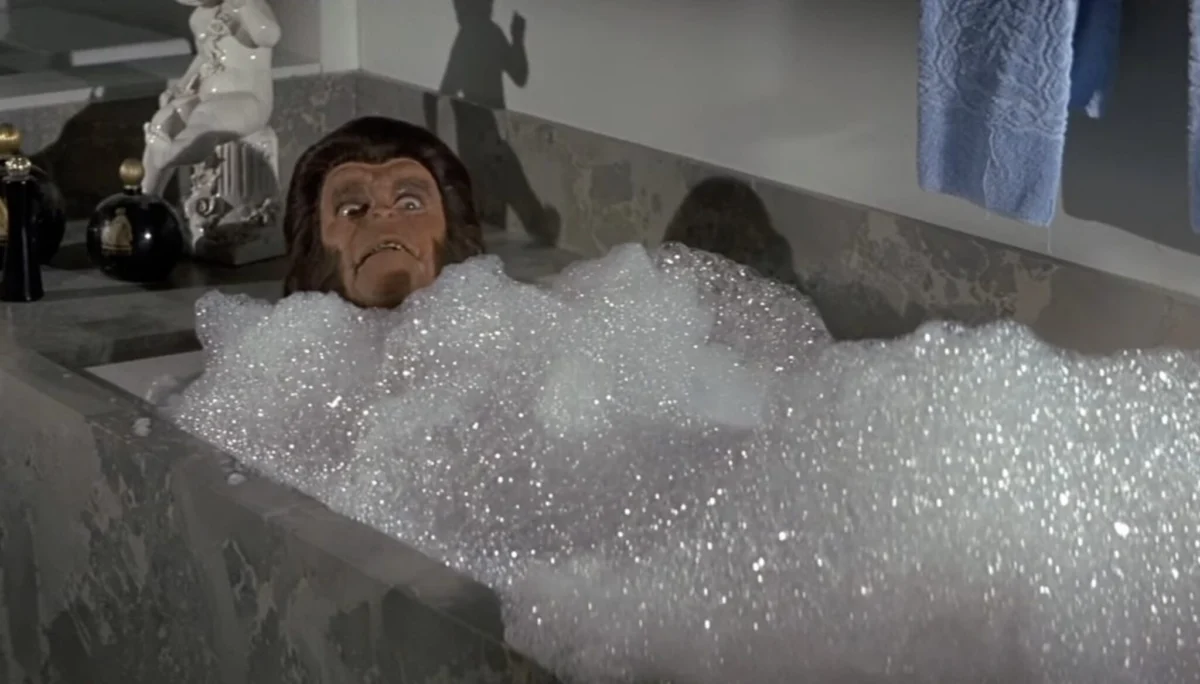
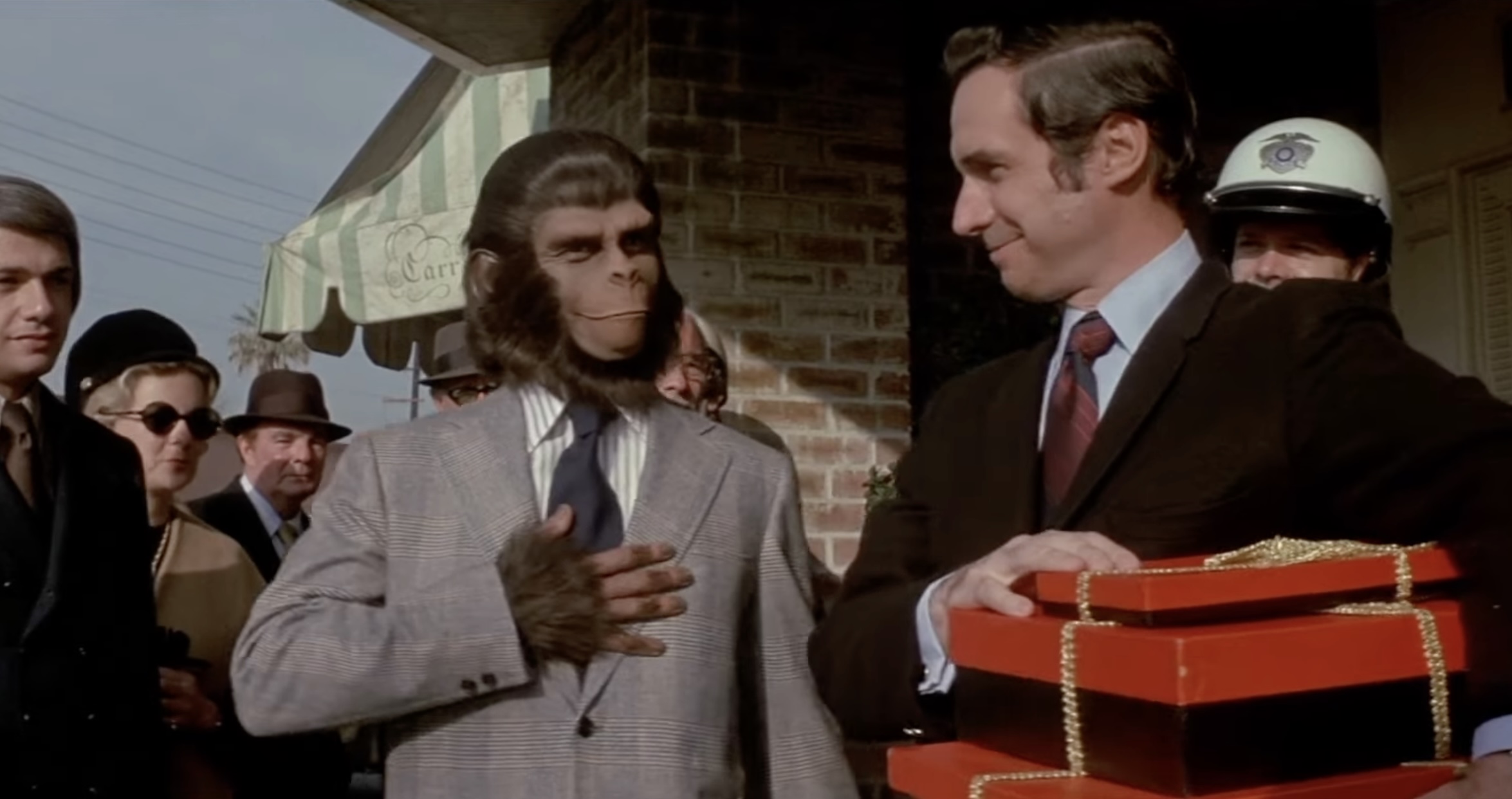
By contrast, the third entry, Escape from the Planet of the Apes, was produced for roughly $2 million. Because the film took place in a contemporary, real-world Los Angeles, the production avoided the need for expansive world-building sets. The irony of the series is that this "budget-friendly" sequel, Escape, became the most narratively faithful to the spirit of the original book. In Escape, the apes are placed in a modern human city, allowing the filmmakers to finally explore the satire of a "civilized" society judging the "barbarian," which was the central engine of Boulle’s novel.
Official Responses and Creative Pivot
The decision to continue the series after the nuclear destruction of Earth in Beneath the Planet of the Apes was driven by pure commercial necessity. When the film proved to be a surprise box-office smash, the studio sent a blunt telegram to screenwriter Paul Dehn: "Apes exist. Sequel required."
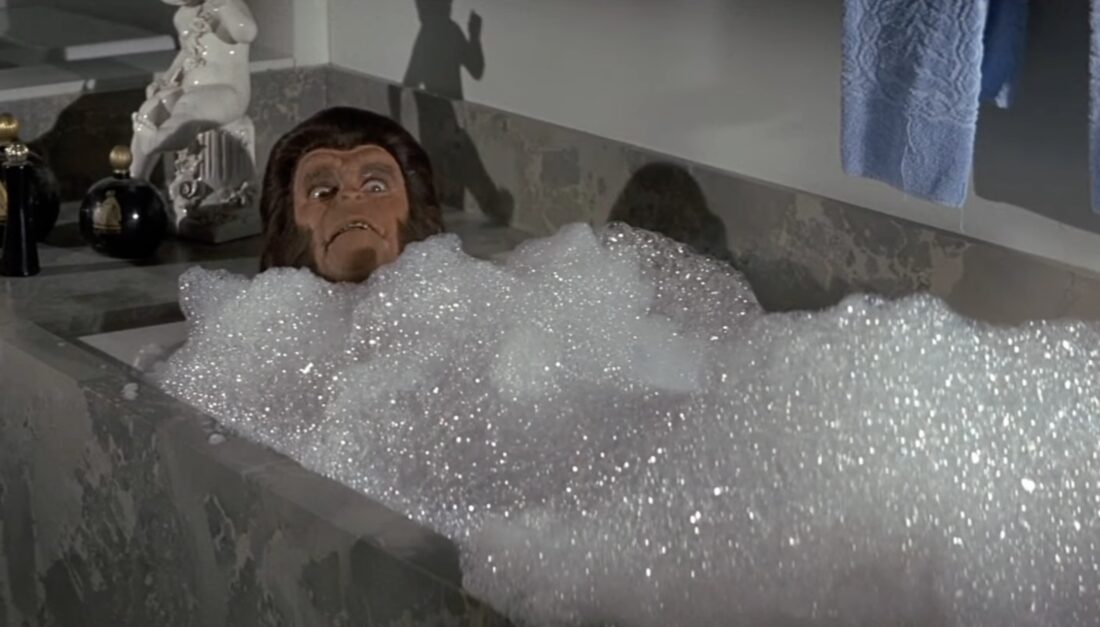
Dehn’s response, Escape from the Planet of the Apes, is widely regarded by critics and fans as the most nuanced of the sequels. By introducing the characters of Dr. Zira and Cornelius into 1970s Los Angeles, the writers were able to flip the script on racial and social prejudice. Watching the characters shop on Rodeo Drive or navigate a celebrity-obsessed culture provided the perfect satirical mirror that the first film lacked.
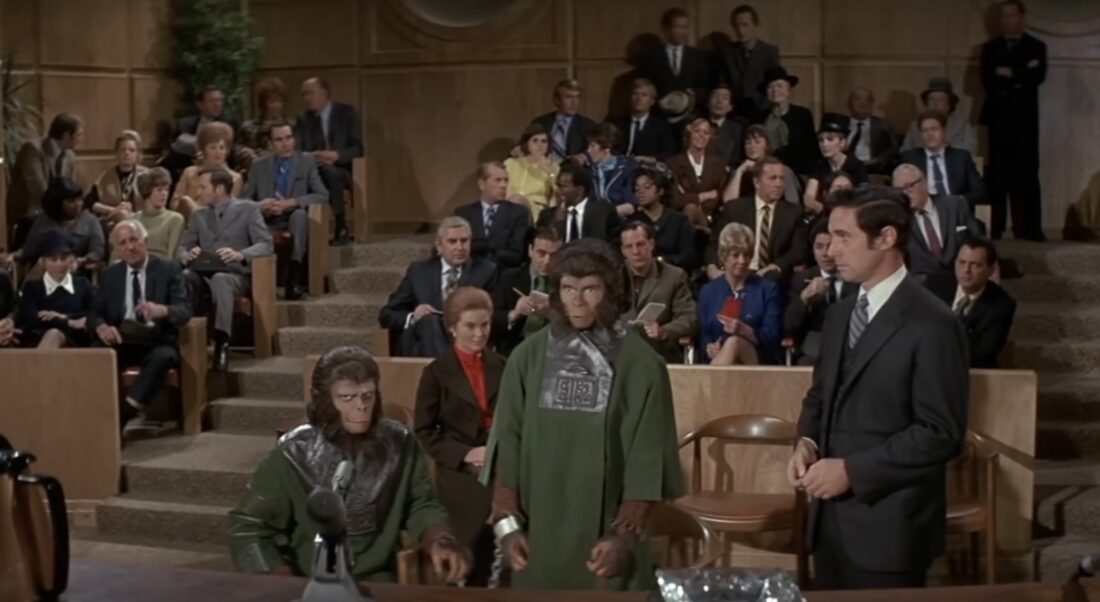
When questioned about the shift in tone, studio executives and writers often pointed to the "creative corner" they had painted themselves into. Yet, it was this corner that forced them to innovate. The character of Dr. Otto Hasslein, a paranoid scientist who recognizes that a single baby ape could lead to the extinction of humanity, provided the necessary tension to bridge the gap between the film’s lighter, satirical moments and its characteristically grim finale.
Implications: The Legacy of a Distorted Mirror
The legacy of the Planet of the Apes saga is not just in its special effects, but in its ability to force audiences to confront the instability of their own societal order. By constantly shifting the power dynamic between human and ape—whether in the ruins of the Forbidden Zone or the boardrooms of a 1970s military base—the films mirror our own anxieties about evolution, nuclear war, and the "other."
The failure of the 1975 animated series, Return to the Planet of the Apes, serves as a cautionary tale. While it was able to depict the high-tech, futuristic city that Serling originally envisioned, it lacked the grounding, performances, and gravitas that made the live-action films work. It proved that the soul of the franchise wasn’t in the technological set-pieces, but in the performances of actors like Roddy McDowall and Kim Hunter, who brought humanity to their simian roles.
Ultimately, Planet of the Apes remains a triumph of adaptation. By diverging from the specific plot points of Boulle’s novel while maintaining its thematic core, the filmmakers created something that transcended its B-movie roots. The shift from the "modern city" of the novel to the "Forbidden Zone" of the films, and finally back to the "modern world" of Escape, creates a comprehensive, if circular, history of human hubris. Whether it is a man on a horse or an ape in a suit, the message remains the same: our civilization is a fragile construct, and our greatest threats are almost always internal.