

In a significant expansion of the Marvel Cinematic Universe’s reach into global digital media, the publisher has ventured deep into the heart of South Korea’s booming digital comics industry. The result is Avengers: Electric Rain, a groundbreaking webtoon collaboration that brings Earth’s Mightiest Heroes to the streets of Seoul. Helmed by the acclaimed Korean artist Younghoon Ko, the project represents a fusion of Western superhero tropes with the distinct, vertical-scrolling aesthetic of Korean manhwa.

Main Facts: A New Frontier for Marvel
Avengers: Electric Rain is not merely a translation of existing American source material; it is a bespoke, original series tailored for the digital-first habits of the Korean audience. The project, facilitated by a strategic partnership between Marvel, Disney Korea, and Daum—one of South Korea’s most prominent web portal and publishing giants—introduces a unique narrative framework.

Central to the series is the inclusion of a brand-new character, specifically designed to resonate within the Korean cultural context. While the Avengers remain the core anchor, the series places them in a high-stakes, localized environment. By utilizing Daum’s platform, Marvel is attempting to capture the massive, mobile-savvy demographic that dominates the South Korean entertainment landscape, signaling a shift in how legacy publishers view international digital distribution.

Chronology: The Development Path
The journey to Electric Rain began with Marvel’s desire to increase its cultural footprint in East Asia. Recognizing the dominance of the "webtoon" format—serialized, vertically-oriented comics designed for smartphone consumption—Marvel engaged with local talent to ensure authenticity.

- Strategic Alliance: Marvel and Disney Korea initiated discussions with Daum to bridge the gap between American comic sensibilities and the Korean digital reading experience.
- Creative Selection: Younghoon Ko was selected to lead the artistic direction. His background in dynamic, high-impact illustration made him an ideal candidate to translate the chaotic energy of an Avengers battle into the fluid, long-strip format of a webtoon.
- Production and Localization: The production process involved a constant exchange between Marvel’s editorial offices in New York and the creative team in Seoul. This phase included ensuring the depiction of iconic characters like Iron Man, Captain America, and Thor remained consistent with their global identities while adapting their interactions to a Korean setting.
- Launch and Reception: Upon its release on Daum, the series saw immediate traction, effectively bridging the gap between Western superhero fans and the traditional webtoon readership, who were previously more accustomed to slice-of-life, romance, or fantasy-based manhwa.
Supporting Data: The Webtoon Phenomenon
To understand why Avengers: Electric Rain is such a significant development, one must look at the data driving the webtoon industry. South Korea is arguably the world’s most advanced market for digital comics.

- Platform Dominance: Daum and its competitor Naver are the undisputed leaders in digital content. Unlike the American comic market, which is still heavily reliant on print distribution through comic shops, the Korean market is almost entirely digital and subscription-based.
- Accessibility: Webtoons are free to access for the most part, utilizing a "freemium" model where early access to new chapters is monetized. This lowers the barrier to entry significantly compared to the traditional $3.99 single-issue comic book format in the U.S.
- Artistic Innovation: The vertical scroll format allows for a cinematic reading experience. Creators use the infinite canvas to control pacing, utilizing white space and long, dramatic panels that would be impossible in a standard 6×9 print comic book. Younghoon Ko’s work on Electric Rain leverages this, with massive, sprawling action sequences that take full advantage of the scrolling medium.
Official Responses and Cross-Cultural Friction
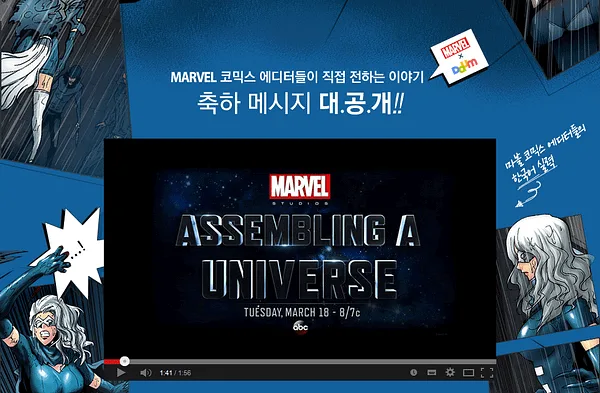
The project has been marked by a blend of genuine excitement and the inevitable friction of cross-cultural collaboration. Marvel’s editorial staff, including industry titans such as CB Cebulski, Axel Alonso, Tom Brevoort, Ellie Pye, Jordan White, and Nick Lowe, have participated in various promotional discussions regarding the project.

These discussions have occasionally highlighted the challenges of bridging the two cultures. In several promotional videos, the Marvel editorial team can be seen attempting to engage with the Korean language. While these moments are often lighthearted, they underscore the "fish-out-of-water" experience for Western creators adapting to a market as specific and fast-moving as South Korea’s.
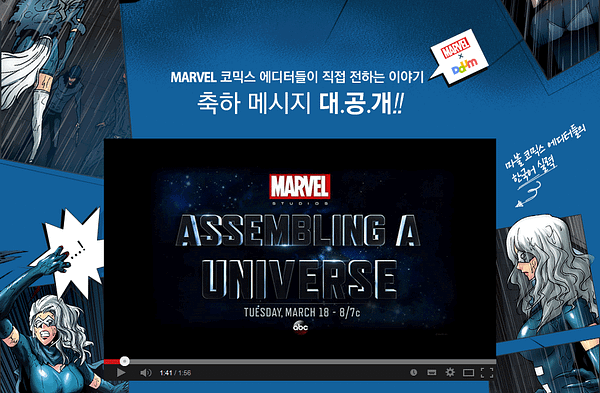
However, the consensus remains that Younghoon Ko serves as the essential anchor for the project. When the editors discuss the artistic execution, there is a clear recognition that Ko possesses a level of nuance regarding the visual language of webtoons that the American editorial team simply cannot replicate. Ko’s ability to "do it better" is a recurring theme; he is not just drawing superheroes—he is reinterpreting them through a lens that feels native to the digital streets of Seoul.

Implications: The Future of Global Comic Distribution
The success or failure of Avengers: Electric Rain serves as a litmus test for the future of the comic industry. If Western intellectual property can successfully transition into the webtoon format, it opens up a multi-billion dollar avenue for content consumption.

The Shift from Print to Digital
For decades, the comic industry has been searching for a way to replicate the success of the Japanese manga model, which relies on high-volume, serialized storytelling. The webtoon format offers a "third way"—a digital-first, high-engagement model that prioritizes mobile accessibility.

Localization vs. Globalization
The inclusion of a new, Korean-centric character in Electric Rain is a calculated move. It suggests that Marvel is moving away from a "one size fits all" approach to global branding. By creating characters that exist specifically for a local market, Marvel creates a deeper, more emotional connection with that audience. This is no longer about exporting American culture; it is about participating in the local culture of the consumer.

The Next Wave of Talent
The project also highlights the emergence of a new class of international comic creators. Artists like Younghoon Ko, who are fluent in both the visual language of Western capes-and-tights and the sophisticated, digital-first storytelling of the East, are poised to become the industry’s next superstars. As the lines between regional comic markets continue to blur, the influence of these creators will only grow.

Conclusion
Avengers: Electric Rain is a testament to the fact that the medium of comics is in a state of rapid evolution. By combining the global recognition of the Marvel brand with the technological and cultural prowess of the Korean webtoon industry, Marvel has managed to create something that feels both familiar and refreshingly new.

While the project has had its share of awkward cross-cultural moments, the core product remains a triumph of collaboration. For the reader in Seoul, it is a chance to see their city defended by the world’s most famous heroes. For the reader in New York, it is a glimpse into the future of the medium. As digital platforms continue to shrink the world, Electric Rain stands as a blueprint for how legacy franchises can adapt, survive, and thrive in an increasingly connected, digital-first world.
Whether this leads to a permanent shift in how Marvel produces its content or remains a successful experiment, one thing is clear: the Avengers have found a new home in the cloud, and they look better than ever in the rain.










No comments yet. Be the first to join the conversation!