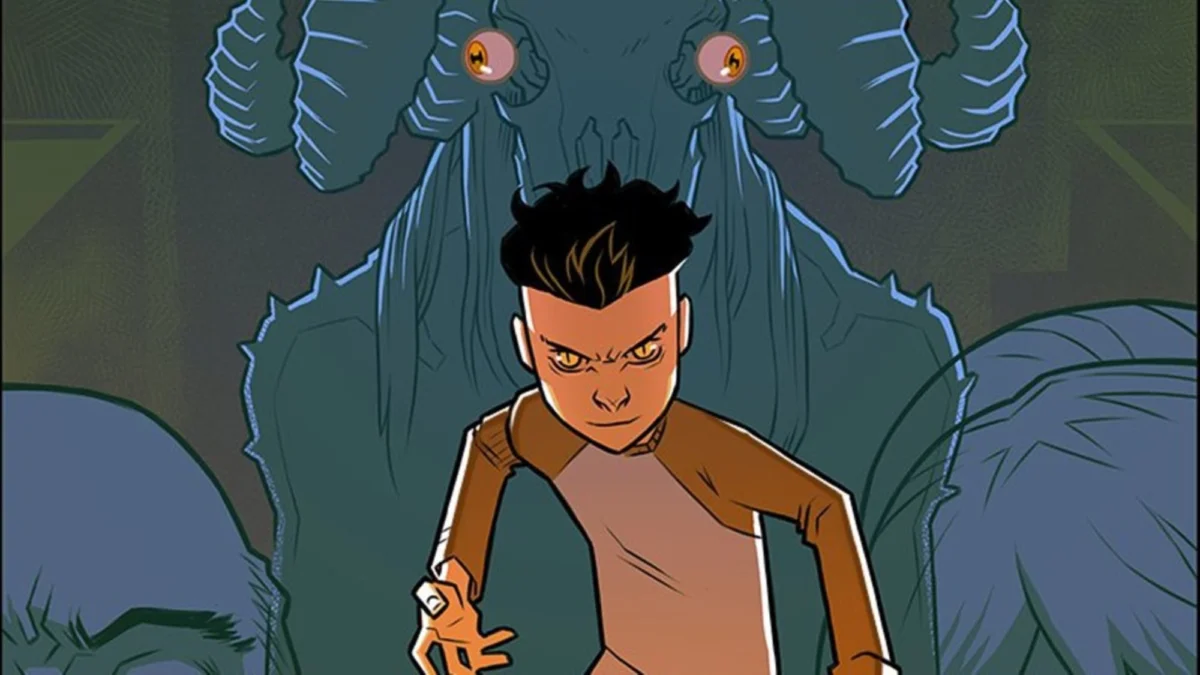
The landscape of global entertainment is undergoing a seismic shift, moving away from traditional broadcast models toward the agile, hyper-accessible world of mobile-first storytelling. At the forefront of this revolution are South Korean webtoons—digital comics designed for vertical scrolling on smartphones. Among the most anticipated projects currently in the pipeline is the digital drama adaptation of Big See, one of Lezhin Comics’ most acclaimed titles. With a unique hybrid format that blends live-action performances with cutting-edge animation, the series represents a bold experiment in multimedia narrative.
Main Facts: A New Hybrid Vision
Lezhin Entertainment, under the leadership of CEO Lee Sung Eob, officially confirmed the development of the Big See digital drama on August 4th. The production, spearheaded by Kakao M, aims to redefine how audiences consume serialized content on the go.
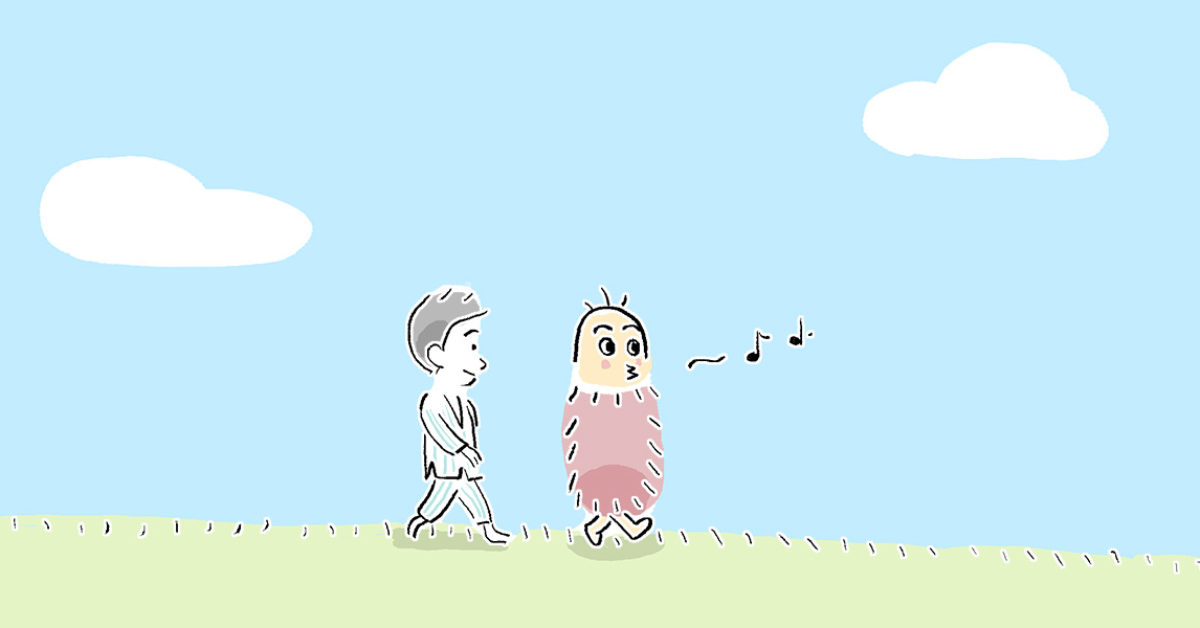
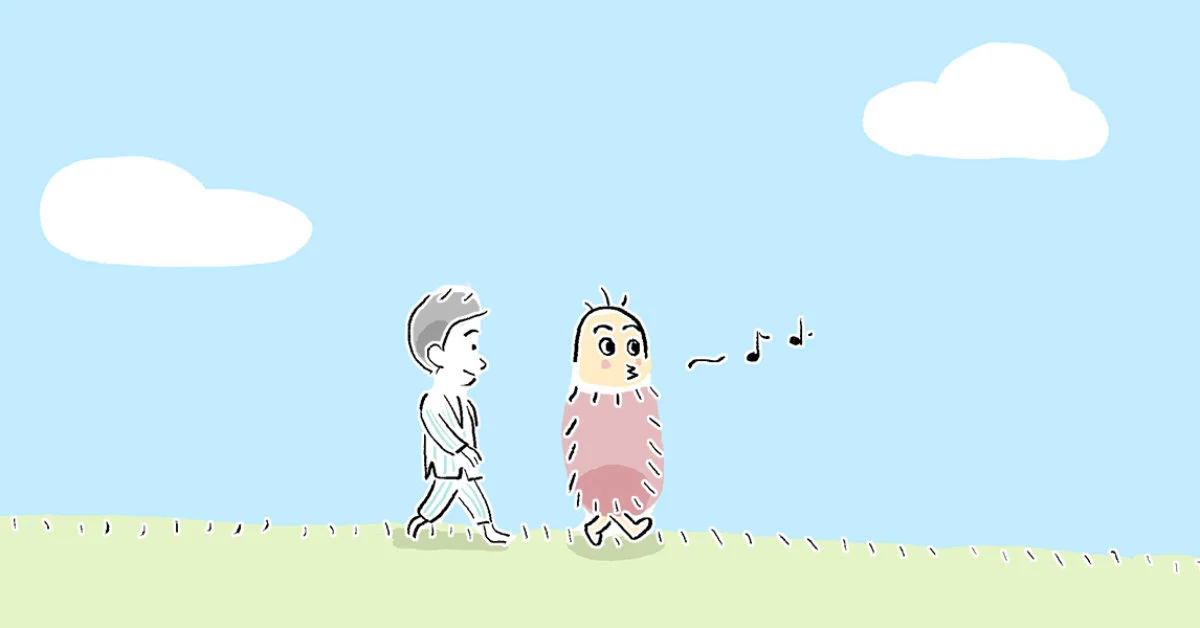
The project distinguishes itself through a deliberate aesthetic choice: the integration of live-action footage and high-concept animation. By casting Ji Soo (My First First Love) and Lee Seol, the production team seeks to ground the emotional weight of the source material in human performance, while using animation to traverse the surreal, dreamlike states of the protagonist’s psyche. The series is slated for a ten-episode run, with each episode clocking in at under 15 minutes, specifically engineered for the KakaoTalk video platform.
Chronology of Development
The journey of Big See from a static digital comic to a cross-media phenomenon has been rapid, underscoring the growing demand for intellectual property (IP) originating from webtoons.
- Original Publication: Big See garnered significant critical acclaim upon its release, eventually becoming the inaugural recipient of the prestigious "Manhwa of the Day" award in South Korea. Its poignant exploration of terminal illness captured a massive audience, amassing over 20 million views worldwide.
- 2018: Strategic Expansion: Lezhin Entertainment acquired Lezhin Studio, a specialized film production house. This move was a calculated effort to bridge the gap between their massive library of digital comics and the high-budget world of television and film production.
- August 2020: The official announcement regarding the Kakao M partnership marked the project’s entry into active production, cementing its status as a major priority for the studio.
- Current Status: With filming for the live-action sequences led by director Kim Dong-ha and animation handled by acclaimed artist Han Ji-won, the production is currently in its final stages, aiming for a premiere in the latter half of 2020.
Supporting Data: The Rise of the Webtoon Economy
To understand the significance of the Big See adaptation, one must look at the meteoric rise of the webtoon format. Originating in South Korea, webtoons have evolved from a niche digital pastime into a multi-billion-dollar industry.
The vertical-scrolling dynamic is more than a design choice; it is a user-experience innovation that perfectly complements the "on-the-go" lifestyle of modern mobile users. Tens of millions of readers globally—spanning regions from North America to Southeast Asia—consume these stories daily. The success of Big See, with its 20 million global views, is a testament to the format’s ability to foster deep, long-term audience engagement.

Furthermore, Big See is not an isolated incident. It marks the second screen adaptation for creator Kim Botong, following the high-profile development of D.P Dog’s Day, which is currently being adapted for Netflix. This trend of "webtoon-to-screen" is rapidly becoming the standard blueprint for content creation in South Korea, as studios seek proven stories with built-in fanbases.
Official Responses and Creative Direction
The creative team behind the Big See adaptation has been vocal about the artistic challenges and goals inherent in this project. A representative from Lezhin Studio expressed that the goal of the production is to "create a new reality that dives deep into the horizon between the real world and dreams."
The collaboration between director Kim Dong-ha and animator Han Ji-won is the cornerstone of this vision. By utilizing animation, the team intends to depict the internal, often abstract, experiences of a terminal cancer patient in a way that traditional live-action might struggle to convey. The representative noted that the performances of leads Lee Seol and Ji Soo are designed to anchor the audience, providing a human connection that allows the more stylized, animated segments to resonate with greater emotional intensity.
Lezhin Studio’s portfolio—which includes Method, Chomi’s Interest, and the highly anticipated Netflix original Hell—demonstrates a commitment to high-quality, high-concept storytelling. Their involvement in Big See suggests that the studio is not merely porting a comic to the screen, but rather reinterpreting it as a piece of digital art designed for a new generation of viewers.

Implications for the Industry
The adaptation of Big See carries several implications for the future of digital media:
1. The Death of the "Second-Tier" Digital Drama
Historically, digital-exclusive series were often viewed as secondary to cable or broadcast television. Projects like Big See challenge this perception by attracting high-caliber talent and utilizing sophisticated production techniques. The investment by Kakao M signifies that mobile-native platforms are now competing directly with traditional broadcasters for the "prestige" audience.

2. The Hybridization of Media
The choice to mix animation and live-action is a bold artistic statement. It suggests that the future of storytelling may not be strictly confined to one medium. By blending formats, studios can overcome the budget limitations of live-action while maintaining the intimacy of a human-centric drama. If successful, Big See could provide a template for future adaptations that require visual metaphors to convey complex psychological states.
3. The Power of Intellectual Property
The focus on Kim Botong’s works highlights the increasing value of original webtoon IP. In a crowded streaming market, having a story that has already proven its ability to sustain a fanbase over millions of views provides a distinct competitive advantage. This shifts the power dynamic toward webtoon platforms, which are increasingly functioning as "incubators" for the global entertainment industry.
4. Global Accessibility
Finally, the optimization of Big See for the KakaoTalk platform underscores the importance of the ecosystem. By integrating the viewing experience into an existing, widely used social application, the producers are reducing the "friction of entry." This frictionless access is the secret weapon of the webtoon industry, and it is a lesson that major Western streaming services are beginning to adopt as they experiment with shorter, more frequent content drops.
Conclusion
As the lines between comic, animation, and live-action continue to blur, Big See stands as a pivotal project. It is more than just a digital drama; it is a bridge between the intimate, personal experience of reading a webtoon on a smartphone and the immersive, shared experience of cinematic storytelling. With a talented cast, a visionary production team, and the backing of one of the world’s most robust digital ecosystems, the series is well-positioned to set a new benchmark for mobile-first entertainment. As the industry watches closely, the success of this project could signal the beginning of a new era where the vertical scroll of a smartphone screen serves as the launchpad for the next great global franchise.