In the high-stakes world of combat sports, few athletes have managed to transcend the cage as effectively as Liverpool’s own Paddy "The Baddy" Pimblett. Known as much for his infectious, unfiltered charisma as he is for his predatory finishing ability, Pimblett has spent the last several years carving out a niche as one of the UFC’s most bankable stars. However, a stunning 52-second victory at UFC 329 on July 11, 2026, has seemingly launched the lightweight fighter into an entirely different stratosphere of entertainment.
According to UFC President and CEO Dana White, Pimblett’s rapid dismantling of Benoit Saint-Denis in Las Vegas did more than just bolster his undefeated record; it reportedly caught the eye of the production team behind Mobland, Paramount+’s flagship crime drama. As the MMA world continues to digest the fallout of UFC 329, industry whispers suggest that the "Baddy" might soon trade his four-ounce gloves for the gritty, high-stakes underworld of London’s fictional crime syndicates.
A Meteoric Rise: The UFC 329 Masterclass
To understand why a major television production would come calling, one must look at the performance that ignited this interest. On July 11, 2026, the atmosphere at the T-Mobile Arena in Las Vegas was electric, but the fight itself was mercifully brief. Pimblett, facing the formidable Benoit Saint-Denis, showcased a level of composure and violence that has become his trademark.
From the opening bell, Pimblett dictated the pace. While many fighters opt for a tactical, feeling-out process, Pimblett moved with the calculated aggression of a veteran predator. Just 52 seconds into the first round, the contest was over. The finish was clinical, decisive, and—crucially—televisually spectacular. In the modern era of sports, where social media engagement is a currency, a sub-minute finish on a massive card is the ultimate promotional tool.
Pimblett’s ability to "sell" a fight is well-documented, but his ability to deliver on that hype inside the cage is what differentiates him from other colorful personalities. By dispatching Saint-Denis so efficiently, Pimblett didn’t just win a fight; he created a "viral moment" that permeated mainstream culture, effectively landing him on the radar of Hollywood casting directors who are constantly looking for talent with natural screen presence.
The Intersection of MMA and High-End Drama
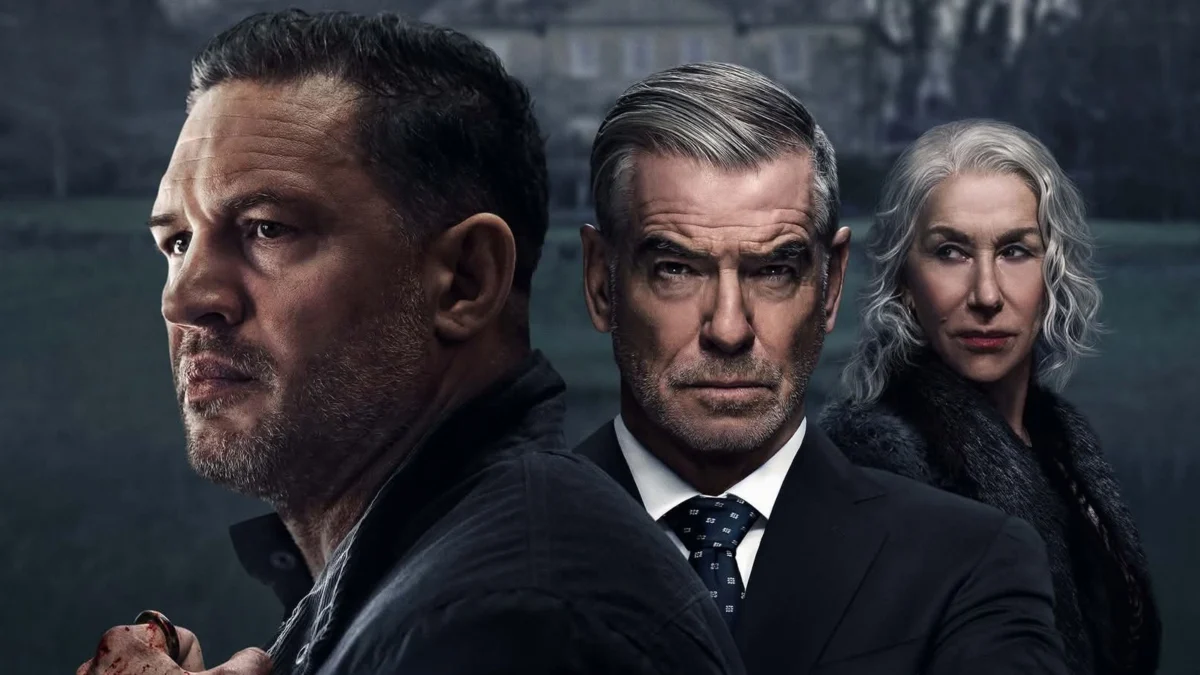
The potential crossover between Pimblett and Mobland is a testament to the shifting landscape of entertainment. Mobland has established itself as a titan of the streaming era, boasting an ensemble cast that includes heavyweights of the acting world such as Tom Hardy, Pierce Brosnan, and Helen Mirren. The series, which tracks the cutthroat power struggles between rival London crime families, requires a specific brand of intensity.
For a production of this caliber, the search for "authenticity" often leads creators toward figures who possess a natural edge. Pimblett, with his Scouse grit, distinct persona, and genuine toughness, fits the archetypal mold of a character that might inhabit the underbelly of a London crime drama.
Dana White’s Revelation: An Unsolicited Call
The news of the potential casting came directly from the top. In a post-fight media availability, UFC CEO Dana White shared an anecdote that highlighted the sheer reach of Pimblett’s latest performance.
"My phone starts ringing the next day on Sunday, and it’s the producers of Mobland," White revealed. "They’re like, ‘We want Paddy Pimblett.’"
White’s account underscores the speed at which the entertainment industry moves when a star is born. It is rare for a production of Mobland’s prestige to reach out to an active fighter so immediately following a win, suggesting that the producers weren’t just looking for any athlete—they were looking for the specific energy that Pimblett radiates. While White remained coy on the specifics of the negotiations, his public enthusiasm for the potential deal suggests that the UFC is fully supportive of its stars exploring opportunities that elevate the brand’s visibility beyond the combat sports ecosystem.
Chronology of a Potential Hollywood Transition
The timeline of these events is as compressed as the fight itself.
- July 11, 2026: Paddy Pimblett defeats Benoit Saint-Denis in 52 seconds at UFC 329.
- July 12, 2026: Producers of Mobland reportedly contact the UFC executive offices expressing immediate interest in Pimblett.
- July 2026: Initial discussions are rumored to have begun, though no formal contract has been signed or announced.
- September 18, 2026: Scheduled release for Mobland Season 2, which has already wrapped production.
This timeline creates a logistical reality that fans must consider: if Pimblett is to appear in Mobland, it will not be in the upcoming season. With Season 2 locked and ready for distribution, any involvement from the UFC star would necessitate a role in a future installment, likely Season 3, should the series be renewed.
Implications: The "Baddy" Brand and Beyond
The potential for Paddy Pimblett to transition into scripted television raises interesting questions about the professional trajectory of elite MMA fighters. Historically, the transition from the cage to the screen has been fraught with challenges. Many athletes struggle to translate the intensity required for physical combat into the nuanced, repetitive nature of a film set. However, Pimblett’s greatest asset has always been his comfort in front of a camera.
The Marketing Synergy
For Paramount+, casting a figure like Pimblett is a calculated gamble that could yield significant dividends. His fanbase is not only large but fiercely loyal. Integrating him into a show like Mobland creates an immediate bridge for millions of UFC viewers who might not otherwise engage with a gritty crime drama.
Conversely, for Pimblett, this represents the next stage of his career evolution. As fighters reach the top of the rankings, the physical toll of the sport becomes increasingly difficult to manage. Diversifying into acting, endorsements, and media allows athletes to build a legacy that survives the inevitable end of their fighting days.
The Risk of Distraction
While the prospect is exciting, it also brings the age-old debate regarding focus. Can an elite lightweight contender maintain the training discipline required to stay at the top of the UFC rankings while simultaneously committing to the grueling schedule of a television production?
Dana White has historically been protective of his fighters’ time, but he has also shown a willingness to allow them to pursue outside ventures if they do not impede their fighting performance. If Pimblett can balance the two, he could become a blueprint for a new generation of "crossover" stars who view their combat sports career as a foundation for a broader entertainment empire.
What Lies Ahead for ‘Mobland’?
As the industry waits for official confirmation, speculation remains high. What kind of role would fit the Scouser? Would he play a gritty henchman, a rising underworld player, or perhaps a guest appearance that mirrors his own persona?
Mobland has built its reputation on high-stakes drama and visceral, grounded storytelling. Adding an individual with the actual, real-world combat pedigree of a UFC fighter provides a layer of realism that is difficult to replicate with stunt doubles or choreography. Should the deal come to fruition, it would be a landmark moment for the integration of combat sports into the mainstream television landscape.
For now, the focus for Paddy Pimblett remains on his professional fighting career. The lightweight division is a shark tank, and standing still is not an option. However, the phone call from the Mobland producers serves as a reminder that in the modern digital age, a single, dominant 52-second performance can change a person’s life in ways that extend far beyond the canvas of the Octagon.
Whether we see "The Baddy" in the streets of London or back in the bright lights of Las Vegas, one thing is certain: the world is watching, and Paddy Pimblett is no longer just a fighter—he is a global entertainment phenomenon.