In an era where social media validation often supersedes ethical conduct, the line between digital influence and criminal activity has blurred with disastrous consequences for an Ohio man. Carter Hickey, a 21-year-old content creator, has found himself at the center of a landmark legal rebuke after a multi-state investigation exposed a systematic pattern of wildlife crimes. Once a self-styled hunting authority on TikTok, Hickey now stands as a cautionary tale of how digital arrogance can accelerate the reach of law enforcement.
After pleading guilty to 17 distinct wildlife violations, Hickey has been ordered by the court to perform a highly unusual penance: he must publicly apologize to the very followers he once misled. This sentence, paired with significant financial penalties, jail time, and a multi-year hunting ban, marks a turning point in how authorities are tackling the rising trend of "poaching for clout."
The Anatomy of an Investigation
The downfall of Carter Hickey was not the result of a single lapse in judgment, but the culmination of a sprawling, multi-state investigation that spanned nearly 20 states. Wildlife agencies, alerted by suspicious patterns and the brazen nature of the content posted to social media, began tracking the young hunter’s activities.
What investigators uncovered was a disregard for hunting ethics that extended far beyond local boundaries. The charges against Hickey painted a picture of a hunter who viewed the law as an inconvenience rather than a mandate. Among the offenses were hunting during closed seasons—periods specifically designed to protect wildlife during vulnerable breeding cycles—hunting without the required permissions, and the egregious act of harvesting animals using a motor vehicle.
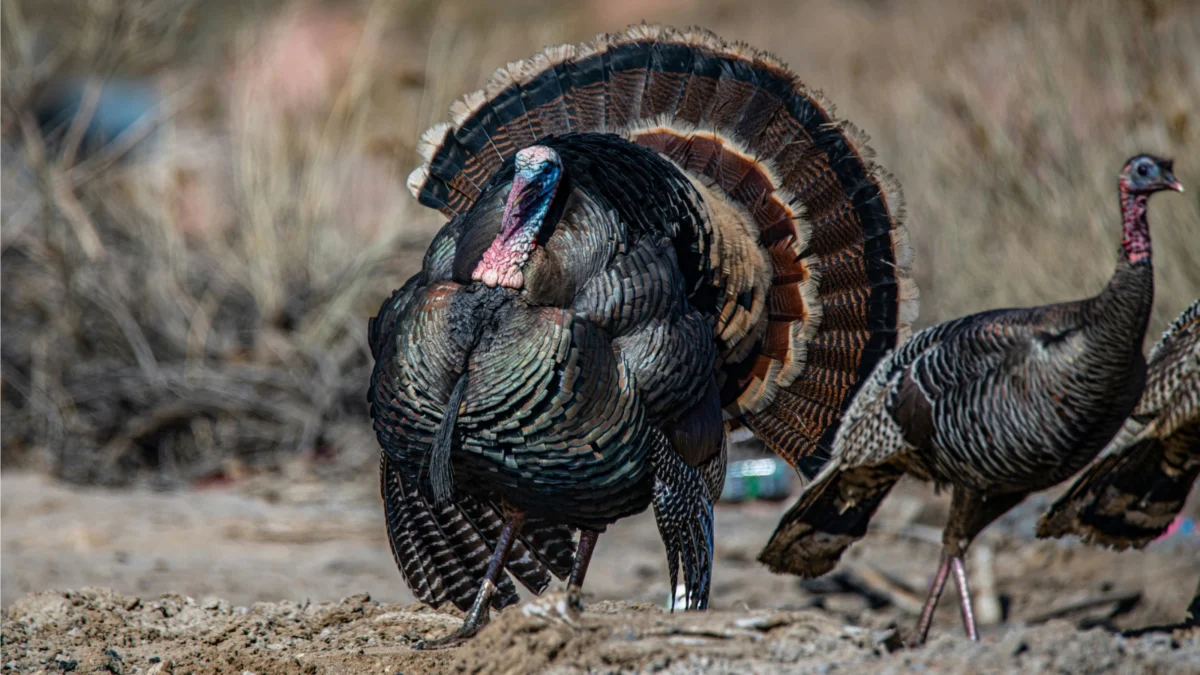
The scale of the seizure following the investigation was substantial. Authorities confiscated 115 pounds of turkey meat and 47 whole or partial turkey fans, providing physical evidence of a long-term campaign of illegal harvesting. These items represent not just a violation of hunting quotas, but a systemic theft of public natural resources.
Chronology of a Digital Crime Spree
The trajectory of Hickey’s case provides a stark timeline of how digital vanity can drive criminal behavior.
- The Content Creation Phase: Over several months, Hickey utilized his TikTok platform to curate a persona of a skilled and prolific outdoorsman. By posting videos of his hunting successes, he garnered attention and validation from followers, often pairing his imagery with false narratives regarding the legality of his methods.
- The Investigation: As his digital footprint expanded, so did the scrutiny from state and federal wildlife officers. Investigators used the very content Hickey posted as evidence to map his movements and corroborate the timing and location of his illegal kills.
- The Confrontation: The investigation culminated in the identification of several key incidents, including the unauthorized taking of a 10-point buck within a public park in the City of Dover. This specific act of trespassing and illegal hunting in a restricted zone served as a focal point for the prosecution.
- The Plea and Sentencing: Faced with the mounting evidence, Hickey entered a guilty plea to 17 charges. The resulting sentence was comprehensive: 15 days in jail, two years of community control sanctions, and 80 hours of community service to be completed within 18 months. Perhaps most devastating to the defendant, his hunting license was revoked for a period of five years.
Official Responses: Restoring the Balance
The sentencing of Carter Hickey was not merely about punishment; it was about restitution and public accountability. Tina Shaw, a spokesperson for the U.S. Fish and Wildlife Service, was clear in her assessment of the case.
"These weren’t small mistakes," Shaw stated, emphasizing that the premeditated nature of the crimes warranted a severe response. "While he was busy poaching, Hickey posted false information about his activities on TikTok, bragging about his hunting skills, despite many of his actions being illegal."
The court’s decision to mandate a public apology on his own channel is a strategic attempt to dismantle the false authority Hickey built. By forcing the defendant to confess his dishonesty to the same audience he once deceived, the court is seeking to undo the damage done to the ethics of the hunting community. Furthermore, the requirement to write a formal letter of apology to the City of Dover serves as a symbolic restoration of the public’s rights to the parklands he violated.
Financial Consequences and Restitution
The financial toll of the case is staggering, designed to ensure that poaching remains an unprofitable endeavor. The court ordered Hickey to pay a total of $12,000 in restitution, $5,500 in fines, and an additional $11,000 in penalties. A significant portion of this—$6,000—was paid in lieu of the state seizing his pickup truck, which was identified as a tool used in the commission of his crimes.

Beyond the fines paid to the state, Hickey was ordered to contribute $5,000 to the "Ohio Turn In a Poacher" (TIP) program. This initiative, which rewards citizens for reporting illegal hunting activity, is essential to the state’s enforcement efforts. By forcing the defendant to fund the very programs that catch poachers, the court ensured that his legacy would be one of contributing to, rather than depleting, the wildlife management system.
The Broader Implications for Social Media and Hunting
The Hickey case is not an isolated incident. It is part of a growing trend of wildlife agencies monitoring digital platforms to identify poaching rings and individuals who exploit nature for online fame.
Just weeks before the sentencing of Hickey, another high-profile case sent shockwaves through the outdoor community. William Bethel and Justin Booth, the creators behind the "Creek Kings Outdoors" YouTube channel, were sentenced following a similar investigation. Their case resulted in 40 charges between them, massive financial penalties exceeding $37,000, and five-year bans from hunting.
The emergence of these cases highlights a critical evolution in law enforcement. As poaching has moved from the shadows of the deep woods into the public glare of social media, the tools of enforcement have had to adapt. Digital forensics—analyzing metadata, geolocation in video uploads, and the visual evidence provided by the hunters themselves—have become standard components of modern wildlife investigations.
The Erosion of Hunting Ethics
Hunting in the United States is deeply rooted in the "North American Model of Wildlife Conservation," which treats wildlife as a public trust to be managed for the benefit of all, not just a select few. The actions of individuals like Hickey and the Creek Kings creators undermine this model. When hunting is treated as a performance for clicks rather than a regulated, ethical practice, the public perception of the entire hunting community suffers.
Wildlife agencies are concerned that the "influencer" mentality is encouraging younger hunters to bypass safety and ethical standards to secure content that goes viral. The result is a dangerous feedback loop where reckless behavior is rewarded with engagement, and the incentive to follow the law is diminished.
Future Challenges for Authorities
As the legal proceedings conclude, the question remains: will the public apology be enough to deter others? As of late August, observers noted that Hickey had not yet posted the required apology, raising questions about compliance and the difficulty of monitoring digital behavior in real-time.
The court’s decision to impose long-term bans and significant financial penalties indicates a shift toward a "zero-tolerance" policy for poaching influencers. By targeting the tools of their trade—their vehicles, their hunting privileges, and their digital platforms—authorities are attempting to strip these individuals of their ability to harm the environment and their ability to influence others to do the same.
In conclusion, the case of Carter Hickey serves as a stark reminder that in the digital age, privacy is a myth, and the consequences of one’s online actions can manifest in the physical world with life-altering force. For the hunting community, the message is clear: the pursuit of social media fame cannot come at the expense of the natural resources that the law exists to protect. As the state moves forward with monitoring the terms of Hickey’s probation, the focus remains on ensuring that the protection of wildlife is upheld, both in the field and on the screen.