

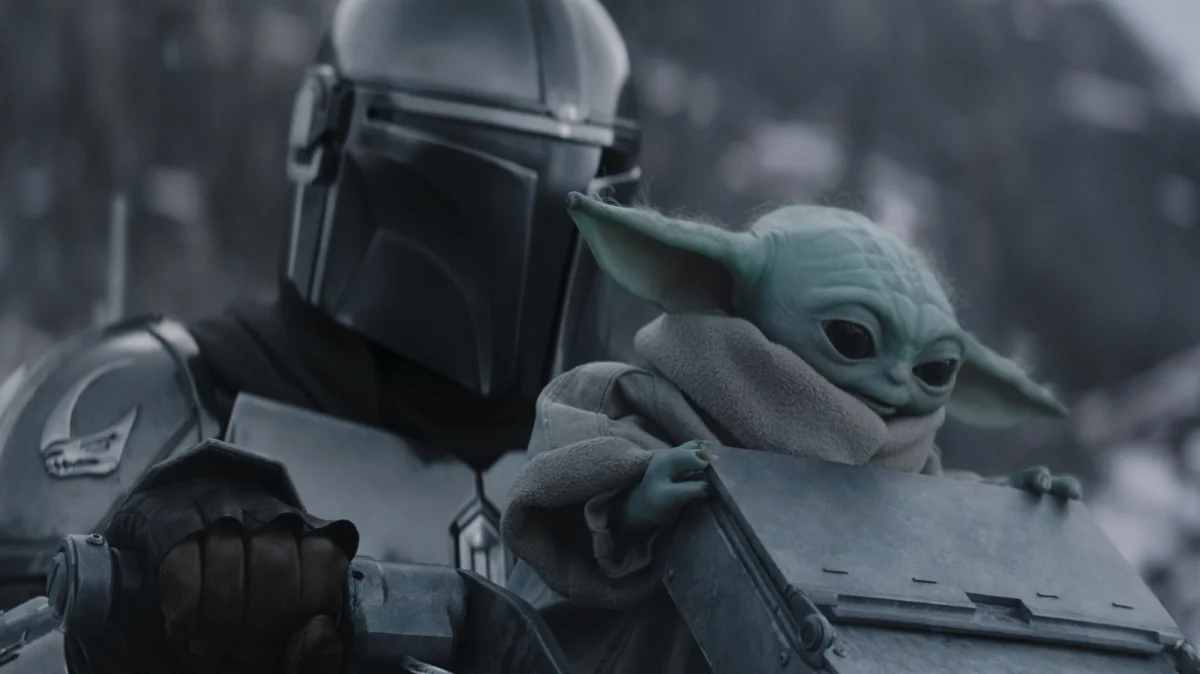
When The Mandalorian premiered on Disney+ in 2019, it was heralded as a creative renaissance for the Star Wars franchise. After the polarizing reception of the sequel trilogy, the episodic, low-stakes western vibes of Din Djarin’s journey felt like a breath of fresh air. However, as the series progressed, the initial charm began to wear thin, eventually collapsing under the weight of disjointed narratives and a reliance on nostalgia.
With the theatrical release of The Mandalorian and Grogu, directed by series architect Jon Favreau, these foundational issues have not only persisted—they have been magnified on the big screen. The film, which serves as a continuation of the Disney+ series, highlights a recurring struggle within Lucasfilm: the inability to evolve beyond formulaic comfort zones.
Main Facts: A Franchise Stuck in Neutral
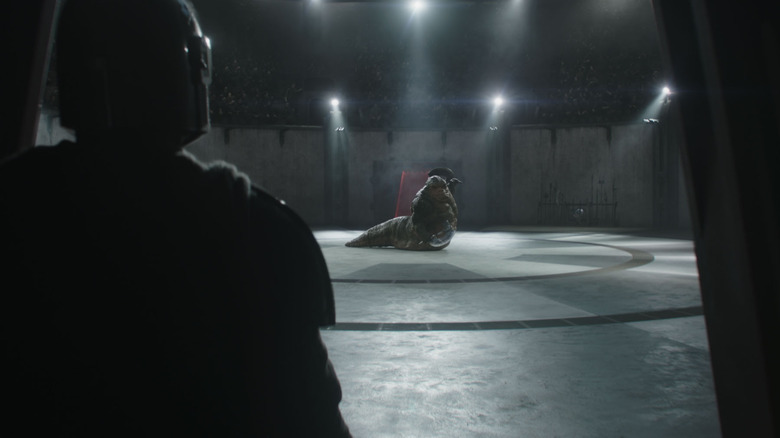
The core criticism surrounding The Mandalorian and Grogu is its lack of narrative ambition. While the film was expected to elevate the status of the titular duo from streaming icons to cinematic legends, it functions more like a prolonged episode of the television show. The plot, if it can be defined as such, follows the same cyclical pattern: Mando takes on a task, navigates a series of action sequences involving CGI-heavy creatures, and relies on the presence of Grogu to anchor the audience’s emotional investment.
The film lacks the sociopolitical depth found in other Star Wars projects, most notably Tony Gilroy’s Andor. While Star Wars has historically thrived as a space fantasy, it has also proven capable of sophisticated storytelling, as evidenced by The Clone Wars and Rebels. By contrast, The Mandalorian and Grogu opts for a safe, unimaginative script that favors cameos and "fan service" over character development or thematic exploration.
A Chronological Decline: From Cultural Phenomenon to Stagnation
To understand the current state of the Mandalorian brand, one must look at its trajectory since its 2019 debut.
- 2019: The Spark. The Mandalorian Season 1 was a masterclass in focused, character-driven storytelling. The bond between the armored bounty hunter and the child ("Baby Yoda") felt earned, and the episodic structure allowed for world-building that felt intimate rather than sprawling.
- 2020–2022: The Shift. As the series progressed into its second and third seasons, the focus shifted from the central relationship to a wider array of cameos and franchise connectivity. The introduction of various legacy characters signaled a pivot from standalone storytelling to the construction of a "Mandoverse."
- 2023: The Disjointed Third Season. The third season of the show was widely criticized for its pacing issues and lack of a coherent narrative through-line. The emotional core of the show—the relationship between Mando and Grogu—began to feel static.
- 2025: The Theatrical Transition. The Mandalorian and Grogu was originally conceived as the fourth season of the television show before being pivoted to a feature film. This origin is evident in the final product, which struggles to justify its theatrical scope, lacking the cinematic scale one expects from a blockbuster Star Wars film.
Supporting Data: The Cost of Complacency
The issue of complacency is perhaps the most damning critique of the current Lucasfilm strategy. Behind the scenes, the reliance on a small circle of creators—primarily Jon Favreau and Dave Filoni—has created a "closed loop" of creative output.
While Favreau is undeniably a talented filmmaker with a proven track record, his total control over the Mandalorian property has arguably stifled innovation. In the modern era of franchise management, the most successful properties (such as the Marvel Cinematic Universe in its prime) often benefited from rotating directors who brought distinct visual and tonal styles to the table. By keeping the reins tight, Lucasfilm has ensured brand consistency, but they have also ensured that the "Mando" formula remains stagnant.
Furthermore, the film’s reliance on "concepts of a plan" regarding character arcs is a point of contention. There is a fundamental lack of stakes. The audience is told that Din Djarin and Grogu are on a journey, but the characters rarely face genuine personal challenges that force them to grow. When the protagonist has no internal drive beyond collecting credits or executing mission-of-the-week tasks, the audience’s emotional investment inevitably wanes.
Official Responses and Industry Context
Lucasfilm has maintained a position of strategic silence regarding the specific criticisms of The Mandalorian and Grogu, focusing instead on the film’s box office performance. From a financial standpoint, the film serves its purpose as a "safe win" for Disney. Following the box-office volatility of the late 2010s, Disney’s objective has been to restore stability to the Star Wars brand.
Industry analysts note that The Mandalorian and Grogu functions primarily as a bridge. It is designed to satisfy shareholders and provide a low-risk product that ensures the Star Wars brand remains relevant in the theatrical space without requiring a massive, experimental shift in tone. However, this strategy raises a critical question: is "safe" enough for the future of the galaxy far, far away?
Critics argue that "good commerce" and "good art" are not mutually exclusive. The success of The Mandalorian as a show proves that audiences are hungry for Star Wars content, but the audience is also increasingly discerning. When a franchise relies purely on established formulas to ensure profitability, it risks alienating the very fanbase it aims to retain.
The Implications: Where Does Star Wars Go From Here?
The failure of The Mandalorian and Grogu to iterate on the series’ flaws carries significant implications for the future of the franchise. If the studio continues to lean on the same creators to tell the same stories in the same way, the brand will continue to suffer from diminishing returns.
The Need for Fresh Perspectives
The most logical step forward is the introduction of diverse directorial voices. The series has already seen successful contributions from guest directors like Rick Famuyiwa and Bryce Dallas Howard. Allowing these filmmakers—or other visionary directors outside the current Lucasfilm bubble—to take the lead would inject new energy into the franchise. A "Kevin Feige-style" oversight role for Favreau, where he maintains brand continuity while empowering others to take creative risks, could have saved this project from its current state of stagnation.
The Risk of Brand Dilution
Finally, the transition from television to film needs to be handled with more care. Audiences can distinguish between a story that requires a two-hour theatrical experience and one that is simply an expanded television episode. By forcing the latter into the former, Lucasfilm risks diluting the prestige of the Star Wars theatrical brand.
In conclusion, The Mandalorian and Grogu is a mirror held up to the current state of Star Wars. It is technically proficient, occasionally charming, and undeniably comfortable. But in a universe built on the promise of adventure, hope, and the unknown, comfort is the one thing that will ultimately lead to failure. If Lucasfilm wishes to recapture the magic that defined the original trilogy, it must be willing to let go of the safe, the familiar, and the formulaic in favor of something truly new. The status quo is no longer enough to sustain the weight of the galaxy.









No comments yet. Be the first to join the conversation!