

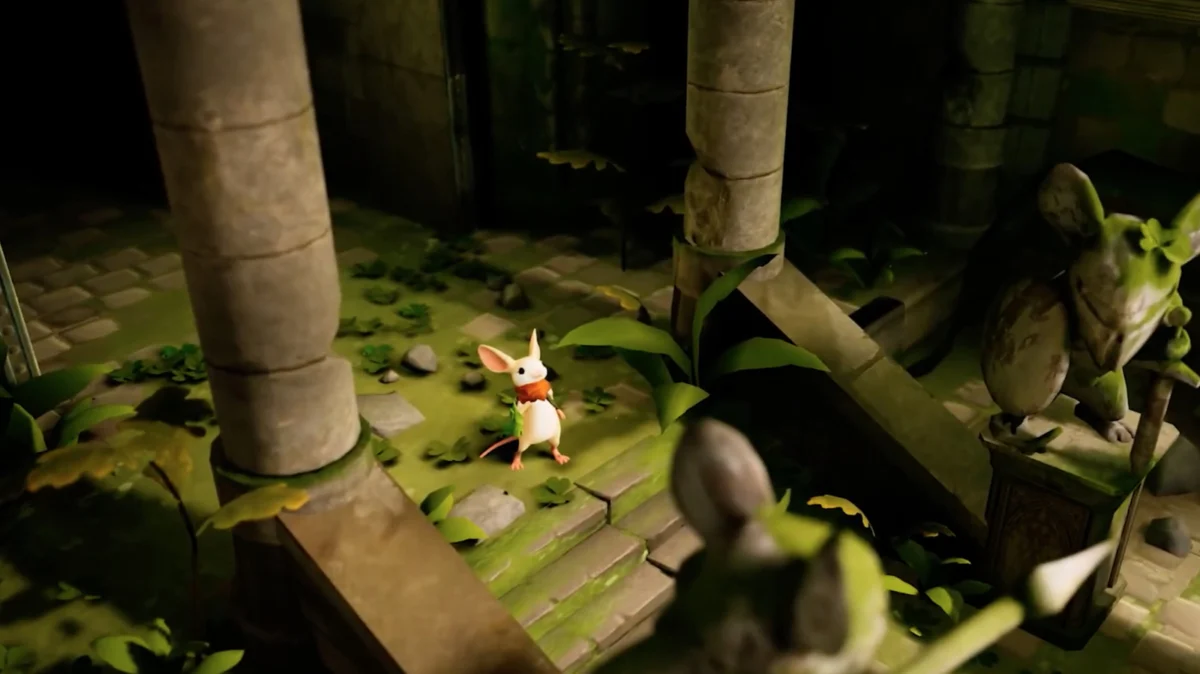
In a bold move that challenges the traditional boundaries of virtual reality gaming, developer Polyarc has officially announced Moss: The Forgotten Relic. This comprehensive bundle marks a significant milestone for the franchise, bringing the critically acclaimed Moss and its direct sequel, Moss: Book II, out of the headset and onto standard flat-screen displays. Alongside the base games, the package includes the expansive Twilight Garden DLC, offering players who have previously shied away from VR a chance to experience the enchanting journey of Quill, the heroic mouse.
The transition from a fully immersive VR experience to a traditional console and PC interface is a rare phenomenon in the gaming industry. While the reverse—porting flat-screen games to VR—has become a common trend, Polyarc’s latest endeavor represents a technical and design-oriented pivot that could set a new precedent for how immersive titles are preserved and shared with wider audiences.
The Evolution of an Adventure: A Chronology of Moss
The Moss franchise first captured the industry’s imagination in 2017, when Polyarc debuted its unique brand of third-person VR storytelling. By placing players in the role of an omnipresent "Reader" who guides a small, sword-wielding mouse named Quill, the game revolutionized the concept of scale in VR.
- 2017–2018 (The Origin): Moss launched to critical acclaim, praised for its diorama-style presentation that made players feel as though they were peering into a living, breathing storybook. It quickly became a benchmark for what could be achieved with VR motion controls.
- 2019 (Expansion): The release of the Twilight Garden DLC added new challenges, lore, and environments to the original game, deepening the connection between the player and Quill.
- 2022 (The Sequel): Moss: Book II arrived, continuing Quill’s journey and expanding the complexity of the puzzle-platforming mechanics, solidifying the franchise’s place in the pantheon of elite VR gaming.
- 2025 (The Flat-Screen Transition): With the announcement of The Forgotten Relic, Polyarc acknowledges a changing market landscape, seeking to bridge the gap between the niche VR user base and the massive install base of consoles like the PlayStation 5, Xbox Series X/S, and Nintendo Switch.
Breaking the Fourth Wall: Reimagining Mechanics for a Flat Screen
The primary challenge Polyarc faced was the fundamental shift in player perspective. In the VR iterations, the player’s physical head movements dictate their view of the world. By physically leaning in, players could uncover hidden secrets, look under platforms, and manipulate the environment from a 360-degree perspective.
Bridging the Gap: The New Camera System
For The Forgotten Relic, the developer has implemented a sophisticated, dynamic camera system. While the trailer remains somewhat guarded regarding the exact control scheme, it is clear that the game now utilizes a third-person, follow-camera approach similar to classic action-adventure titles like The Legend of Zelda or Ratchet & Clank.
However, Polyarc has been careful not to strip away the "God-like" agency that defined the VR experience. Players still retain the ability to interact with the environment, moving objects and influencing the level design to clear a path for Quill. The transition successfully maintains the core identity of the gameplay while accommodating players who prefer a traditional controller-based experience.
Enhanced Visuals and Handcrafted Cutscenes
Polyarc has emphasized that the games have been "beautifully enhanced and reimagined" for this release. This is not merely a port; it is an optimization project. The textures, lighting models, and environmental fidelity have been tuned to meet the standards of current-gen consoles. Furthermore, the introduction of "handcrafted cutscenes" suggests that the narrative delivery has been re-staged to ensure the emotional weight of Quill’s journey translates effectively on a standard screen, moving away from the VR-centric "puppet-show" perspective toward a more cinematic narrative flow.
Accessibility as a Core Pillar
One of the most noteworthy additions to The Forgotten Relic is a robust new accessibility suite. Recognizing that some players are interested in the narrative and puzzle-solving aspects of Moss but may find the combat mechanics challenging or physically taxing, Polyarc has introduced an option to bypass difficult combat sections entirely.
This design philosophy reflects a broader trend in the industry: making high-quality storytelling accessible to a wider demographic. By allowing players to prioritize the cerebral challenges of the game, Polyarc is effectively lowering the barrier to entry for casual gamers, parents, and those who may have limited reflexes but a high appreciation for world-building and character design.
Implications for the VR and Console Markets
The release of The Forgotten Relic raises a fascinating question: Is the industry witnessing a shift in how developers view VR exclusivity?
Historically, VR games were developed with the assumption that the headset was a requirement for the intended experience. However, as the cost of VR hardware remains a hurdle for many, developers are beginning to recognize the value of "platform-agnostic" design. If Moss can successfully make the jump to a flat-screen console without losing its charm, it could encourage other studios—particularly those with smaller, diorama-style VR titles—to follow suit.
Comparing the Trend: The Reverse Porting Phenomenon
The industry is already well-acquainted with the process of porting flat-screen games to VR. Titles such as Resident Evil Village, Hitman 3, No Man’s Sky, and Borderlands 2 have successfully leveraged existing assets to create immersive VR experiences. These titles often find renewed life in the VR space. The Forgotten Relic essentially performs the inverse, demonstrating that if a game is built on a foundation of strong mechanical design and compelling art direction, it can transcend the hardware it was originally tethered to.
Looking Toward the Future: Release Details
Moss: The Forgotten Relic is scheduled for release in the summer of 2025. It will be available on a wide array of platforms, including PC via Steam, the Nintendo Switch, the upcoming "Switch 2," the PlayStation 5, and the Xbox Series X/S.
While Polyarc has yet to announce a specific price point, the collection represents significant value, bundling two full-length games and a substantial DLC expansion. For those who have been waiting to experience the legend of the tiny hero with the big heart, the wait is almost over.
Summary of Key Features:
- Comprehensive Collection: Includes Moss, Moss: Book II, and the Twilight Garden DLC.
- Reimagined Controls: Custom-built camera and interaction systems for controllers.
- Accessibility First: New combat-skip options for puzzle-focused players.
- Cinematic Polish: New handcrafted cutscenes and visual upgrades tailored for 4K and high-fidelity displays.
- Broad Availability: Launching across all major modern consoles and PC.
As the industry continues to evolve, Polyarc’s decision to bring their flagship title to the masses serves as a testament to the enduring power of a well-told story. Whether played in a high-tech headset or on a standard television, the tale of Quill and the reader is one that clearly deserves to be heard. As we approach the summer release, the gaming community will be watching closely to see if this "flat" reimagining can capture the same magic that made the VR original a cultural touchstone.









No comments yet. Be the first to join the conversation!