Dwi Wanna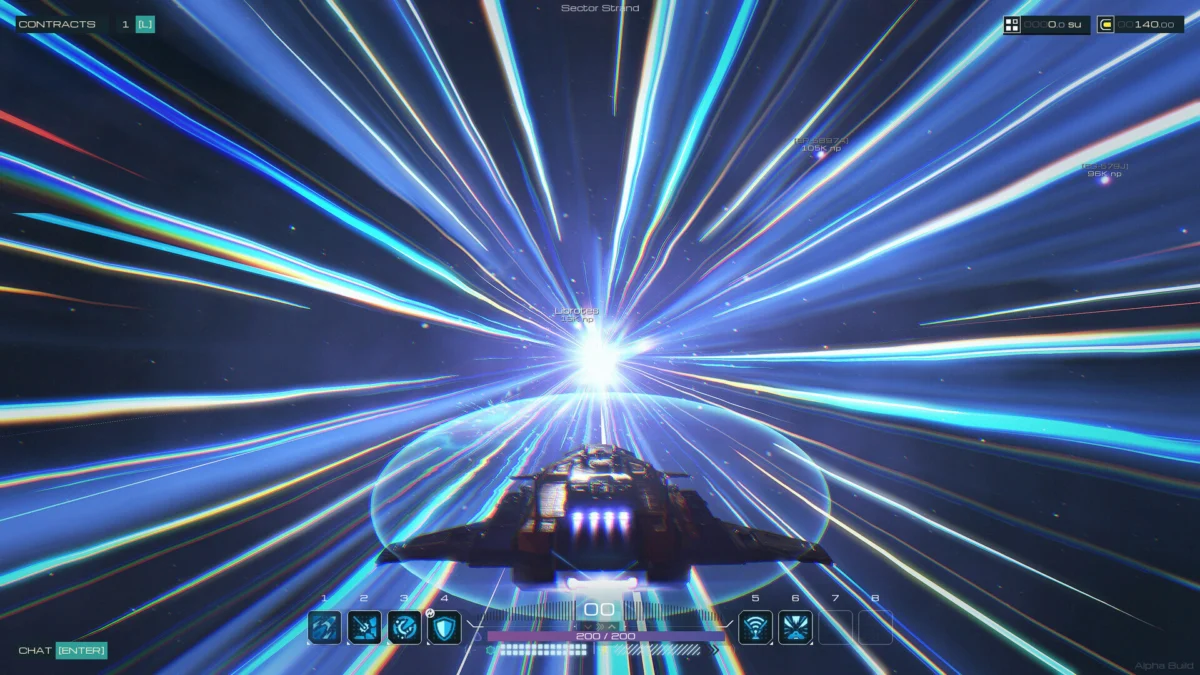
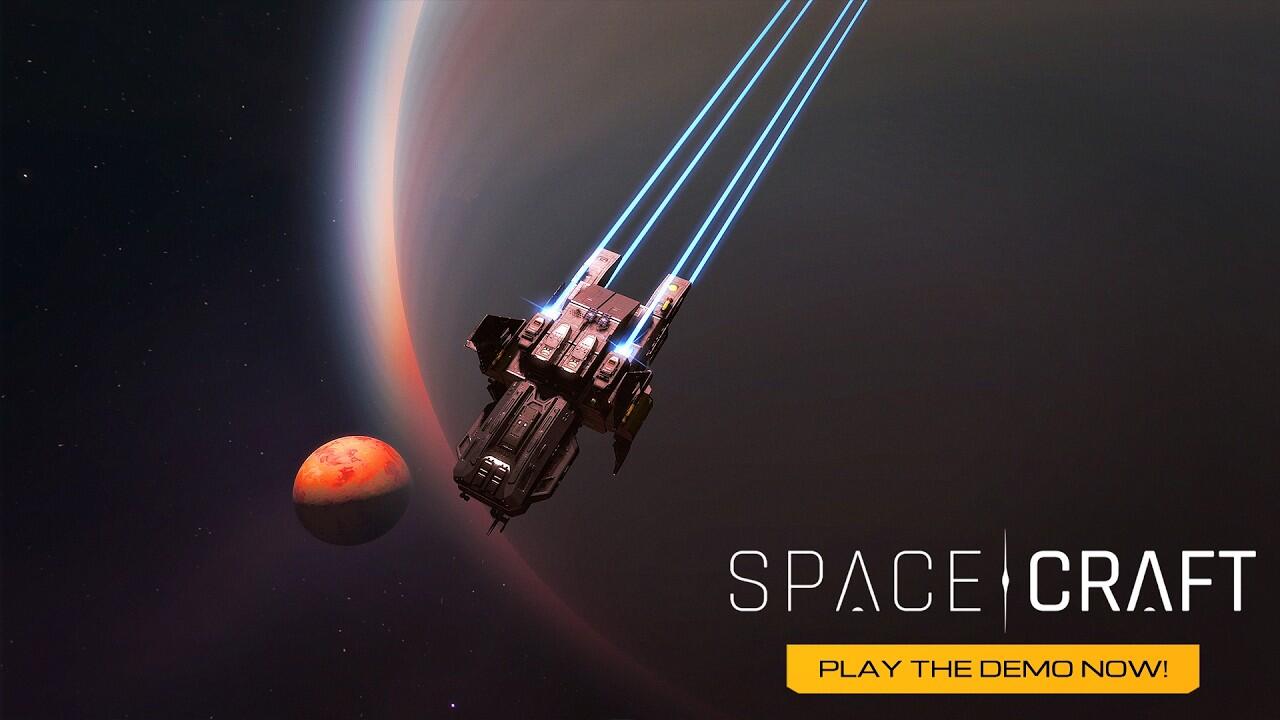
The French indie powerhouse Shiro Games, widely celebrated for their successful titles Northgard, Dune: Spice Wars, and Wartales, has officially set its sights on the final frontier. The studio has launched their latest project, SpaceCraft, into Steam’s Early Access program. This ambitious online space sandbox promises to redefine the genre by weaving together complex mechanics of exploration, resource extraction, industrial production, and corporate management within a persistent, player-driven galaxy.
As the gaming industry shifts increasingly toward massive, persistent multiplayer experiences, SpaceCraft enters a competitive market with a distinct philosophy: placing the agency of economic development directly into the hands of the players. With a 10% launch discount available until June 25, 2026, the studio is inviting the community to take part in building what they hope will be the definitive space-faring simulation.

Core Pillars of the SpaceCraft Experience
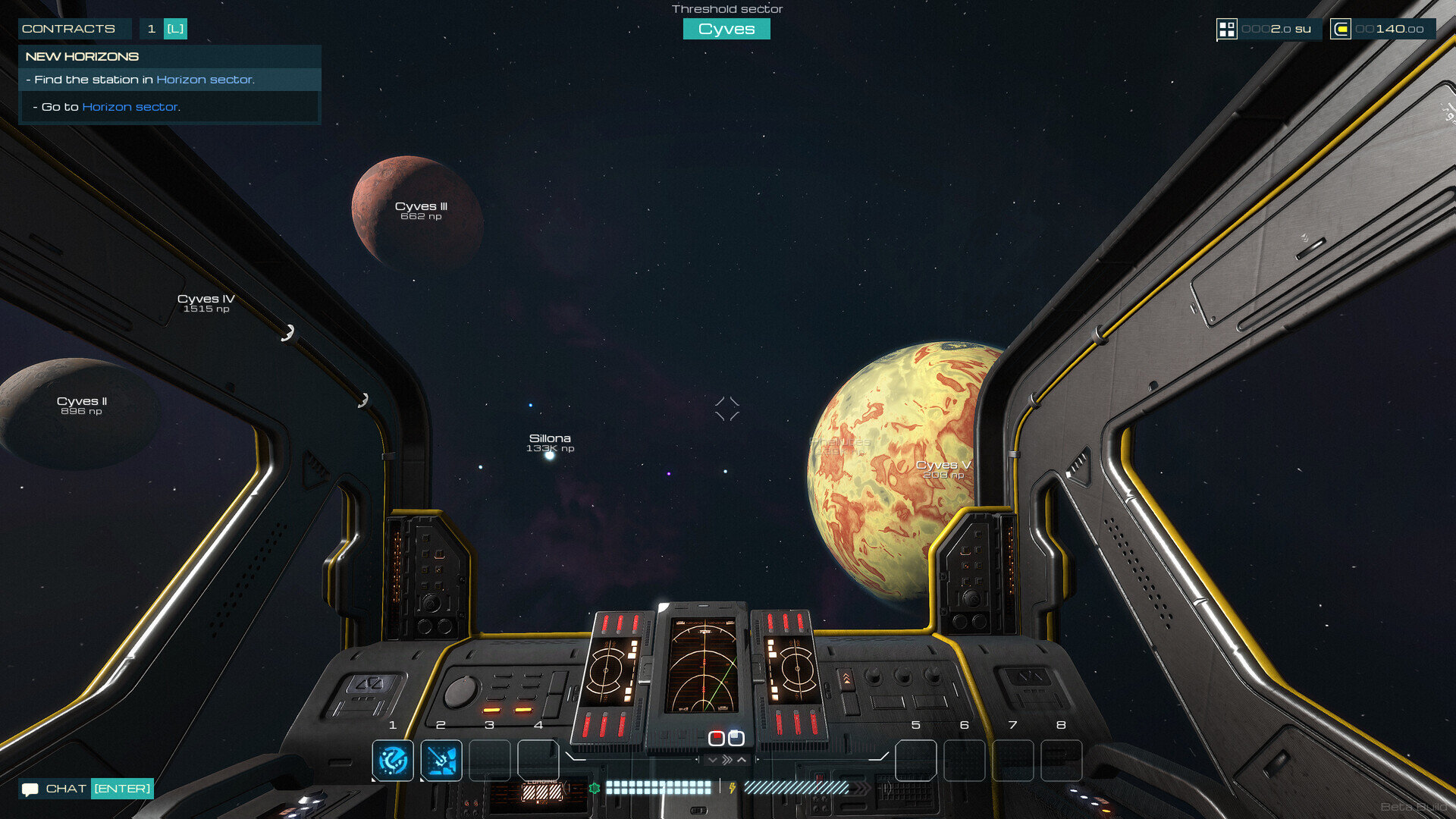
At its heart, SpaceCraft is a technical marvel designed to offer a seamless transition between planetary surfaces and the vacuum of space. Eschewing the industry-standard "loading screen" approach to planetary travel, Shiro Games has implemented a seamless engine that allows pilots to descend from orbit directly onto a planet’s surface. This technical achievement serves a greater purpose: the pursuit of resources.
The galaxy is vast, consisting of multiple sectors, hundreds of star systems, and thousands of unique, procedurally influenced planets. Whether navigating through dense asteroid fields or scavenging the remnants of derelict space stations, the gameplay loop is anchored in the gathering and refinement of materials. These raw resources serve as the building blocks for a sophisticated manufacturing system, where players must process base elements into complex materials, high-tech components, and eventually, fully realized ship parts.

Modularity and Automation: The "Satisfactory" Influence
One of the most highly anticipated features of SpaceCraft is its modular ship-building system. Drawing favorable comparisons to the depth found in Bethesda’s Starfield, the game allows players to construct vessels from individual components rather than selecting from pre-set, static templates.
Every choice—from the placement of engines and cargo bays to the orientation of solar panels and mining lasers—has a tangible impact on the ship’s performance. A ship’s mass, center of gravity, and energy distribution directly affect its flight behavior, maneuverability, and overall utility. A vessel designed for long-range exploration will naturally differ significantly from a heavy-duty industrial freighter, forcing players to think critically about their ship’s design before leaving the dock.

Complementing this, the game introduces a sophisticated base-building layer. Players can establish operations on planetary surfaces to serve as the backbone of their industrial empire. By automating production chains, players can create complex manufacturing networks that operate autonomously. Shiro Games has clearly drawn inspiration from the factory-building genre (notably Satisfactory), emphasizing the creation of logistics networks. Over time, these systems are intended to grow, with plans to integrate AI-driven drones and automated trade fleets to ferry goods across inter-system trade routes.
Economic Sovereignty and Social Structures
Perhaps the most ambitious aspect of SpaceCraft is its commitment to a player-driven economy. In most MMOs, the economy is managed by developers through fixed NPC pricing. In SpaceCraft, prices are intended to fluctuate based on real-time supply and demand. If a specific component becomes scarce in one sector, the market value will rise, creating opportunities for enterprising traders to capitalize on these shifts.

Beyond simple trade, the game encourages deep social cooperation through its corporate system. Players can form organizations, effectively creating interstellar corporations that function as the primary political and economic entities in the game world. These organizations are designed to manage large-scale industrial projects, coordinate defense (when combat systems are implemented), and maintain control over vital trade hubs.
By centralizing the gameplay around these social structures, Shiro Games is fostering an environment where politics, diplomacy, and economic warfare are as critical to success as the ability to pilot a ship. The studio has explicitly stated that they want the trajectory of the galaxy to be determined by the community, not by scripted narrative events.

Development Status and the Road Ahead
The decision to enter Early Access is described by Shiro Games as a strategic move to ensure that the game’s complex systems are balanced correctly before a full 1.0 release. The studio estimates a minimum of six months in the Early Access phase, though this timeline is subject to change based on community feedback.
The Current State of the Game
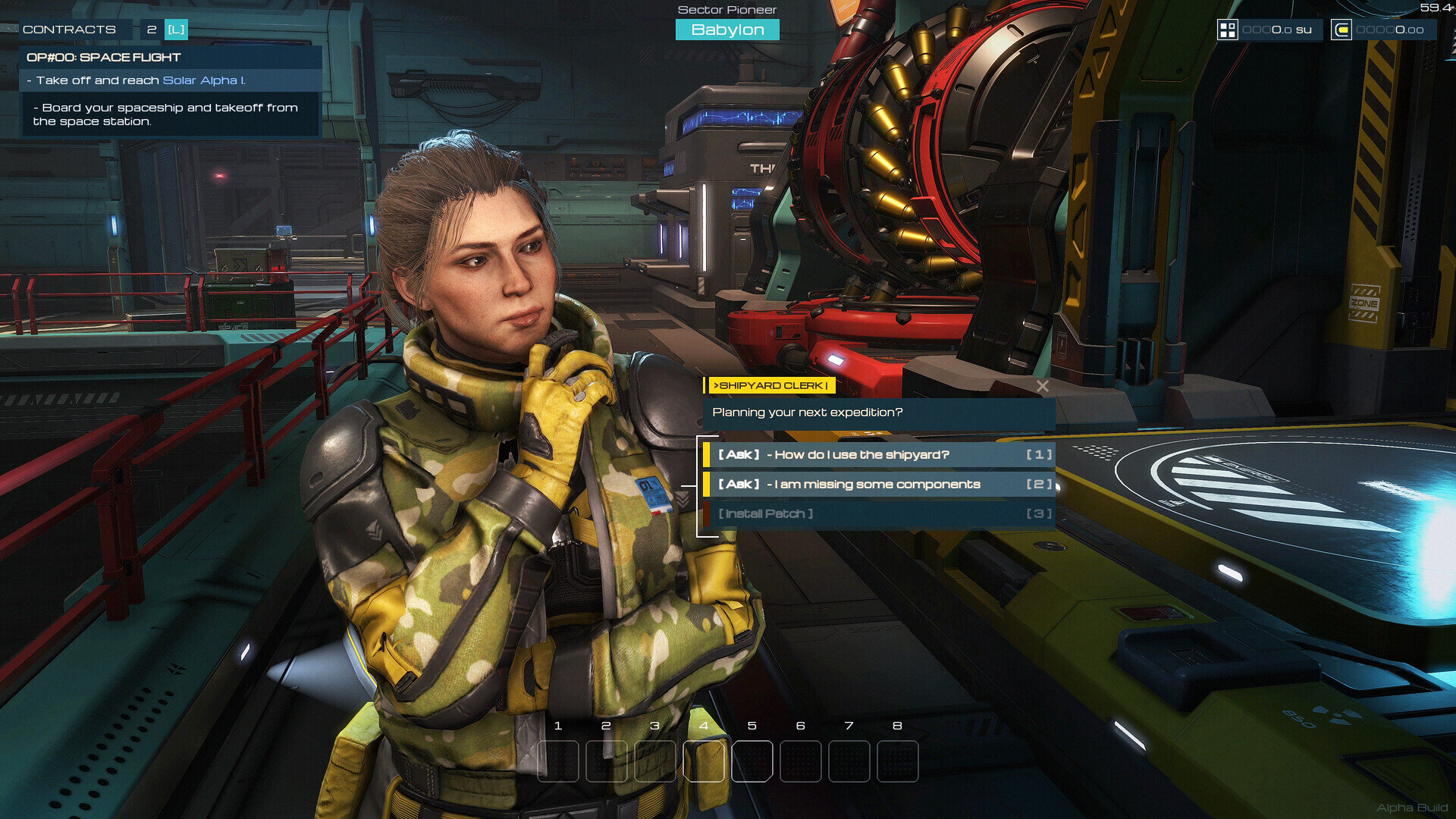
As of the launch, the core loop—exploration, resource extraction, crafting, and base building—is fully functional. However, the developers have been transparent about what is missing. Notably, dedicated PvP (Player vs. Player) combat and sophisticated ship-to-ship combat mechanics are still in the prototype and development phases. While the current build is stable, it is an "industrial focus" build, designed to test the stability of the economy and the efficiency of the manufacturing systems.
The Roadmap
Shiro Games has committed to an aggressive update schedule. Future updates are expected to include:
- Expansion of Space: Introduction of new sectors and diverse planet types to increase the diversity of available resources.
- Scientific Discovery: New gameplay loops centered around scientific research and technology development.
- Social Upgrades: Enhancements to the corporate management UI, allowing for better organization of large-scale player groups.
- Performance Optimization: Ongoing efforts to improve server stability and CPU utilization to handle the demands of a persistent galaxy.
The studio has emphasized that they will utilize Discord, the official Steam forums, and in-game surveys to keep the community at the center of the development process.
Financial Model and Long-Term Sustainability
SpaceCraft is priced at €29.99, with a 10% discount bringing it down to €26.99 for the launch period. Shiro Games has also been clear about their post-launch monetization strategy. To ensure the continuous funding of server maintenance and ongoing content development, the game will eventually feature a cosmetic-only shop.
The studio has provided a strict "no pay-to-win" guarantee, stating that skins, visual effects, and other store items will have zero impact on gameplay or ship performance. Additionally, players should anticipate that the base price of the game may increase upon the official 1.0 release, a standard practice for games that grow significantly in content and polish during their Early Access lifecycle.

Shiro Games: A Proven Track Record
To understand the potential of SpaceCraft, one must look at the pedigree of the developers. Based in Bordeaux, France, and founded in 2012 by Sebastien Vidal and Nicolas Cannasse, Shiro Games has spent over a decade proving they can tackle diverse genres.
Their debut, Evoland, demonstrated a clever, meta-narrative approach to RPG history. They then moved into the hardcore strategy space with Northgard, which remains one of the most successful Viking-themed RTS games in recent memory. Their work on Dune: Spice Wars showcased their ability to handle complex licenses and translate the tension of resource management into a compelling strategy format. With Wartales, they proved they could deliver a deep, tactical, and open-ended role-playing experience.

SpaceCraft represents a departure from their previous titles, which were largely focused on small-scale, session-based, or single-player-centric strategy. Moving into the "Persistent Online" space is a significant challenge, but given the studio’s history of iterative design and community-focused development, the industry is watching closely to see if they can replicate their previous successes on a galactic scale.
Implications for the Genre
The success of SpaceCraft could have significant implications for the sandbox MMO genre. For years, the market has been dominated by a few long-standing giants, leaving little room for new entrants that balance "hardcore" mechanics with accessibility. If Shiro Games can successfully marry the automation-heavy gameplay of titles like Factorio or Satisfactory with the expansive, social nature of a space sandbox, they may carve out a new niche for "Industrial Simulation MMOs."
However, the primary hurdle remains the stability of the persistent world. Creating a universe that feels alive, fair, and engaging for thousands of players simultaneously is a massive undertaking. The next six months will be the most critical in the studio’s history, as they transition from a developer of polished, self-contained strategy games to the stewards of a living, breathing digital universe.
For now, the early reception has been one of cautious optimism. Players are already experimenting with base designs and testing the limits of the modular ship-building system. Whether SpaceCraft becomes the next pillar of the genre or remains a specialized niche experience will depend on the studio’s ability to maintain their pace of development and the community’s willingness to help shape the galaxy. For those interested in the frontier, the doors are officially open.


 Ammar Sabilarrohman
 Reynand Wu