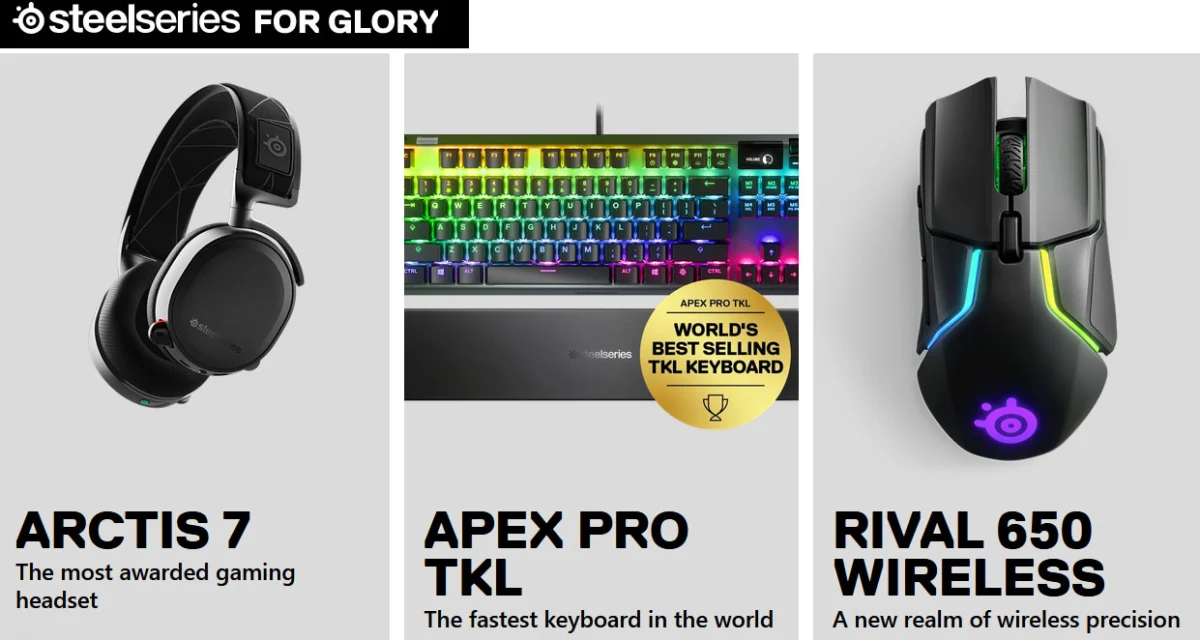
In a move that promises to reshape the landscape of high-performance gaming peripherals, Danish audio and hearing technology powerhouse GN Group has entered into a definitive agreement to acquire SteelSeries for approximately US$1.2 billion. The acquisition marks a significant consolidation in the technology sector, bridging the gap between professional-grade audiology and the rapidly expanding world of competitive eSports.
The Main Facts: A Strategic Integration
The transaction, valued at $1.2 billion on a cash and debt-free basis, is set to integrate one of the most recognizable names in gaming hardware into the vast portfolio of the GN Group. Founded in 1869, the GN Group is a global leader in intelligent audio solutions, best known for its consumer and enterprise-facing brands such as Jabra, ReSound, and BlueParrott.
Under the terms of the agreement, SteelSeries will function as an independent business unit within the GN Group structure. This strategic autonomy is intended to preserve the unique brand identity and internal culture that have defined SteelSeries for two decades, while providing the company with the substantial financial backing, R&D infrastructure, and global distribution network of its new parent organization. The deal is currently pending standard regulatory approval, with an anticipated closing date slated for the next calendar year.
Chronology: A Trajectory of Growth and Innovation
To understand the significance of this acquisition, one must examine the divergent yet complementary paths both companies have traveled over the past 150 years.
The GN Group Legacy (1869–Present)
GN Group began as the Great Northern Telegraph Company, a pioneer in global telecommunications. Over the last century and a half, the company transitioned from telegraphy to hearing aids and advanced headset technology. By focusing on the "Hear More, Do More, Be More" philosophy, the company has established a deep expertise in sound engineering, noise cancellation, and ergonomics—technologies that are becoming increasingly vital in the gaming space.
The SteelSeries Evolution (2001–2021)
SteelSeries was founded in 2001, entering the market during the nascent stages of modern professional gaming. Over the last 20 years, the company has been a relentless innovator, helping to define the eSports peripheral category.
- 2001–2010: Focus on high-end mousepads and headsets tailored for competitive FPS gaming.
- 2011–2019: Expansion into comprehensive gaming ecosystems, including the Arctis headset line, which garnered critical acclaim across the industry.
- 2020: A pivotal year for the company, as SteelSeries moved beyond traditional hardware. They acquired Nahimic, a specialist in 3D audio software, and KontrolFreek, a market leader in high-performance gaming controller accessories. These acquisitions transformed SteelSeries into a multifaceted tech entity, likely making it a more attractive target for the GN Group.
Supporting Data: Why the Acquisition Makes Sense
The valuation of $1.2 billion reflects not only the current hardware market share of SteelSeries but also the long-term potential for synergy between the two companies.
The "Audio" Synergy
GN Group’s expertise in medical-grade hearing technology and consumer audio (Jabra) provides a massive R&D advantage for SteelSeries. As the gaming market shifts toward "spatial audio" and long-form immersive experiences, the integration of GN’s proprietary acoustics research into SteelSeries products could set a new industry benchmark.
Market Reach and Distribution
SteelSeries has cultivated strong partnerships with major systems manufacturers (OEMs), placing their peripherals in high-end pre-built gaming rigs globally. By leveraging GN’s established logistics chains, SteelSeries can optimize its supply chain and reduce costs, potentially increasing its competitive edge against rivals like Razer, Logitech, and Corsair.
Software and Peripheral Diversification
The inclusion of Nahimic’s 3D audio software and KontrolFreek’s controller accessories provides GN with a diversified revenue stream. Software-based revenue—driven by Nahimic’s integration into third-party hardware—is highly scalable and offers recurring growth potential that hardware-only companies often struggle to achieve.

Official Responses and Corporate Sentiment
Leadership on both sides of the deal has expressed optimism regarding the acquisition, emphasizing continuity and shared vision.
SteelSeries Perspective
Ehtisham Rabbani, CEO of SteelSeries, has been vocal about the strategic necessity of the merger. In an official statement, Rabbani noted, "Joining the GN Group is a transformative milestone for SteelSeries. We have spent twenty years building a brand that gamers trust. With the resources and technical depth of GN, we are positioned to accelerate our growth trajectory, invest in deeper innovation, and bring our vision of the future of gaming to a wider audience than ever before." Rabbani has assured fans that the current leadership team will remain in place, ensuring that the company’s "gamers-first" culture remains intact.
GN Group Perspective
René Svendsen-Tune, CEO of GN Group, expressed his profound respect for the brand SteelSeries has built. "We have long admired the innovation and world-class products that SteelSeries brings to the gaming community," said Svendsen-Tune. "By combining our expertise in hearing and audio with their deep roots in eSports, we are creating a powerhouse of industry-defining innovation. We are not just buying a company; we are welcoming a partner who shares our obsession with high-quality sound and user-centric design."
Implications: What This Means for the Industry
The acquisition of SteelSeries is a bellwether for the future of gaming peripherals. As the industry moves toward a "lifestyle" model, where the lines between professional work, communication, and gaming blur, the resources of a legacy company like GN Group become increasingly relevant.
Implications for Gamers
For the end-user, the immediate future is likely to be defined by increased R&D output. Consumers can expect a faster iteration cycle on gaming headsets, likely featuring improved microphone noise cancellation and spatial awareness technology derived from GN’s medical-grade research. The "Arctis" product line, already lauded for its sound quality, will likely benefit from these new technical resources.
Implications for the Competitive Market
The move places pressure on other gaming peripheral manufacturers. While companies like Logitech have historically held a broad portfolio, they now face a newly capitalized SteelSeries backed by the industrial might of a 150-year-old audio giant. This could lead to a "war of innovation," where companies compete more aggressively on software-hardware integration and specialized audio features.
Implications for Industry Consolidation
This deal validates the trend of "specialized tech" being absorbed into "generalist audio-tech" companies. It suggests that companies like GN, which were traditionally excluded from the "gaming aesthetic," are now viewing the eSports demographic as a critical pillar of their long-term growth strategy.
Conclusion
The $1.2 billion acquisition of SteelSeries by the GN Group is more than a simple transaction; it is a convergence of two distinct technological worlds. By combining the agility, branding, and community loyalty of SteelSeries with the scientific rigor and global scale of the GN Group, the new partnership is well-positioned to dominate the peripheral market.
As the deal moves toward its final regulatory approval, the gaming community watches with cautious optimism. While the specter of "corporate interference" often looms over such acquisitions, the explicit promise of autonomy and the preservation of existing leadership suggests that SteelSeries is looking to maintain its creative spirit. If the integration is managed with the precision that both companies are known for, the result could be a new era of gaming hardware that sets a standard for audio performance, comfort, and technological sophistication for years to come.
For now, the industry awaits the close of the deal next year, which will mark the official beginning of a new chapter for one of the most beloved names in the gaming peripheral space. With the combined heritage of a century-and-a-half-old communications leader and the modern, high-octane innovation of a twenty-year-old gaming titan, the future of the eSports experience looks, and sounds, more promising than ever.