Neng Nana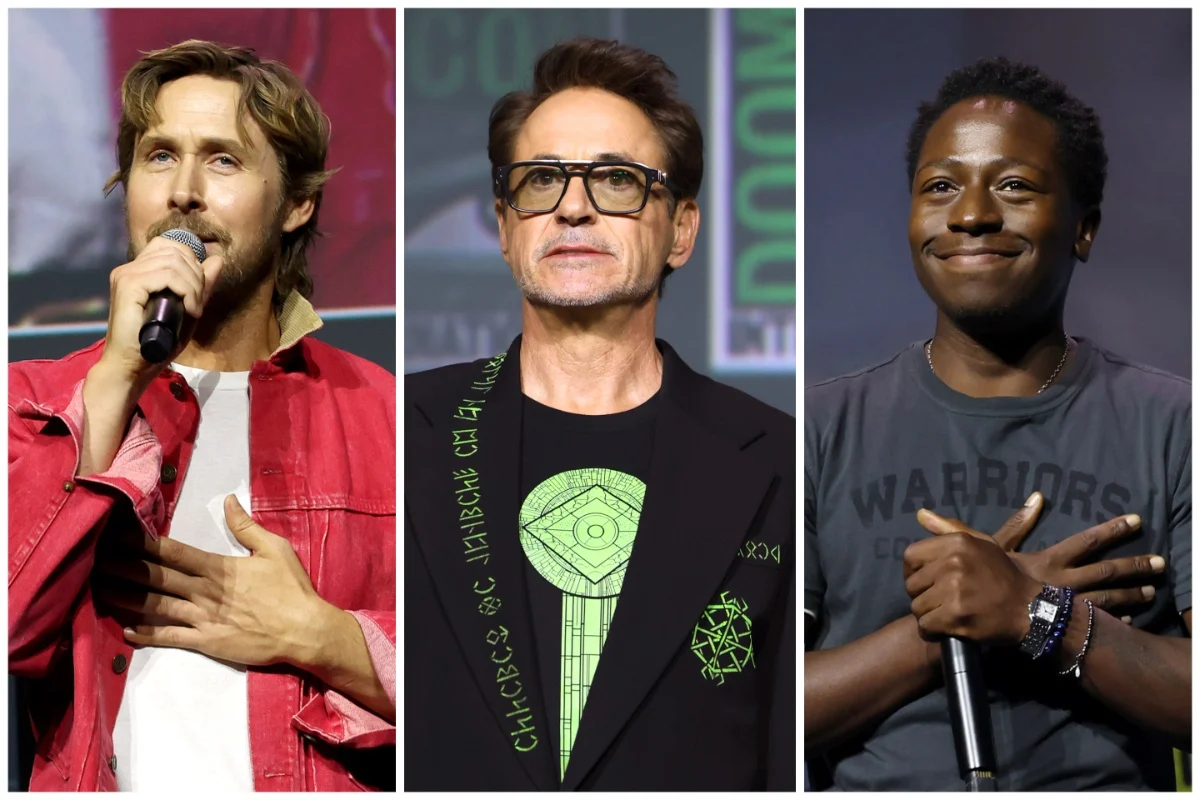
For the legions of Marvel devotees who braved the grueling, 30-plus-hour pavement residency outside the San Diego Convention Center, Saturday night’s Hall H panel was the culmination of a year’s worth of anticipation. Yet, as the lights dimmed on a brief 40-minute presentation, the atmosphere in the room shifted from electric anticipation to a palpable, confused restlessness. In an era where Marvel Studios once commanded the cultural zeitgeist with sprawling roadmaps and star-studded surprises, this year’s presentation felt less like a seismic shift and more like a muted echo of past glories.
The Chronology of a Muted Evening
The evening began with a 30-minute delay that served as an unfortunate prelude to the pacing issues that would follow. When the stage finally lit up, Marvel Studios president Kevin Feige opened with a procedural acknowledgment, confirming Stephen Wacker’s appointment as the new Marvel Comics editor-in-chief. While significant for the publishing side of the house, it was an academic start for a crowd baying for cinematic blood.
Feige’s first attempt to stir the room involved the announcement of an "Endgame Encore" re-release—a theatrical push for Avengers: Endgame that promised an exclusive sneak peek at the upcoming Doomsday. For a fanbase that has already dissected every frame of the MCU’s history, the prospect of a re-edited trailer for a five-year-old film failed to ignite the expected fervor.
The panel’s structural heartbeat was erratic. It transitioned into a meta-theatrical bit involving "Happy Sad Confused" host Josh Horowitz, who spent time recapping his long-running interview history with Ryan Gosling regarding a potential Ghost Rider project. While the revelation that Gosling and director Shawn Levy are officially moving forward with a Ghost Rider film—slated for 2028—was objectively massive, the delivery felt disjointed. For those not terminally online or deeply embedded in the "rumor mill" culture of MCU fandom, the context was thin, leaving casual attendees scrambling to catch up.
The final segments of the panel focused on Doomsday and a surprising reveal regarding the Black Panther franchise, but the overall lack of a cohesive "Phase" roadmap left the audience wondering if Marvel is currently playing a game of catch-up rather than leading the charge.
Supporting Data: The Doomsday and Black Panther Reveals
The centerpiece of the evening was undoubtedly the footage for Doomsday. The Russos, returning to the director’s chair, showcased a trailer that provided more depth to Robert Downey Jr.’s iteration of Victor von Doom. The footage highlighted the character’s tortured history with the Fantastic Four, painting a picture of a villain driven by personal tragedy. Perhaps the most visceral reaction from the crowd occurred when the trailer revealed a fleet of giant Sentinel robots—a clear nod to the X-Men mythos—descending upon the MCU’s heroes.
However, the "Deadpool" cameo that occurred during this segment served as a point of confusion rather than a moment of triumph. A figure in the gray X-Force costume appeared in the crowd, voiced by someone bearing an uncanny resemblance to Ryan Reynolds. Yet, the figure remained masked, and the Russos offered no clarification, effectively sidelining one of Marvel’s most bankable assets.
The most substantive news of the night arrived in the form of Black Panther 3. Ryan Coogler is set to return to the director’s chair, but the announcement came with a major casting update: David Jonsson, known for his compelling performance in Alien: Romulus, has been tapped to play T’Challa II. While Jonsson is a formidable talent, the task of carrying the mantle in the wake of Chadwick Boseman’s legacy is a monumental undertaking that will define the next decade of the Wakandan narrative.
Implications for the MCU’s Future
The absence of any concrete X-Men roadmap is perhaps the most glaring omission of the night. With Marvel’s future relying heavily on the integration of mutant lore, the silence on this front is deafening. Fans expected at least a mention of a casting search or a project title, but the studio remained tight-lipped.
Furthermore, the "Dunesday" conflict looms large. With Doomsday scheduled to face off against Warner Bros.’ Dune: Part 3 on December 18, the margin for error has vanished. Endgame reached the two-billion-dollar threshold because it felt like a cultural event that could not be missed. Doomsday, while promising, is currently lacking the narrative momentum required to reclaim that level of box-office dominance.
The studio’s reliance on nostalgia—re-releasing Endgame and leaning on the popularity of the Russo brothers—suggests a pivot toward safety. Yet, in a post-2024 landscape where audiences are increasingly critical of franchise fatigue, safety may be the greatest risk of all.
A Professional Assessment: Where Did the Magic Go?
In previous years, Marvel’s Hall H presentations were treated as the "Super Bowl of Nerdom." In 2024, the reveal of Robert Downey Jr. as Doctor Doom set a bar that was perhaps impossible to clear. By comparison, this year’s announcements—while significant—felt like they were leaked or anticipated to the point of exhaustion.
The lack of official response to the "Deadpool" mystery further highlights a disconnect between the studio and its most ardent supporters. When a character as popular as Deadpool appears on stage, fans expect a reveal, a handshake, or a confirmation of future integration. To treat it as a fleeting gag in a 40-minute presentation felt like a missed opportunity to generate the kind of viral, ground-level hype that defined the MCU’s golden age.
The Road to D23
All eyes now turn to the D23 Expo in three weeks. Historically, D23 has focused heavily on streaming and television, whereas Comic-Con remains the bastion of theatrical film news. If Marvel chooses to use D23 to fill the gaps left by the Hall H presentation, it will signify a shift in the studio’s communication strategy.
For the MCU to thrive, it must do more than just exist; it must excite. The current strategy of drip-feeding information regarding the 2028 slate, while keeping the immediate future (the X-Men, the post-Secret Wars landscape) under heavy lock and key, may be an attempt to preserve mystery. However, in the current landscape of content saturation, silence is rarely interpreted as mystery—it is often interpreted as a lack of direction.
As the dust settles in San Diego, the message from the fans is clear: they are ready for the next era, but they need the studio to be just as ready to share it. Whether Doomsday can serve as the catalyst for a new, cohesive vision remains to be seen. Until then, Marvel finds itself in the unfamiliar position of needing to prove its own relevance once more. The "Ghost Rider" and "Black Panther 3" announcements are promising anchors, but they are not yet a fleet. For the sake of the studio’s future, one hopes that the coming months will provide the clarity and bold vision that were noticeably absent from this year’s SDCC stage.

 Nana Wu
 Jia Lissa