Asep Darmawan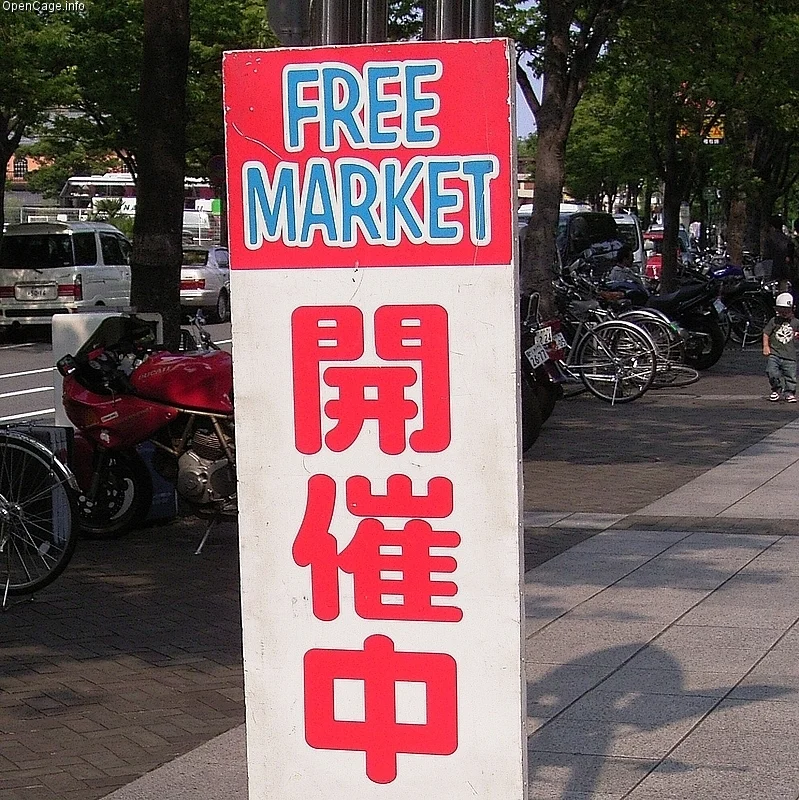
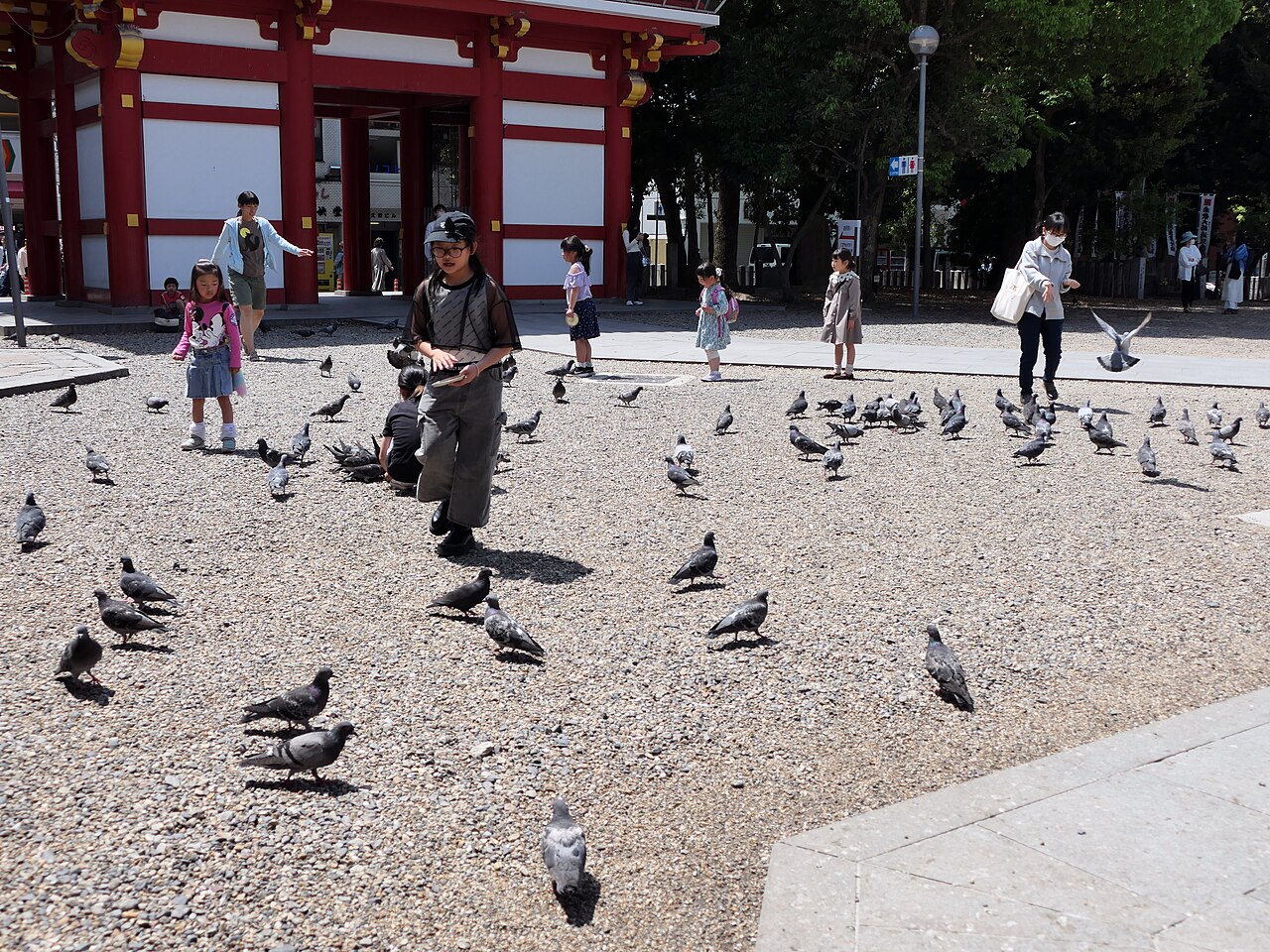
For those navigating the well-trodden paths of Tokyo’s vintage boutiques or Kyoto’s polished craft galleries, Nagoya offers a refreshingly raw, authentic alternative. Twice a month, the expansive, paved grounds of the Osu Kannon Temple undergo a radical transformation. What is typically a serene space for quiet reflection becomes a vibrant, sprawling bazaar of history, hosting one of Japan’s most significant recurring antique markets.
The Osu Kannon Antique Market—known locally as Osu Kannon Kottō-ichi—is not a curated tourist attraction. It is a working, breathing marketplace where local collectors, professional dealers, and curious passersby converge to trade in the remnants of Japan’s past. From Edo-period woodblock prints and Meiji-era silks to the chaotic charm of Showa-era vinyl records, this market serves as a tangible bridge between modern Nagoya and its storied history.
Main Facts: Navigating the Market
The Osu Kannon Antique Market is held on the 18th and 28th of every month. Regardless of whether these dates fall on a weekday or a weekend, the market operates rain or shine, unless extreme weather or typhoon warnings force a cancellation.
On a standard day, visitors can expect approximately 80 stalls, though this number often swells to over 120 during weekend dates. The price range is as eclectic as the inventory: bargain hunters can find trinkets for as little as ¥500, while serious collectors can uncover high-value investment pieces priced at ¥500,000 or more.
One of the most striking aspects of the market for international visitors is its local nature. It is not uncommon to find yourself the only non-Japanese person browsing the aisles, offering an immersive, unfiltered experience that is increasingly difficult to find in more saturated tourist hubs.
A Chronology of Continuity
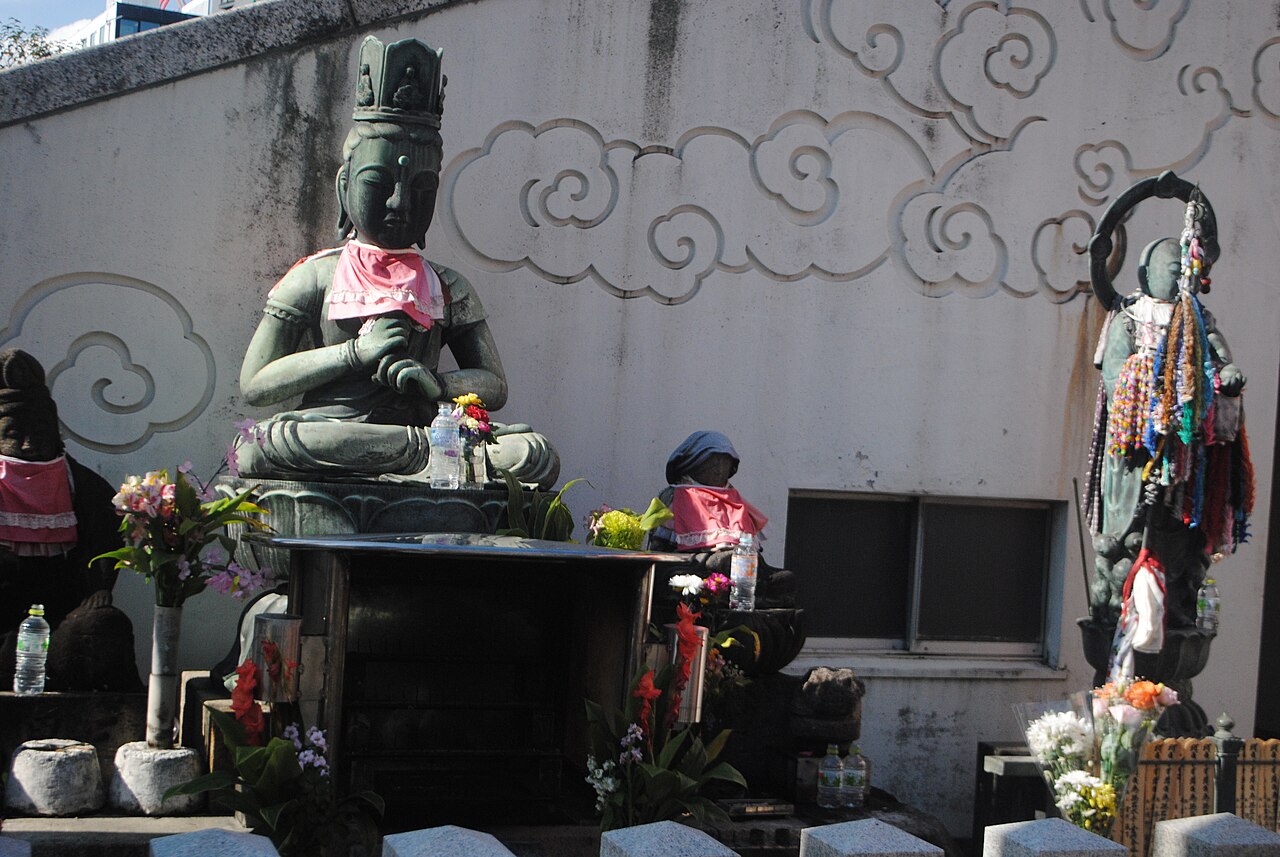
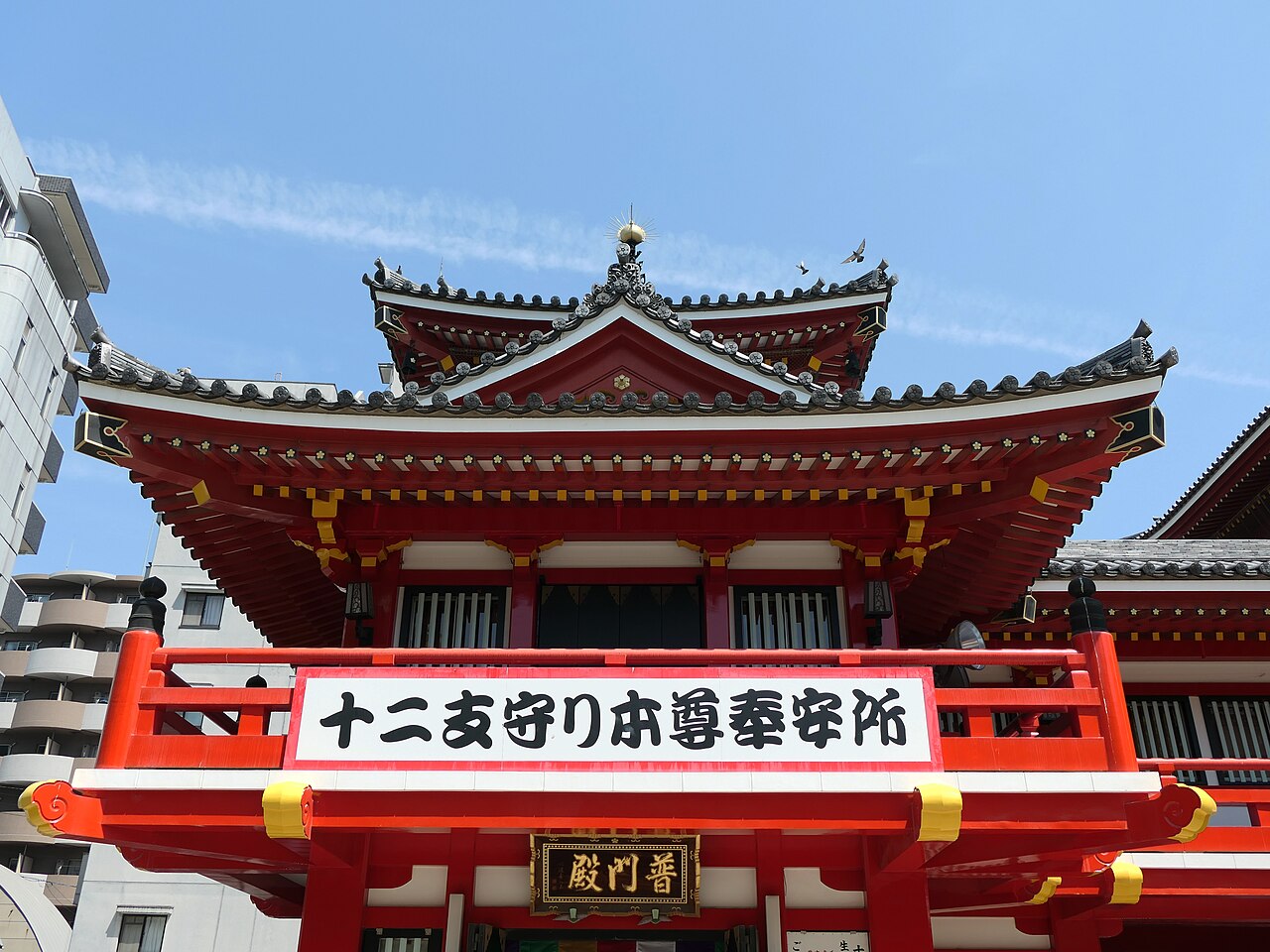
To understand the significance of the market, one must first understand the ground upon which it sits. The Osu Kannon Temple (officially Kitano-san Shinpuku-ji Hōshō-in) is a Shingon-sect Buddhist temple with a lineage dating back to 1333. Originally founded in the former Mino Province, the temple was relocated to its current site in Nagoya in 1612 by the order of the shogunate founder, Tokugawa Ieyasu.
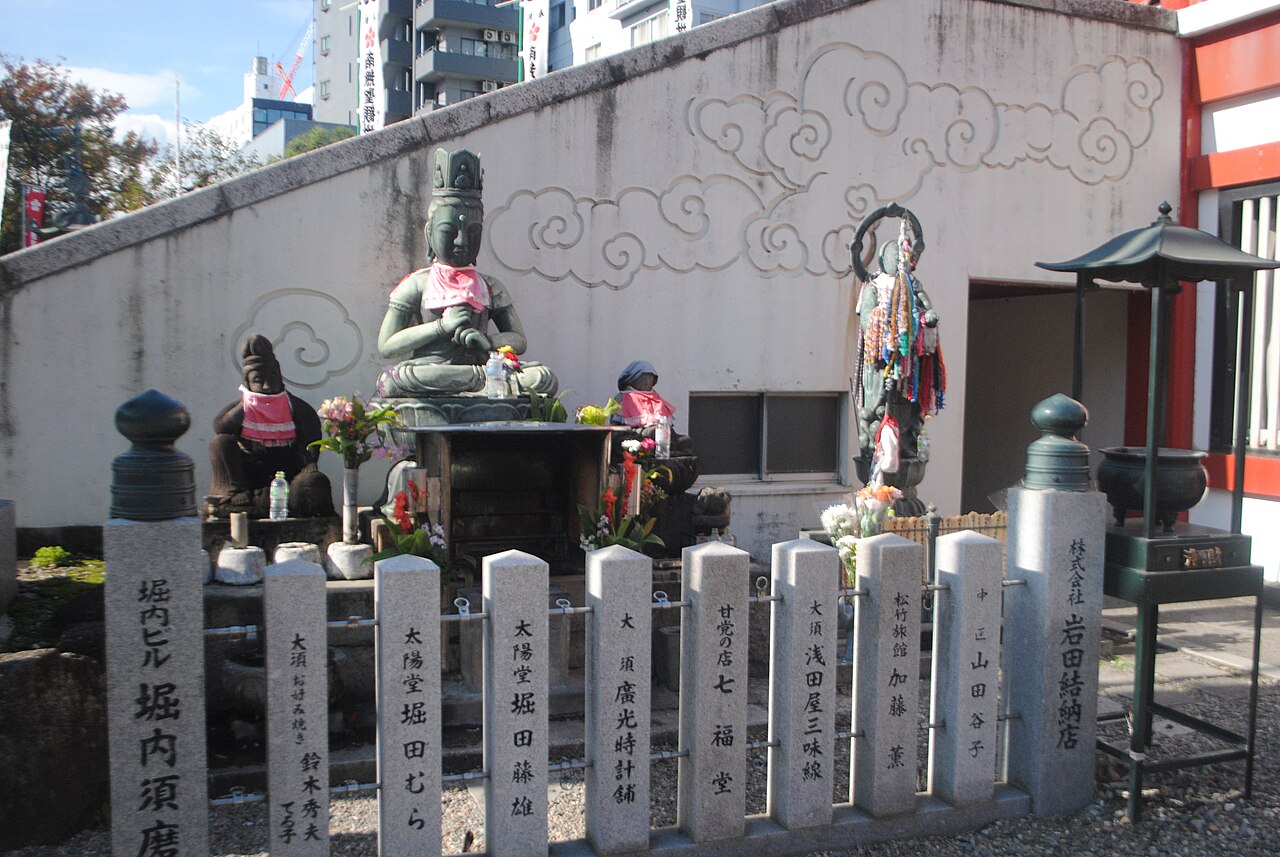
The relocation was a strategic masterstroke, intended to provide a religious and cultural anchor for the burgeoning Nagoya castle-town. Over the centuries, Osu Kannon became a repository for some of Japan’s most vital historical documents. Among its treasures is the Shinpukuji Bunko, a collection that includes one of the oldest surviving copies of the Kojiki—the foundational text of Japanese mythology—dating back to 1371. While the original manuscripts are preserved within the temple’s library and rarely displayed to the public, they underscore the site’s status as a guardian of Japanese heritage.
While the main hall that stands today is a 1970 reconstruction—the original having been lost to the firestorms of World War II—the institutional continuity remains unbroken. The market, by occupying this sacred space, creates a dialogue between the solemnity of the temple and the transient, earthy nature of the goods being sold.
Supporting Data: What to Expect in the Aisles
The merchandise at Osu is famously diverse. Unlike high-end antique districts in Tokyo, where items are often cleaned, restored, and premium-priced, the Osu Kannon market maintains a "discovery" atmosphere.
- Ceramics: Because of Nagoya’s proximity to the famous Seto and Tokoname kiln districts, the market is a goldmine for pottery. You will find everything from rustic, unglazed stoneware to refined tea ceremony bowls.
- Textiles: The selection of kimono and obi is extensive. Collectors often scour these stalls for vintage silk patterns that are no longer produced, ranging from formal wedding kimonos to everyday cotton yukata.
- Memorabilia: The Showa-era (1926–1989) is well-represented through vinyl records, film cameras, tin toys, and retro signage. It is a nostalgic goldmine for those interested in mid-century Japanese pop culture.
- Samurai and Militaria: It is not unusual to find authentic Edo-period sword fittings, armor components, or calligraphy scrolls that have been pulled from long-standing family collections.
Official Guidance and Best Practices
The market is an informal environment, but navigating it successfully requires a bit of preparation.
Pricing and Haggling
While Japanese retail is generally fixed-price, the antique market operates on a different logic. Haggling is acceptable, but it should be approached with cultural sensitivity. A standard negotiation might result in a 10–15% discount. Attempting to slash prices by half is widely considered disrespectful. Always ask, "Kore wa ikura desu ka?" (How much is this?) and negotiate politely for no more than one or two rounds.
Logistics and Payments
Cash is king. Almost all transactions are conducted in yen, and the majority of stallholders do not accept credit cards. While some high-end dealers may accept cards for purchases exceeding ¥50,000, visitors should carry ample cash in ¥1,000, ¥5,000, and ¥10,000 denominations. An ATM is conveniently located at a 7-Eleven just 200 meters from the temple’s east gate.
Authentication
There is no central authority verifying the authenticity of goods at the market. This is a caveat emptor (buyer beware) environment. For high-value items, such as swords or ceramics, buyers should look for hakogaki (inscriptions on the wooden storage box) or dealer certificates. If you are a casual buyer, focus on the aesthetic and emotional value of the object rather than its investment potential.
Shipping
International shipping is rarely offered by individual stallholders. For large or fragile items, it is best to visit the local Yamato Transport (Kuroneko) office located near the temple. They provide reliable, albeit reasonably priced, international shipping services.
The Broader Context: The Osu Shopping District
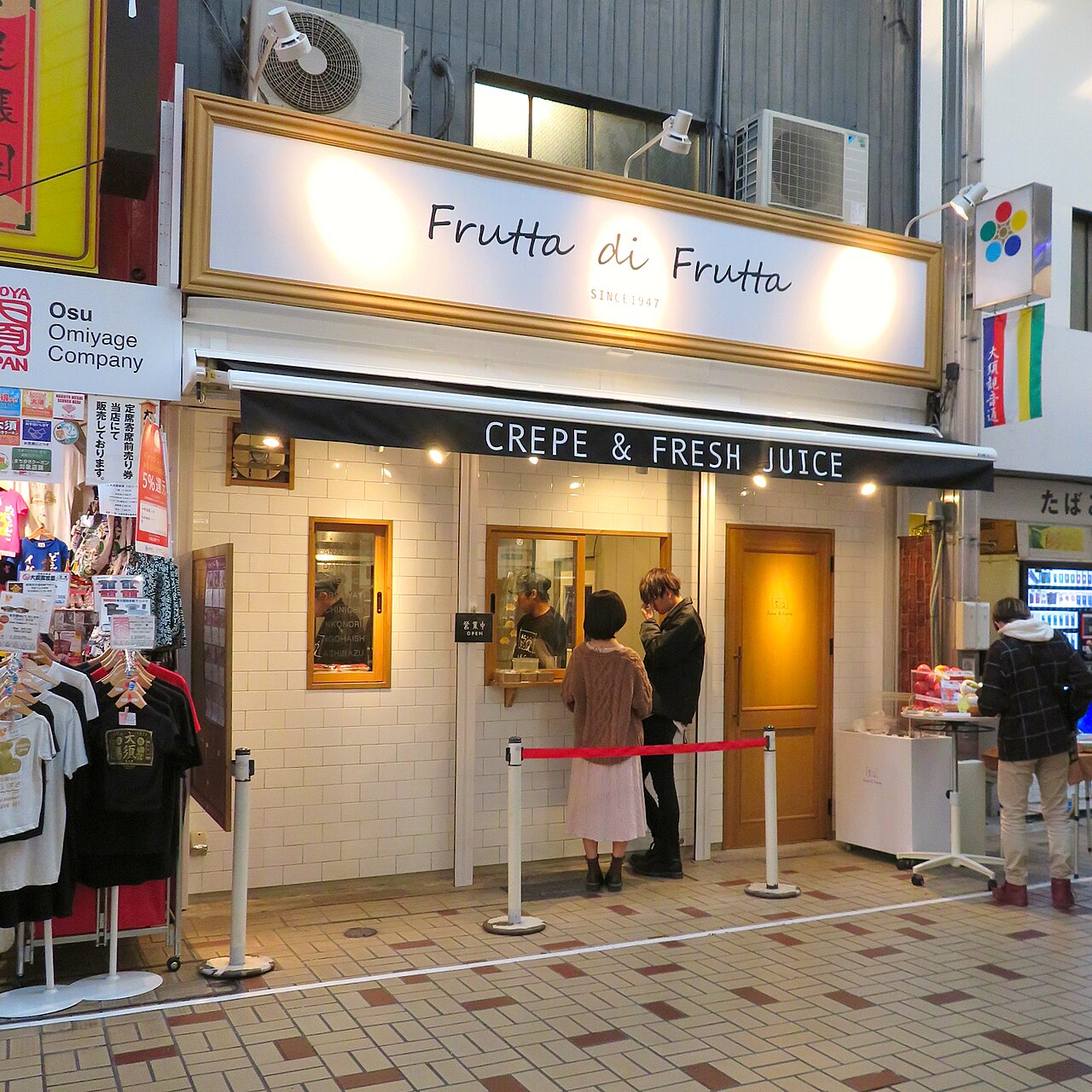
The market does not exist in a vacuum. It is physically and culturally tethered to the Osu Shopping District, a vast, interconnected network of covered arcades. This district acts as the "Akihabara of the West," known for its dense concentration of electronics, retro gaming shops, second-hand clothing stores, and a dizzying array of street food.
The juxtaposition is the district’s defining feature. A visitor can spend their morning examining a 300-year-old tea bowl in the temple precinct and their afternoon purchasing a rare 1980s Japanese City Pop vinyl record just a few streets away. The area is also home to some of Nagoya’s most iconic culinary experiences, including hitsumabushi (grilled eel) and tebasaki (spicy fried chicken wings).
Implications for the Regional Antique Circuit
Nagoya’s antique scene is more robust than a single market would suggest. For the dedicated collector, the Osu Kannon market is just one piece of a regional puzzle:
- Wakamiya Hachimangu Antique Market (1st Saturday of the month): A smaller, more specialized event focusing on classical antiques.
- Toyota Daihatsu Shrine Market (8th of the month): A community-focused market at the historic Arako Kannon, excellent for retro toys and household items.
- Shinshoji Temple Antique Fair (2nd Sunday of the month): A must-visit for pottery enthusiasts, given its strong ties to the nearby kilns.
- Heiwa Park Weekly Market (Every Sunday): A general-purpose flea market that captures the daily life and craftsmanship of the Nagoya suburbs.
Final Verdict: Is It Worth the Trip?
The Osu Kannon Antique Market is a quintessential experience for those who prefer their travel with a side of discovery.
For the dedicated antique collector, it is a high-value destination. The pricing often reflects a regional market that is not yet fully inflated by international tourist demand, meaning rare finds are more accessible here than in Tokyo or Kyoto.
For the cultural traveler, it provides an intimate look at the Japanese tradition of mottainai—the concept of not wasting, and finding new value in old objects. The market is not just a place to buy goods; it is a place to witness the preservation of Japanese material culture.
If your travel itinerary allows, aligning your trip with the 18th or 28th of the month offers a unique opportunity to see a side of Nagoya that remains hidden to the casual visitor. It is, in every sense, a journey back in time, conducted in the shadow of a temple that has watched the city evolve for over 700 years.


 Neng Nana
 Asro
Asro