

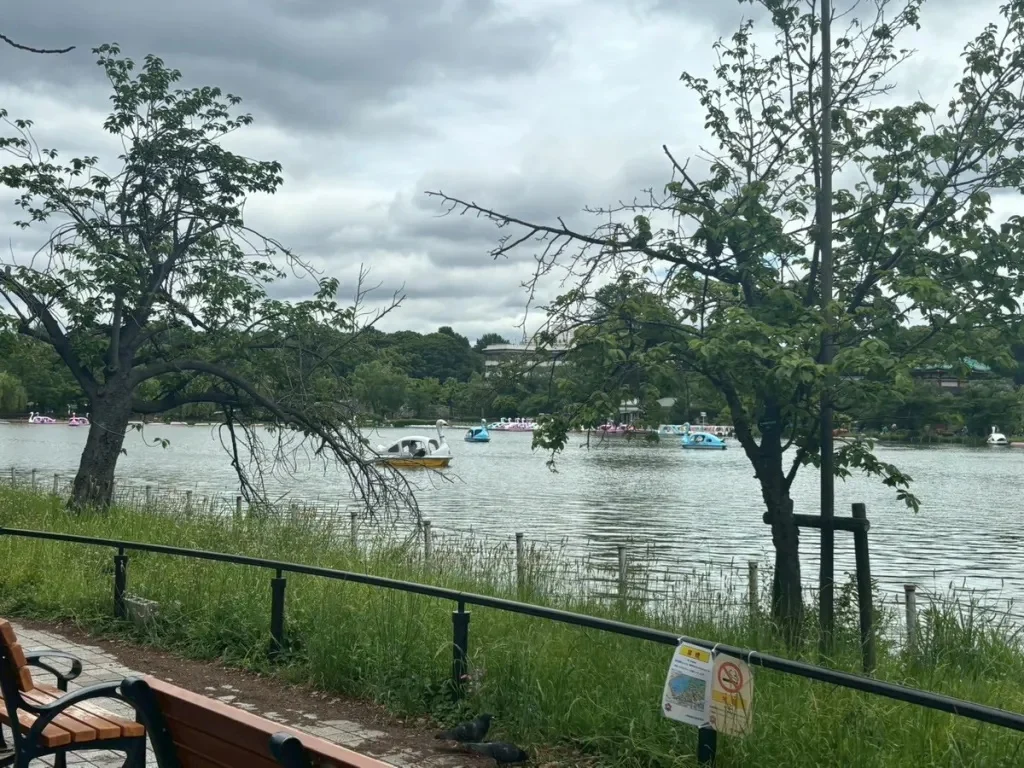
In an era defined by digital hyper-connectivity and the growing epidemic of urban loneliness, finding meaningful, face-to-face interaction has become an increasingly daunting task. For many, the standard social template—meeting at a crowded café, attending a networking mixer, or navigating the awkward silence of a dinner party—feels performative and exhausting. However, a quiet social movement is gaining traction in the heart of Japan, transforming the mundane act of walking into a profound exercise in human connection.
The "Taiwamura Walking Club" (Taiwamura Sampo-bu) is at the forefront of this trend. By blending the physical benefits of a city stroll with structured, low-stakes philosophical inquiry, the organization has created a unique social laboratory. Participants don’t just walk; they engage in "mobile discourse," proving that sometimes the best way to get to the heart of a difficult question is to keep your feet moving.
The Core Concept: Philosophy in Motion
At its simplest, the Taiwamura Walking Club operates on a straightforward premise: gather a small group of strangers, set a predetermined route through the city, and provide a single, thought-provoking prompt. Unlike academic debate societies or formal philosophy clubs, the goal here is not to reach a definitive consensus or demonstrate intellectual superiority.
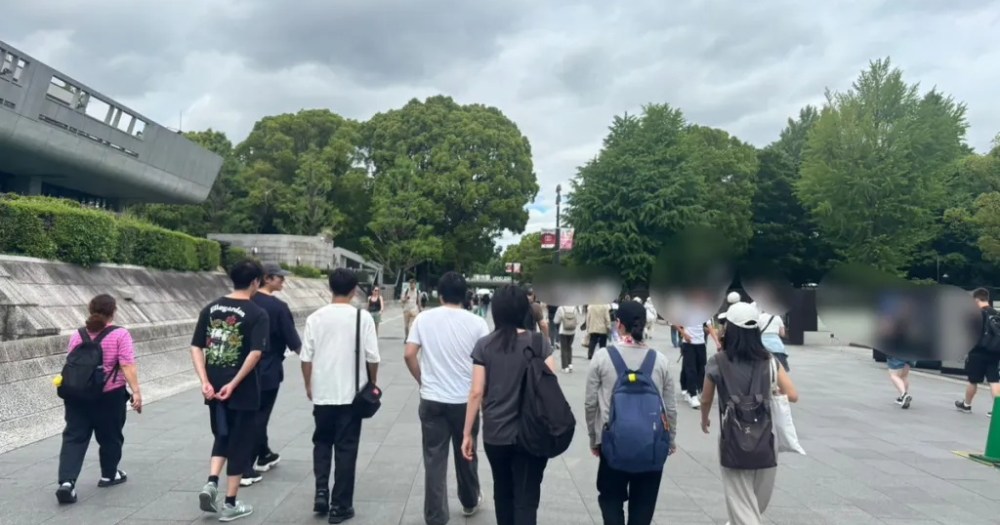
The name itself—Taiwa, the Japanese term for "discussion" or "dialogue"—sets the tone. It suggests a collaborative exchange rather than a competitive argument. These walks are designed to be accessible, stripping away the requirement for specialized knowledge. Instead, they rely on universal human experiences to bridge the gap between people of vastly different backgrounds.
Chronology: A Morning in Ueno
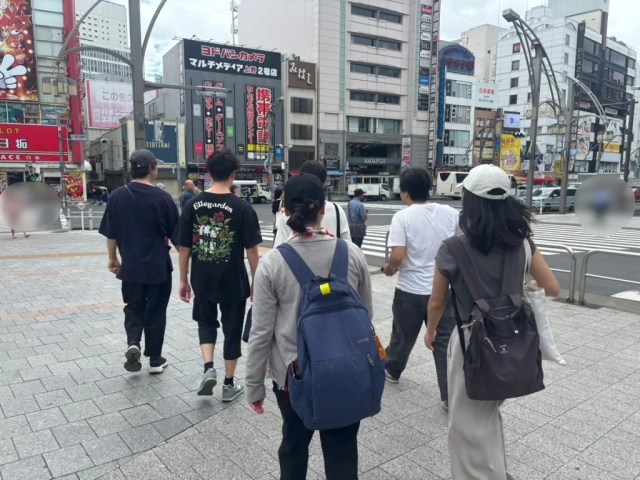
The recent session, which drew a diverse crowd to the bustling Ueno Station at 10:00 a.m., serves as a perfect microcosm of the club’s methodology. The demographic makeup was a testament to the club’s universal appeal: attendees ranged from a 19-year-old university student to working professionals and retirees, creating an intergenerational dynamic rarely found in standard social settings.
The Initial Phase: Breaking the Ice
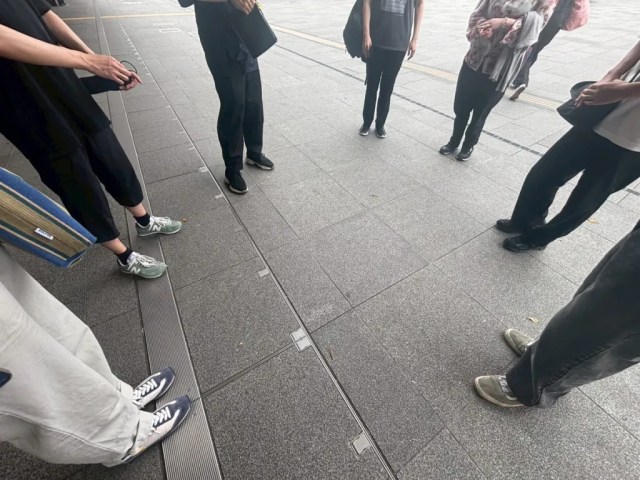
The process began with a brief, informal round of introductions. In a city as fast-paced as Tokyo, where privacy is often guarded and social boundaries are strictly defined, these introductions serve as the necessary "de-escalation" of social anxiety. By 10:15 a.m., the group was already in motion, led by a representative who set a steady, manageable pace.
The Mid-Walk Evolution
As the group navigated the streets of Ueno, the "official" topic for the day was introduced: "Why does loafing around the house make people feel guilty?"
Initially, the conversation stayed close to the prompt. Participants exchanged personal anecdotes about "doom-scrolling" through social media or the vague, gnawing sensation that one should be "doing something productive." However, as the physical rhythm of walking took over, the conversation began to drift. The shared act of moving through the urban landscape acted as a social buffer.
The Synthesis
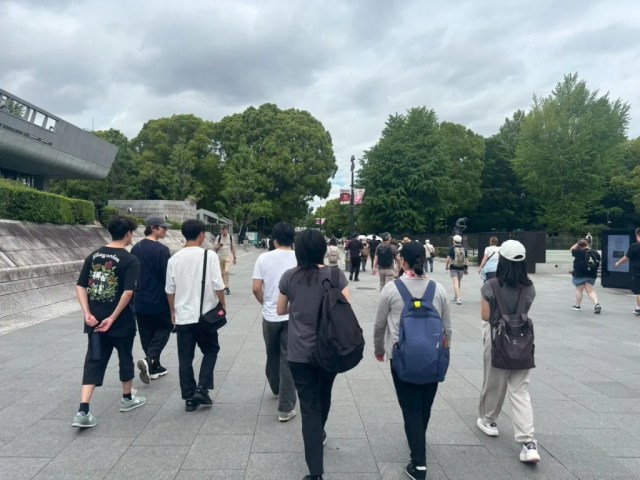
By the end of the one-hour trek, the group had meandered through topics ranging from workplace stress and evolving hobbies to the nuances of daily life. The conversation felt organic, fluid, and remarkably free of the awkward silences that typically plague first-time meetings. The walk concluded not with a formal summary, but with a shared sense of accomplishment and, for many, a feeling of genuine mental clarity.
Supporting Data: Why Walking Facilitates Connection
Psychologists have long noted that "walk-and-talk" meetings are superior to static interactions for several physiological and neurological reasons.
- Reduced Eye Contact Pressure: Staring at someone across a table can be intimidating. When walking, participants face forward, side-by-side. This shared focus on the environment reduces the intensity of social pressure, allowing for more honest and less inhibited speech.
- The "Third Space" Effect: By moving through a neutral, public space, participants are freed from the territorial or social expectations of a home or a corporate office. The city itself becomes a participant in the conversation, providing external stimuli that can fill silences naturally.
- Cognitive Synchronization: Studies have shown that physical movement can increase creative output and cognitive flexibility. When we walk, we are more likely to think laterally, which makes for better, more philosophical conversation than sitting in a stagnant, high-pressure environment.
The Philosophical Takeaway: Decoding the "Guilt of Loafing"
While the Taiwamura group never intended to solve the mystery of modern procrastination, they did arrive at a collective, if informal, consensus regarding the "guilt of loafing." The participants identified three primary drivers of this modern anxiety:
- The Loss of Intentionality: Many members noted that the guilt arises not from the act of resting, but from the lack of purpose in that rest. Scrolling through endless social media feeds feels passive, whereas reading a book or gardening—even if they are leisurely—feels like a chosen, creative use of time.
- The Productivity Myth: The group discussed the pervasive pressure to be "optimized." In a culture that prizes efficiency, the act of doing nothing feels like a form of waste, even when the body and mind are clearly in need of recovery.
- The Sleep-Deprivation Cycle: Several participants pointed out a vicious feedback loop: the guilt of not having been "productive" enough during the day leads to late-night over-compensation or, conversely, a refusal to go to sleep because the day didn’t "feel" complete, leading to exhaustion the following morning.
Implications for Modern Urban Society
The success of the Taiwamura Walking Club is a signal to modern urban planners and social organizers. As our cities grow denser and our digital lives more isolating, the demand for "low-friction" social spaces is skyrocketing.
Bridging the Generational Gap
One of the most profound implications of this movement is its ability to facilitate dialogue between generations. In Tokyo, where the elderly and the young often live in separate social spheres, a walk provides a level playing field. A 19-year-old student and a 60-year-old retiree share the same sidewalk and the same philosophical prompt, effectively flattening the traditional Japanese social hierarchy.
The Future of Community Building
Platforms like Peatix and Kokucheese have become the digital infrastructure for this analog movement. These platforms allow organizers to curate specific, interest-based gatherings that would have been impossible to organize a decade ago.
The implication is clear: technology, when used to facilitate physical presence rather than replace it, remains a powerful tool for social health. For a fee as low as 500 yen (roughly $3.25 USD), or sometimes for free, participants are gaining access to mental health benefits that are often more effective than traditional networking events.
Conclusion: A Step Toward Empathy
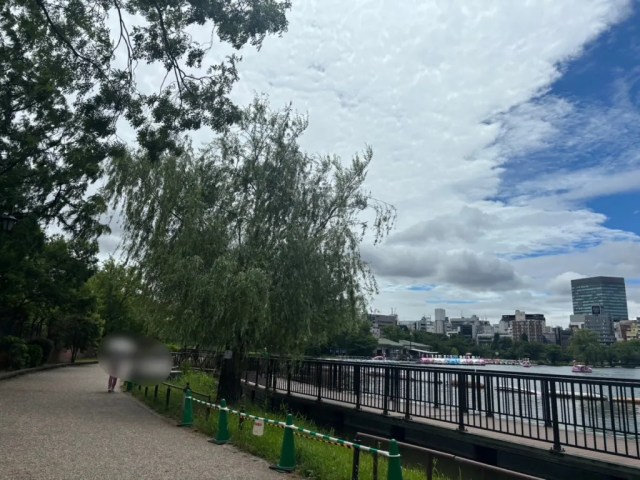
The Taiwamura Walking Club proves that the secret to better social health might not be found in an expensive app or a high-end social club, but simply in putting one foot in front of the other. By removing the obstacles of formal expectation and replacing them with the rhythmic, steady pace of a group walk, these strangers are finding common ground in the most unlikely of places.
As the world continues to navigate the complexities of post-pandemic social re-integration, the model provided by the Taiwamura Walking Club offers a blueprint for others. It reminds us that we are, at our core, nomadic social creatures. We were designed to move, and more importantly, we were designed to discuss, to ponder, and to walk together—even when we have absolutely no idea who the person walking next to us might be.
In a world that often demands we be productive, efficient, and constantly "on," perhaps the most revolutionary thing we can do is take an hour, step out of the house, and join a group of strangers for a walk. You might find that the "guilt of loafing" vanishes the moment you start moving with others, replaced by the simple, profound joy of human connection.












No comments yet. Be the first to join the conversation!