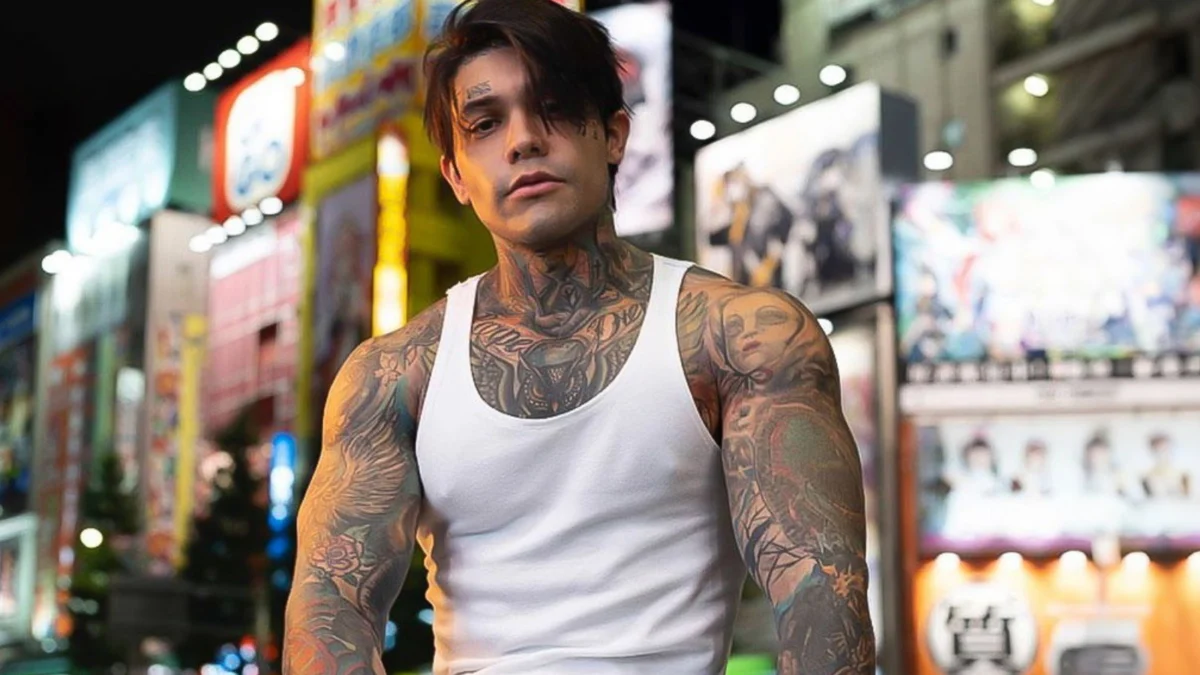
The global influencer economy has long been a source of both entertainment and friction, but the boundaries of acceptable behavior in shared, high-security spaces like commercial aircraft are being sharply redefined. Colombian social media powerhouse Yeferson Cossio, a titan of digital content with a combined reach of over 32 million followers across Instagram and TikTok, has found himself at the center of a major aviation controversy.
Following an incident on March 11, 2026, which saw the deployment of a chemical "stink bomb" aboard an Avianca transatlantic flight, the airline has officially barred the creator from its services for one year. This punitive measure marks a significant escalation in how commercial carriers are handling disruptive behavior from high-profile personalities, signaling that digital fame offers no immunity from the strict safety and conduct regulations governing international air travel.
The Incident: Chaos at 30,000 Feet
On March 11, 2026, Avianca flight AV46 was en route from Bogotá, Colombia, to Madrid, Spain. The transatlantic crossing, which typically traverses vast, isolated stretches of the Atlantic Ocean, was interrupted when an unauthorized chemical device was activated within the cabin.
Witnesses and subsequent airline reports indicated that the device released a noxious, foul-smelling substance that rapidly permeated the aircraft’s pressurized environment. While the incident did not reach the threshold of a critical emergency, the timing was particularly problematic. The aircraft was positioned far from any viable diversionary airports, leaving the crew and passengers to contend with the stifling, unpleasant odor for a significant duration of the flight.
The disruption caused immediate discomfort among passengers and forced the flight crew to manage a volatile situation mid-flight. Upon the aircraft’s arrival in Madrid, Avianca’s internal security teams acted swiftly, canceling Cossio’s scheduled return flight and initiating formal legal proceedings against the influencer.
Chronology of a Legal Confrontation
The resolution of this incident did not happen overnight. It was the result of months of negotiation and legal posturing between the influencer’s representatives and the Colombian flag carrier.
- March 11, 2026: The stink bomb is deployed on flight AV46, causing widespread passenger discomfort and triggering an immediate investigation by Avianca.
- March – August 2026: Legal action proceeds, with Avianca seeking accountability for the disruption.
- August 21, 2026: The parties reach a restorative justice agreement, effectively concluding the legal dispute. As part of the settlement, the one-year ban is formally instated, lasting until August 21, 2027.
- Late August 2026: Cossio publicly addresses the incident, offering an apology while acknowledging his role in the disruption.
The Restorative Justice Agreement
On August 21, 2026, Avianca released a statement confirming that the legal action against Yeferson Cossio had been resolved. The agreement serves as a compromise, balancing the airline’s need for strict safety enforcement with a restorative approach.
Under the terms of the agreement, Cossio is prohibited from flying with Avianca for a full year. Furthermore, the influencer has committed to a series of corrective measures designed to ensure that no such incident recurs. In his public comments, reported by the New York Post, Cossio adopted a conciliatory tone.
"It simply comes down to what I have said from the very beginning: offering an apology," Cossio stated. "Even though it wasn’t intentional, I messed up, and I will obviously refrain from using Avianca’s services for a year."
While the influencer maintains that the act was not a calculated malicious attack, the airline’s decision to pursue legal action highlights the zero-tolerance policy that major carriers are increasingly adopting regarding any behavior that compromises cabin atmosphere, air quality, or passenger peace.
A Month of Professional Turbulence
The airline ban is merely one facet of a broader, tumultuous month for the Colombian influencer. His public image has faced immense pressure due to a string of controversies that have drawn the attention of government regulators and law enforcement.

The Coljuegos Financial Penalty
Just days before the conclusion of the airline dispute, the Colombian gambling regulator, Coljuegos, handed down a significant financial sanction against Cossio. The regulator fined the influencer COP 116 million—approximately $37,900—for the unauthorized operation of a promotional game of chance on Instagram.
Beyond the fine, the ruling includes a five-year prohibition on the influencer participating in or operating any games of chance once the decision becomes final. While Cossio retains the right to appeal this sanction, the ruling represents a significant blow to his commercial ventures and his ability to leverage his platform for gambling-related promotional content.
The Chocó Controversy and Institutional Firearms
Perhaps the most damaging development in recent weeks involves a viral video from the Chocó region. While the influencer was engaged in a charitable initiative to deliver 40 tons of aid to earthquake victims, he was filmed handling a high-caliber police rifle.
The footage shows Cossio dancing with the weapon before handing it back to an officer. The optics of a civilian—regardless of their social media standing—handling an official, service-issue firearm sparked immediate national outrage. Colombian House Representative Claudia Romero Nader took swift action, filing a formal criminal complaint with the Attorney General’s Office. She also escalated the matter by alerting the Ministry of Defense, the National Police, the Inspector General’s Office, and the UN Verification Mission.
Cossio’s team has defended his actions, claiming that he had authorization to hold the rifle and that no individuals were placed in danger. However, the acknowledgment that a service weapon should never have been in the hands of a civilian has not quelled the backlash from government officials, who view the incident as a breach of protocol that undermines public trust in the police force.
The Rising Trend of Influencer Misbehavior in Aviation
Yeferson Cossio’s situation is not an isolated incident. In recent years, the intersection of "influencer culture" and commercial aviation has become a battleground for cabin crew and airline legal departments.
Social media creators often seek to generate viral content through stunts, which, in the confined space of a commercial jet, often cross the line into illegal interference with flight operations. Recent headlines have included:
- The "Naked" Boarding Claim: An influencer alleged she was denied boarding for wearing an outfit that allegedly looked "naked," sparking a debate over dress codes and influencer-driven controversies.
- Aisle Gymnastics: A fitness creator faced global condemnation after attempting to perform a workout routine in the middle of an active flight aisle, obstructing crew members during safety-critical service times.
- Medical Emergencies as Content: Another creator was removed from a flight after becoming ill following cosmetic surgery, raising questions about the responsibility of travelers to disclose medical conditions before flying.
Implications for the Future of Social Media Accountability
The case of Yeferson Cossio is a harbinger of a new era for content creators. As social media platforms continue to grow in influence, the actions taken by individuals like Cossio are no longer just "online drama"—they have real-world consequences that include massive fines, loss of travel privileges, and criminal investigations.
Airlines are increasingly leveraging the full extent of their legal departments to deter disruptive behavior. The shift toward "restorative justice agreements" suggests that while airlines may prefer to avoid prolonged litigation, they are no longer willing to let disruptive stunts go unpunished.
For followers, the situation offers a cautionary tale regarding the parasocial relationships built with influencers. When a public figure acts in ways that disrupt the safety and security of others, the glamorized nature of their online persona quickly gives way to the harsh realities of legal liability and institutional bans.
As the legal processes surrounding Cossio’s recent controversies continue to unfold, the message to the creator community is clear: The sky is not the limit when it comes to the consequences of professional negligence, and the digital world is increasingly subject to the rigorous standards of the physical world.