Asro
Asro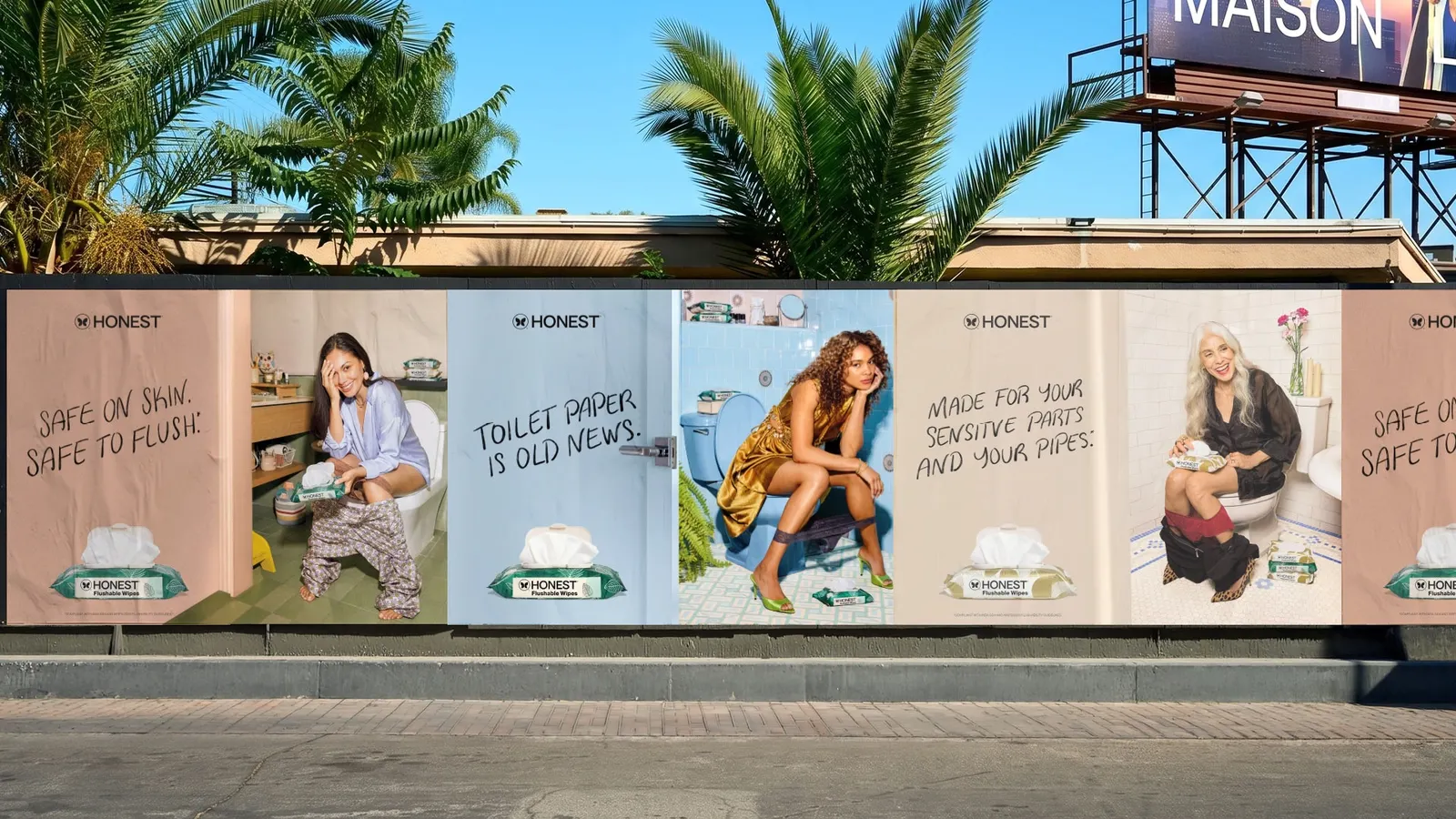
In the evolving landscape of personal care marketing, the boundaries of what is considered "polite" conversation are rapidly shifting. For years, major brands have successfully dismantled long-standing advertising taboos surrounding menstruation, body hair, and reproductive health. Now, The Honest Company is turning its attention to a final, stubborn frontier: the bathroom experience.
With its new integrated marketing campaign, “It’s Time to Get Honest,” the personal care brand is seeking to destigmatize the use of flushable wipes among women. Moving beyond the "poop humor" that has historically dominated the male-centric wipes market, The Honest Company is positioning its product as an essential, everyday hygiene tool for the modern woman. By leveraging a mix of provocative creative, influencer partnerships, and a literal newspaper dedicated to the cause, the brand is aiming to convert habitual dry toilet paper users into a new category of loyal customers.
A Chronology of the "Get Honest" Initiative
The roots of the “It’s Time to Get Honest” campaign lie in a strategic shift for The Honest Company. Following a period of significant growth and expanded retail distribution, the company identified a "white space" in the personal care market: the lack of a female-focused conversation regarding flushable wipes.
The Strategic Rollout
The campaign, developed in collaboration with the creative agency Zambezi, was designed to hit multiple touchpoints simultaneously to maximize cultural impact.
- Initial Concept & Development: Recognizing that the flushable wipes category had been largely occupied by "bro-marketing" and crude humor, The Honest Company and Zambezi sought a more authentic, intimate tone. The goal was to mirror the way women actually talk to their friends—frank, unfiltered, and deeply personal.
- The Hero Spot: The campaign launched with a 30-second hero video that serves as a masterclass in visual storytelling. By juxtaposing images of daily life—a meowing kitten, a prairie dog, a tumbleweed—with the realities of bathroom habits, the ad utilizes double entendres to bridge the gap between discomfort and accessibility. The voiceover is direct: "Ladies, it’s time to get honest down there."
- The Physical Activation: Perhaps the most audacious element of the campaign is the creation of The Toilet Paper, a 16-page broadsheet newspaper. Distributed in collaboration with the beauty salon chain Sugared + Bronzed, the publication features cheeky content like “The Panty Horoscope” and “Ranking Cinema’s Most Relatable Bathroom Breaks.”
- The Influencer Phase: The final, ongoing phase of the campaign involves a robust roster of influencers, including Hannah Berner of Giggly Squad, Kat Stickler, Tia Mowry, Whitney Leavitt, and Karla Burton. By treating these creators as their own media channels, The Honest Company has integrated its message into the daily social media feeds of its target demographic.
Supporting Data: Why Now?
The Honest Company’s move is backed by extensive market research, including a study commissioned by the brand through Talker Research. The data paints a clear picture of a consumer base that is ready to abandon the "modesty" of the past.
According to the research, 42% of women discuss their bathroom experiences on a weekly basis. When they do open up, the topics are far from superficial:
- 59% of women openly discuss menstrual symptoms with their peers.
- 50% of women are comfortable sharing struggles regarding their love lives.
- 49% of women have no qualms about discussing family drama.
This data suggests that the "taboo" is largely an external construct—a remnant of traditional advertising norms—rather than an accurate reflection of modern female social dynamics. By tapping into these existing conversational habits, The Honest Company is not trying to force a conversation that doesn’t exist; it is simply providing a platform for one that is already happening behind closed doors.
Official Perspectives: The Vision Behind the Brand
The success of "It’s Time to Get Honest" relies on its ability to strike a balance between being "frank and provocative" without crossing the line into crassness.
"Honest Flushable Wipes were growing fast and expanding into new retail doors, giving us a genuine chance to mainstream the flushable wipes category for women in particular," said Brenna Israel Mast, senior vice president of integrated marketing communications at The Honest Company. "More than ever before, women are openly talking about their bodies and their everyday experiences and are looking to brands that reflect this."
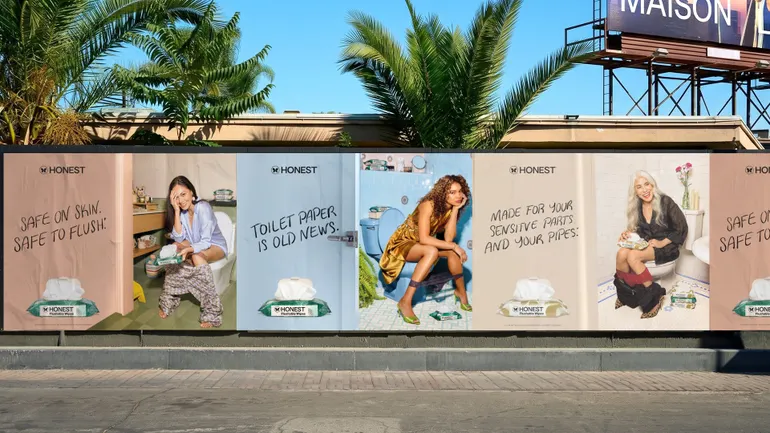
Jean Freeman, principal and CEO of Zambezi, emphasized the importance of the brand’s tone in achieving this. "Femininity is wrapped up in modesty to a degree, and culture assumes it’s not ladylike to actually talk about bathroom habits," Freeman explained. "When you confront the most embarrassing topics out loud, you shatter the taboo around them. We wanted to be very authentic and almost intimate—like a handwritten note from a friend to a friend."
Freeman also highlighted the role of influencers in this strategy. By utilizing creators as a "core media channel," the brand is able to bypass traditional gatekeepers and speak directly to audiences who value authenticity over polished, corporate messaging.
Implications for the Personal Care Industry
The Honest Company’s campaign marks a significant turning point in how household products are marketed to women. The implications of this shift are multi-faceted:
1. The Death of the "Male Gaze" in Hygiene
For decades, the "male gaze" has dictated how products for women are advertised—often focusing on idealized, ethereal versions of femininity that avoid the messy realities of biology. By using bold, direct language—even using the word "discharge" in a mainstream commercial—The Honest Company is signaling that the era of euphemisms is ending. This paves the way for other brands to adopt a more clinical, accurate, and ultimately more respectful approach to bodily functions.
2. The Power of "Cultural Media"
The creation of The Toilet Paper is a prime example of "cultural media"—content that is so clever or unusual that it generates its own buzz. By turning a newspaper into a piece of marketing collateral that people actually want to engage with, the brand has successfully transformed a mundane commodity into a lifestyle product. This strategy forces the industry to rethink how it captures consumer attention in an era where traditional banner ads are largely ignored.
3. Redefining "Personal Care"
The campaign challenges the very definition of what constitutes "personal care." By moving the conversation from the shower (where many personal care products are marketed) to the toilet, the brand is expanding the scope of its influence. This shift is likely to encourage other companies in the household paper and hygiene sectors to innovate, not just in product quality, but in how they frame their products as essential components of a healthy, honest lifestyle.
Conclusion: A New Standard of Honesty
As "It’s Time to Get Honest" continues to roll out, it serves as a litmus test for the industry. Will consumers embrace this level of candor? Given the data, the answer seems to be a resounding yes. Women are clearly moving past the cultural requirement of silence regarding their own biology.
By aligning its brand identity with this shift, The Honest Company is not just selling wipes; it is selling a sense of liberation. It is telling its customers that it is okay to be human, that it is okay to be messy, and that it is definitely okay to talk about it. As the campaign gains momentum, it is likely to be remembered as the moment the flushable wipes category finally flushed away the stigma and joined the 21st century.


 Neng Nana
 Nana Wu