

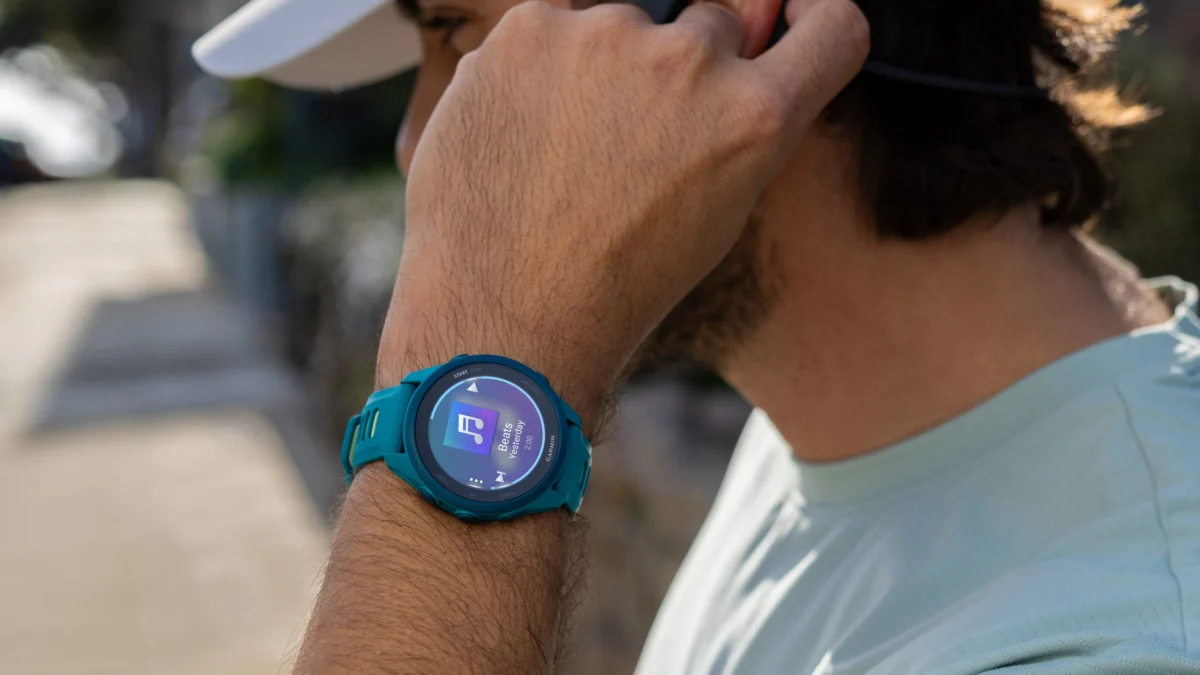
Garmin, the industry titan in GPS-enabled wearable technology, has officially expanded its mid-range catalog with the introduction of the Forerunner 70 and the Forerunner 170. Positioned to capture the interest of fitness enthusiasts who find basic activity trackers too restrictive but aren’t quite ready to commit to the professional-grade complexity of the high-end Fenix or Forerunner 900-series, these new models represent a strategic recalibration of Garmin’s market approach. By distilling premium training metrics into a more approachable, lifestyle-oriented form factor, Garmin is effectively lowering the barrier to entry for data-driven athletic training.
The Main Facts: A New Tier in the Forerunner Ecosystem
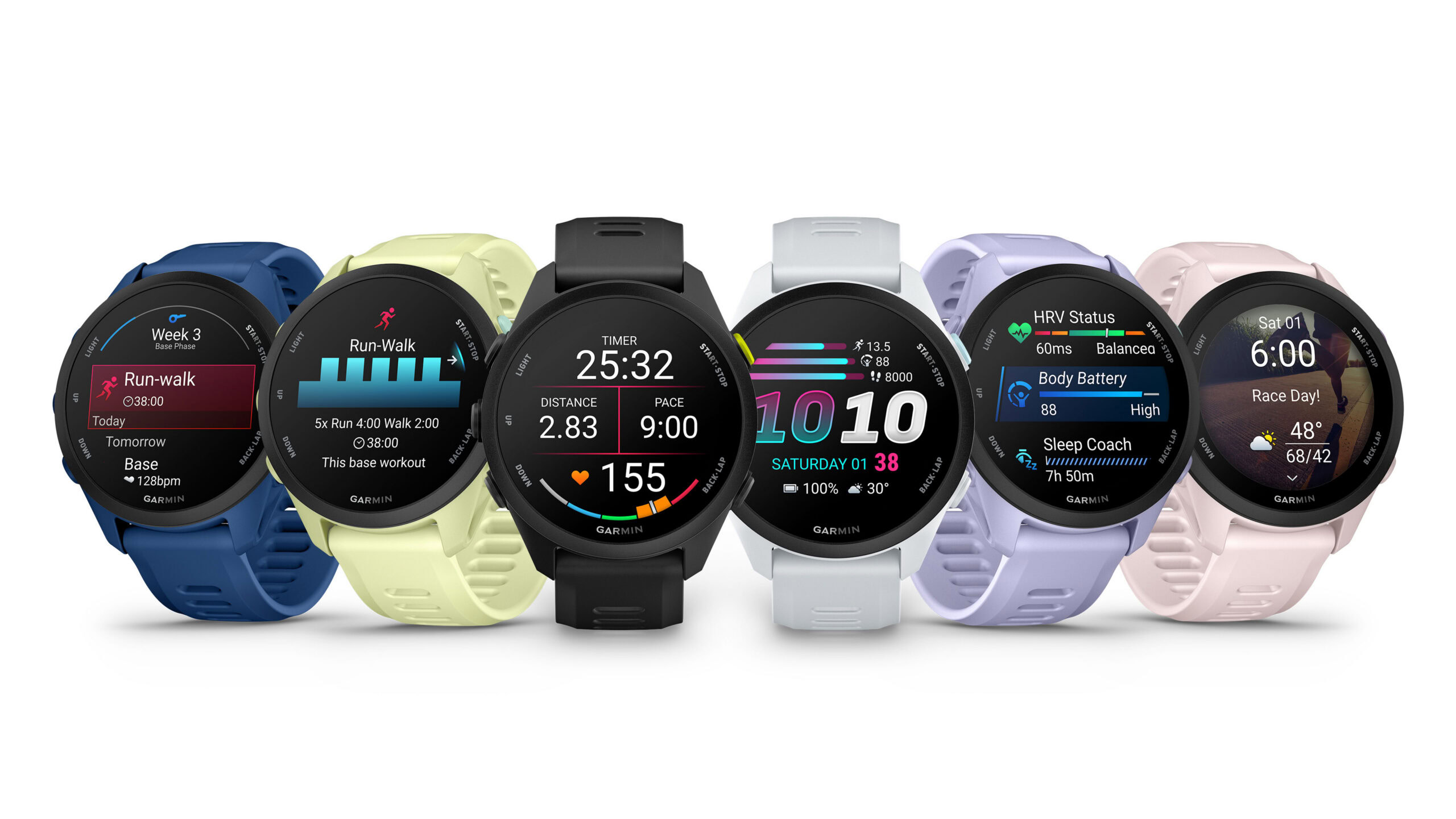
Launched on May 15, the Forerunner 70 and 170 arrive as a direct response to a growing segment of the market: the "ambitious casual" runner. The core hardware architecture for both watches centers around vibrant 1.2-inch AMOLED displays, offering the crisp, high-contrast visual experience that has become the gold standard in modern smartwatches. To maintain the tactile reliability that long-time Garmin users demand, the company has retained its signature five-button interface, which is bolstered by responsive touchscreen capabilities for intuitive menu navigation.
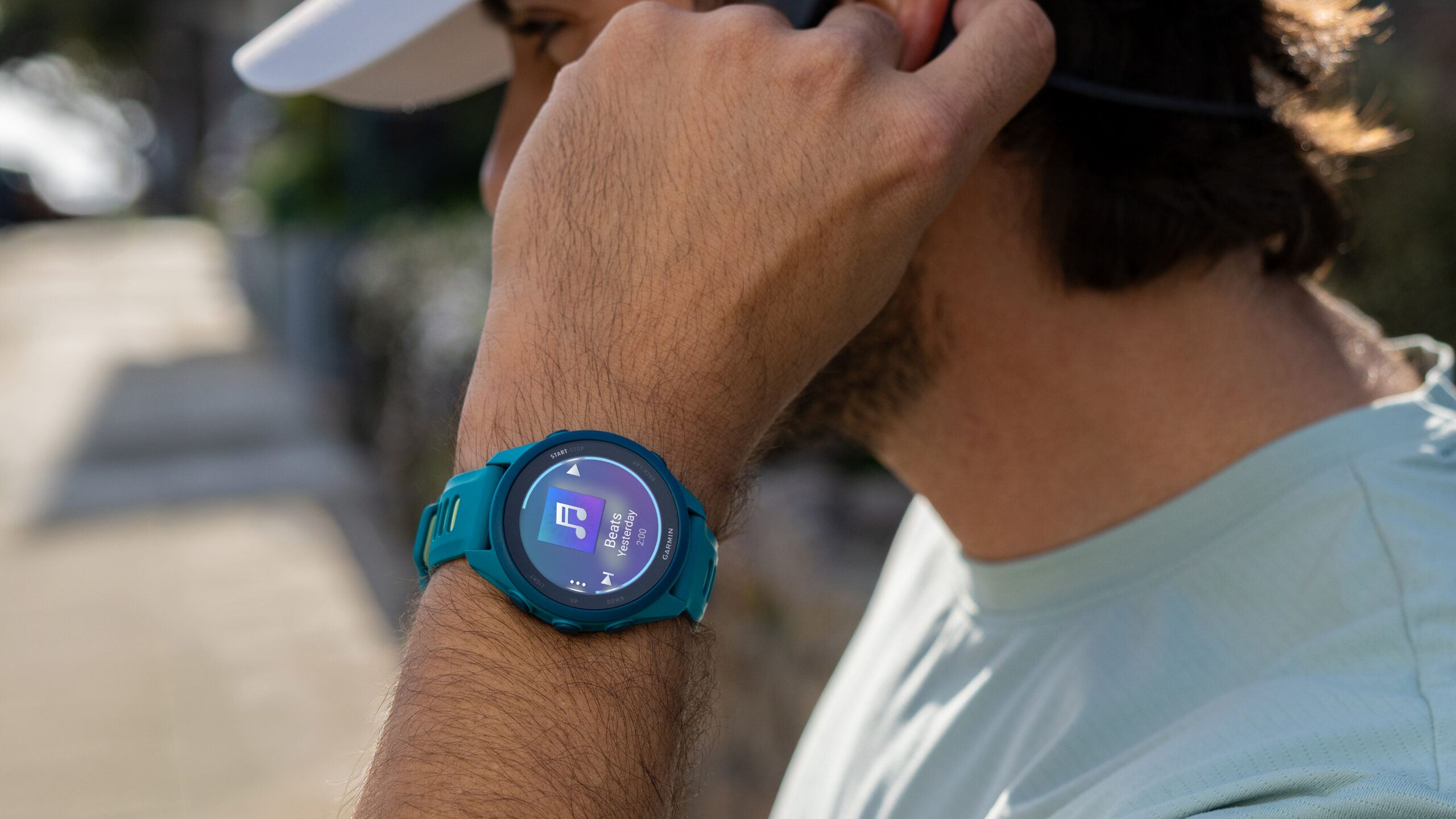
The distinction between the two models lies primarily in utility and lifestyle integration. The Forerunner 70 enters the market as the streamlined, entry-tier performance watch, while the Forerunner 170 adds convenience features such as Garmin Pay for contactless payments and the option for internal music storage, catering to users who prefer to leave their smartphones behind during training sessions.
Key Specifications at a Glance:
- Display: 1.2-inch AMOLED touchscreen.
- Navigation: Five-button physical layout + Touch.
- Battery Life: Up to 13 days (Forerunner 70) and 10 days (Forerunner 170) in smartwatch mode.
- Health Suite: HRV Status, Pulse Ox, comprehensive sleep tracking, and heart rate monitoring.
- Ecosystem: Access to over 80 pre-loaded sports apps.
A Chronological Evolution: From Niche Tool to Everyday Essential
To understand the significance of the Forerunner 70 and 170, one must look at the trajectory of the Forerunner series over the last decade. Historically, the Forerunner line was strictly a utilitarian tool for competitive marathoners and triathletes. These devices focused on raw data: pace, cadence, and GPS accuracy.
As the "quantified self" movement exploded, Garmin began integrating lifestyle features—smart notifications, music, and sleep tracking—into its watches. However, as the flagship devices (like the Forerunner 965 and Fenix 8) became increasingly dense with features, the "middle" of the market became crowded. Casual runners felt alienated by the price and complexity of the top-tier units, yet unsatisfied by the limited analytics of entry-level fitness bands.
The development of the 70 and 170 began roughly 24 months ago, according to internal development cycles, with a focus on "intelligent simplification." By mid-2025, prototypes were undergoing rigorous field testing. The official announcement in May 2026 marks the culmination of this effort to bridge the gap, ensuring that advanced metrics like "Training Readiness" are no longer gated behind a $600 price tag.
Supporting Data: Why Mid-Range Matters
The introduction of these models is supported by data indicating a surge in "hybrid athletes"—individuals who cross-train between running, strength training, and HIIT sessions. The inclusion of 80+ sports apps acknowledges that the modern user is rarely just a runner.
Analytical Depth for the Intermediate User
Garmin has trickled down its most sophisticated software features to these devices, including:
- Training Readiness: A holistic score that combines sleep, recovery time, and HRV to tell the user whether they should push hard or focus on rest.
- Running Power & Dynamics: Providing real-time metrics on how efficiently a runner moves, previously reserved for higher-end hardware.
- Adaptive Coaching: The updated Garmin Coach now features "Run/Walk" plans specifically designed for those building up from zero, acknowledging that training isn’t always about hitting a sub-three-hour marathon.
The battery performance remains a distinct competitive advantage. In a market where competitors like Apple or Samsung often require daily charging, the 10-to-13-day battery life of the Forerunner 170 and 70 provides a frictionless experience for users who want to monitor their health 24/7 without "low battery anxiety."
Official Responses and Strategic Vision
In a press briefing held during the launch, a spokesperson for Garmin emphasized the company’s commitment to "meaningful guidance." The goal, according to the company, is to ensure that users aren’t just collecting data, but understanding it.
"The Forerunner 70 and 170 aren’t just watches; they are automated coaches," the company stated. "We realized that our users were overwhelmed by the sheer volume of data in our higher-end models. By curating the experience for the Forerunner 70 and 170, we are providing actionable insights—such as the new quick-workout generator—that suggest the perfect intensity and duration based on the user’s current fitness profile. It’s about taking the guesswork out of training."
The inclusion of diverse colorways, such as "Tidal Blue," "Cool Lavender," and "Teal Green," suggests a pivot toward fashion-conscious consumers who want a watch that transitions seamlessly from the track to the boardroom or a social dinner.
Implications for the Wearable Market
The release of these two watches has immediate implications for the broader wearable industry:
1. The Pressure on Premium Pricing
By offering high-end features like AMOLED screens and advanced HRV tracking at a sub-$300 price point, Garmin is effectively signaling to competitors that "premium" features are becoming the new baseline. This will likely force competitors to either lower their prices or accelerate their own R&D cycles to offer unique value propositions that justify their higher price points.
2. The Death of the "Basic" Tracker
The Forerunner 70’s competitive pricing ($249.99) challenges the viability of high-end fitness bands. Why buy a device that only tracks steps and heart rate when, for a slightly higher investment, you can get a full-fledged GPS watch with AMOLED display and professional-grade recovery analytics? This shift could lead to a consolidation of the market, where the line between "fitness tracker" and "sports watch" disappears entirely.
3. Strengthening the Garmin "Moat"
Garmin’s greatest asset is its ecosystem. By getting younger, more casual runners onto the Garmin Connect platform via the Forerunner 70, the company is securing long-term brand loyalty. Once a user has a year’s worth of data synced to Garmin Connect, the likelihood of them switching to a different ecosystem becomes statistically slim.
Conclusion: A New Standard for Entry-Level Excellence
The Forerunner 70 and 170 are more than just new hardware; they are a manifesto for the future of Garmin. By prioritizing the user experience and stripping away the bloat of unnecessary high-end features while retaining the core scientific rigor that defines the brand, Garmin has successfully created a new entry point for the next generation of athletes.
Whether you are a casual jogger looking to complete your first 5K, or a multi-sport enthusiast who wants deeper insights into your recovery, these watches provide a robust, reliable, and aesthetically pleasing solution. With availability starting May 15, the market is poised to see a significant shift in how amateur athletes engage with their training data. As we move further into 2026, the question is no longer whether you can afford a "pro" watch, but how much value you can extract from a "mid-range" device that is now more capable than most flagship models from just a few years ago.










No comments yet. Be the first to join the conversation!