Muslim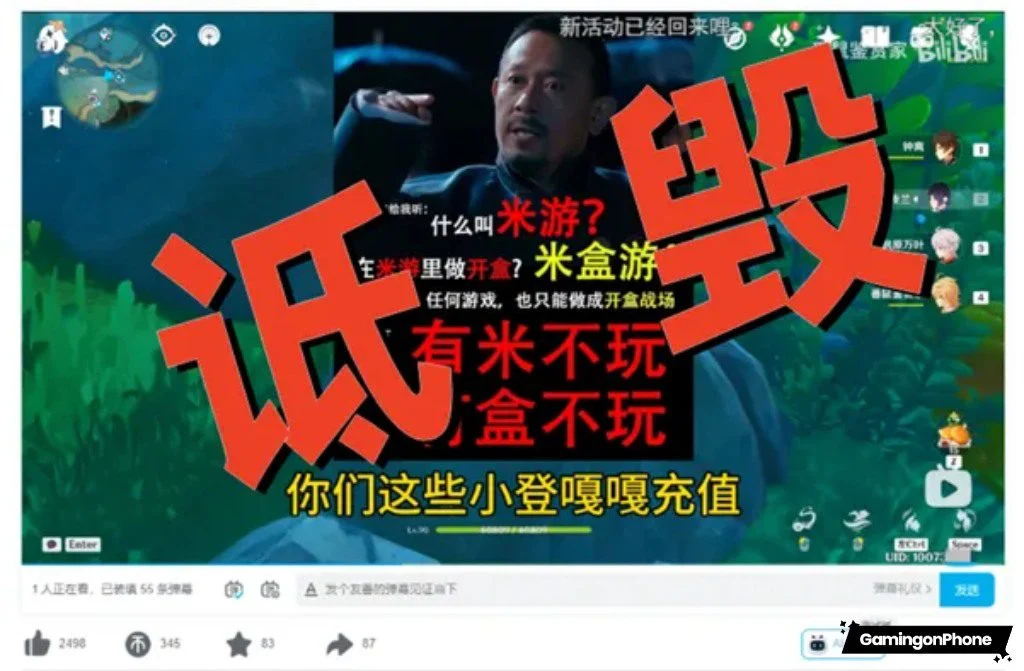
In a significant legal development for the gaming industry, HoYoverse—the powerhouse developer behind global sensations Genshin Impact, Honkai: Star Rail, and Zenless Zone Zero—has successfully concluded a defamation lawsuit against a prominent content creator. The verdict, which mandates a substantial financial penalty and a series of public apologies, underscores a growing trend of game developers taking aggressive legal action against creators who leverage inflammatory rhetoric and misinformation to drive engagement.
The legal proceedings, spearheaded by the company’s internal legal department, resulted in a definitive ruling against the creator known online as “Fanshu Jianshangjia” (Li). This case serves as a stark reminder of the thin line between constructive criticism and unlawful defamation in the age of algorithm-driven content creation.
Main Facts of the Case
The core of the dispute centered on a series of videos and social media posts produced by Li across major Chinese digital platforms, including Bilibili, Douyin, Kuaishou, and Xiaohongshu. According to court documents and official statements released by HoYoverse, the creator’s content went far beyond the scope of protected consumer opinion or fair game review.
The court found that Li consistently engaged in the following:
- Targeted Harassment: The creator utilized disparaging and insulting language specifically aimed at both the games and their respective player bases.
- Dissemination of Misinformation: The content included reviews and commentaries that were demonstrably misleading, intended to manipulate public perception.
- Commercial Malpractice: Rather than engaging in genuine critique, the creator’s actions were deemed to be motivated by commercial gain. By manufacturing controversy and fostering a toxic environment, the creator sought to capitalize on negative traffic and incite community friction.
As a result of these findings, the court ordered Li to pay ¥500,000 (approximately $69,700 USD) in damages. Furthermore, the creator was mandated to publish formal, public apologies across all platforms where the defamatory content was originally hosted—a requirement that has since been fulfilled by the defendant.
Chronology of Events
While the announcement of the verdict was made recently, this case represents the culmination of a systematic effort by HoYoverse to maintain the integrity of its digital ecosystem.
- The Monitoring Phase: HoYoverse’s legal and community management teams identified a pattern of behavior originating from Li’s channels that violated community guidelines and, more importantly, civil laws regarding reputational damage.
- The Escalation: After initial reports and administrative complaints to platforms yielded insufficient results to curb the harmful content, the company escalated the matter to the judicial system.
- The Litigation: The legal battle centered on proving that the creator’s content was not intended for public interest or news reporting, but rather as a malicious campaign to profit from artificial outrage.
- The Ruling: The court determined that the nature of the videos constituted an infringement on the company’s reputation. The judge emphasized that the scale of the infringement was significant enough to warrant a high-tier financial penalty.
- The Compliance: Following the verdict, the creator issued the court-ordered apologies, signaling a formal closure to the litigation process.
The Economics of "Negative Traffic"
This lawsuit sheds light on the dark side of the modern content creation economy. The court’s findings highlighted that the content was "commercially motivated," suggesting that the algorithm’s preference for high-engagement, high-conflict content provided a financial incentive for the creator to attack the studio.
By creating "us vs. them" narratives and encouraging players to abandon the games, the creator was effectively leveraging the community’s passion for profit. This phenomenon—often called "rage-baiting"—is a growing concern for publishers. When a creator’s business model relies on the constant devaluation of a product, it ceases to be a review and becomes a campaign of economic sabotage.
The ¥500,000 figure is not merely a penalty; it is a deterrent. By imposing a substantial fine, the court has signaled that the reputation of a company and the psychological safety of its user base are protected by law, even in the digital realm of gaming influencers.
Official Responses and Corporate Philosophy
HoYoverse has been clear in its stance regarding its community and its intellectual property. In an official statement accompanying the verdict, the company emphasized that it "cherishes every bit of love and trust that players invest in the game."

The developer expressed a zero-tolerance policy toward behaviors that "smear, spread rumors, or insult players." HoYoverse further noted that its legal department is not working in a vacuum; their efforts include a multi-layered approach involving:
- Platform Reporting: Constant communication with hosting sites to remove infringing content.
- Legal Action: Taking civil cases to court to establish legal precedents.
- Law Enforcement Cooperation: In cases involving extreme harassment or illegal activity, the company has shown a willingness to involve police authorities.
This response highlights a shift in how game developers view their role in the digital landscape. No longer content to simply "ignore the trolls," studios are now actively policing the discourse surrounding their products to protect their brand equity and their community’s culture.
Implications for the Content Creator Economy
The implications of this lawsuit extend far beyond the specific case of Li. This ruling provides a blueprint for other developers and publishers to follow when faced with similar issues.
1. The Death of the "Fair Use" Shield
Many creators hide behind the concept of "fair criticism" to justify harassment. This verdict clarifies that courts are increasingly capable of distinguishing between legitimate critique (even if harsh) and calculated defamation. If a creator’s intent is to harm, misinform, or build a business model on vitriol, they are no longer protected by the ambiguity of internet law.
2. The Responsibility of Platforms
While the lawsuit targeted the creator, it implicitly places pressure on platforms like Bilibili and others to monitor content more effectively. If creators continue to lose lawsuits over content hosted on these platforms, the platforms themselves may eventually face increased regulatory scrutiny, forcing them to implement stricter moderation policies.
3. A Warning to Influencers
For the gaming influencer community, this is a wake-up call. The era of "anything goes" for the sake of clicks is rapidly coming to an end. Creators are now effectively being held to the same standards of professional conduct as traditional media outlets. When content crosses the line from commentary into defamation, the legal consequences can be both immediate and financially devastating.
4. Protecting Player Communities
Perhaps most importantly, this case is a victory for the player community. Toxic creators often foster environments that drive away new players and alienate long-term fans. By purging this element from the ecosystem, companies like HoYoverse are attempting to cultivate a healthier, more constructive dialogue about their games.
Conclusion: A New Standard for Digital Discourse
The successful litigation against Li is more than just a win for HoYoverse; it is a pivotal moment for the gaming industry. It reinforces the idea that the internet is not a lawless frontier. As the industry continues to grow and monetize through digital platforms, the legal framework governing online discourse is catching up.
Creators should view this as a reminder that their influence carries weight. While the right to criticize is a cornerstone of the gaming community, that right does not extend to the systematic destruction of a company’s reputation or the harassment of its community. As we look toward the future, it is likely that we will see more developers taking similar stands, ensuring that the digital spaces where players gather remain defined by passion and healthy discussion rather than malice and misinformation.
HoYoverse has made its position clear: they will continue to pursue legal action against any illegal acts involving insults, defamation, or the infringement of player rights. For the gaming community at large, this sets a high bar for accountability, ensuring that the voices that shape our gaming experiences are held to a standard of integrity and truth.

 Dwi Wanna
 Iffa Jayyana