

By Michael McWhertor
Published May 13, 2026, 6:41 PM EDT
Main Facts: A Quest for a New Release Date
In a move that has both delighted and somewhat bewildered fans, Nintendo has once again adjusted the release schedule for its highly anticipated live-action adaptation of The Legend of Zelda. Shigeru Miyamoto, the revered creator of the Zelda series, announced via Nintendo’s official X (formerly Twitter) account on Wednesday that the film will now premiere globally on April 30, 2027. This latest change sees the movie arriving in theaters a week earlier than its previously set May 7, 2027, date.
The announcement marks the second significant alteration to the film’s theatrical debut, initially slated for March 27, 2027. This dynamic scheduling has become somewhat characteristic of Nintendo’s burgeoning cinematic ventures, underscoring a strategic flexibility aimed at optimizing both production timelines and market positioning. For fans who have waited decades for Link and Princess Zelda to grace the silver screen in live-action, this subtle acceleration offers a glimmer of closer anticipation, albeit against a backdrop of evolving expectations.
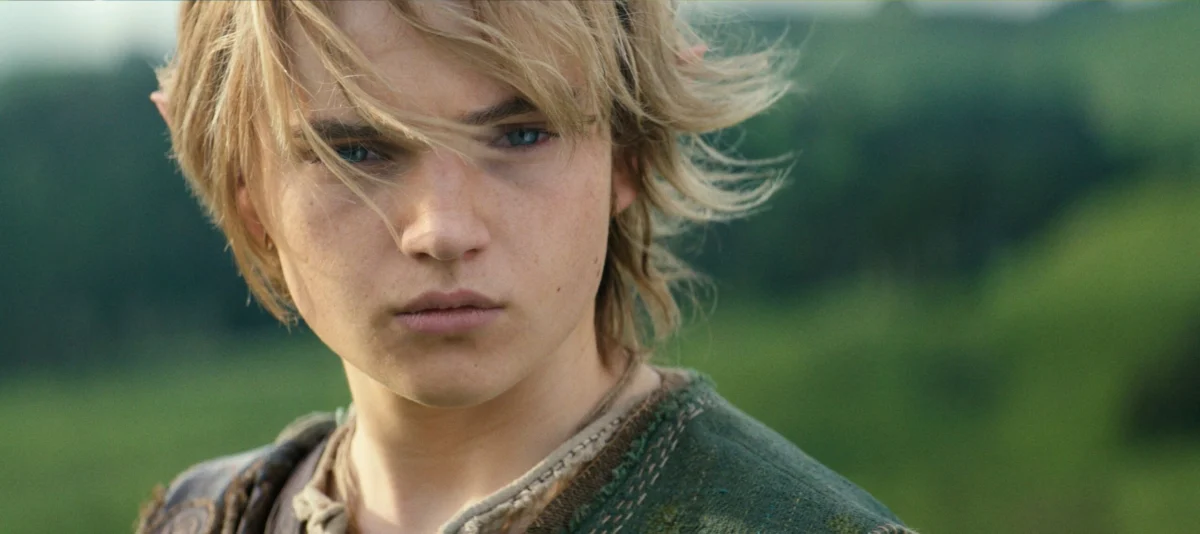
The project, a collaborative effort between Nintendo and Sony Pictures Entertainment, represents a pivotal moment for one of gaming’s most iconic franchises. With director Wes Ball at the helm and a burgeoning cast featuring Bo Bragason as Princess Zelda and Benjamin Evan Ainsworth as Link, the film aims to deliver a "grounded" and "real" interpretation of Hyrule, moving away from purely motion-captured computer graphics. Miyamoto’s brief statement reaffirmed the production team’s dedication: "The team is working hard to deliver the film to everyone as soon as possible. There’s less than a year to go until release, so thank you for waiting." This latest update suggests that production is progressing smoothly, or perhaps even ahead of schedule, allowing for this slight but significant forward shift.
Chronology of Release Date Shifts: A Shifting Schedule for Hyrule’s Debut
The journey to the big screen for The Legend of Zelda has been marked by careful planning and, at times, strategic recalibrations of its release schedule. From its initial grand announcement to the present day, Nintendo and Sony Pictures have demonstrated a willingness to adapt, prioritizing the quality and strategic placement of this tentpole adaptation.
The Unveiling and Initial Ambition
The live-action Legend of Zelda movie was first officially announced in late 2023, sending shockwaves of excitement through the global gaming and film communities. For years, fans had dreamed of such an adaptation, and the news that it was finally happening, with the direct involvement of Shigeru Miyamoto himself, solidified its potential. Alongside the announcement, an initial worldwide theatrical release date of March 27, 2027, was set. This early 2027 slot positioned the film as a major spring blockbuster, aiming to capture audiences as the post-holiday film season transitioned into warmer weather. It was a date that suggested confidence and a clear path forward for the ambitious project.
The First Delay: A Six-Week Adjustment
However, the complexities of large-scale film production, especially one involving beloved intellectual property and high expectations, often necessitate adjustments. Just a few months after the initial announcement, Nintendo revealed the first delay for The Legend of Zelda. The release date was pushed back six weeks, shifting from March 27 to May 7, 2027. While the exact reasons for this initial delay were not extensively detailed, such postponements in Hollywood are common. They can stem from a myriad of factors: the need for additional time in post-production for visual effects, sound mixing, or editing; scheduling conflicts with other major releases from either Nintendo or Sony Pictures; unforeseen production challenges during principal photography; or simply a desire by the creative team to refine the narrative and ensure the film meets the exceptionally high standards associated with the Zelda name. This initial delay, though minor in the grand scheme of a multi-year production cycle, briefly tempered the burgeoning excitement, reminding fans that perfection takes time.
The Latest Update: A Week Forward
The most recent announcement, delivered directly by Shigeru Miyamoto on May 13, 2026, marks another pivot, this time in the opposite direction. The film’s release has been moved up by a week, landing on April 30, 2027. Miyamoto’s statement on Nintendo’s X account was succinct yet reassuring, emphasizing the team’s diligent work and their desire to deliver the film "as soon as possible." This forward shift, while minor, is particularly noteworthy. Delays are far more common in the film industry than accelerated releases. A move forward often suggests that production is either progressing remarkably well, perhaps even ahead of schedule, or that strategic market opportunities have opened up, allowing the studio to claim a more favorable slot. It could also indicate a strong confidence in the current cut of the film, necessitating less post-production time than initially budgeted for, or a strategic move to avoid direct competition with another major film that might have recently shifted its own release to the first week of May. Regardless of the precise rationale, this latest update signifies an active and adaptive production process, keeping the global fanbase keenly engaged.
Nintendo’s Evolving Film Strategy: A Pattern of Precision
The shifting release dates for The Legend of Zelda movie are not an isolated incident but rather fit into a discernible pattern emerging from Nintendo’s broader cinematic endeavors. This strategic flexibility suggests a calculated approach to entering the highly competitive film industry, one that prioritizes optimal timing and quality control.
The most prominent example preceding Zelda is The Super Mario Bros. Movie. Initially slated for release in December 2022, the animated feature, a collaboration with Illumination, was subsequently delayed to April 2023. This delay was met with some fan disappointment but ultimately paid off handsomely. The film went on to become a monumental box office success, grossing over $1.3 billion worldwide and demonstrating Nintendo’s ability to translate its beloved characters to the big screen successfully. The delay allowed for further polish and optimization, proving that patience can lead to immense rewards.
Following this success, Nintendo and Illumination announced a sequel, The Super Mario Galaxy Movie. Interestingly, this film experienced the opposite trajectory to its predecessor: its release date was actually moved up. This decision likely capitalized on the immense goodwill and proven box office appeal generated by the first Mario movie, indicating that Nintendo and its partners are keen to strike while the iron is hot when circumstances permit. The success of The Super Mario Galaxy Movie, which has already grossed over $940 million at the global box office, further solidifies Nintendo’s position as a formidable player in the film world.
This history of both delaying and accelerating releases paints a picture of a company that is deeply invested in the quality and commercial success of its cinematic projects, rather than adhering rigidly to initial schedules. Nintendo appears to be employing a dynamic strategy, using release dates as a tool for fine-tuning production, managing market competition, and maximizing audience impact. For The Legend of Zelda, this means that every date change, whether a push back or a pull forward, is likely the result of careful consideration aimed at delivering the best possible film experience. It keeps fans and movie theater chains "on their toes," as the original article notes, but it also reflects a meticulous approach to nurturing their valuable intellectual properties beyond the gaming console.
Supporting Data & Production Insights: Crafting Hyrule for the Big Screen
The journey to bring The Legend of Zelda to live-action has been a long-gestating project, steeped in both the rich history of the game franchise and the ambitious visions of its cinematic creators. From its foundational announcement to the selection of its director and cast, every decision reflects a deep commitment to honoring the source material while forging a new path for Hyrule on film.
The Genesis of a Live-Action Legend
The official announcement of a live-action Zelda movie in 2023 was the culmination of years of speculation and quiet development. Shigeru Miyamoto himself revealed that he had been working on the movie for "many years now," a testament to Nintendo’s long-term vision and cautious approach to adapting its most cherished properties. This extended development period underscores Nintendo’s dedication to ensuring the film would be a faithful yet fresh interpretation, not merely a rushed cash-in. Miyamoto’s direct involvement as a producer, alongside Hollywood veteran Avi Arad, is a crucial element. It signifies Nintendo’s commitment to maintaining creative control and ensuring the movie aligns with the core essence of The Legend of Zelda.
The partnership with Sony Pictures Entertainment is equally significant. Nintendo, while possessing unparalleled IP, is relatively new to direct film production. Sony Pictures brings decades of Hollywood experience in financing, distribution, and navigating the complexities of large-scale blockbusters. Avi Arad, a producer with a storied career in adapting comic books and video games (including numerous Spider-Man films, X-Men, and Ghost Rider), offers invaluable expertise in translating fantastical worlds and beloved characters to the big screen. His involvement suggests a clear ambition for the Zelda film to be a major cinematic event, appealing to a broad audience beyond the existing fanbase, much like his successful superhero adaptations.
Director Wes Ball’s Vision for Hyrule
The choice of Wes Ball to direct The Legend of Zelda movie speaks volumes about the intended tone and aesthetic. Ball is known for his work on The Maze Runner trilogy, which blended dystopian sci-fi with intense action and character-driven narratives, and more recently, Kingdom of the Planet of the Apes. His filmography demonstrates a capability to handle intricate world-building, compelling visual effects, and dynamic action sequences, often with a sense of gritty realism despite their fantastical elements.
Ball’s stated vision for Zelda is particularly intriguing: he wants a "grounded" and "real" take, explicitly stating it will not be based on "fully motion-captured computer graphics." This suggests a preference for practical effects, authentic locations, and a tangible sense of presence for the characters and environments. For a world as fantastical as Hyrule, achieving "grounded" realism presents a unique challenge and opportunity. It could mean leveraging breathtaking real-world locations, such as the widely rumored and now confirmed filming in New Zealand – a country renowned for its diverse and stunning landscapes that have previously doubled as Middle-earth in The Lord of the Rings. This approach aligns with a desire to make Hyrule feel like a believable, lived-in world, rather than a purely digital construct, potentially enhancing the emotional connection for viewers.
A "grounded" approach might manifest in several ways:
- Aesthetic: Focus on natural light, detailed textures, and believable physics within the fantasy setting.
- Character Design: While still iconic, Link and Zelda’s costumes and equipment might reflect functional practicality, perhaps showing wear and tear, rather than pristine fantastical elements.
- Creature Design: While monsters like Bokoblins or Moblins will undoubtedly be fantastical, their movement and interactions might be rendered with a sense of weight and physical presence.
- Storytelling: A "grounded" narrative could emphasize the emotional stakes, the harsh realities of Hyrule’s struggles, and the personal journeys of the characters, even amidst epic quests and magical elements.
This vision sets the Zelda film apart from some other contemporary fantasy adaptations that heavily rely on CGI. It suggests a commitment to a distinct cinematic identity, one that respects the franchise’s deep lore while seeking to engage audiences through a palpable sense of reality.
Assembling the Cast: Link, Zelda, and Beyond
The casting of the two central figures, Link and Princess Zelda, is paramount for any adaptation of the series. Nintendo and Sony Pictures have opted for a pair of rising young talents, aiming for fresh faces to embody these iconic roles.
Bo Bragason as Princess Zelda: Bragason is known for her role in the Disney Plus series Renegade Nell, where she played the titular character’s sister. This role likely showcased her ability to portray complex characters within a historical fantasy setting, offering a blend of vulnerability and resilience. Princess Zelda, throughout the games, is not merely a damsel in distress but often a powerful sorceress, a wise leader, and a key player in Hyrule’s destiny. Bragason’s selection suggests a focus on a more active, nuanced portrayal of the princess, capable of intellectual depth and emotional strength.
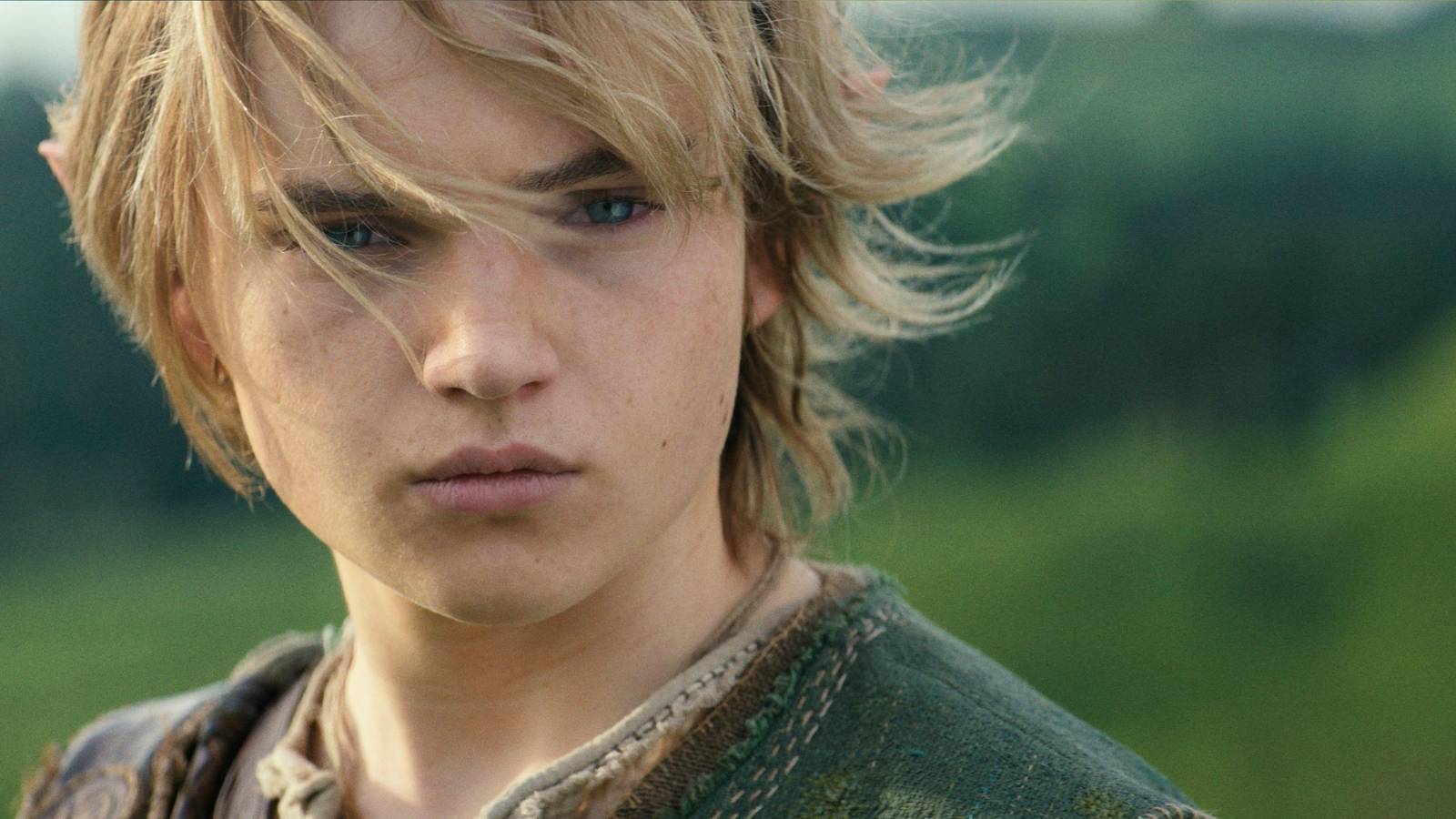
Benjamin Evan Ainsworth as Link: Ainsworth takes on the silent (or rarely speaking) hero of Hyrule. His previous credits include playing Miles in Mike Flanagan’s acclaimed Netflix horror series The Haunting of Bly Manor, where he demonstrated a remarkable ability to convey emotion and presence without extensive dialogue, an essential trait for Link. He also voiced Pinocchio in Robert Zemeckis’ live-action remake of Pinocchio and appeared as Alex Burgess in The Sandman. These roles highlight his versatility across various genres and his capacity to inhabit characters with inner turmoil and determination. The choice of Ainsworth, a relatively younger actor, for Link, hints at a possible origin story or a focus on Link’s growth into the hero of Hyrule, reflecting his journey in many of the games.
A crucial point of discussion among fans has long been whether Link will speak in the live-action adaptation. While the games typically feature a silent protagonist to allow players to project themselves onto him, a cinematic interpretation often requires dialogue for character development and audience connection. The related article from Polygon hints at this, asking "Which Zelda game would make a good Zelda movie?" and stating "Link is going to talk, but what is Link going to talk about…" This strongly suggests that Ainsworth’s Link will indeed have a voice, a significant departure from gaming tradition that will be closely scrutinized by the fanbase.
While the primary cast for Link and Zelda has been announced, the potential for other beloved characters to appear is immense. Speculation abounds regarding who might portray Ganondorf, the recurring antagonist; Impa, Zelda’s loyal guardian; or even fan-favorites like Saria, Malon, or the King of Hyrule. The casting choices for these supporting roles will further define the film’s tone and its faithfulness to the rich tapestry of the Zelda universe. The selection of actors for these parts will be critical in building out a believable and engaging Hyrule.
Official Responses & Fan Reception: The Pulse of Anticipation
The continuous updates regarding The Legend of Zelda movie’s release date have kept the project in the public consciousness, eliciting a range of responses from both official channels and the passionate fanbase.
Miyamoto’s Continued Assurance
Shigeru Miyamoto’s statements, particularly his latest post on Nintendo’s X account, serve as the primary official communication regarding the film’s progress. His message—"I would like to let you know that the worldwide theatrical release date for the live-action film of The Legend of Zelda has been moved up to April 30, 2027, from May 7… The team is working hard to deliver the film to everyone as soon as possible. There’s less than a year to go until release, so thank you for waiting"—is carefully worded. It conveys several key messages:

- Transparency (within limits): While not providing detailed reasons, it acknowledges the change directly.
- Dedication: Emphasizes the team’s "hard work," reassuring fans about the commitment to quality.
- Anticipation: The phrase "as soon as possible" and "less than a year to go" actively builds excitement.
- Gratitude: "Thank you for waiting" acknowledges the fans’ patience and continued support, fostering a sense of shared journey.
This tone is characteristic of Miyamoto and Nintendo’s public relations: respectful, appreciative of the fanbase, and focused on the ultimate goal of delivering a high-quality product. It also subtly reinforces Nintendo’s control over its intellectual property and its active involvement in the film’s production, ensuring it aligns with the company’s vision. The shift in date, being an earlier release, also suggests confidence, a positive signal that things are moving well, rather than encountering obstacles.
The Pulse of the Fanbase
The Legend of Zelda fanbase is one of the most dedicated and vocal in gaming, and their reactions to every piece of news about the movie are amplified across social media, forums, and gaming news sites.
- Initial Excitement: The original announcement of a live-action film was met with overwhelming enthusiasm, tempered only by the immense pressure on the filmmakers to do justice to such a beloved franchise.
- First Delay (May 7, 2027): This caused a minor ripple of concern. While understanding that delays are part of filmmaking, some fans worried it might signal production troubles or a lack of confidence. Others were simply resigned, accustomed to waiting for quality content from Nintendo.
- Latest Acceleration (April 30, 2027): This news has generally been received positively. A move forward is often seen as a good sign, implying efficiency and perhaps even exceeding expectations in certain production phases. Many expressed renewed excitement, humorously noting Nintendo’s "unpredictable" scheduling. Hashtags and fan art quickly circulated, reflecting the renewed buzz.
- Ongoing Debates: Beyond the release date, fans continue to engage in lively discussions about various aspects of the film:
- Link’s Voice: The revelation that Link might speak has been a major talking point, with some embracing it as a necessary cinematic choice and others expressing apprehension about altering a core aspect of his character.
- "Grounded" Vision: Wes Ball’s vision for a "grounded" Hyrule sparks debate between those who appreciate realism and those who prefer the series’ more overt fantastical elements.
- Casting: While Bo Bragason and Benjamin Evan Ainsworth are generally well-received as fresh faces, discussions about their suitability for such iconic roles, and speculation about other potential cast members (especially for Ganondorf), remain constant.
- Source Material: Which games will the movie draw inspiration from? Will it be an original story, or adapt elements from Ocarina of Time, Breath of the Wild, or another beloved title? This influences fan expectations for the narrative.
The constant chatter demonstrates the enduring cultural relevance of The Legend of Zelda and the high stakes involved in its cinematic adaptation. Each official update, no matter how small, becomes a focal point for this passionate community, shaping anticipation and ensuring the film remains a prominent topic of discussion.
Broader Implications & Future Outlook: Nintendo’s Cinematic Universe
The live-action Legend of Zelda movie is more than just a single film; it is a critical component of Nintendo’s expanding cinematic strategy, signaling ambitious plans that extend far beyond the gaming console. Its success, or lack thereof, will have profound implications for the company’s future in Hollywood.
Nintendo’s Cinematic Universe Ambitions
The remarkable box office success of The Super Mario Bros. Movie, which garnered over $1.3 billion worldwide, established Nintendo as a legitimate force in the film industry. The subsequent strong performance of its sequel, The Super Mario Galaxy Movie, further solidified this position, demonstrating that Nintendo’s IP holds immense cross-media appeal. The Zelda movie, therefore, is not an experiment but a calculated next step in building a robust cinematic portfolio.
A successful Zelda film could pave the way for a veritable "Nintendo Cinematic Universe." Imagine adaptations of other beloved franchises:
- Metroid: A gritty, atmospheric sci-fi thriller following Samus Aran.
- Star Fox: An adventurous space opera with stunning dogfights.
- Animal Crossing: A heartwarming, family-friendly animated feature.
- Donkey Kong: Perhaps a spin-off from the Mario universe, or a standalone jungle adventure.
The financial stakes are considerable for both Nintendo and Sony Pictures. For Nintendo, a successful Zelda film validates its strategy of tightly controlled, high-quality adaptations, opening new revenue streams and expanding brand reach. For Sony Pictures, it means a guaranteed blockbuster, further diversifying its film slate and attracting a massive, pre-existing global fanbase. The collaborative model, where Nintendo maintains creative oversight while leveraging Sony’s production and distribution expertise, appears to be a winning formula they will likely replicate for future projects.
The Interplay with Gaming IP
Nintendo’s strategy isn’t just about making movies; it’s about creating synergy between its gaming and cinematic divisions. The film adaptations are designed to complement and elevate the gaming experience, and vice-versa.
The rumored remake of The Legend of Zelda: Ocarina of Time for the upcoming Nintendo Switch 2, slated for release sometime in 2026, exemplifies this synergy. Releasing a highly anticipated remake of one of the most iconic Zelda games around the same time as the live-action movie would create a powerful cross-promotional cycle. The game could reignite interest in the franchise for veteran players and introduce new ones, building hype for the movie. Conversely, the movie could drive new players to the games, particularly the remade Ocarina of Time, offering a direct entry point into the rich lore of Hyrule. This integrated approach maximizes exposure and reinforces the brand’s presence across multiple entertainment platforms.
Furthermore, the announcement of another animated feature with Illumination slated for 2028 indicates a diversified film strategy. Nintendo isn’t putting all its eggs in one live-action basket; it’s exploring both animation and live-action, likely tailoring the format to best suit the unique characteristics of each franchise. This multi-pronged approach demonstrates a sophisticated understanding of the entertainment landscape and a commitment to leveraging its IP in various compelling ways.
The Legacy of Zelda on the Big Screen
The live-action Legend of Zelda movie carries an immense legacy. For nearly four decades, the franchise has captivated millions with its tales of heroism, adventure, and timeless struggle between good and evil. Bringing such a beloved and culturally significant property to the big screen in live-action is an undertaking fraught with both immense potential and significant pressure.
The pressure to deliver a film that respects the intricate lore, iconic characters, and unique gameplay mechanics of the Zelda series, while simultaneously appealing to a global audience unfamiliar with the games, is monumental. Fans will scrutinize every detail, from the portrayal of Link’s courage and Zelda’s wisdom to the visual interpretation of Hyrule’s diverse landscapes and creatures. Wes Ball’s "grounded" vision, if executed successfully, could provide a fresh perspective that honors the games’ spirit while making the fantastical accessible and relatable to a broader viewership.
Ultimately, the Legend of Zelda movie has the potential to transcend its origins, becoming a cinematic touchstone that introduces the magic of Hyrule to new generations. Its success will not only solidify Nintendo’s standing as a major Hollywood player but also affirm the enduring power of video game narratives to translate into compelling, epic storytelling on the grandest stage. As the April 30, 2027, release date draws nearer, the anticipation for this cinematic quest only continues to grow.











No comments yet. Be the first to join the conversation!