

The publishing landscape has undergone a period of intense activity, marked by significant seven-figure acquisitions, major film adaptations, and strategic organizational shifts across industry giants. From high-stakes auctions to the evolution of independent literary agencies, the following report synthesizes the latest developments in the science fiction, fantasy, and speculative fiction markets.
I. Main Facts: The Market in Motion
The past several weeks have seen a surge in speculative fiction acquisitions, with several titles commanding seven-figure deals. The market is increasingly characterized by "romantasy," high-concept speculative thrillers, and a continued appetite for expansive, world-building sagas.

Key highlights include:
- Seven-Figure Successes: S.A. Chakraborty has secured a major two-book deal with Harper Voyager US. Similarly, Morgan Bridges has moved into the seven-figure echelon with a dystopian romance trilogy sold to Podium Publishing. Sheila Masterson’s The Poison Daughter also achieved a seven-figure auction win for Slowburn.
- The Power of Pre-empts: Publishers are acting with increased urgency, utilizing pre-emptive bids to secure sought-after manuscripts. Notable pre-empts include Vaishnavi Patel’s The Library of Lost Time, M.O. Walsh’s near-future story L3K, and Saara El-Arifi’s Sinnerman.
- The "Ocean’s Eleven" Fantasy Trend: High-concept pitches continue to thrive, with Jennifer G. Blake’s Midnight at the Immortalium successfully selling at auction to Ace.
II. Chronology of Acquisitions
The following represents the sequence of notable sales and agency movements reported during this cycle.

Q2 2026: The Speculative Surge
- Literary Representation: Jon Courtenay Grimwood has joined the John Jarrold Literary Agency.
- Corporate Restructuring: Following an amicable divorce, Uncanny Magazine is now fully under the ownership of Michael Damian Thomas.
- Major Sales:
- Brandon Sanderson & Peater Orullian: The Strata Wars trilogy sold to The Broken Binding Press.
- Christopher Ruocchio: Songs of the Sun Eater collection acquired by DAW and Head of Zeus (UK).
- Genoveva Dimova: The Travelling Museum of Witchcraft picked up by Tor and Solaris (UK).
- Saara El-Arifi: Sinnerman and subsequent titles secured by Union Square & Co and Harper Voyager UK.
- Robert Charles Wilson: 40 Million Years of Summer sold to Tachyon Publications.
- Louis Bayard: The Night Caller, a Dracula origin story, acquired by Algonquin.
- Premee Mohamed & Jonathan Sims: From the Library of Jurgen Leitner (Magnus Archives universe) sold to Random House Worlds.
Genre-Specific Trends
The market has shown a particular affinity for horror-tinged fantasy and cozy-adjacent speculative works. Authors like Jesse Aragon, Theresa Hunter, and A.J. Jacono have all secured debut deals in these segments, suggesting that editors are looking for "hooky" concepts that blend traditional genre tropes with fresh, subversive elements.
III. Supporting Data: Media Rights and Adaptations
Film and television interest in speculative fiction remains at an all-time high, with major Hollywood players positioning themselves to adapt existing intellectual property.

Notable Media Developments:
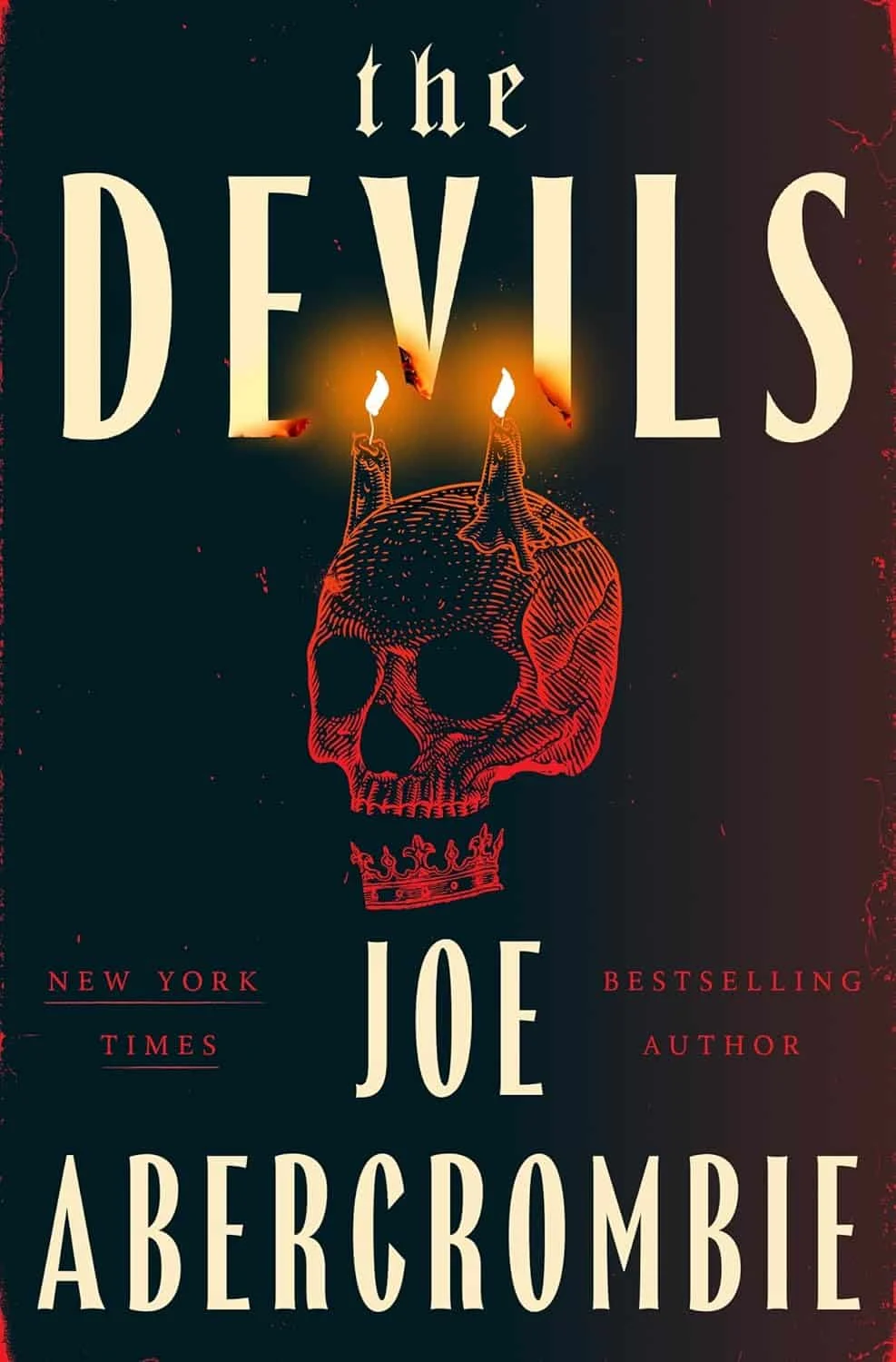
- Joe Abercrombie’s The Devils: In a high-profile move, film rights have been sold to James Cameron at Lightstorm. Abercrombie and Cameron are set to co-write the screenplay.
- Octavia E. Butler’s Parable of the Sower: Warner Bros. has acquired the rights. The project will be produced by Color Force (Nina Jacobson and Brad Simpson) and Melina Matsoukas, who is also slated to direct.
- Ben Mezrich’s The Last Orbit: TriStar Pictures won a pre-empt for this upcoming novel, with Matt Shakman attached to direct and Josh Friedman to adapt.
- Emerging Platforms: Newer digital-first platforms like ReelShort are aggressively acquiring content, exemplified by their purchase of film rights for Sophie Davis’s Talented and Avery Flynn’s Head Witch in Charge.
IV. Official Responses and Industry Appointments
Publishing houses are realigning their talent to match current market demands. Tor Books, in particular, has seen a sweeping series of promotions across marketing, ad-promo, and publishing strategy departments, signaling a heavy investment in brand visibility and direct-to-consumer outreach.
Key Appointments and Moves:
- Enchantress Marketing: Ashleigh Heaton, former director of marketing at Penguin Random House, has launched a boutique agency dedicated to genre fiction, offering services ranging from convention planning to website design.
- Agency Movements: Sarah Gerton has moved to The Caldwell Agency as a literary agent and audio rights manager, bringing her expertise from New Leaf Literary.
- Editorial Shifts: Autumn Toennis has joined Europa Editions as an editor, while Cristal Sanchez and Shelby Sweet have received significant promotions within the Hachette Book Group.
V. Implications: What This Means for the Industry
The current data suggests three primary trends that will define the next 18 to 24 months of publishing:

1. The Consolidation of "Romantasy"
The high frequency of "romantasy" deals—books that marry high-fantasy world-building with intense romantic subplots—indicates that this subgenre is no longer a niche trend but a core pillar of modern publishing revenue. The willingness of major imprints like Ace, Delacorte, and Red Tower to acquire multiple-book series suggests a long-term commitment to these titles.
2. The Rise of "Pre-empt Culture"
The increase in pre-emptive deals (where a publisher makes a high offer to take a book off the table before an auction can occur) indicates that the market is increasingly competitive. For authors, this provides faster security; for publishers, it represents a risk-management strategy to ensure they do not lose major IPs to rivals.

3. Audio and Multimedia Strategy
The appointment of specialists like Sarah Gerton as "audio rights managers" highlights the growing importance of the audio market. With projects like The Magnus Archives moving into novelizations and film rights being sold to directors like James Cameron, the "transmedia" approach—where a book is developed with an eye toward audio, screen, and digital platforms simultaneously—is becoming the industry standard.
Conclusion
As the industry moves into the latter half of 2026, the focus remains on high-concept, franchise-ready storytelling. Whether through the lens of horror, historical fantasy, or dystopian romance, publishers are betting heavily on authors who can deliver not just a single compelling volume, but an expansive universe that can survive and thrive across multiple media formats. The organizational changes at houses like Tor, combined with the emergence of specialized agencies like Enchantress Marketing, demonstrate a professionalized, data-driven approach to an ever-evolving literary market.










No comments yet. Be the first to join the conversation!