Jia Lissa
In the ever-evolving landscape of indie gaming, few titles manage to capture the unsettling, nostalgic essence of the early internet quite like Overbit. Developed for a modern audience with a penchant for the aesthetic of 2000s-era computing, Overbit is more than just a game; it is a digital simulation that actively fights back against the player. By blurring the lines between the user interface and the game world, this horror-comedy-RPG transforms the simple act of file management into a high-stakes, nerve-wracking battle for control.
Main Facts: A Digital Séance for the Modern Age
At its core, Overbit is a narrative-driven experience disguised as a malfunctioning virtual machine. Players are thrust into a retro-styled desktop environment, tasked with exploring the forgotten remnants of a computer that seems to possess a life—and a temper—of its own.
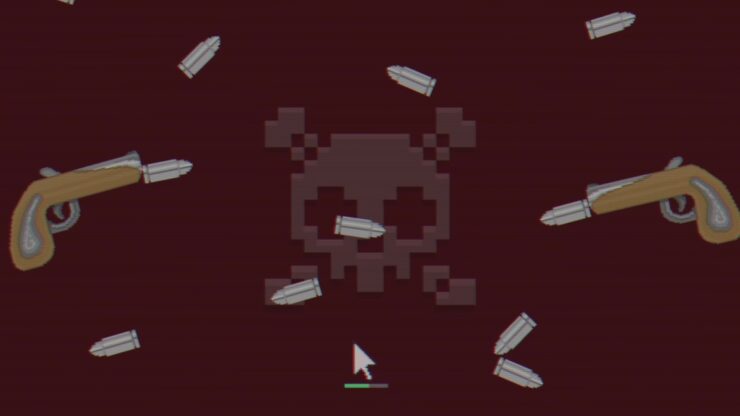
The game’s primary hook lies in its interaction mechanics. Instead of traditional point-and-click exploration, Overbit weaponizes your own cursor, files, and internet connectivity. As you navigate the virtual desktop, the game subjects you to a barrage of "surprise" minigames. These challenges range from rhythm-based tests to frantic bullet-hell sequences, all framed within the context of a crumbling digital ecosystem.
The game is not merely a collection of levels; it is a story told through corruption. As you dig deeper into the system’s directory, you encounter a cast of "quirky" digital entities. Some are remnants of the system’s original purpose, while others are corrupted anomalies fighting to survive. The player must decide who to trust, a choice that complicates the game’s progression and deepens its dark, satirical narrative.
Chronology: The Evolution of a Digital Nightmare
The development of Overbit has been a journey into the uncanny valley of software design. While the project is currently in active development, its public debut at the Bilbao Games Conference (BIG Conference) marked a turning point in its reception.
During the event, attendees were given the opportunity to experience the game’s unique, "rage-inducing" loops. The chronological progression of a typical Overbit session starts with a sense of deceptive normalcy: a desktop, a few folders, and the promise of discovery. However, this peace is short-lived. The game quickly begins to assert its dominance over the operating system.
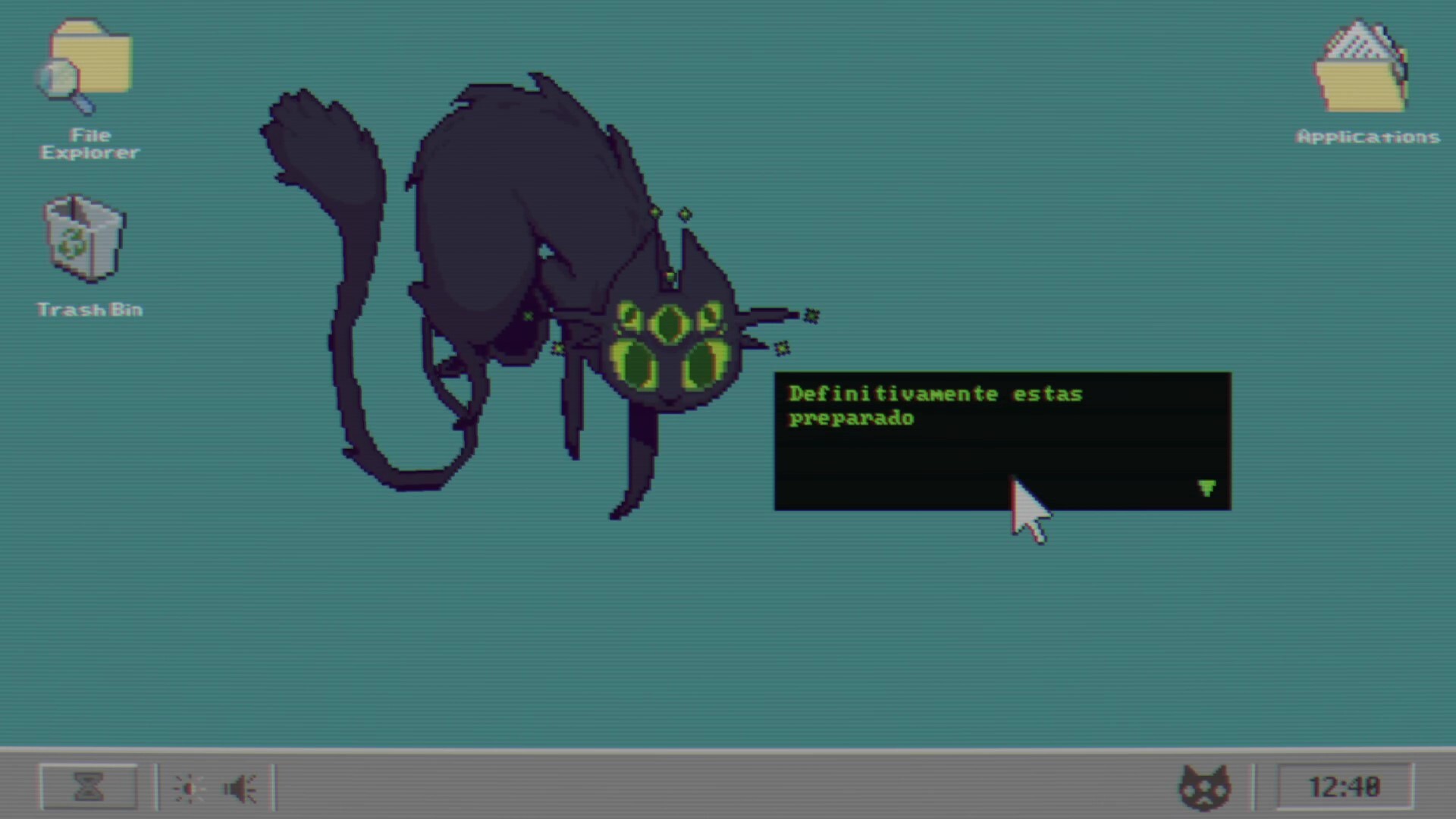
Following the initial exploration phase, the narrative shifts into the "Infiltration" period. Here, the game begins to trigger its signature, high-intensity minigames. These segments often occur in rapid succession, testing the player’s reflexes while simultaneously dropping narrative breadcrumbs. By the third act of a session, the barrier between the game and the user’s actual computer starts to dissolve. Users have reported the game launching unsolicited pop-ups, creating artificial system errors, and, most ominously, taking control of the mouse to prevent the user from closing the application.
Supporting Data: Why ‘Overbit’ Resonates
To understand the appeal of Overbit, one must look at the psychological mechanics at play. The game utilizes a design philosophy reminiscent of WarioWare—a rapid-fire succession of tasks that demand split-second decision-making. However, where WarioWare is lighthearted and frenetic, Overbit leans into the anxiety of a compromised system.
The Mechanics of Frustration
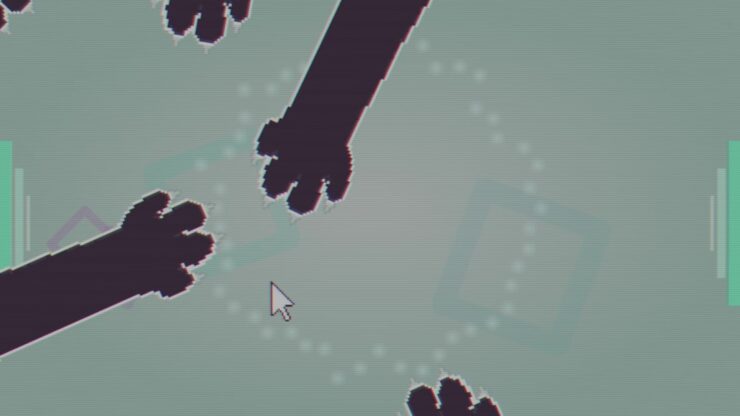
The game’s difficulty is intentionally spikes. By forcing players to dodge "cat hands" or weave through bullet patterns while the desktop environment is actively sabotaging their control inputs, Overbit creates a sense of helplessness.
Accessibility vs. Difficulty
Crucially, the developers have implemented varying difficulty levels. While the core experience is designed to be punishing, the inclusion of accessibility options ensures that the story—which is arguably the game’s strongest asset—remains reachable for those who might otherwise be deterred by the sheer difficulty of the minigames. This balance is vital; it prevents the game from becoming an exercise in pure frustration and instead keeps it firmly in the territory of "challenging but fair."
The "Fourth Wall" Factor
The most significant data point in Overbit’s design is its use of "malware-lite" tactics. By simulating system crashes and forced pop-ups, the game taps into the very real, visceral fear of a computer being infected. In an era where digital security is a primary concern, a game that makes the player feel "hacked" creates a uniquely immersive horror experience that standard jump-scares simply cannot replicate.
Official Perspectives and Development Philosophy
While the team behind Overbit remains focused on refining the game’s mechanics, the consensus among playtesters and industry insiders is clear: this is a title that understands the power of nostalgia.
In interviews conducted at the BIG Conference, the developers emphasized that the "quirky creatures" within the files were designed to be sympathetic. The goal was not to make the player feel like they are fighting enemies, but rather like they are interacting with survivors of a digital cataclysm. Every corrupted file represents a lost piece of data, and every minigame is a manifestation of the system’s desperate attempt to keep its secrets buried.
The developers have also noted that the "rage-inducing" aspects of the game are intentional narrative tools. By making the player angry, the game mimics the frustration of dealing with older, temperamental hardware. It is a meta-commentary on the lifecycle of technology—from the initial excitement of a new machine to the inevitable, frustrating decay of aging software.
Implications: The Future of Meta-Gaming
Overbit sits at the vanguard of a growing trend in indie games that treat the player’s machine as an extension of the game board. This "meta-gaming" approach has significant implications for how we define interaction.
The Death of the Passive Player
In Overbit, you cannot be a passive observer. The game demands total engagement. If you look away, you might miss a crucial piece of lore hidden in a pop-up window. If you hesitate, you lose control of your cursor. This forces the player into a state of hyper-vigilance that is rarely seen in modern RPGs.
The Longevity of Horror-Comedy
The horror-comedy genre is notoriously difficult to pull off. It requires a delicate balance of tension and absurdity. Overbit manages this by using the "cat hands" and rhythm games as both sources of danger and sources of humor. The juxtaposition of a terrifying, system-destroying entity and a playful, absurd animation creates a tone that is uniquely "internet-native."
A Cautionary Tale for Retro-Computing
Beyond the gameplay, Overbit serves as an unofficial ode to the "Wild West" era of the early 2000s internet. The chaotic, unoptimized, and somewhat dangerous nature of the software in the game mirrors the feeling of browsing the web in the days of dial-up, where every click could lead to a virus, a breakthrough, or a bizarre discovery.
Conclusion: A Must-Wishlist Experience
As Overbit moves through its development cycle, it stands as a testament to the creativity possible when developers stop viewing the computer as a static platform and start viewing it as a living, breathing participant in the story.
Whether you are a fan of high-difficulty bullet-hells, a lover of meta-narrative storytelling, or someone who simply misses the aesthetic of Windows XP-era pop-ups and erratic cursor movements, Overbit promises an experience that is as memorable as it is infuriating.
For those ready to descend into the digital abyss, the game is currently available for addition to your Steam Wishlist. It is highly recommended that you do so—if only to ensure that when the virtual machine finally arrives, you’re prepared to fight back. In a world of polished, predictable experiences, Overbit dares to be a nuisance, a challenge, and, most importantly, a complete surprise.


 Ammar Sabilarrohman
 Nana Muazin