
 Dwi Wanna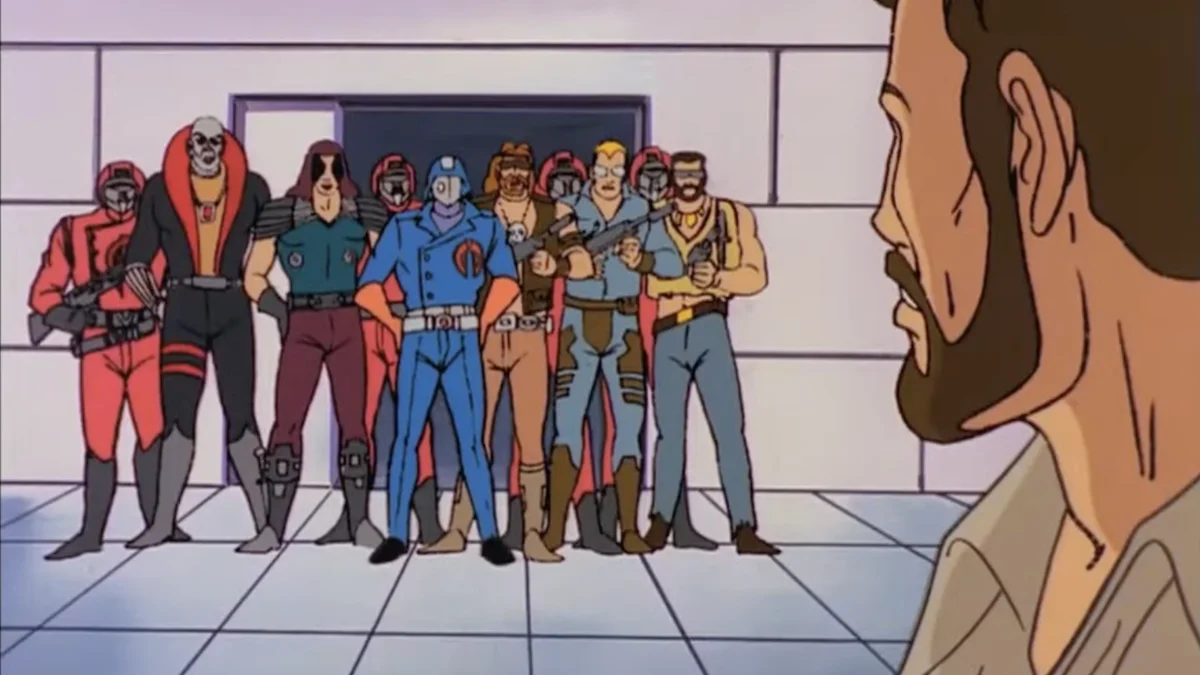
For decades, the G.I. Joe franchise has occupied a strange, paradoxical space in pop culture. It is a brand defined by hyper-masculine military posturing, iconic toy designs, and a sprawling, colorful rogue’s gallery of villains. Yet, despite its massive legacy as a cornerstone of 1980s Saturday morning television and comic book history, the property has struggled to find its footing on the big screen. Following the lukewarm reception of previous cinematic attempts, such as Stephen Sommers’ The Rise of Cobra and Jon M. Chu’s Retaliation, Paramount Pictures is pivoting toward a bold, fan-driven creative vision.
The studio has tapped comedy auteur Danny McBride—known for his sharp, cynical, and often surreal storytelling in The Righteous Gemstones—to pen the script alongside his frequent collaborators Jeff Fradley and John Carcieri. In a move that has surprised many industry analysts, the creative team is bypassing the typical "global war" spectacle in favor of a deep-cut narrative inspired by one of the most psychological episodes in the franchise’s history: "There’s No Place Like Springfield."
A Change of Tactics: The Core Concept
The fundamental struggle of adapting G.I. Joe for film has always been the sheer scale of its ensemble. The franchise is packed with dozens of characters, each with a unique gimmick, a specific uniform, and a niche military specialty. Attempting to cram this sprawling cast into a two-hour blockbuster has historically led to bloated, incoherent narratives.
Danny McBride, appearing on the Happy Sad Confused podcast with Josh Horowitz, revealed that his approach centers on a more intimate, high-tension premise. Rather than a global, globe-trotting mission to save the world, the upcoming film will be rooted in a single, claustrophobic setting.
"You’re following Duke and a group of other Joes," McBride explained. "There’s that town in the comics, Springfield, which is a town that’s secretly all Cobra. That is where our film takes place."
By choosing to set the story in the suburban, Cobra-controlled town of Springfield, McBride is moving away from the "event movie" spectacle that bogged down previous iterations. Instead, he is opting for a "cozy-thriller" aesthetic that leans into the paranoia and surrealism that originally made the G.I. Joe comics and cartoons so memorable to Gen X and Millennial fans.
A Chronology of a Cult Classic: "There’s No Place Like Springfield"
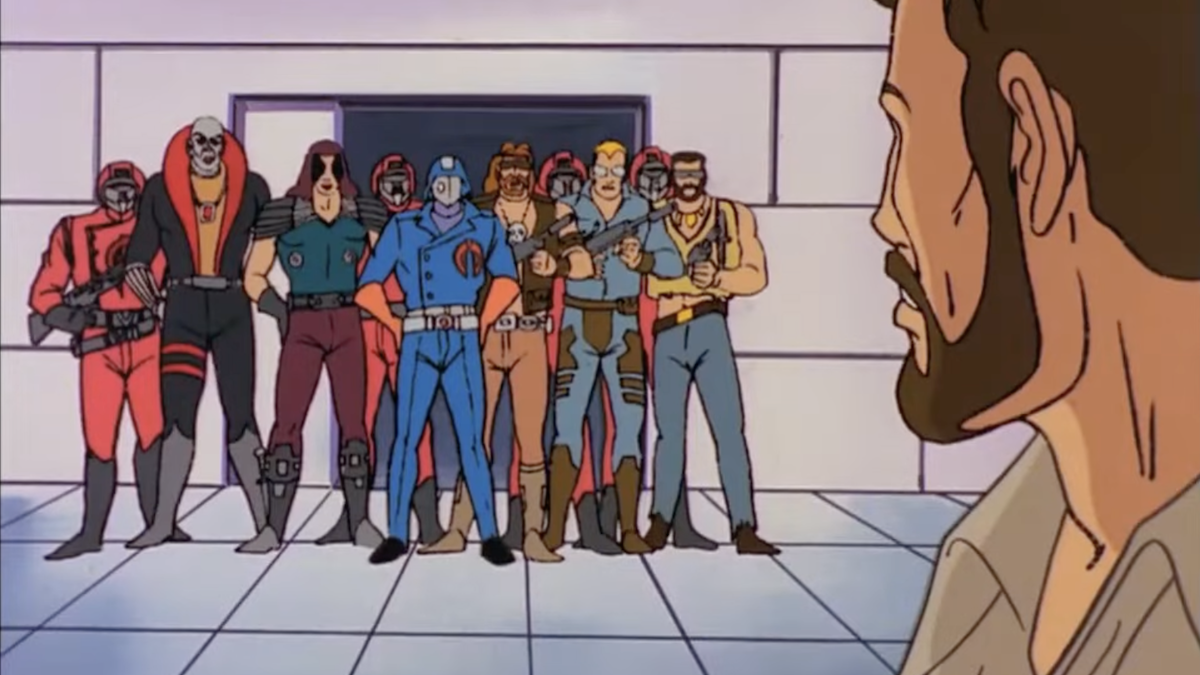
To understand why McBride is staking the future of the G.I. Joe film franchise on a small, suburban town, one must look back at the 1985 television event, "There’s No Place Like Springfield." Written by Steve Gerber—the legendary scribe also responsible for Howard the Duck—the two-part episode remains a high-water mark for the series.
The story begins in a classic, disorienting fashion: the Joe known as Shipwreck, a naval specialist, finds himself stranded and waking up in a quiet, idyllic hospital. The local physician and a sympathetic nurse inform him that he has been in a coma, but that the war is over. They explain that his sacrifice—the sharing of a secret scientific formula—led the Joes to a definitive victory over Cobra. Shipwreck is told he is now a family man, encouraged to settle down in the suburban paradise of Springfield.
However, the narrative quickly shifts into psychological territory. Shipwreck is plagued by a nagging sense of existential dread. He cannot reconcile his memories of warfare with this forced domestic bliss. The tension mounts as his neighbors and "wife" repeatedly press him for the details of the secret formula he allegedly provided to the Joes.
As it turns out, the entire town is an elaborate, high-stakes gaslighting operation orchestrated by Cobra. It was a 1980s version of a Mission: Impossible ruse, designed to manipulate a soldier into breaking his silence. The episode concludes with a frantic escape, a reunion with the Joes, and the inevitable destruction of the Cobra facility.
Psychological Echoes and Cultural Significance
The genius of McBride’s inspiration lies in the fact that this specific story arc shares DNA with some of the most influential psychological dramas in television history. By framing G.I. Joe within the context of a "secret town," the film can lean into tropes found in The Twilight Zone episode "The Monsters are Due on Maple Street," where suburban paranoia acts as a pressure cooker for human conflict.
Furthermore, the premise mirrors the cult classic series The Prisoner, where the protagonist is trapped in a mysterious village, constantly monitored and interrogated by shadowy figures. Even Star Trek: The Next Generation touched on these themes in "Future Imperfect," where Captain Riker is manipulated via an artificial environment to divulge classified information.
By anchoring the movie in this "Small Town, Big Secret" trope, McBride provides a structure that allows for a slow-burn introduction of the more "outlandish" elements of the G.I. Joe universe. It offers a grounded entry point for audiences unfamiliar with the lore, while simultaneously providing a playground for the "wonderful weirdos" of the franchise—such as the eccentric Dr. Mindbender, the mercenary Chuckles, and the mysterious Ice Cream Soldier—to appear in a setting that feels earned rather than forced.
The Implications of the McBride Shift
The implications of this move for the future of Hasbro’s intellectual property are significant. For years, the studio’s strategy seemed to involve throwing money at massive set pieces and CGI-heavy battles. By hiring McBride, Paramount is signaling a move toward "auteur-driven" blockbusters.
If the film succeeds, it proves that franchise fatigue can be cured by changing the genre of the film. G.I. Joe does not have to be a standard military action movie; it can be a psychological thriller, a heist movie, or a dark comedy. McBride’s background in character-driven, dialogue-heavy humor suggests that we might finally get a G.I. Joe film where the banter between characters—the heart of the original toy line and cartoon—is just as important as the explosions.
Furthermore, this pivot demonstrates a newfound respect for the "deep cuts" of the franchise’s history. By embracing the specific, weird, and slightly dark corners of the G.I. Joe mythos, the filmmakers are catering to the core fanbase that has kept the brand alive through decades of merchandise, while simultaneously creating a hook that feels distinct from the standard superhero or military-action fare currently saturating the market.
Looking Ahead: The Future of the Joes
While the project is still in the developmental phase, the collaboration between McBride, Fradley, and Carcieri offers a refreshing glimpse of what the future of the franchise could look like. By focusing on the human cost of being a soldier—even in a world of laser guns and flying tanks—the team is adding a layer of depth that was previously missing.
The success of the film will ultimately depend on its ability to balance that dark, suburban mystery with the high-octane energy that fans expect from G.I. Joe. If they can successfully execute the "Springfield" arc, they will have successfully bridged the gap between the nostalgic, campy origins of the brand and the modern demand for high-quality, narrative-driven cinema.
As the production moves forward, industry observers will be watching closely. Will this be the film that finally turns G.I. Joe into a legitimate cinematic powerhouse? Or will it remain a niche experiment? Regardless of the outcome, one thing is clear: the era of the "faceless soldier" in the G.I. Joe film universe is ending, and the era of the character-driven, suburban nightmare is about to begin. For fans who have waited years for a smart, stylistic, and respectful adaptation, the prospect of Danny McBride’s Springfield is the most promising development in a long, complicated history.


 Pevita Pearce
 Asep Darmawan




