

TOKYO – The Tokyo Metropolitan Police Department (MPD) has launched an internal review following the death of a 48-year-old Turkish national who passed away while in custody at the Takao Police Station on July 2. The incident, which has drawn attention to the medical oversight protocols within Japan’s detention system, follows a week-long period of incarceration that began after a routine traffic incident.
As of Tuesday, authorities have confirmed that the man, whose identity has been withheld pending formal notification of next of kin, succumbed to an undisclosed illness. The death has prompted questions regarding the adequacy of medical triage for detainees and the standard of care provided by police-managed facilities.
The Chronology of Events: From Traffic Incident to Tragedy
The sequence of events leading to the man’s death began on June 25, when he was involved in a minor traffic accident on an expressway in Hachioji, a western suburb of Tokyo. While the accident resulted in property damage, there were no reported injuries at the scene.
Upon arrival, responding officers conducted a routine check of the man’s credentials. During this interaction, it was determined that the individual was not carrying his residence card—a violation of Japan’s strict Immigration Control and Refugee Recognition Act, which requires foreign nationals to possess valid identification at all times. He was subsequently taken into custody on suspicion of violating these immigration laws.
The Medical Timeline
The situation took a turn for the worse four days after his initial detention. According to statements provided by the MPD:
- June 29: The detainee reported experiencing severe abdominal pain. He informed detention staff of his condition, prompting an internal assessment.
- July 1: After the pain persisted for two days, police transported the man to a local hospital for a professional medical evaluation. Broadcaster TBS reported that physicians diagnosed him with appendicitis. However, the attending doctor determined that the condition did not necessitate immediate hospitalization or surgical intervention at that time, and the man was discharged back into the custody of the Takao Police Station.
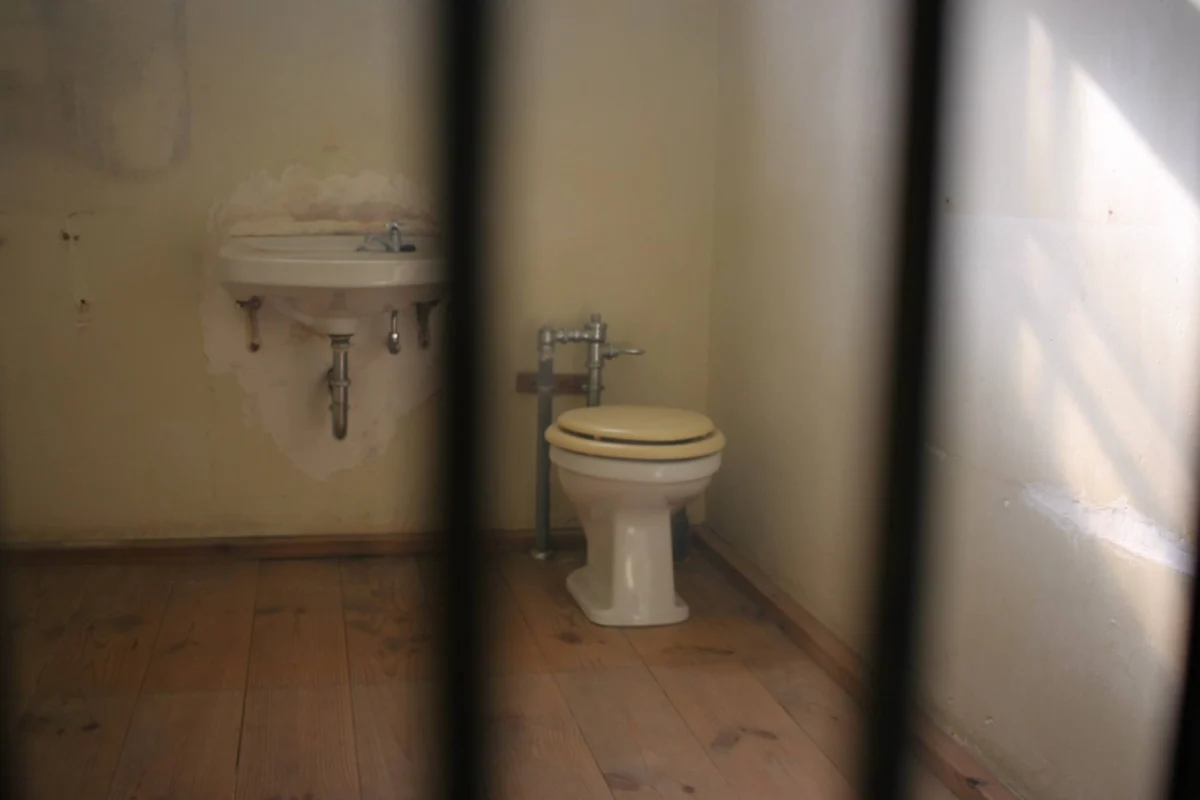
- July 2: In the early morning hours, the man was discovered unresponsive, lying face-up in a restroom within the detention facility. Despite emergency efforts to revive him and his subsequent transport to a nearby hospital, he was officially pronounced dead at 7:45 a.m.
An autopsy was conducted shortly thereafter, with the medical examiner concluding that the death was the result of natural causes linked to his illness. However, the specific pathology behind the fatal outcome has not yet been publicly disclosed by the authorities.
Supporting Data: The Context of Immigration Detention in Japan
The death of the Turkish national occurs against a backdrop of increasing scrutiny regarding the treatment of foreign detainees in Japan. While the individual was held at a local police station rather than a dedicated Immigration Services Agency facility, the incident has reignited broader public debate about how the Japanese justice system manages the health of non-citizens.
The "Substitute Prison" System
Japan’s detention system relies heavily on daiyo kangoku (substitute prisons), where suspects can be held in police facilities for up to 23 days without formal indictment. Critics have long argued that these facilities are not adequately equipped to provide long-term medical care. Unlike specialized medical wings in dedicated detention centers, police-run stations rely on external medical consultations, which can lead to delays in treatment or gaps in diagnostic continuity.
Medical Oversight Protocols
The case raises critical questions regarding the "triage" process utilized by the MPD. When a detainee complains of illness, the responsibility for assessing the severity of the condition falls on police staff, who are not medically trained. If a physician at an external hospital clears a patient for detention—as occurred in this case—police officers are generally bound by that professional opinion. The implications of this chain of responsibility are now central to the ongoing investigation.
Official Responses and Procedural Review
In the wake of the incident, the Tokyo Metropolitan Police Department has moved to manage the diplomatic and administrative fallout. The MPD confirmed that they have formally notified the Turkish Embassy in Tokyo regarding the circumstances of the arrest and the subsequent fatality.
"We are currently examining the conditions of the detention and the response to the man’s medical condition," an MPD spokesperson said during a press briefing. "We are committed to determining whether there were any deficiencies in the treatment he received while in our custody."
The Scope of the Internal Investigation
The MPD’s inquiry is expected to focus on three key areas:
- Response Time: How quickly did officers respond to the man’s initial reports of pain on June 29?
- Communication with Healthcare Providers: Was the severity of the man’s symptoms accurately conveyed to the doctor who examined him on July 1?
- Facility Monitoring: Why was the man found unresponsive in a restroom, and were the protocols for routine health checks properly followed in the hours leading up to his death?
At this stage, there is no evidence of foul play or intentional neglect, but the authorities are under pressure to provide transparency to both the public and the diplomatic community.
Implications for Legal and Human Rights Standards
The death of the Turkish national is likely to amplify calls for reform within the Japanese detention system. Advocacy groups have consistently pointed out that the reliance on police stations for holding foreign nationals often results in language barriers and a lack of cultural understanding, both of which can impede effective communication of medical symptoms.
Language Barriers and Access to Care
For foreign nationals, the inability to clearly articulate the nature and intensity of physical symptoms in Japanese can lead to significant diagnostic errors. If the detainee struggled to explain the progression of his appendicitis, the urgency of his condition may have been downplayed during his July 1 hospital visit. This case highlights the necessity of professional medical interpretation services, which are not always standard in local police stations.
Accountability and Transparency
As the investigation progresses, the Japanese government faces potential diplomatic pressure to ensure a thorough and independent review. Should the investigation reveal that the medical response was substandard, it could lead to policy changes regarding how police facilities handle medical emergencies for foreign detainees.
Furthermore, this incident serves as a grim reminder of the vulnerability of those held in detention. While the individual was arrested for a minor administrative offense, the outcome was fatal, raising questions about whether the severity of the detention matched the nature of the alleged violation.
The Path Forward
The MPD has pledged to release further findings once their internal review is complete. However, legal experts suggest that the full details may not be made public until the case is reviewed by the Public Prosecutors Office. For now, the Takao Police Station remains under the spotlight, with the family of the deceased and the Turkish Embassy awaiting a final report on whether the tragic loss of life could have been prevented.
The incident serves as a catalyst for a necessary conversation regarding the intersection of immigration law enforcement and the fundamental right to healthcare for all individuals within Japanese borders, regardless of their legal status. As Japan continues to see an increase in its foreign-born population, the strain on its administrative and detention infrastructure is likely to remain a focal point of legislative and social concern.











