

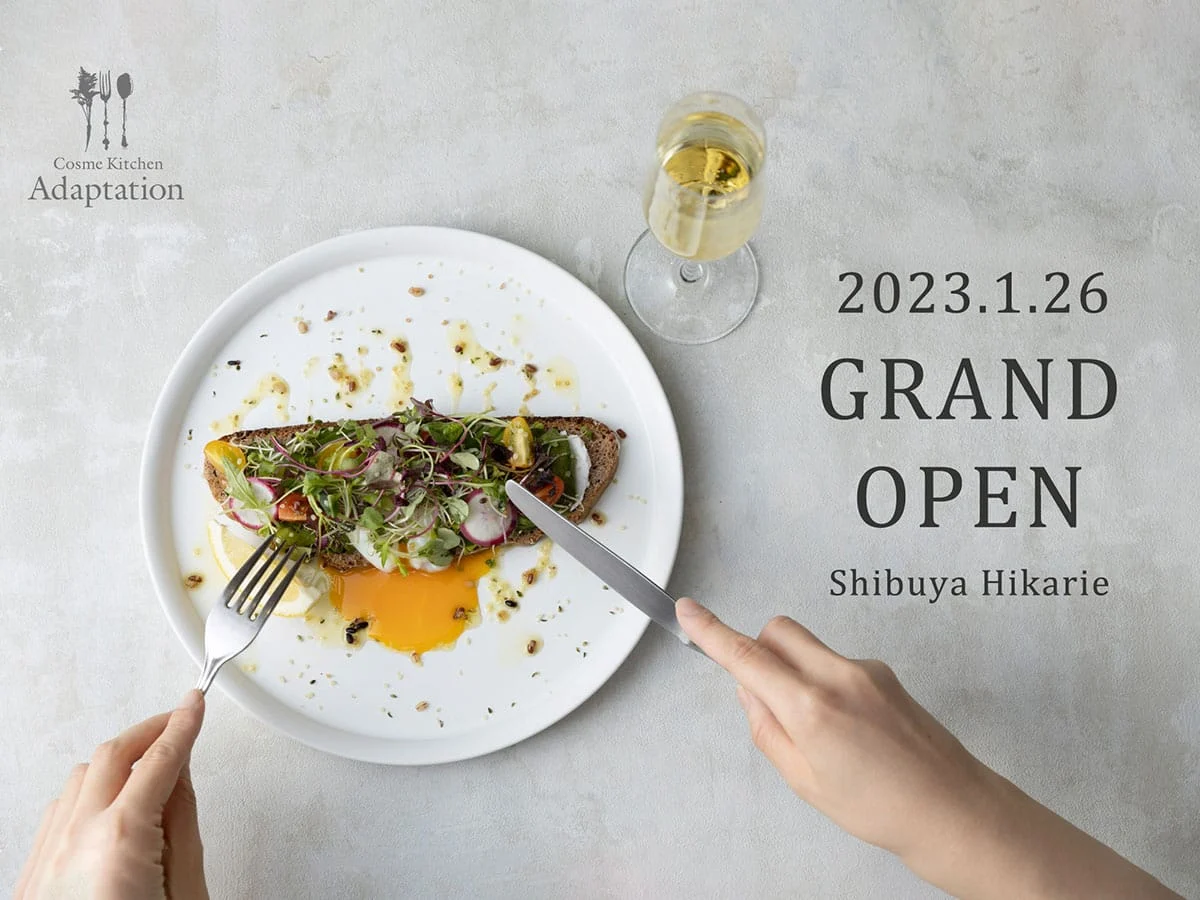
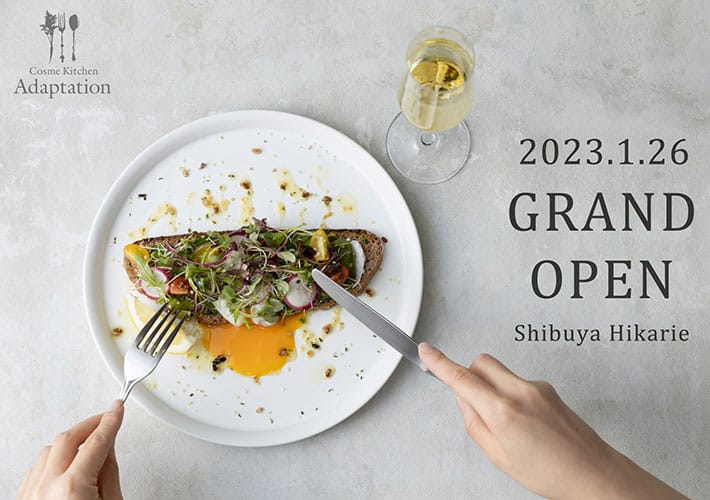
The landscape of Tokyo’s culinary scene is undergoing a profound shift as diners increasingly prioritize transparency, ingredient integrity, and environmental sustainability. Standing at the forefront of this movement is Cosme Kitchen Adaptation, a restaurant brand that has successfully bridged the gap between haute cuisine and holistic wellness. Following a series of highly successful operations in Osaka, the brand officially marked its first major foray into the Kanto region on January 26, 2023, unveiling a flagship location on the 7th floor of the iconic Shibuya Hikarie building.
Situated in one of the world’s busiest transit hubs, the new restaurant offers a sanctuary of "clean eating" for commuters, tourists, and health-conscious professionals. By synthesizing the principles of macrobiotics, veganism, and sustainable sourcing, the establishment aims to prove that nutritious, earth-friendly food does not require a compromise on flavor or sophistication.
The Chronology of Expansion: From Osaka to Shibuya
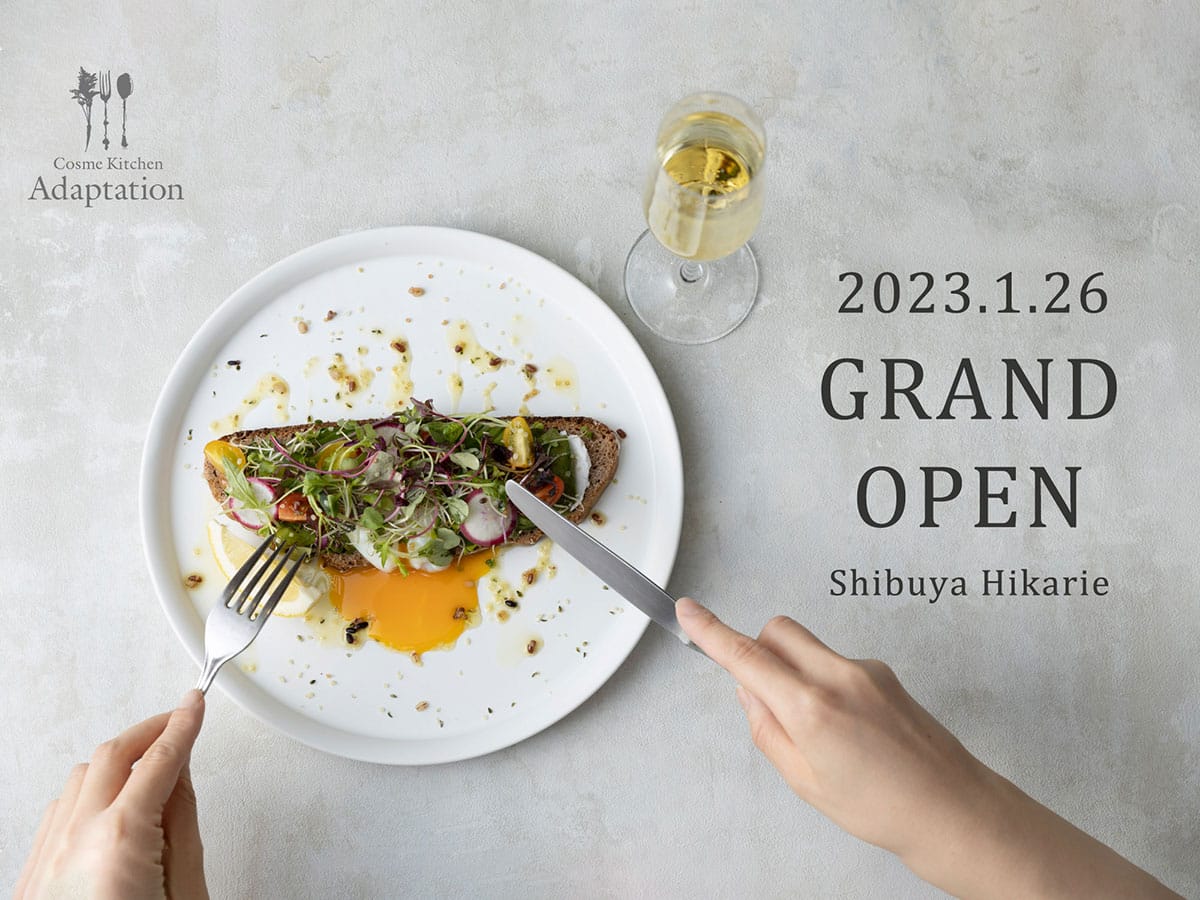
The journey of Cosme Kitchen Adaptation to Tokyo has been a calculated strategic expansion. The brand first cemented its reputation in the Kansai region, where it cultivated a loyal following among urbanites seeking alternatives to the processed, additive-heavy fast food common in city centers.
- Pre-2023: Establishing brand identity and rigorous sourcing protocols in the Osaka market.
- Late 2022: Announcement of the Shibuya Hikarie partnership, aligning the brand with a venue synonymous with modern, high-end urban lifestyle.
- January 26, 2023: Grand opening of the Shibuya branch, marking the brand’s official entry into the competitive Tokyo metropolitan dining market.
- Q1 2023: Launch of inaugural seasonal collaborations and exclusive menu items designed specifically for the Shibuya clientele.
This transition from a regional favorite to a Tokyo fixture highlights a growing consumer demand in the capital for dining experiences that align with personal values, such as ethical consumption and gut health.
The Philosophy of "Clean Eating" and Culinary Craft
At its core, Cosme Kitchen Adaptation operates on the "Adaptation" philosophy—the belief that food should adapt to the body’s needs rather than forcing the body to adapt to the food. The menu is a meticulously curated selection designed to accommodate diverse dietary protocols, including vegan, gluten-free, raw food, and macrobiotic lifestyles.
For the non-vegan diner, the restaurant maintains a high standard of animal welfare. They exclusively procure meat from farms that prioritize humane raising practices and high-quality, natural feed, ensuring that even the most "indulgent" dishes are rooted in ethical stewardship.
The Anatomy of the Menu
The menu is divided into categories that serve both the health-conscious diner and those seeking a savory, elevated dining experience.
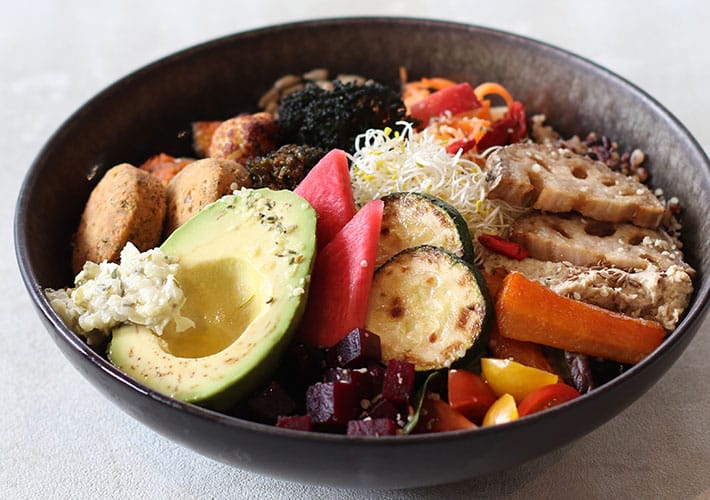
The All-in-One Bowl (2,299 JPY)
This dish serves as the cornerstone of their nutritional philosophy. By balancing proteins, complex carbohydrates, and micro-nutrients, the bowl features house-made falafel, nutrient-dense hummus, and a rotation of seasonal, farm-to-table vegetables. It is designed to provide sustained energy, effectively countering the "post-lunch slump" that often follows a heavy, processed meal.
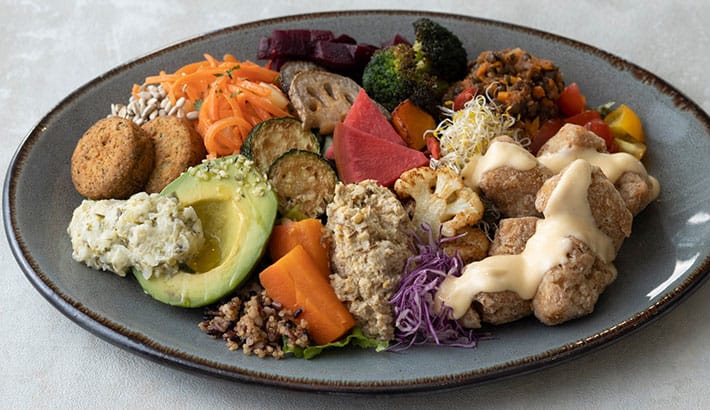
The One-Plate Meal (2,629 JPY)
Acknowledging that many diners desire a more substantial caloric intake, this option combines the nutritional density of the All-in-One Bowl with a choice of high-quality mains. The stand-out is the "veggie karaage"—a testament to the kitchen’s ability to replicate the textures of traditional Japanese comfort food using entirely plant-based ingredients.
Global Flavors: Avocado Toast and Beyond
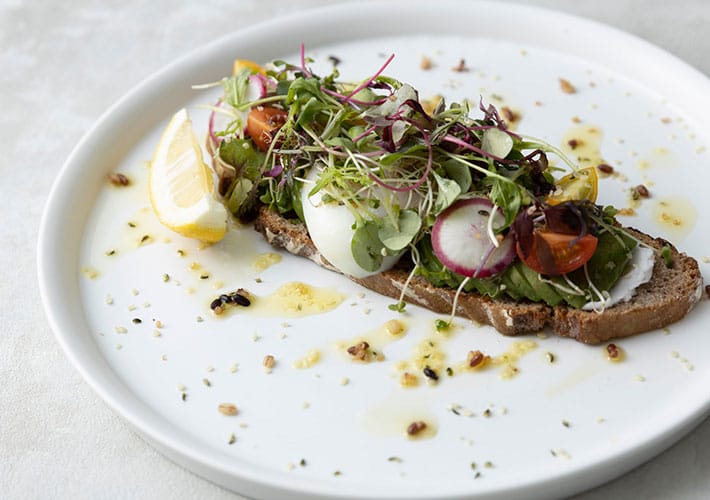
The Oriental Avocado Toast (1,518 JPY) demonstrates the kitchen’s flair for fusion. By utilizing a whole wheat French sourdough base, the dish provides a robust prebiotic foundation. The addition of Satế Tôm (a Vietnamese-inspired chili oil) introduces a complex heat that elevates the dish beyond standard cafe fare.
Innovative Indulgence: Vegan Chicken and Waffles
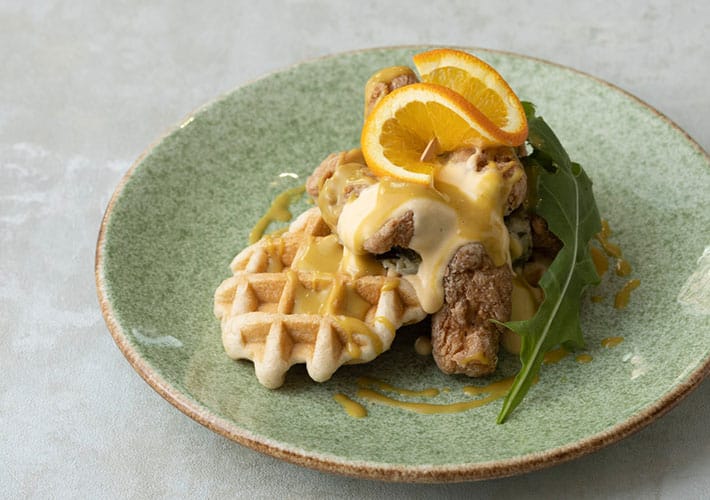
Perhaps the most ambitious item on the menu, the Vegan Chicken and Waffles (1,848 JPY) replaces poultry with mochi, deep-fried in a gluten-free batter. The result is a chewy, crispy, and savory delight that defies the stereotypes of vegan "mock meats." It is paired with a vegan cheddar sauce and maple mustard, successfully balancing savory and sweet profiles.
Supporting Data: Nutrition and Sourcing
The restaurant’s commitment to quality is not merely marketing; it is backed by rigorous procurement standards. In an industry often obscured by "greenwashing," Cosme Kitchen Adaptation provides transparency regarding its supply chain.
- Macro-Nutrient Balance: Each dish is designed to meet specific health thresholds. The focus on high-protein plant sources, such as chickpeas and soy, ensures that vegans do not face the typical nutrient deficiencies associated with plant-based dining.
- Seasonal Variability: As noted in their official disclosures, ingredient availability is subject to market conditions. The restaurant adjusts its menu quarterly to ensure that produce is sourced at the peak of its nutritional profile, reducing the reliance on artificial preservatives.
- Beverage Integration: The restaurant’s selection of seven original organic herbal tea blends is formulated to address common physical stressors, such as inflammation, fatigue, and digestive sluggishness.
Official Responses and Strategic Partnerships
To celebrate the Shibuya opening, the restaurant initiated a high-profile collaboration with FEMMUE, a luxury Korean botanical skincare brand. The "FEMMUE Dream Glow Latte," available through March 31, 2023, represents a convergence of the beauty and food industries. By bundling the latte with a "Dream Glow Mask," the brand reinforces the idea that true health is an "inside-out" process—nourishing the body with healthy beverages while using high-quality botanical products for topical skin care.
When asked about the choice of location, management highlighted the strategic importance of Shibuya Hikarie. "We chose this location because it is the intersection of commerce and culture in Tokyo," a spokesperson noted. "By placing ourselves in the heart of the city, we are making healthy, conscious dining accessible to the very people who need it most—the busy professionals who struggle to find quality fuel during their workdays."
The Implications for the Tokyo Dining Market
The arrival of Cosme Kitchen Adaptation serves as a bellwether for the future of the Japanese hospitality industry. There are several key implications for this shift:
1. Normalization of Vegan and Gluten-Free Dining
For years, veganism in Japan was often viewed as a niche, Western-centric lifestyle. By embedding these options into a high-end, aesthetically pleasing, and culturally relevant dining environment, Cosme Kitchen Adaptation is helping to destigmatize these dietary choices.
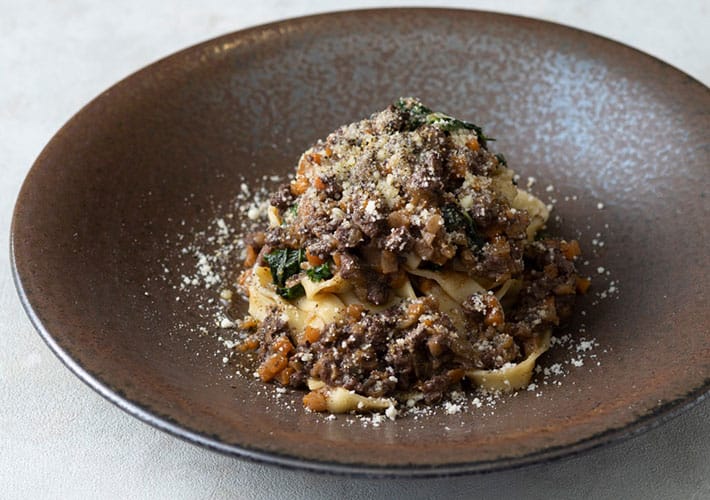
2. The Rise of "Functional Hospitality"
Restaurants are no longer just places to consume calories; they are becoming partners in personal wellness. The success of this model suggests that Tokyoites are willing to pay a premium (with dishes priced between 1,500 and 2,600 JPY) for food that actively improves their physical well-being.
3. Sustainability as a Competitive Advantage
As Japanese consumers become more aware of the environmental impact of their food choices, brands that prioritize local sourcing, organic ingredients, and minimal waste are seeing increased market share. The restaurant’s takeout option, which allows customers to enjoy healthy vegan cakes in the comfort of their homes, expands the brand’s reach and caters to the growing "home-dining" trend that accelerated during the pandemic.

Conclusion
Cosme Kitchen Adaptation at Shibuya Hikarie is more than a restaurant; it is a meticulously designed experience that addresses the modern dilemma of how to eat well in a fast-paced urban environment. With its thoughtful menu, commitment to premium organic ingredients, and strategic partnerships, it has established a robust template for the future of conscious dining in Japan.
For residents and visitors in Tokyo, this new branch offers a necessary respite from the standard fare of the city. Whether one is a committed vegan, a gluten-intolerant professional, or simply a food lover looking for a fresh take on classic flavors, the doors of the 7th floor are open, promising a meal that is as restorative as it is delicious. As the brand continues to settle into its new Kanto home, it is poised to lead the conversation on what it means to dine with both purpose and pleasure in the 21st century.











