

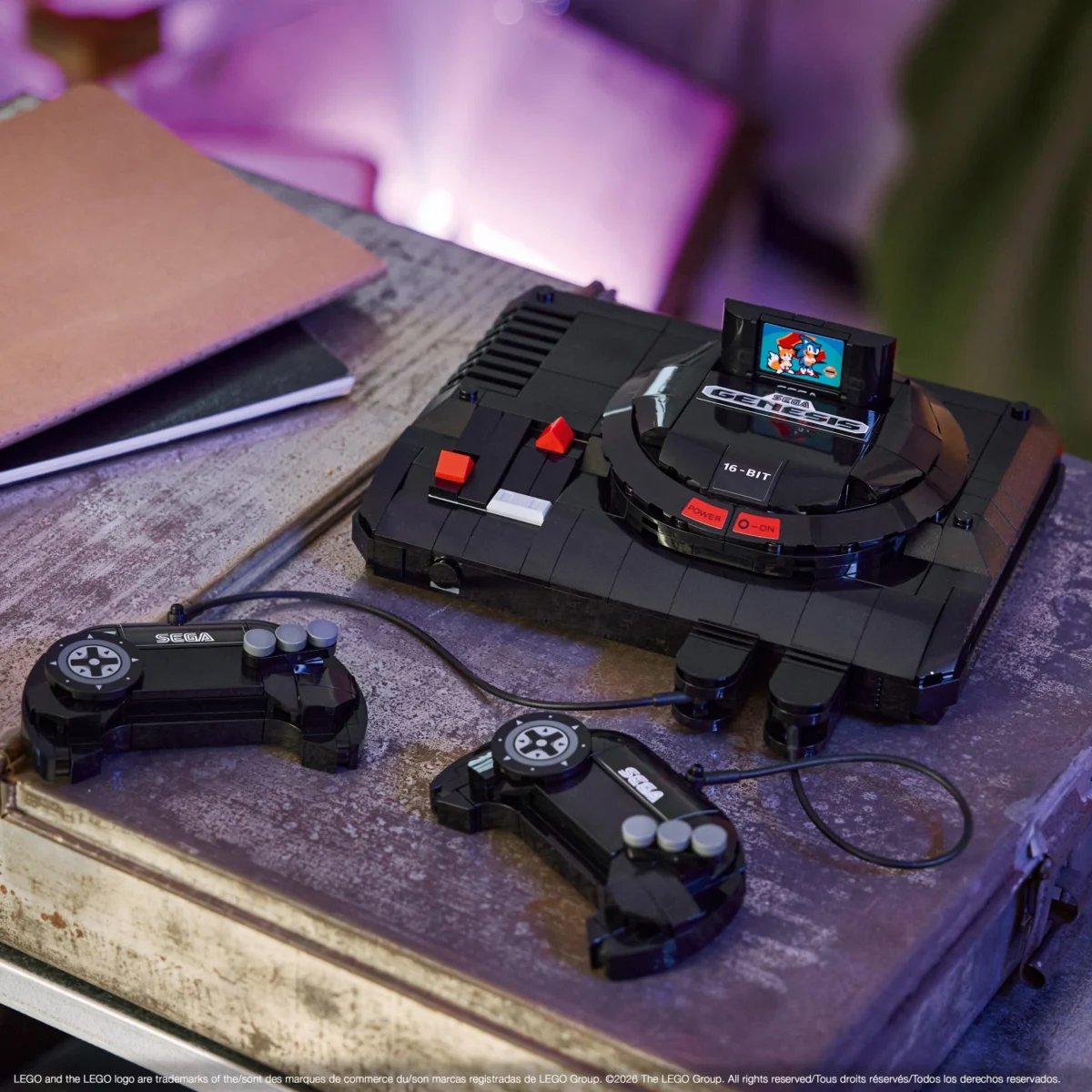
BILLUND, Denmark — The intersection of mid-90s nostalgia and modern brick-building artistry has reached a new zenith. On May 2, 2026, the LEGO Group, in a strategic collaboration with the legendary entertainment giant SEGA, officially pulled back the curtain on one of the most anticipated releases in the AFOL (Adult Fan of LEGO) community: the LEGO SEGA Genesis Console (40926).
This highly detailed, display-ready model serves as a love letter to the 16-bit era, meticulously recreating the console that defined a generation of gaming. For fans who grew up during the "Console Wars," the announcement is more than just a product launch; it is a tangible piece of history designed to sit proudly on a shelf, evoking memories of late-night sessions and the iconic sound of the SEGA startup chime.
The Genesis of a Masterpiece: Main Product Facts
The LEGO SEGA Genesis Console (40926) is a triumph of design, capturing the distinct aesthetic of the hardware that challenged the status quo in the early 1990s. The set is not merely a static model; it is a versatile building experience that invites fans to customize their own slice of gaming history.

- Versatility in Design: One of the set’s most touted features is its modularity. Builders are provided with the necessary elements to configure the console as either the North American "SEGA Genesis" or the international "SEGA Mega Drive," acknowledging the global footprint of the original hardware.
- Intricate Detailing: The model features a removable cartridge slot, authentic-looking ports, and the classic, tactile feel of a console that changed the gaming landscape.
- The Peripheral Experience: Completing the set are detachable controllers, allowing for dynamic posing that mimics the real-world setup of a classic gaming station.
- Price and Availability: The set is slated to hit shelves on June 1, 2026—a move that brings the release date forward from its original July projection. It will be available for £34.99 / €39.99 / $39.99 at LEGO.com and select retailers.
A Chronology of Collaboration: Building the SEGA-LEGO Alliance
The partnership between the LEGO Group and SEGA is not a recent phenomenon, but rather the culmination of years of successful cross-pollination between the two brands. To understand why this console release is so significant, one must look back at the trajectory of their collaborative efforts.
The Sonic Foundation
The relationship between these two titans was solidified through the success of the Sonic the Hedgehog product line.
- The Green Hill Zone Milestone: The release of the LEGO Ideas Sonic the Hedgehog Green Hill Zone set proved that there was a massive, untapped market for high-quality, display-focused gaming sets. It was a critical and commercial darling, blending the speed and energy of the Sonic franchise with the architectural precision of LEGO.
- Expanding the Universe: Following the success of the initial sets, the LEGO Group expanded the Sonic range, creating a consistent ecosystem of play that bridged the gap between young builders and adult collectors who grew up with the blue blur.
- The Leap to Hardware: With the Sonic sets firmly established, the progression toward full-scale hardware replicas was a natural evolution. The transition from building characters and environments to building the "home" of those characters—the console itself—marks the current peak of this partnership.
The Engineering Challenge: Designer Perspectives
Recreating a curved, iconic piece of consumer electronics using the rigid, geometric nature of LEGO bricks is a feat that requires immense precision. Patrik, a designer at the LEGO Group, spoke candidly about the process during the announcement.

"Like many others from my generation, I still vividly remember when the SEGA Mega Drive launched—it felt completely out of this world," Patrik noted. "Twenty-seven years later, the love for the console is still going strong. I still play mine! Recreating the intricate details and curves of the console with LEGO elements was an enjoyable challenge, despite its difficulty."
The challenge lay in the iconic "bulge" and the signature black-and-silver color scheme of the Genesis/Mega Drive. Achieving these aesthetics without sacrificing the structural integrity of the build required innovative part usage and clever SNOT (Studs Not On Top) techniques.
Official Responses: Bridging Heritage and Creativity
For SEGA, the partnership is about maintaining the relevance of their legacy. Alex Gomez, VP of Licensing & Partnerships at SEGA of America, Inc., emphasized the emotional resonance of the product.

"We feel that this is a building experience that captures both SEGA’s heritage of gaming and the playful creativity of LEGO play," Gomez stated. "The SEGA Genesis holds a special place in the hearts of gamers and represents a defining era in video game history. With this new LEGO set, fans are not only able to relive those nostalgic memories but also actively engage with SEGA’s legacy through hands-on creativity."
This sentiment underscores a broader strategy for SEGA: "Transmedia." By licensing their IP for high-end collector items, games, and merchandise, SEGA is positioning its brand as a timeless staple, ensuring that the "SEGA magic" persists well beyond the hardware’s original lifecycle.
Implications: The Rise of Retro-Gaming Decor
The release of the LEGO SEGA Genesis (40926) highlights a growing trend in the hobbyist market: the rise of "Nostalgia Decor." Adults who grew up in the 80s and 90s now have the disposable income and the desire to commemorate their formative years through physical, high-quality displays.

Impact on the Collector Market
- Niche Appeal: By focusing on specific, iconic hardware, the LEGO Group is effectively targeting the "collector" demographic rather than just the "toy" demographic. This shift is likely to drive further interest in similar retro-themed collaborations across the industry.
- The "Display" Factor: Unlike traditional play-sets, this model is clearly aimed at the adult market, designed to be placed on bookshelves, office desks, or gaming entertainment centers.
- Community Engagement: The ability to swap between the "Genesis" and "Mega Drive" branding encourages community interaction, as fans will likely share their preferred configurations on social media platforms, creating a secondary layer of engagement for the product.
Strategic Significance: A New Era for LEGO and SEGA
The collaboration reinforces the strength of both companies. For the LEGO Group, it represents a continued pivot toward the adult market, a strategy that has proven highly successful over the last decade. For SEGA, it serves as a testament to the longevity of their brand.
As the industry looks toward the future of interactive entertainment, the success of the LEGO SEGA Genesis suggests that physical, tangible connections to digital history are more valuable than ever. In an age of ephemeral digital downloads and cloud gaming, having a physical, buildable console on one’s desk offers a sense of permanence and pride that is hard to replicate.
Looking Ahead
With the release date set for June 1, 2026, fans have only a short wait before they can begin constructing their own slice of the 16-bit revolution. Whether you are a long-time SEGA loyalist or a newer fan of the LEGO gaming collaborations, the 40926 set is poised to be one of the most sought-after releases of the year.

As we await the launch, one thing is certain: the spirit of the console wars may have cooled, but the passion for the hardware that fueled them remains as hot as ever. The LEGO SEGA Genesis isn’t just a set of bricks—it’s a time machine, waiting to be built.
About the Author: Daniel Pickett is the founder and Editor-In-Chief of ActionFigureInsider.com. With decades of experience in the toy industry, Pickett has consulted on major product lines and provided expert analysis for outlets including The Wall Street Journal, Bloomberg, and CNN. His passion for the history and artistry of collectibles continues to drive the mission of AFi.











No comments yet. Be the first to join the conversation!