

The landscape of global entertainment is undergoing its most seismic shift in a generation. In a move that has polarized industry titans, captivated investors, and sparked intense debate among creatives, Paramount—led by the vision of David Ellison—has successfully moved to acquire Warner Bros. Discovery in a staggering $111 billion transaction. As regulatory hurdles remain the final gatekeepers to this historic union, influential voices within the industry are beginning to weigh in, with Neil Blair, founder of The Blair Partnership, becoming the latest to offer a vote of confidence regarding the future of one of cinema’s most lucrative franchises: Harry Potter.
The Core Transaction: A $111 Billion Power Play
In late February, the entertainment world reached a tipping point when Paramount, bolstered by its partnership with Skydance, successfully outbid Netflix to secure Warner Bros. Discovery. The $111 billion deal represents more than just a change in ownership; it signifies a strategic pivot toward a theatrical-first model in an era increasingly dominated by short-form digital content and streaming-only distribution strategies.
While shareholders have greenlit the proposal, the merger currently sits in a period of regulatory review across both U.S. and European markets. Antitrust concerns, potential monopolistic behavior, and the consolidation of intellectual property (IP) power are at the heart of the scrutiny. However, for those invested in the long-term health of "prestige" filmmaking, the deal represents a potential renaissance for the big screen.
Chronology: From Rumor to Reality
- Early 2026: Industry speculation reaches a fever pitch as Warner Bros. Discovery explores options for its future, with Netflix rumored to be a lead contender for acquisition.
- Late February 2026: Paramount Skydance enters the fray, submitting a definitive $111 billion bid that effectively pushes Netflix out of the acquisition race.
- March 2026: Shareholders officially accept the terms of the merger, triggering the formal regulatory review period.
- April 2026: David Ellison addresses the media during an earnings call, pledging to double the company’s annual film output to 30 titles.
- Current Status: The deal awaits final sign-offs from global regulators while simultaneously facing a growing chorus of opposition from a coalition of high-profile Hollywood talent.
The "Harry Potter" Legacy: Blair’s Vote of Confidence
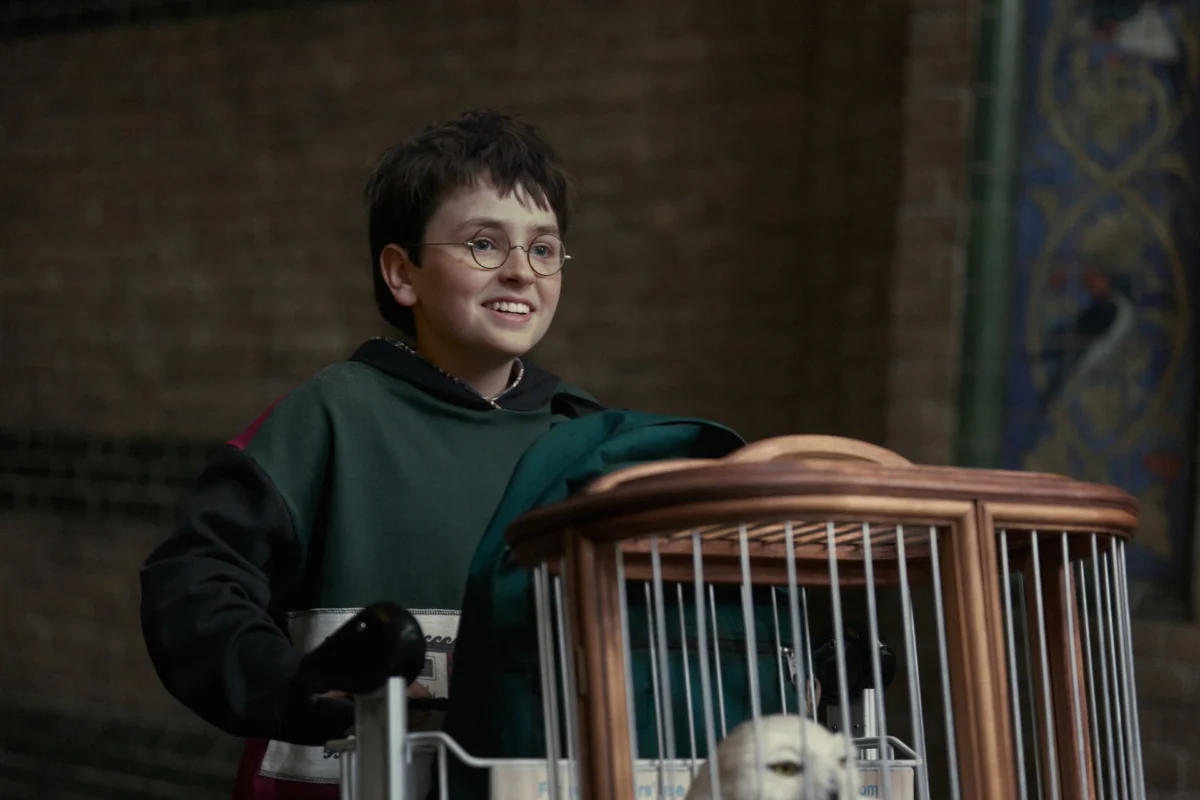
Central to the merger’s cultural stakes is the Harry Potter franchise. As the creator of the Wizarding World, J.K. Rowling has maintained a decades-long, symbiotic relationship with Warner Bros. The partnership has yielded not only eight blockbuster films but an expansive ecosystem of video games, merchandise, theme park attractions, and now, a highly anticipated television re-imagining slated for an HBO debut this winter.
Neil Blair, whose agency represents Rowling, issued a formal statement to Variety that served to stabilize fears regarding the stewardship of the Wizarding World. "We are excited by the proposed partnership with Paramount Skydance and are confident that once the transaction with Warner Bros. Discovery closes, the merged company will honor the legacy of J.K. Rowling’s Harry Potter stories while looking ahead to the future," Blair noted.
Blair’s endorsement is strategically significant. By framing the merger as an evolution rather than an extraction, he positions the new Paramount-Warner entity as a guardian of high-value intellectual property. "At a time of significant change across the entertainment industry, we believe Paramount Skydance’s long-term vision and commitment to exceptional storytelling position it strongly to bring these stories to audiences around the world for years to come," he added.
Supporting Data and Strategic Vision
The primary argument in favor of the merger rests on the philosophy of David Ellison. During a recent earnings call, Ellison outlined a roadmap that starkly contrasts with the cost-cutting measures often seen in corporate mergers. He plans to double the company’s film slate to 30 features per year.
This commitment to theatrical volume has earned the support of key industry pillars. James Cameron, whose Avatar franchise redefined the box-office potential of theatrical releases, has publicly backed the move. Having previously expressed trepidation at the prospect of the studio falling under Netflix’s streaming-centric umbrella, Cameron identified Paramount as the "best choice" due to its stated commitment to the cinema experience.
Similarly, Adam Aron, the CEO of AMC Theatres, has championed the deal. Aron, who has been a vocal proponent of preserving the theatrical window, lauded Ellison’s "track record of success and his passion to make movies." For exhibitors like AMC, a well-funded, content-hungry studio is the lifeblood of the theatrical model, providing the necessary product to drive consistent foot traffic.
The Opposition: A Call for Caution
Despite the optimism from producers and exhibitors, the merger faces stiff resistance from the creative community. The opposition is spearheaded by actor Mark Ruffalo, who has become the public face of the "anti-merger" sentiment.
In a scathing op-ed for The New York Times, co-authored with Matt Stoller of the American Economic Liberties Project, Ruffalo argued that the consolidation would cause "many harms in Hollywood." The core of the dissent is that a merger of this magnitude creates an anti-competitive environment, limiting the bargaining power of talent and homogenizing the content pipeline.
Ruffalo’s concerns are shared by a vast coalition. An open letter expressing "unequivocal opposition" to the deal has garnered over 4,000 signatures, including an A-list roster of industry heavyweights:
- Actors: Florence Pugh, Pedro Pascal, Edward Norton.
- Directors: Yorgos Lanthimos, Sofia Coppola, Denis Villeneuve.
- Industry stakeholders: A wide cross-section of film students, background performers, and dedicated cinephiles.
The opposition argues that while the merger might be good for shareholder dividends and theatrical volume, it poses a long-term threat to artistic diversity and labor negotiations within the industry.
Implications: The Future of Entertainment
The implications of the Paramount-Warner merger extend far beyond the immediate financial numbers. If successful, the deal creates a "mega-studio" capable of dictating terms to both streaming platforms and traditional cinema chains.
1. The Theatrical Resurgence
The most immediate effect will likely be a surge in major motion pictures. With 30 films per year on the docket, the merged entity will be the dominant force in the global box office. This serves as a direct counter-narrative to the "streaming-first" era that characterized the early 2020s.
2. IP Stewardship and Franchise Management
The "Harry Potter" example set by Neil Blair highlights the importance of IP management. As studios become larger, they become more protective of their "crown jewels." We can expect a more consolidated approach to cross-platform storytelling, where the lines between television, film, and interactive media become increasingly blurred.
3. The Regulatory Precedent
The decision by U.S. and European regulators will set a legal precedent for the next decade of media consolidation. If the deal is approved, it signals a return to a landscape defined by large, vertically integrated studios. If it is blocked or forced to undergo significant divestitures, it could signal an end to the current era of media "megamergers," potentially forcing companies to focus on organic growth rather than acquisition.
Conclusion
As the industry watches with bated breath, the Paramount-Warner merger remains the ultimate test of the modern entertainment business model. For supporters like Neil Blair, the deal represents a bridge to a stable future where legacy stories like Harry Potter can thrive in a theater-rich environment. For detractors like Mark Ruffalo, it represents a concentration of power that threatens the very soul of creative independence.
The winter release of the new Harry Potter series will serve as the first major cultural litmus test for the new regime. Until then, Hollywood remains in a state of flux, balancing the promise of a big-screen renaissance against the risks of unprecedented corporate consolidation. Whether this era will be remembered as a triumphant return to form or a cautionary tale of corporate overreach remains to be seen.











No comments yet. Be the first to join the conversation!