


By Editorial Staff
Published June 2, 2026
In the rapidly evolving landscape of digital engagement, Minecraft—the best-selling video game title in history with over 350 million copies sold—is formalizing its relationship with the vast army of content creators that fuel its ecosystem. By launching a new, structured affiliate program, the game’s developer, Mojang (a subsidiary of Microsoft), is taking a significant step toward professionalizing the creator economy within the sandbox gaming space.
This strategic move comes at a time when brands across all sectors are increasingly pivoting toward affiliate marketing as a primary method to reach younger, hyper-connected demographics. As the line between organic content creation and commercial endorsement blurs, Minecraft is positioning itself to capture, monetize, and streamline the influence of its top-tier creators.
The Mechanics of the Program: Rewarding the Ecosystem
At its core, the Minecraft affiliate program is designed to create a symbiotic relationship between the developer and the creators who build, play, and showcase the game. Under the new guidelines, participating creators are provided with unique, trackable links—which can be integrated as QR codes in video overlays, social media banners, or direct website links—to drive traffic to the in-game Minecraft Marketplace.
Eligibility and Commission Structure
The program is meticulously curated to focus on the game’s creative add-ons rather than the base game itself. Creators who successfully drive sales through their affiliate links are eligible for a starting commission of 5% on qualifying digital items. These include:
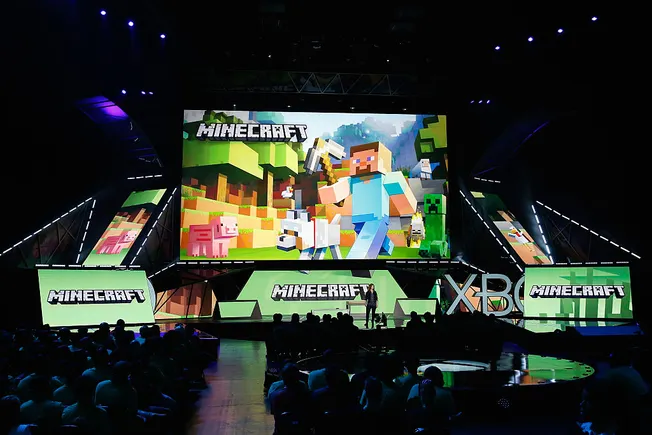
- Skin and Texture Packs: Assets that allow players to customize their in-game avatars and environments.
- Mini-Games: User-generated or studio-approved games within the Minecraft engine.
- Adventure Maps: Complex, pre-built worlds that provide structured narrative or exploration gameplay.
Notably, the program excludes core subscriptions, individual game licenses, and certain "persona" items, focusing the incentive structure on the micro-transaction economy that defines the Minecraft marketplace experience. By incentivizing the promotion of these specific add-ons, Mojang is essentially outsourcing its retail marketing to the influencers who best understand what their audience wants to purchase.
A Brief History: From Organic Growth to Strategic Monetization
To understand why this move is significant, one must look at the trajectory of Minecraft as a cultural force. Since its inception, the game’s growth was almost entirely organic, fueled by a decentralized network of YouTubers and streamers.
- 2009–2014 (The Era of Discovery): Minecraft gained traction through early adopters and "Let’s Play" pioneers. There was no formal brand partnership program; growth was driven by the raw passion of players like the early YouTube gaming community.
- 2014 (The Microsoft Acquisition): Microsoft’s $2.5 billion acquisition of Mojang signaled that the tech giant recognized the game as a foundational pillar of its future gaming strategy.
- 2017–2022 (The Marketplace Era): Mojang introduced the Minecraft Marketplace, allowing third-party creators to sell content. This transformed the game from a standalone product into a digital platform.
- 2025 (The Cinematic Milestone): The release of A Minecraft Movie marked the brand’s successful expansion into Hollywood. With over $960 million in global box office revenue, the movie proved that the Minecraft brand had moved beyond the console and into the mainstream consciousness.
- 2026 (The Affiliate Expansion): The launch of the affiliate program represents the final maturation of the platform, where the creator-brand relationship is now governed by formal contracts and performance-based incentives.
Supporting Data: The Creator Economy at Scale
The shift toward affiliate programs is supported by a growing body of data showing that consumers, particularly Gen Z and Gen Alpha, trust peer-based recommendations over traditional advertisements.
The Power of Influencer ROI
- The Dream Effect: Creators such as "Dream," who commands tens of millions of subscribers, represent the new tier of celebrity. When such creators showcase a new texture pack or adventure map, the conversion potential is massive compared to standard programmatic banner ads.
- Marketplace Vitality: With the Minecraft Marketplace acting as a bustling digital economy, the 5% commission threshold serves as a "force multiplier." Even a small percentage of millions of transactions represents a massive incentive for creators to shift their content strategy toward conversion-focused marketing.
- Broader Retail Trends: Minecraft joins a growing list of industry giants adopting this model. Brands like Macy’s, Adidas, and Home Depot have all successfully launched similar programs, proving that the affiliate model is a proven, high-ROI strategy for long-term customer acquisition.
Official Responses and Industry Context
The gaming industry is currently experiencing a "great taming" of the wild west of influencer marketing. For years, brand-creator partnerships were loosely managed, leading to inconsistencies in disclosure and ROI measurement.
"The goal is to provide a framework that rewards the creators who keep our community vibrant," said a spokesperson for the Minecraft development team. "By providing the tools to earn from their influence, we are ensuring that the creators who contribute to our marketplace are directly supported by the value they generate."

Competitors are taking note. EA (Electronic Arts) has pioneered its own "Support a Creator" and "Creator Network" programs, which set the standard for how large publishers manage community-led growth. Similarly, Roblox has launched "Brand Link," a system designed to streamline how creators and brands collaborate within the platform. Minecraft’s entry into this space indicates that the "platform-as-a-retailer" model is becoming the gold standard for gaming companies.
Implications: The Future of Virtual Commerce
The launch of the Minecraft affiliate program has several long-term implications for the gaming and marketing industries.
1. The Professionalization of Content Creation
We are witnessing the end of the "hobbyist creator." As platforms provide the infrastructure for revenue, creators are becoming professional digital retailers. This move will likely increase the quality of Minecraft content, as creators will be incentivized to produce higher-production-value showcases for marketplace items to maximize their affiliate revenue.
2. Brands as "In-Game" Entities
The success of the A Minecraft Movie—and its accompanying global campaign with McDonald’s—highlights how Minecraft has become a primary touchpoint for global brands. By building a robust affiliate infrastructure, Microsoft is essentially creating a massive, decentralized retail store where every creator is a branch manager.
3. Financial Stability for Microsoft Gaming
Microsoft’s fiscal health is inextricably linked to the success of its intellectual property. With a reported fiscal year 2026 Q3 revenue of $82.9 billion—an 18% increase year-over-year—the company is clearly looking for ways to maximize the "long tail" of its evergreen titles. A self-sustaining, creator-driven affiliate program ensures that Minecraft remains a revenue-generating engine with minimal direct marketing overhead.

4. Regulatory and Ethical Considerations
As these programs expand, the industry will face increased scrutiny regarding transparency. The FTC and other global regulators are increasingly focused on how affiliate links are disclosed. The Minecraft program, by its nature, will likely require strict adherence to disclosure guidelines, ensuring that young players understand when a creator is being compensated for their endorsement.
Conclusion: A New Chapter for the Blocky World
The integration of an affiliate program into Minecraft is not merely a marketing tactic; it is an acknowledgment of the game’s evolution from a software product to a digital society. By formalizing the way creators are rewarded, Microsoft is securing the future of the game’s economy.
As we look toward the remainder of 2026, the success of this program will likely be measured by how many creators transition from "casual partners" to "affiliate power-users." If the early results from the gaming industry’s push into creator-brand partnerships are any indication, the future of retail is not just found in stores or on websites—it is being built, block by block, in the virtual worlds where the next generation spends their time.












No comments yet. Be the first to join the conversation!