The literary and media landscape is currently defined by a tension between the hyper-commercialization of blockbuster cinema and a grassroots movement toward workers’ rights and cultural preservation. This week’s headlines offer a snapshot of a changing industry, where a single film release can trigger a secondary market crisis, labor unions are gaining unprecedented ground in the comics sector, and classic children’s literature is being leveraged to revitalize Indigenous languages.
1. The "Odyssey" Effect: IMAX Ticket Chaos and the Scalper Crisis
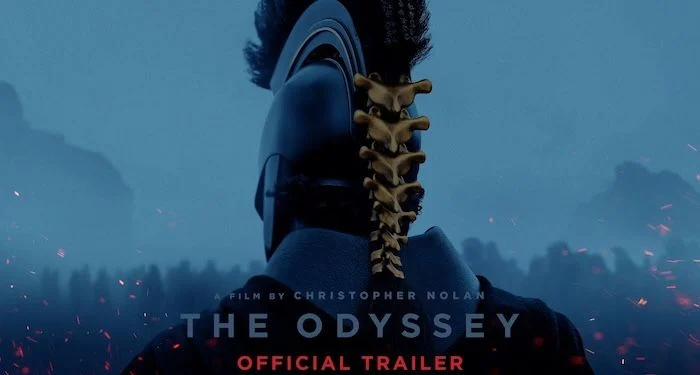
The cultural anticipation surrounding Christopher Nolan’s latest feature, The Odyssey, has transcended typical fandom, manifesting in a digital frenzy that left ticketing platforms paralyzed and consumers outraged.
The Chronology of the Sales Fiasco
On the afternoon of June 4, 2026, the global release of tickets for The Odyssey—the first feature film to be shot entirely on IMAX-certified cameras—went live. Within minutes, major ticketing portals including AMC Theatres and Fandango reported catastrophic traffic spikes. Fans reported wait times exceeding 60 minutes, only to find that prime IMAX screenings in major metropolitan hubs—specifically New York City, Austin, Phoenix, and Miami—were completely sold out.
The Secondary Market Explosion
The vacuum left by the immediate sell-out was quickly filled by opportunistic resellers. Within hours, third-party platforms like eBay and StubHub saw listings for standard IMAX tickets inflated to astronomical levels. Data indicates that some tickets, which retailed for roughly $25–$30, were being listed for as much as $1,000.
Implications of Nolan’s "IMAX-Only" Vision
Christopher Nolan has long been a proponent of the "theatrical experience," famously demanding that audiences view his films in the largest format possible to preserve the integrity of the image. However, this commitment to high-fidelity presentation has inadvertently created a barrier to entry. While the film is hailed as a technical marvel, the economic barrier—where a single ticket costs more than a standard monthly streaming subscription—raises a pressing question: Does the "quality" of a cinematic experience justify the monopolization of access by the wealthy? Critics argue that this creates an exclusionary environment that threatens to turn cinema into a luxury commodity rather than a communal art form.
2. Organized Labor: Dark Horse Comics Joins the Union Wave
In a significant shift for the independent publishing sector, Dark Horse Comics has officially recognized its staff union. This development marks a milestone in a broader trend of unionization that has swept through the comics industry over the past three years.
Context and Supporting Data
The decision by Dark Horse to voluntarily recognize the union follows a period of intense pressure within the publishing industry to address wage stagnation and job instability. Dark Horse now joins the ranks of Seven Seas Publishing and Image Comics, both of which have recently navigated the complex transition toward collective bargaining.
Official Response from Leadership
In a statement that surprised many industry analysts, interim CEO Jay Komas expressed support for the initiative. "The path to a strong Dark Horse runs through a workforce that feels heard, respected, and genuinely invested in the company’s future," Komas stated. By opting for voluntary recognition rather than resisting the move, the leadership at Dark Horse has signaled a shift in corporate philosophy, acknowledging that the volatility of the current media landscape—exacerbated by the rapid advancement of Artificial Intelligence—makes job security a top-tier priority for employees.
The Broader Implications for Publishing
The unionization of Dark Horse is likely to set a precedent for other independent publishers. With the comics industry facing existential questions regarding digital distribution, AI-generated art, and the centralization of retail, a unionized workforce provides a buffer against arbitrary corporate decision-making. Observers believe that if these unions successfully negotiate robust contracts, they could force a systemic adjustment in how creative professionals are compensated across the entire publishing sector.
3. Cultural Preservation: Robert Munsch and Indigenous Language Revitalization
While the film and comics industries deal with market pressures, a heartening development in the world of children’s literature is providing a lifeline to linguistic heritage. The Yukon Native Language Centre has announced that 20 of Robert Munsch’s most beloved picture books are currently being translated into four distinct Indigenous languages: Tlingit, Southern Tutchone, Northern Tutchone, and Kaska.
The Significance of the Initiative
Robert Munsch’s stories have been staples of Canadian childhood for decades. By translating these familiar, humorous, and relatable tales into Indigenous languages, the project does more than just offer a translation; it provides a pedagogical tool for families looking to reconnect with their linguistic roots.
This project follows a successful history of such initiatives. Previously, Munsch’s works have been translated into nêhiyawêwin (Cree) and denesųłiné (Dene), demonstrating that these books serve as a bridge between modern narrative forms and traditional language structures.
Collaborative Authorship
Importantly, this is not a one-way street of cultural appropriation. Munsch has long prioritized collaborative efforts, notably working with Indigenous illustrators on titles such as A Promise is a Promise (co-authored with Michael Kusugak) and Bear for Breakfast. These books, which have already seen translations into Inuktitut and Algonquin, highlight a commitment to authentic representation.
The value of these resources cannot be overstated. For many Indigenous communities, the loss of language is a primary concern. By embedding these languages into the bedrock of children’s literature, organizers are ensuring that the next generation has access to their culture in a format that is both accessible and entertaining.
4. Industry Outlook: The Changing Landscape of 2026
As we move through June 2026, the intersection of these events reveals a common theme: the struggle for agency. Whether it is the audience attempting to reclaim the cinema experience from scalpers, workers asserting their value through unionization, or Indigenous communities reclaiming their tongues through the medium of the book, the underlying narrative is one of empowerment.
Looking Ahead
- Cinema: The fallout from the Odyssey ticket sales will likely prompt AMC and other chains to implement stricter anti-bot measures and potentially tiered pricing structures that attempt to mitigate scalping, though the effectiveness of these measures remains to be seen.
- Labor: The "union wave" is expected to hit larger publishing houses by the end of the year. If the Dark Horse model proves successful, we may see a domino effect across the industry.
- Literature: The success of the Yukon Native Language Centre’s project may inspire similar efforts in the United States and elsewhere, as publishers realize the immense cultural and commercial value of localizing classic children’s literature for diverse linguistic groups.
A Call to Readers
As we enter a new month, the question for the literary community remains: what are we prioritizing in our own lives? As we clear our TBR (To-Be-Read) piles and participate in challenges like "Read Harder," we are reminded that reading is an act of engagement with the world. Whether it is a classic Munsch story or a new graphic novel from a unionized publisher, our choices as consumers continue to shape the industry’s future.
Stay tuned for further updates on these stories as they develop throughout the summer. If you have thoughts on the recent unionization efforts or are curious about the best ways to support Indigenous-language literature, join the discussion in our forums.