

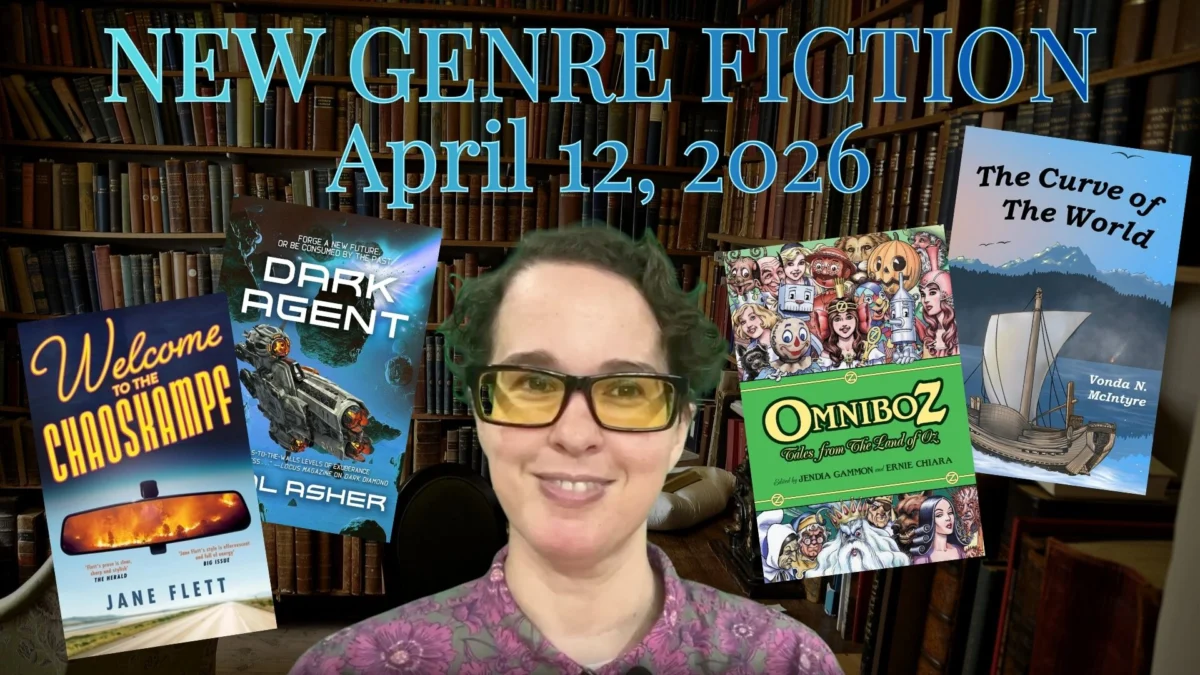
The landscape of speculative fiction is currently experiencing a period of extraordinary fecundity. As the publishing industry pivots toward an increasingly diverse array of voices and sub-genres, readers are faced with an embarrassment of riches. For the dedicated bibliophile, the "To-Be-Read" (TBR) pile is no longer merely a stack of books; it is a sprawling, living architecture of potential worlds.
In its latest editorial update, Locus—the premier magazine of the science fiction and fantasy field—has unveiled its highly anticipated weekly showcase of new releases. This curation serves as a critical lighthouse for enthusiasts navigating the deluge of Science Fiction, Fantasy, Horror, and Young Adult (YA) titles currently hitting shelves.
Main Facts: The Weekly Literary Pulse
The core mission of the current Locus initiative is to distill the overwhelming volume of weekly literary output into a manageable, high-quality selection. The release cycle for speculative fiction has accelerated, with publishers pushing out hundreds of titles monthly. By highlighting "must-read" titles, Locus provides a necessary filter for the community.
The latest lineup, featured in their newest video segment, emphasizes a blend of established industry titans and breakout debut authors. This week’s selection spans the gamut from hard science fiction explorations of exoplanetary colonization to the increasingly popular sub-genre of atmospheric, gothic-inspired horror. The initiative is not merely a list; it is an editorial effort to categorize the thematic trends currently shaping the genre’s discourse.
Chronology: The Evolution of Genre Curation
To understand the importance of this week’s releases, one must look at the historical arc of literary journalism in the speculative space.
- 1968–1980s: The Formative Era: During the early years of Locus, information was disseminated through printed newsletters and monthly trade reports. The "new release" was a monthly event, often delayed by distribution logistics.
- 1990s–2010s: The Digital Transition: As the internet reshaped publishing, the speed of consumption increased. The "weekly" release cycle became the industry standard, necessitating faster, more responsive editorial oversight.
- 2020–Present: The Multimedia Era: The modern reader requires more than just text. The integration of video content—as seen in the current Locus release—represents the final stage of this transition. By pairing traditional review text with audiovisual previews, the publication meets the modern demand for "literary influencers" and interactive media.
This week’s batch of books follows a recent trend observed throughout the first quarter of the year: a significant uptick in cross-genre hybridization, where traditional fantasy tropes are being grafted onto noir-detective frameworks or psychological thrillers.
Supporting Data: The Anatomy of a TBR Pile
Why is there such a clamor for guidance in the literary market? The data regarding modern book consumption reveals a fascinating paradox. While digital e-books and audiobooks have made literature more accessible than ever, the "physicality" of the TBR pile remains a psychological anchor for readers.
- Market Volume: Industry reports indicate that over 50,000 new fiction titles are published annually in the United States alone.
- The "Speculative" Surge: Science fiction and fantasy now consistently rank in the top three most-purchased genres among adults aged 18–35.
- The Influence of Digital Curation: Studies suggest that 62% of readers rely on curated lists (like those provided by Locus) to determine their next purchase, rather than browsing physical bookstore aisles.
The sheer volume of titles necessitates a "gatekeeper" model. Readers are looking for quality assurance to mitigate the "paradox of choice," where the abundance of options leads to decision paralysis. Locus fills this gap by offering a curated, expert-vetted selection that balances commercial appeal with literary merit.
Official Responses and Editorial Philosophy
The editorial team at Locus has been clear about their mission: to act as the central nervous system for the SF/F community. In their latest communication, they emphasized that their weekly video segments are a direct response to the community’s need for accessible, human-centric guidance.

"Our goal is to provide a roadmap," states the editorial board. "The publishing landscape is changing rapidly. What was considered ‘niche’ five years ago—such as climate fiction or solarpunk—is now front-and-center. We believe that by highlighting the best of these releases, we are not just helping readers find their next book, but we are also documenting the cultural evolution of the genre itself."
The magazine’s reliance on reader support—highlighted by their current fundraising campaign—underscores a shift in the media economy. By soliciting donations rather than relying solely on corporate advertising, Locus maintains a level of editorial independence that is increasingly rare in contemporary media. This independence is what allows them to critique works without the pressure of publisher-mandated "hype cycles."
Implications: The Future of Speculative Literature
The implications of this week’s releases are profound for both authors and the industry at large.
1. The Death of the "Gatekeeper" Myth
The traditional view of the literary critic as an elitist figure has been replaced by the "guide." Today’s audiences value transparency. By inviting readers to support the platform directly, Locus is fostering a community-led model where the audience has a stake in the survival of the publication.
2. The Rise of Global Perspectives
A notable trend in this week’s releases is the inclusion of authors from outside the traditional Anglo-American publishing hubs. The globalization of the speculative genre means that readers are being exposed to folklore, historical contexts, and sociopolitical anxieties from a much wider range of global cultures. This is not just a trend; it is a structural change in how speculative fiction is written and consumed.
3. Sustainability and Support
The call for donations within the Locus update is a microcosm of the "Support Independent Media" movement. As major news outlets consolidate or shutter their literary sections, specialized publications have become the primary record-keepers of the genre. If the goal is to maintain a robust literary culture, the responsibility for funding that culture is shifting to the consumer.
Conclusion: A Call to Read
As the week progresses, readers are encouraged to view their reading habits as a form of active engagement with the culture. The books hitting the shelves this week represent the collective imagination of authors who are processing the complexities of our current moment—be it the ethical dilemmas of artificial intelligence, the existential dread of ecological change, or the timeless human need for escapist wonder.
For those eager to dive into the latest selections, the Locus video portal provides an entry point that is both informative and efficient. Whether one chooses to support the magazine via their ongoing donation drive or simply by engaging with the content, the goal remains the same: to keep the conversation about the speculative arts alive, vital, and ever-expanding.
The TBR pile is indeed growing, but in an age of infinite digital noise, having a reliable guide is the difference between being lost in the woods and finding the treasure. Stay tuned for next week’s update, where the cycle of innovation and imagination begins anew.











No comments yet. Be the first to join the conversation!