In a seminal essay regarding the intersection of cartomancy and narrative structure, the late Rachel Pollack—a luminary in both speculative fiction and esoteric studies—once observed the inherent theatricality of the Tarot. "I found I had no interest in any predictions; it was the Tarot itself that fascinated me," Pollack wrote. "Each card seemed a frozen moment in a story."
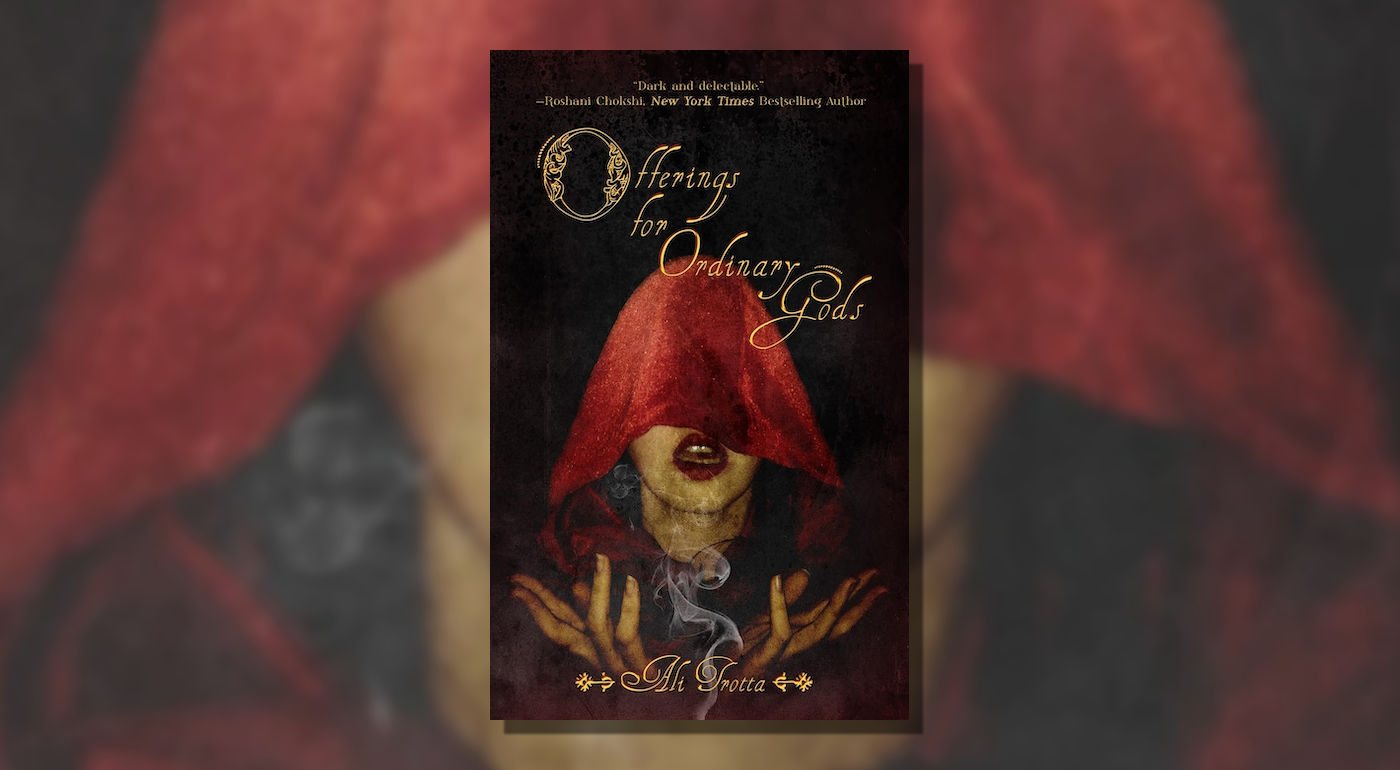
This perspective serves as the thematic bedrock for Offerings for Ordinary Gods, the latest poetry collection from Ali Trotta. Published by CLASH Books, the collection functions as a bridge between the archetypal grandeur of mythology and the quiet, often overlooked gravity of the human experience. By treating the Tarot not as a tool for fortune-telling, but as a lexicon for human behavior, Trotta crafts a work that interrogates the tension between the divine and the domestic.
The Intersection of Ritual and Verse: A Chronology of Influence
The evolution of the "mythic-modern" literary tradition has seen various manifestations throughout the 20th and 21st centuries. To understand the significance of Trotta’s work, one must look at the lineage of poets and novelists who have sought to strip the "gods" of their distance, bringing them into the living room, the kitchen, and the bedroom.
- Mid-Century Roots: Italian writer Cesare Pavese’s The Leucothea Dialogues remains a touchstone for this genre, utilizing classical figures to address the psychological isolation of the contemporary era.
- The Esoteric Turn: Throughout the 1980s and 90s, writers like Rachel Pollack began to synthesize the visual language of the Tarot with the structural requirements of narrative prose, effectively formalizing the "frozen moment" theory of storytelling.
- The Modern Synthesis: In the 2010s, works like Godshaper (by Si Spurrier and Jonas Goonface) continued to challenge the definition of divinity, exploring how "small gods" might exist within the cracks of a hyper-capitalist, mundane reality.
- 2026 – The Present: Ali Trotta’s Offerings for Ordinary Gods arrives at a cultural moment where the boundary between the "spiritual" and the "secular" has become increasingly porous, marking a new chapter in how we interpret ancient symbols.
The Anatomy of the Collection: Archetypes in the Everyday
Trotta’s collection is defined by its refusal to leave the reader in the clouds. Instead, she drags the inhabitants of the Major Arcana and the pantheon of Greek mythology into the grime and glory of modern life.
In the poem "The Queen of Cups Considers the Magician," the narrator finds herself at a metaphorical crossroads. The language is sharp, grounded in the tactile reality of a failed relationship: "At the crossroads / you kissed me goodbye / but left a secret in my mouth / salt and ash, honey and apples— / the way you said my name / always felt like a ceasefire."
The poem succeeds not because it relies on the occult, but because it uses the occult to elevate the emotional weight of a mundane heartbreak. The narrator is exhausted, weary of the "flaws of a onetime paramour." By overlaying the Tarot’s Queen of Cups—a figure often associated with emotional depth and intuition—with the reality of a bitter breakup, Trotta highlights the paradox of her what is an "ordinary god" if not a human being struggling to maintain dignity in the face of love’s volatility?
Supporting Data: The Enduring Appeal of Tarot Imagery
The resurgence of interest in Tarot is not merely a fad; it is a response to a world that feels increasingly fragmented. Recent data from the Morgan Library’s exhibition on the history of Tarot, as reported by the New York Times, underscores this shift.
Curator Claire Gilman points to the illustrations of Pamela Colman Smith, the artist behind the iconic Rider-Waite-Smith deck, as the primary catalyst for the medium’s modern relevance. Gilman notes that Smith’s work offers an "enchanting range of narrative interpretations," which allows the reader to project their own reality onto the cards.
Trotta utilizes this "narrative flexibility" throughout her collection. By titling poems "The Magician Courts the Hierophant" or "The Page of Wands Is Fickle at Best," she provides a frame of reference that is immediately recognizable to the modern reader. These titles act as containers for her observations, allowing her to pivot from the abstract to the specific with seamless efficiency.
The Paradox of Divinity: Why "Ordinary" Matters
A central question posed by Offerings for Ordinary Gods is whether divinity loses its power when it becomes mundane. If a god is "ordinary," does that imply the divine is subject to the same failures as the human?

In "Circe Meditates On Betrayal," Trotta provides a masterful answer. The title invokes the powerful enchantress of the Odyssey, a figure of immense supernatural ability. Yet, the poem focuses on the small, petty, and incredibly human ways that partners betray one another:
"You pretend you slept well. / You hit the snooze button twice. / You make stronger coffee. / You wear your favorite shoes. / You laugh louder than you should."
By juxtaposing the legendary status of Circe with the mundane act of making coffee or hitting a snooze button, Trotta strips away the mythic varnish to reveal the raw nerve of the human condition. It is a brilliant subversion of power dynamics. The poem suggests that our daily rituals—the "magick" of our morning routines—are just as significant as the epic struggles of the ancient world.
Implications: The Legacy of the "Ordinary God"
The implications of Trotta’s methodology are significant for contemporary poetry. In an era of digital disconnection and the loss of traditional religious structures, the "ordinary god" serves as a surrogate for meaning.
As Trotta writes in the collection’s title piece, "There is no better love spell than a poem. An effective poem is a hand held out into the darkness, a reminder that we are not alone, even when we feel that way." This is the ultimate goal of the collection: to re-enchant the world by reminding the reader that they are already living in a mythic framework.
Whether it is Hephaestus offering advice on the futility of turning straw into gold or Nimue navigating the "dark and unforgiving" magic of a cave, these poems act as mirrors. They suggest that our lives, while seemingly small and fraught with the banalities of the 21st century, are nonetheless patterned after the same conflicts that have defined the human story for millennia.
Conclusion: A Call to the Modern Reader
Offerings for Ordinary Gods is not a book that requires a background in occult studies or a mastery of classical mythology. It is, at its heart, a book about being alive.
By grounding the supernatural in the tactile, Ali Trotta has crafted a collection that feels both ancient and immediate. She challenges the reader to look at their own life—their betrayals, their loves, their morning coffees—and see the archetypal weight hidden beneath the surface. As we move further into a future defined by rapid change, the need for this kind of grounded, mythic reflection only grows. Trotta has provided a necessary map for anyone looking to find the divine in the everyday, ensuring that the tradition of storytelling—that ancient, human incantation—will continue for generations to come.
Book Details:
- Offerings for Ordinary Gods
- Author: Ali Trotta
- Publisher: CLASH Books
- Genre: Poetry / Mythic Fiction
- Availability: Currently available through major retailers and independent bookstores.