Raul Delapena Setiawan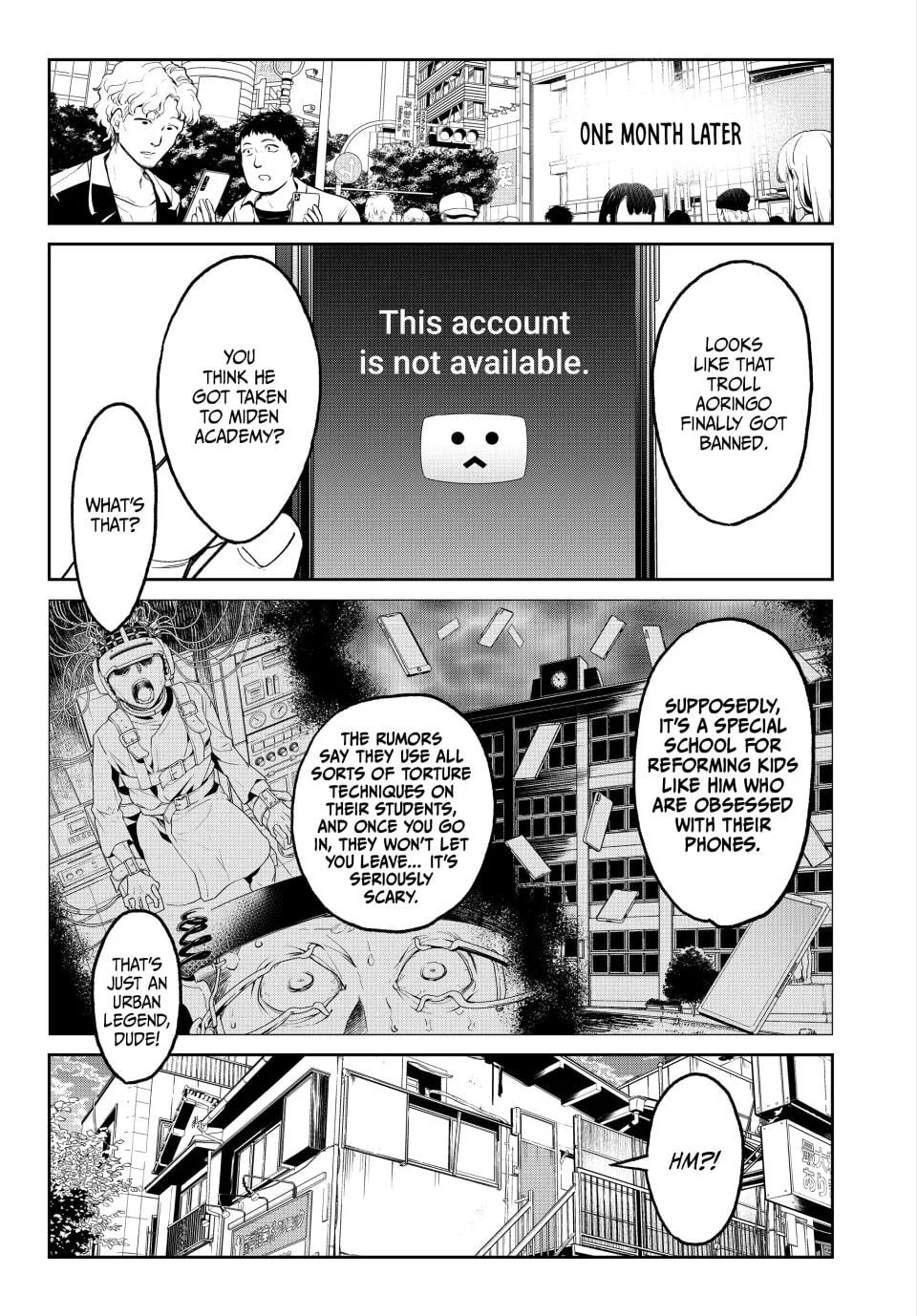
The anime industry is currently grappling with a growing divide between its core audience and the professional localizers responsible for bringing Japanese content to Western markets. At the center of the latest firestorm is Crunchyroll, the world’s largest anime streaming platform, and its handling of the supernatural action series Dead Account. Despite recent increases in membership fees—a move justified by the company as necessary for service improvements—subscribers are pointing to what they describe as a decline in localization quality, specifically the insertion of "chronically online" Zoomer slang into scripts where it arguably does not belong.
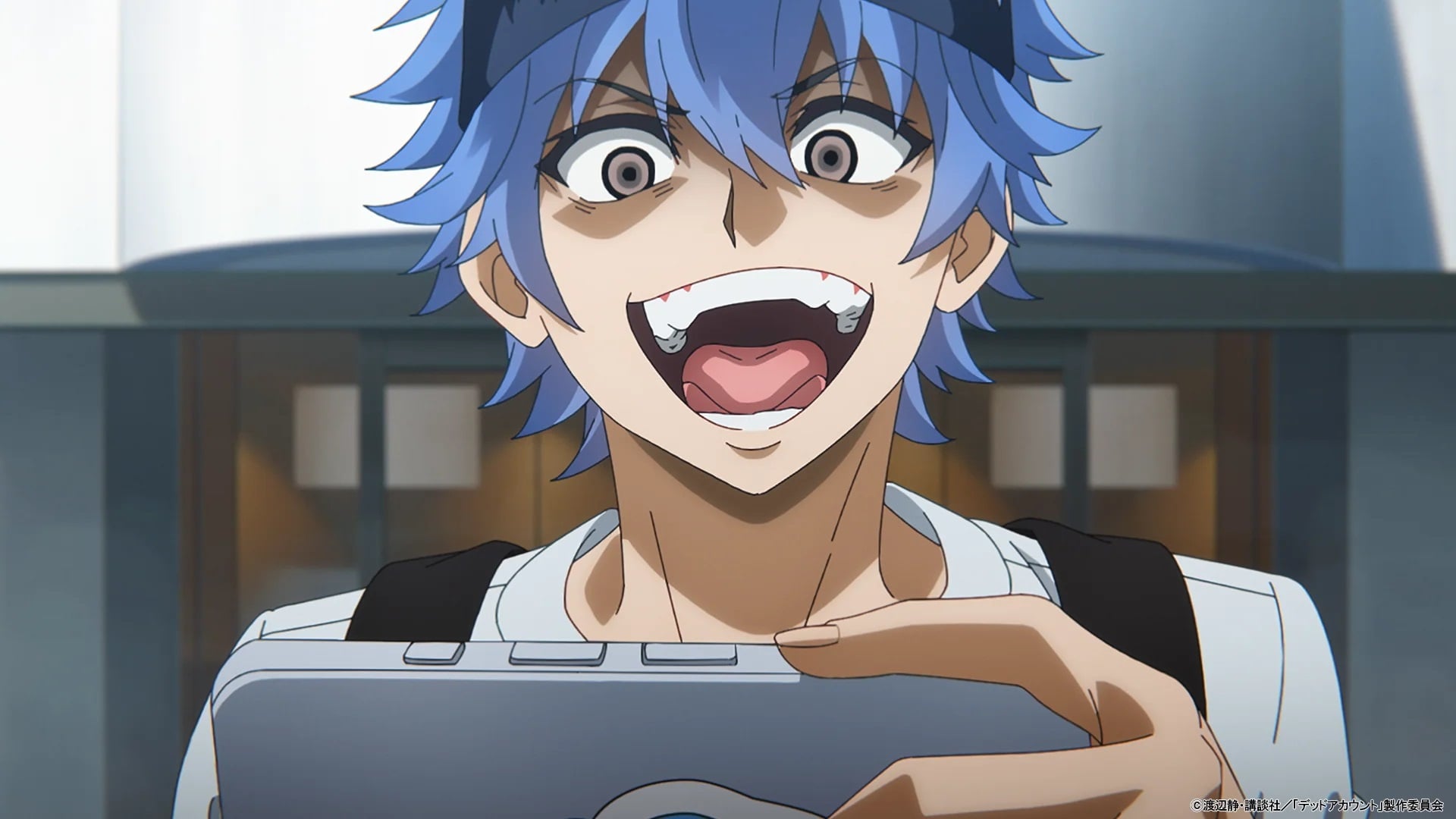
The controversy surrounding Dead Account highlights a recurring tension in the medium: the balance between literal translation and "creative" localization. While some argue that slang makes a show more relatable to modern audiences, critics contend that these scripts overwrite the original creator’s intent, date the content prematurely, and alienate fans who prefer a more faithful representation of the Japanese source material.
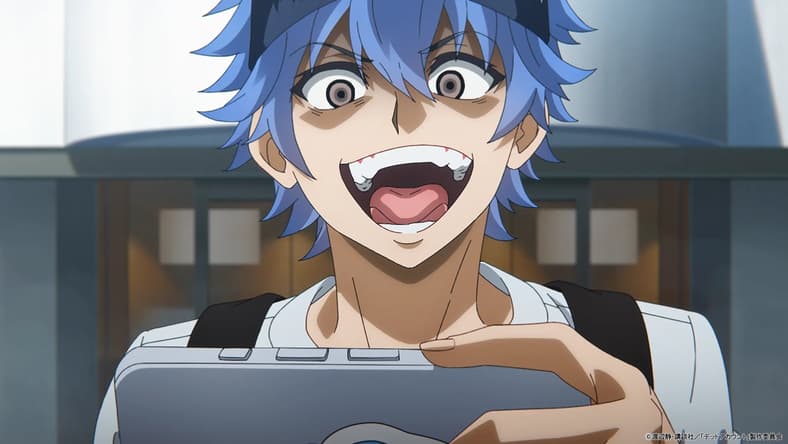
The Premise of ‘Dead Account’
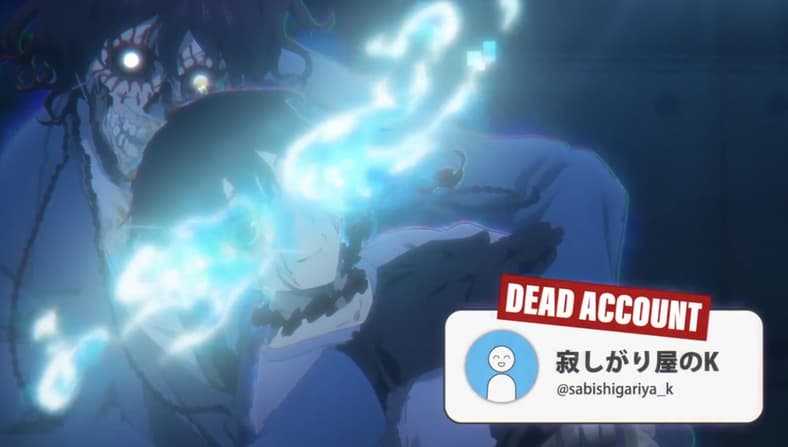
To understand the controversy, one must first look at the source material. Based on the manga by Shizumu Watanabe, Dead Account is a modern reimagining of the exorcist genre. The story centers on the students of Miden Academy, an elite institution that trains specialized exorcists to hunt "ghost accounts." In this universe, a ghost account is a digital aberration—the social media profile of a deceased individual that has been possessed by a malevolent spirit.

These spirits manifest through smartphones and social media platforms, wreaking havoc on the living. To combat them, exorcists utilize a specialized power known as "cyberkinesis," a smartphone-based magic system that allows them to interact with and delete these digital threats. Given its heavy reliance on social media themes, the series naturally features internet-centric dialogue. However, the English dub produced by Crunchyroll’s in-house team has taken this theme to an extreme that many fans find jarring.
A Chronology of Linguistic Divergence
The discrepancies between the original Japanese intent and the Crunchyroll English localization began as early as the series premiere and have intensified as the season progressed. By comparing the Japanese dialogue (and its corresponding literal subtitles) with the English dub and the official Kodansha manga translation, a pattern of "meme-ification" emerges.
Episode 1: "The Ultimate Flamebaiter"
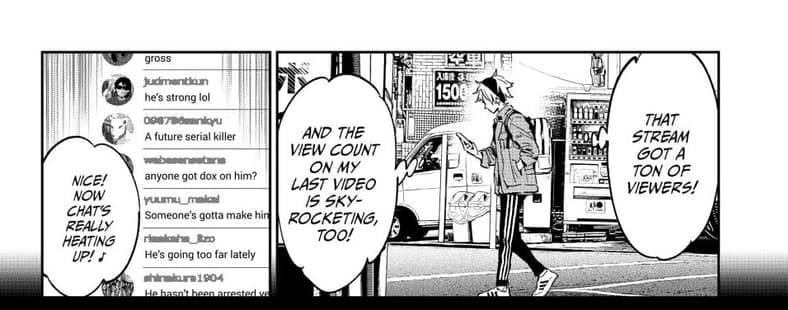
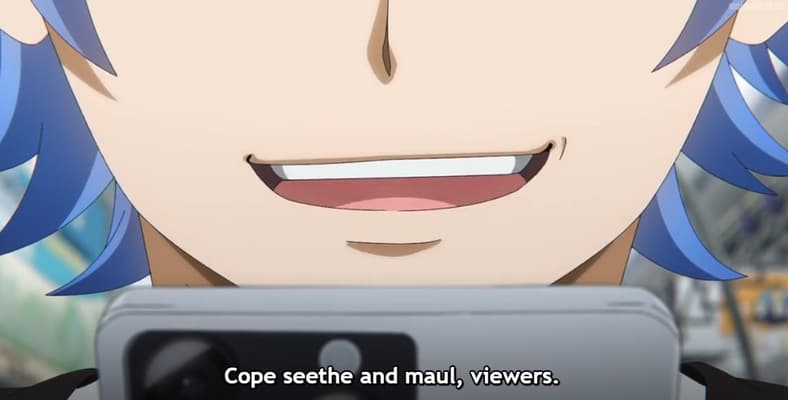
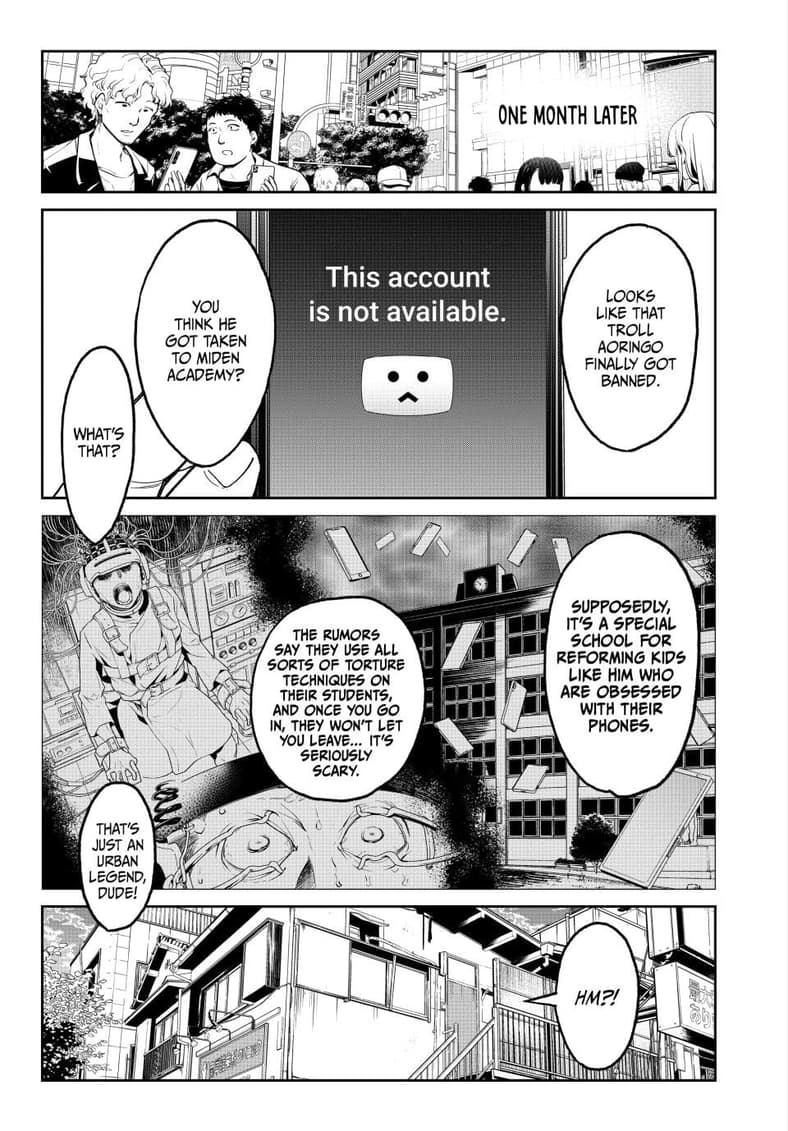
The series introduces Soji Enishiro, a "Mytuber" known for his inflammatory content. In the original Japanese script and the official Kodansha manga translation, Soji is depicted as a typical "flamebaiter"—someone who thrives on controversy. When his stream starts gaining traction, the manga translates his line as: "Nice! Now chat’s really heating up!" Crunchyroll’s own English subtitles remain relatively faithful, using the line: "Lots of rage burning here."
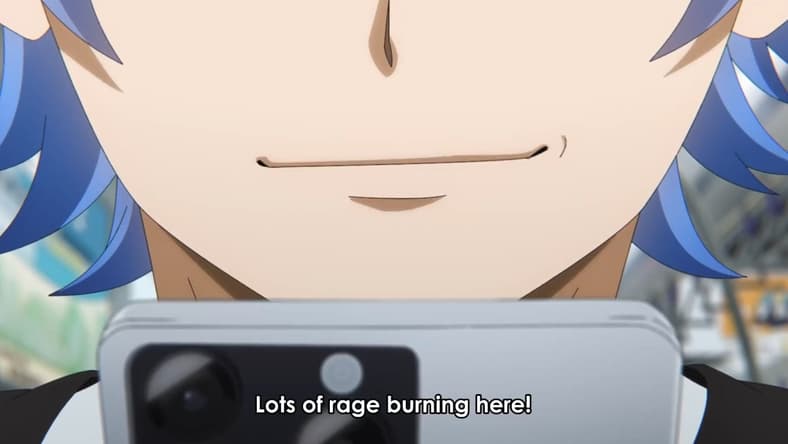
However, the English dub script takes a sharp turn into contemporary internet vernacular. In the dub, Soji shouts: "Cope, seethe, and mald, viewers!" While "cope, seethe, and mald" is a popular triad of insults in specific corners of the internet (notably Twitch and Twitter), critics argue it replaces a character-appropriate observation about "heat" and "burning" (thematic to a flamebaiter) with a dated meme that may lose its relevance within a few years.
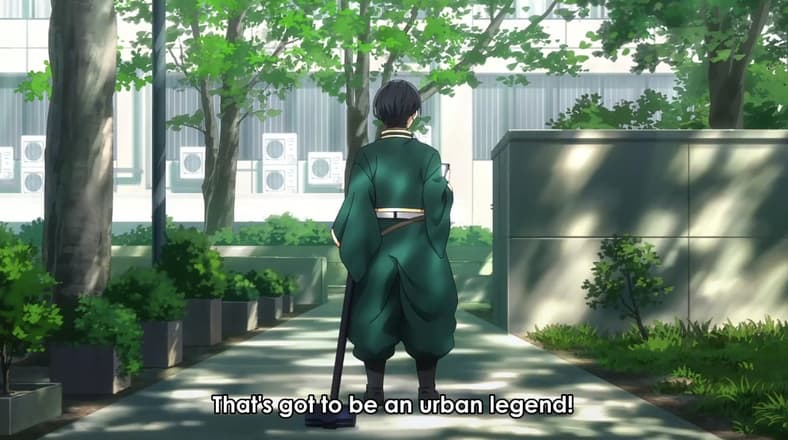
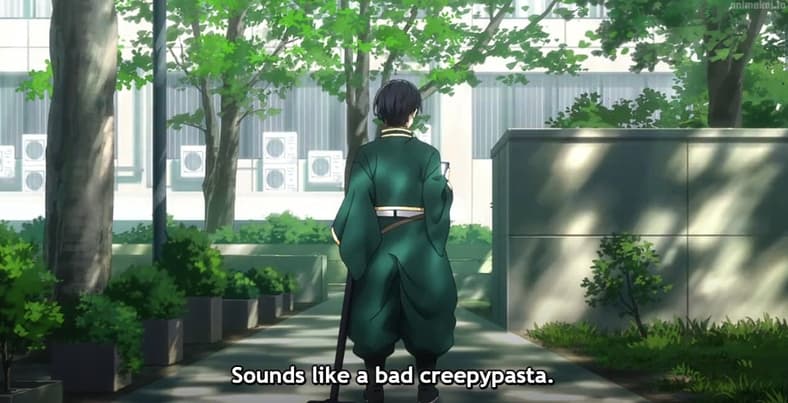
Later in the same episode, two passersby discuss the "urban legend" of Miden Academy, a school rumored to kidnap and reform smartphone-addicted children. The manga and the English subtitles both use the term "urban legend." The English dub, however, replaces this with: "Sounds like a bad creepypasta!" Again, while "creepypasta" refers to internet horror stories, fans have noted that it fundamentally changes the cultural context of the conversation from a traditional Japanese urban legend to a very specific Western internet subculture.
Episode 4: "The Worst Possible Trio"
The localization choices became even more pronounced in the fourth episode. During a mission to clear a haunted electronics store, the protagonists encounter "Kirika-chan," a mid-level ghost account obsessed with beauty and photography.
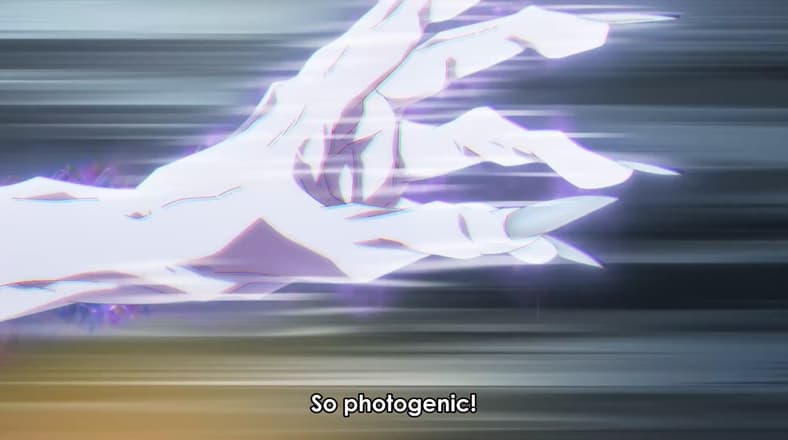
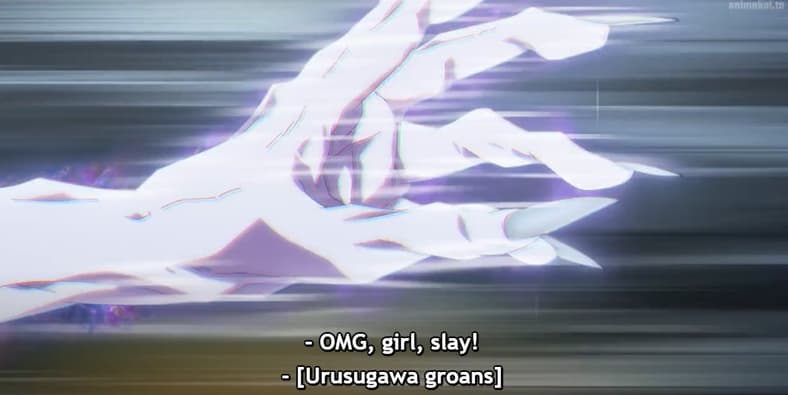
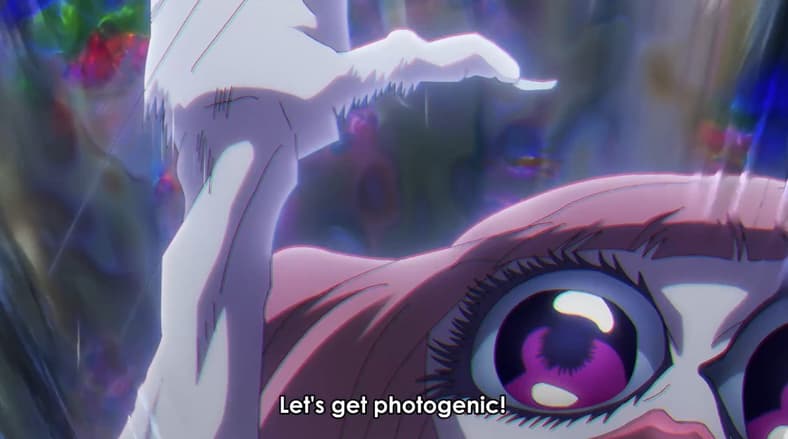
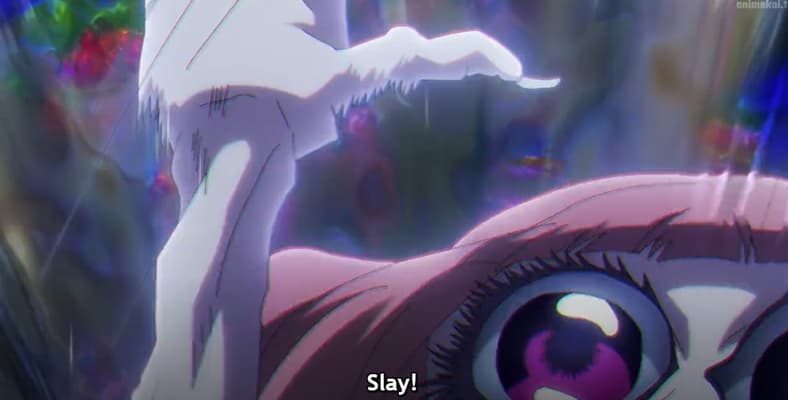
When the ghost breaks free of a trap and lunges at a character, the Japanese dialogue and English subtitles have her shriek: "So photogenic!" The English dub replaces this with: "OMG girl, slay!"
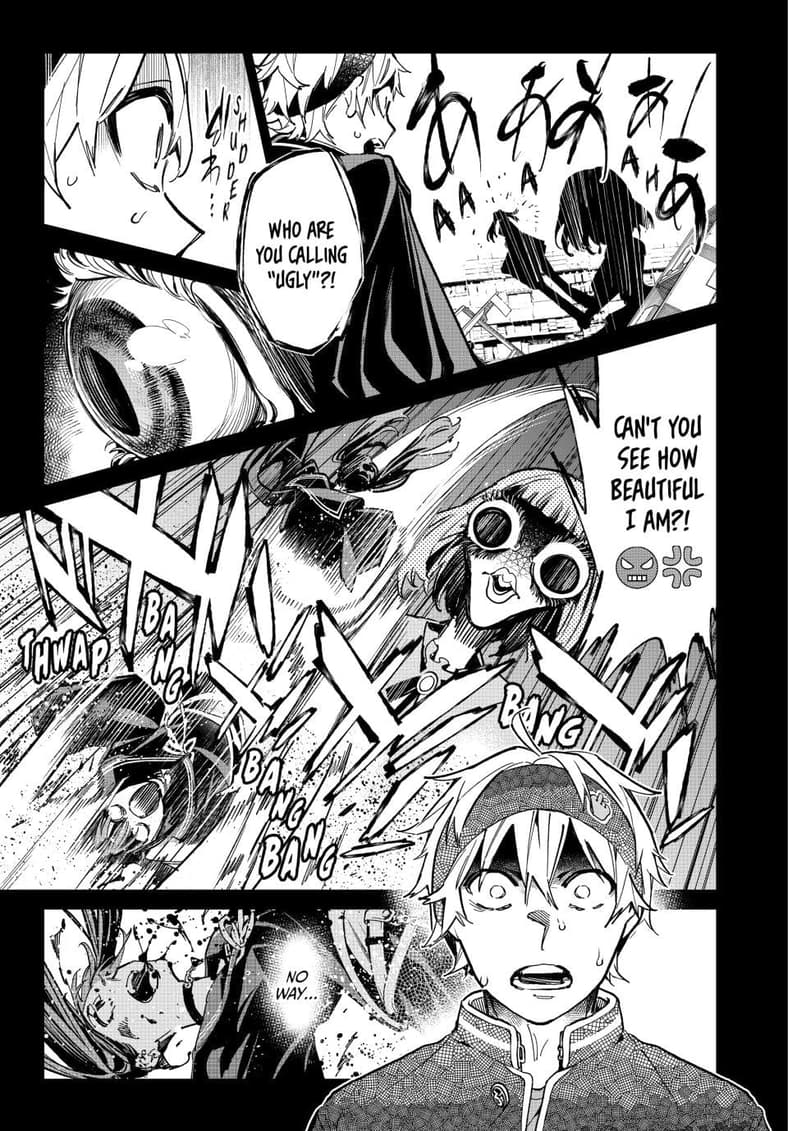
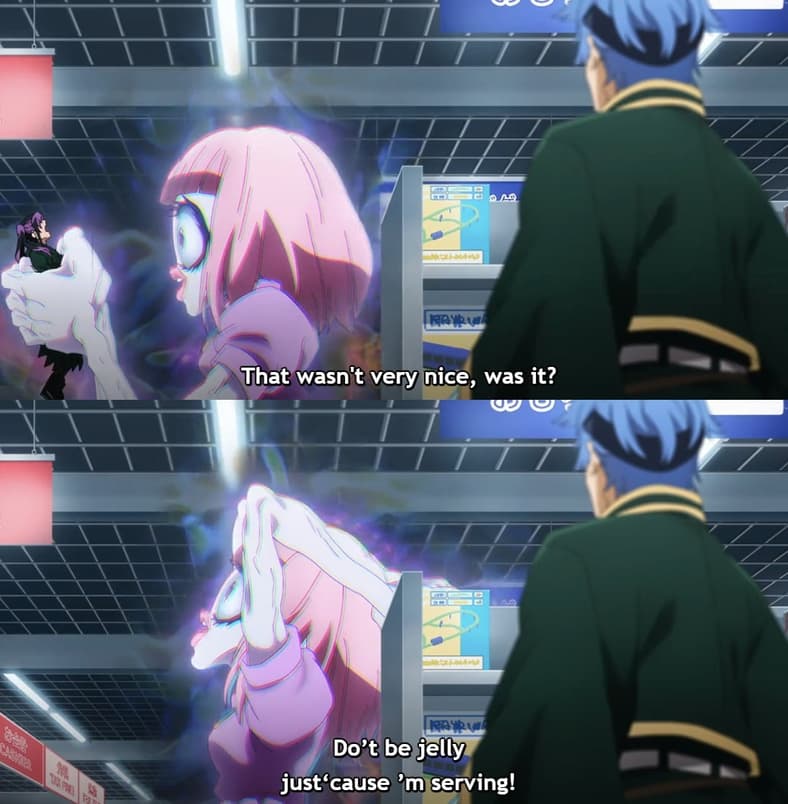
The divergence continues when Kirika-chan is insulted by the character Urusugawa. In the manga, the ghost responds with a standard villainous retort: "Who are you calling ugly?! Can’t you see how beautiful I am?!" The English dub localizers chose a more "expressive" route: "That wasn’t very nice, was it? Don’t be jelly just ’cause I’m serving!"
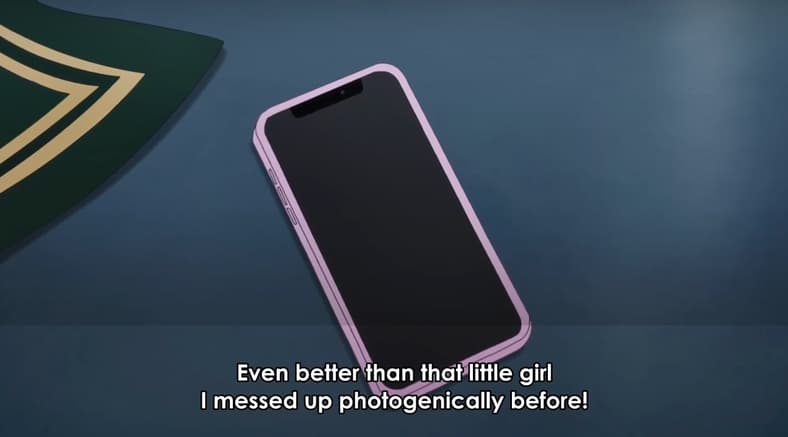
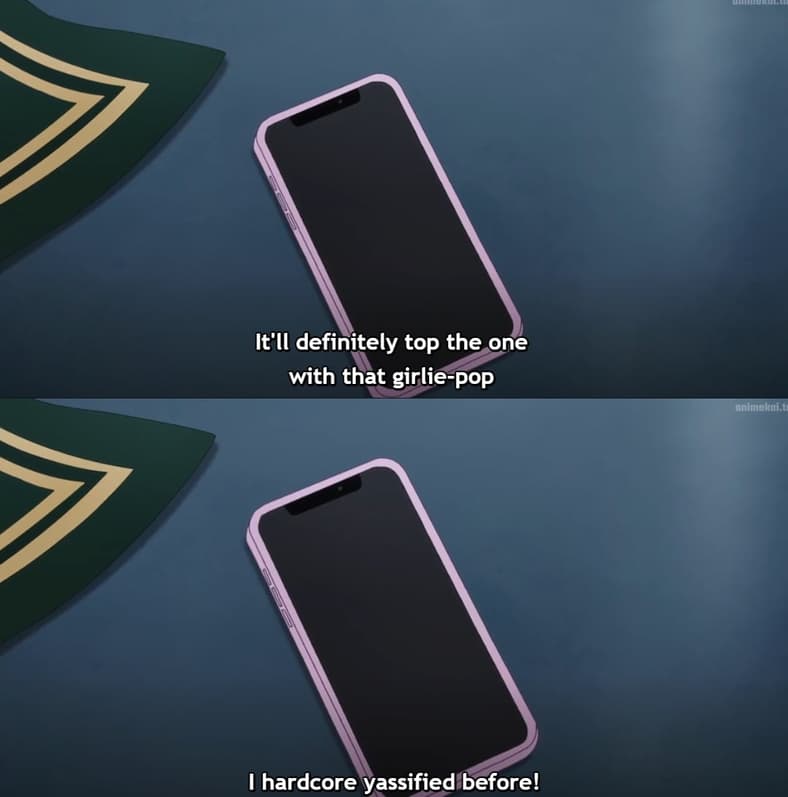
The most significant rewrite occurs when Kirika-chan describes her "masterpiece"—a gruesome artistic punishment she inflicts on her victims. In the manga, she refers to it as her "best customization yet," even mentioning a previous victim. The English dub script transforms this into: "It’ll definitely top the one with that girlie-pop that I hardcore yassified before!" followed by the ghost screaming "Slay!" as she launches her final attack.
Episode 5: "The Anachronistic Exorcist"
The trend of inserting modern commentary into the script continued into the fifth episode. When the students discuss their teacher, Yoimaru Azaki, they mention his legendary status. In the manga, he is described with reverence as a "Living Legend" for his feats at a young age.
In both the Crunchyroll subtitles and the English dub, the localizers chose to have the character Urusugawa add a layer of meta-commentary that was absent from the original text. The dub line reads: "Apparently defeating it earned him the title the Living Legend, which is super cringe if you know the guy." By inserting the word "cringe," the localizers altered the tone of the scene from one of world-building exposition to one of modern social mockery.
Supporting Data: The Localization vs. Translation Debate
The controversy surrounding Dead Account is not an isolated incident but rather a symptom of a broader shift in the anime industry. Fans have pointed to other recent examples of "liberal localization," such as Sentai Filmworks inserting "cancel culture" references into Oshi No Ko and Netflix localizers changing "feminine" to "feminist" in the series Blue Box.
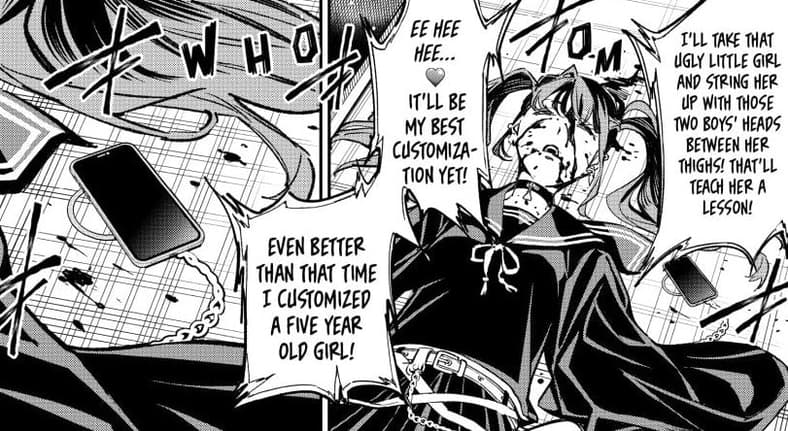
The data points for Dead Account suggest that the English dub team is prioritizing a "vibe-based" translation over a semantic one.
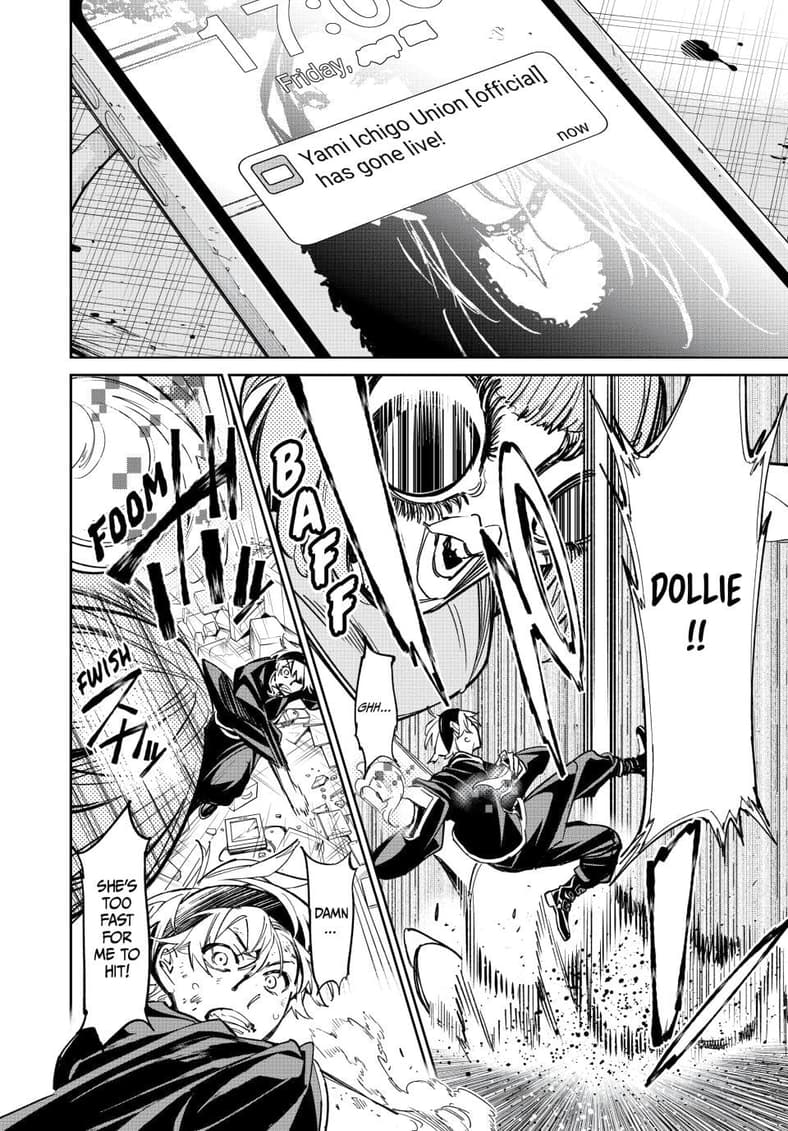
- Original Intent: High-stakes supernatural action with social media themes.
- Dub Execution: A comedy-adjacent script heavy on Gen-Z and Alpha-slang.
Critics argue that this approach creates a "shelf-life" problem. Slang like "yassified," "serving," and "mald" often falls out of favor within months. When an anime is localized using these terms, it risks becoming unwatchable or unintentionally comedic to future audiences. Furthermore, it assumes that the entire English-speaking audience is deeply embedded in "chronically online" subcultures, which may not be the case for older fans or those outside of North America.
Official Responses and Industry Stance
As of this report, Crunchyroll has not issued a formal statement regarding the specific criticisms leveled against the Dead Account dub. Historically, localization houses have defended "punchy" or "creative" scripts as a way to make foreign media feel "local" and "natural" to the target audience. The argument is that a literal translation can feel stiff and fail to convey the "spirit" of the original Japanese slang.
However, the backlash from the Dead Account community suggests that the "spirit" of the original work is exactly what is being lost. On social media platforms and anime forums, fans have expressed frustration that they are paying higher subscription fees only to receive scripts that feel like "parodies" of the original work. The sentiment is exacerbated by the fact that the English subtitles (often called "commie subs" or "soft subs") frequently contradict the spoken English dub, creating a confusing experience for viewers.
Implications for the Future of Anime Localization
The situation with Dead Account serves as a case study for the current state of the industry. There are several long-term implications for this trend:
- Consumer Trust: As Crunchyroll continues to consolidate the market (following its merger with Funimation), it faces less competition. This has led to fears among fans that the platform has less incentive to adhere to strict quality control or listener feedback regarding localization.
- The Rise of "Faithful" Alternatives: The dissatisfaction with official localizations has historically fueled the "fansubbing" community. If official translations continue to take extreme creative liberties, fans may return to unofficial sources that prioritize accuracy over "flavor."
- Cultural Erasure: Localization is intended to bridge cultural gaps, but critics argue that "over-localizing" erases the Japanese identity of the show. By replacing Japanese urban legends with Western "creepypastas," the specific cultural flavor of the setting is diluted.
- Character Consistency: In Dead Account, the characters are trained exorcists in a dangerous world. By making them speak like social media influencers regardless of their established personalities, the localizers risk flattening the characterization and lowering the stakes of the narrative.
As the anime industry continues to grow globally, the demand for high-quality, faithful translations is at an all-time high. The controversy over Dead Account suggests that while viewers appreciate the speed and accessibility of modern streaming, they are unwilling to sacrifice the integrity of the original creator’s voice for the sake of temporary internet memes. Whether Crunchyroll will adjust its internal localization guidelines in response to this feedback remains to be seen, but the "cope, seethe, and mald" incident has certainly set a new benchmark for the ongoing debate.


 Ali Ikhwan
 Lina Irawan