

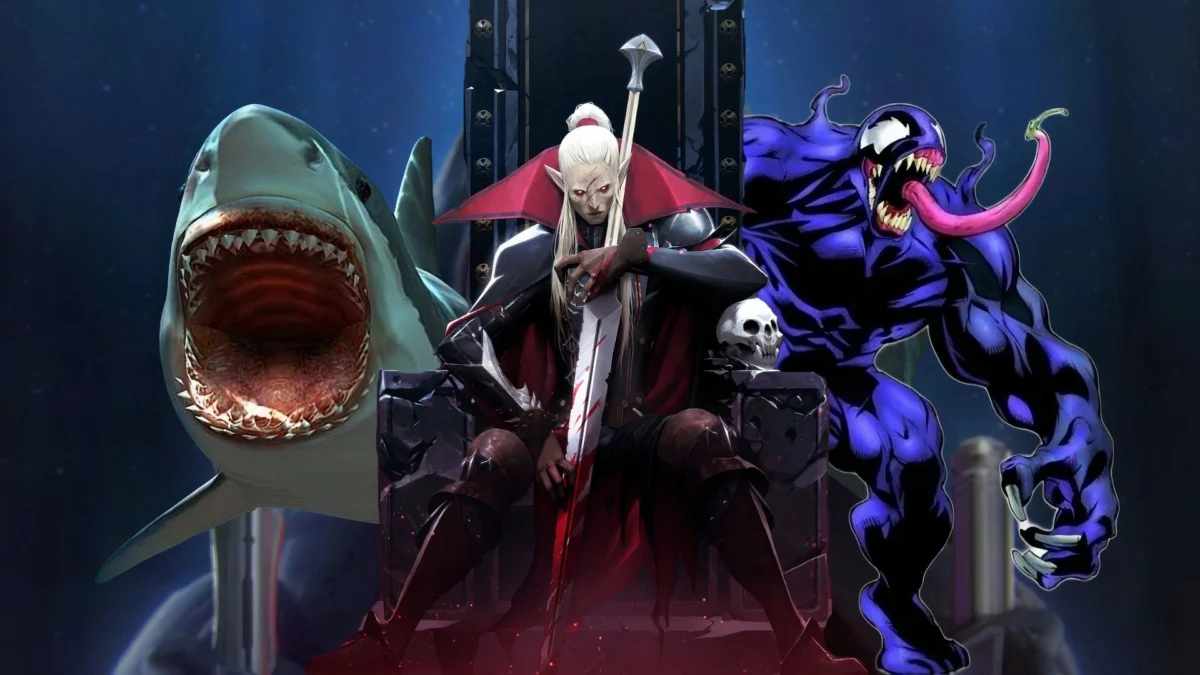
The landscape of video games has long been dominated by narratives of heroism, where players embody noble champions destined to vanquish evil. However, a compelling subgenre has emerged, challenging this convention by allowing players to step into the shoes of the very characters they would typically oppose. These open-world titles offer a unique and often morally complex experience, inviting players to explore the darker facets of human—or non-human—nature. From fallen heroes to outright malevolent beings, these games provide a playground for villainy, allowing players to shape their own narratives of conquest, chaos, and corruption. This article delves into ten such titles, exploring how they empower players to embrace their inner antagonist and the captivating experiences that arise from such a shift in perspective.
The Allure of Antagonism: Why We Play the Villain
The appeal of playing as a villain in video games stems from several psychological and narrative factors. Firstly, it offers a departure from the often predictable moral compass of heroic protagonists. Villains, by their nature, are not bound by the same ethical constraints, allowing for a greater degree of freedom in decision-making and action. This can be incredibly liberating for players, offering a chance to explore consequences without the guilt or societal judgment that might accompany such actions in real life.
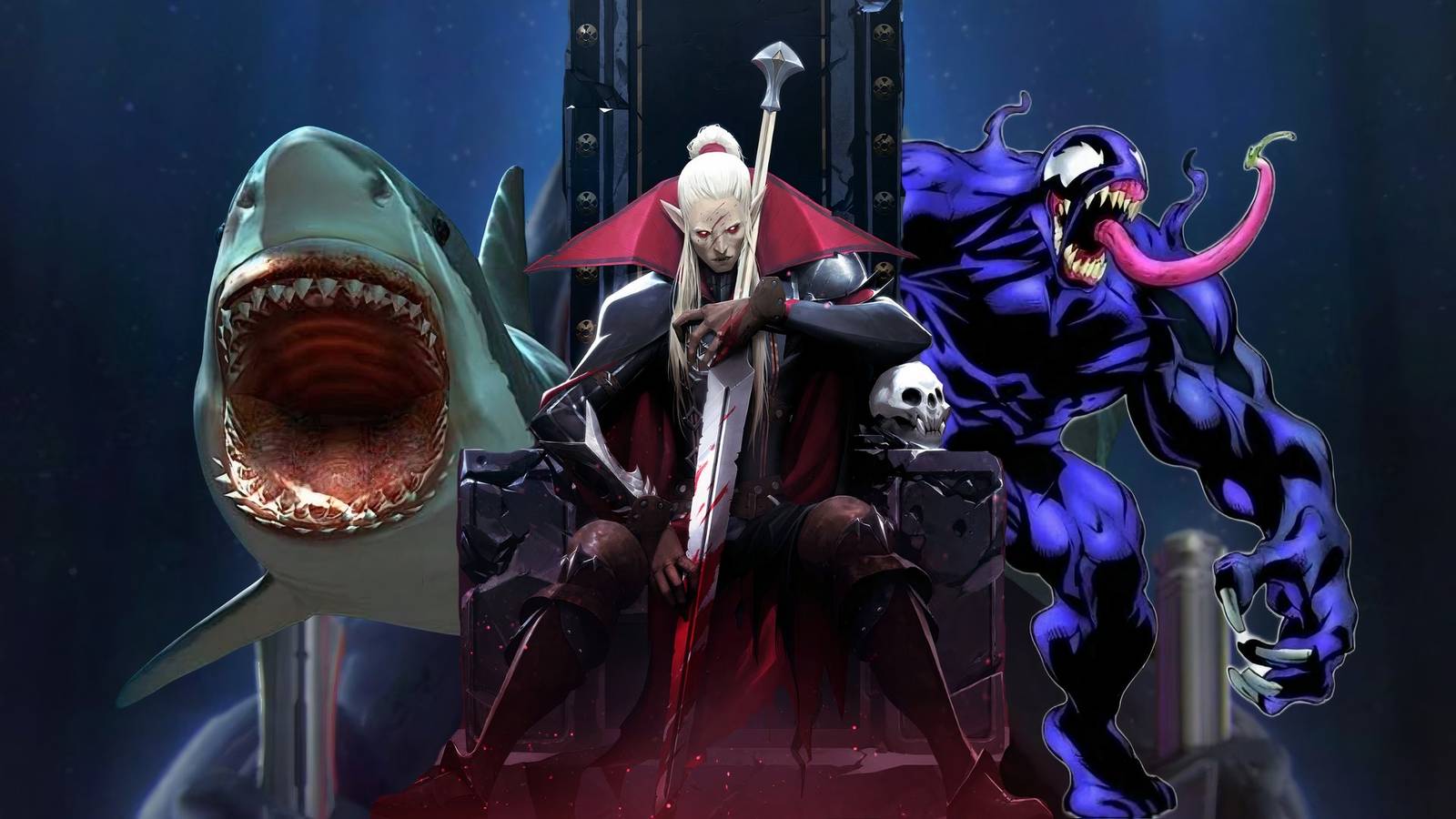
Secondly, villainous characters often possess compelling backstories and motivations. Their journeys, though morally reprehensible, can be rich with complexity, ambition, and a twisted sense of justice. Exploring these motivations firsthand can be a deeply engaging narrative experience, offering insights into the psychology of power, corruption, and the descent into darkness.
Furthermore, playing as a villain can provide a sense of empowerment. Villains often wield immense power, whether it be through brute force, cunning manipulation, or supernatural abilities. This power fantasy can be incredibly cathartic, allowing players to experience a level of dominance and control that is rarely afforded in traditional heroic narratives.

Ten Open-World Games Where Evil Prevails
The following titles represent a diverse range of settings and gameplay mechanics, all united by their shared theme of allowing players to embody villainous characters:
10. Mafia II: Vito Scaletta’s Descent into Organized Crime
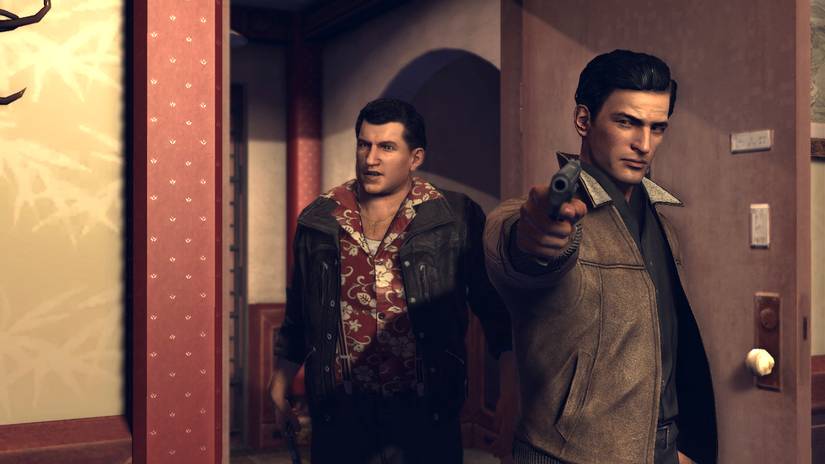
Set against the backdrop of post-World War II America, Mafia II chronicles the grim rise of Vito Scaletta through the ranks of organized crime. While not an outright villain from the outset, Vito’s journey is one of moral compromise and increasing criminality. Players witness his transformation from a returning war hero struggling to find his place to a hardened mobster entangled in violent turf wars, assassinations, and betrayals. The game masterfully portrays the corrosive influence of the mafia lifestyle, showing how Vito’s choices lead to strained relationships and a life steeped in violence. The narrative culminates in acts that solidify his villainous path, including the assassination of Tommy Angelo, the protagonist of the first Mafia game, making the player complicit in the demise of a heroic figure. Mafia II is a stark reminder that sometimes, the most compelling villains are those who were once on a path toward redemption.
9. Dead Rising 3: Unleashing Psychopathic Pasts
While Dead Rising 3‘s protagonist, Nick Ramos, is a beacon of heroism in the face of a zombie apocalypse, the game’s downloadable content, Operation Broken Eagle and Chaos Rising, offers a starkly different perspective. Players are thrust into the roles of Adam Kane, a ruthless Special Forces Commander, and Hunter Thibodeaux, a violent neo-Confederate biker. These characters are not merely morally gray; they are unrepentant psychopaths whose actions directly contrast with Ramos’s efforts to save lives. Kane’s story details his role in orchestrating the kidnapping and assassination of the President, while Thibodeaux’s narrative explores his brutal takeover of a biker gang. By allowing players to embody these antagonists, Dead Rising 3‘s DLC delves into the minds of those who thrive in chaos, offering a chilling glimpse into the motivations of truly wicked individuals.
8. Ultimate Spider-Man: Eddie Brock’s Symbiotic Struggle
Treyarch’s Ultimate Spider-Man (2005) offers a unique opportunity to experience the Marvel universe from two distinct, and often conflicting, perspectives: that of Spider-Man and the monstrous Venom. While Peter Parker embodies heroism, the game dedicates significant playtime to Eddie Brock’s transformation into Venom. Players wield Venom’s immense power, swinging through New York City and engaging in brutal combat. What sets this apart is the sheer extent of player agency with the character. Unlike brief playable segments, Venom’s role is substantial, allowing players to truly embody his destructive capabilities, including the chilling ability to consume unsuspecting civilians. This prolonged interaction with a powerful, often malevolent entity, blurs the lines between hero and villain, forcing players to confront the darker impulses associated with unchecked power.
7. Middle-earth: Shadow of War: The Corrupting Influence of Power
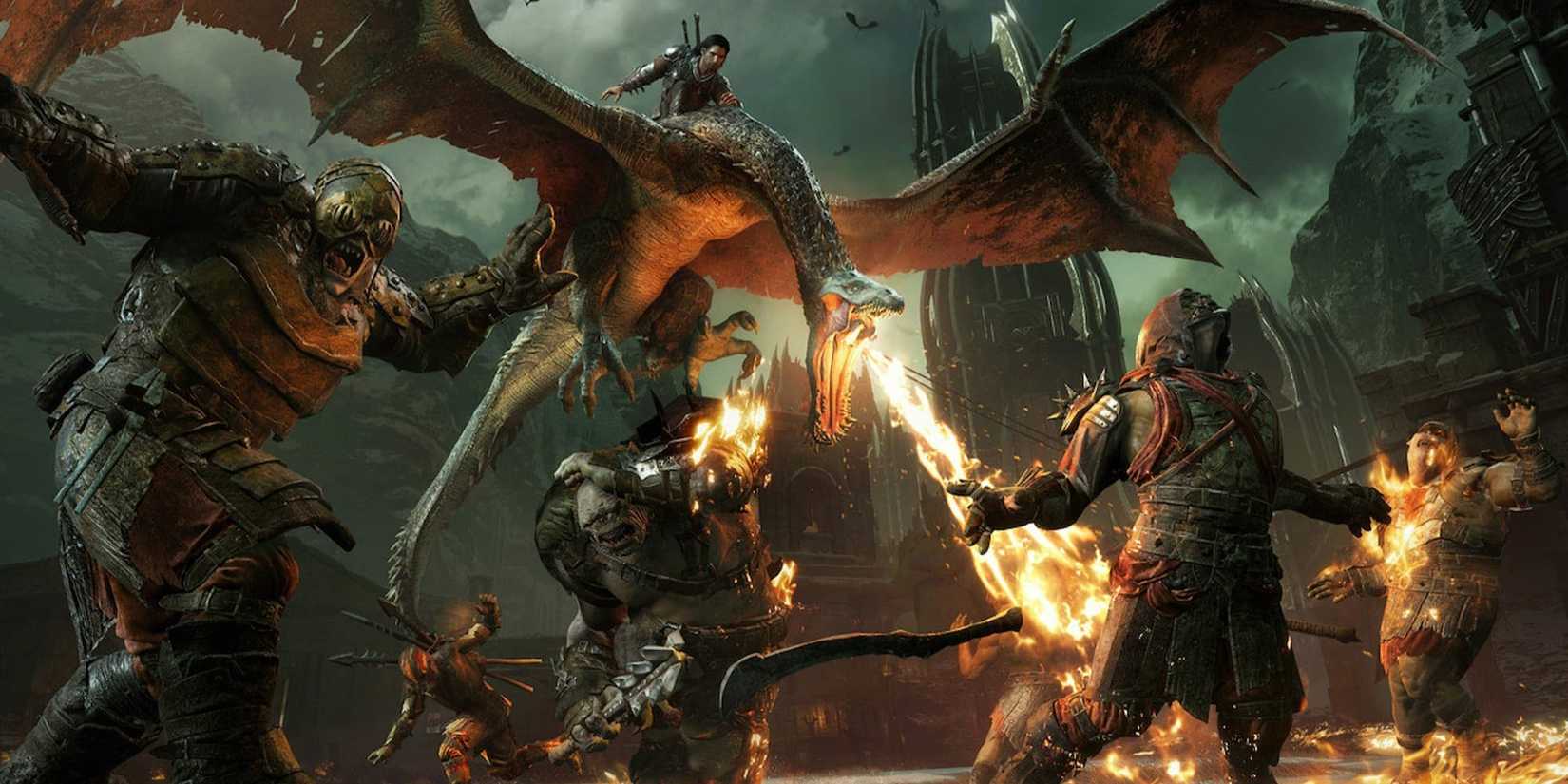
Middle-earth: Shadow of War presents a narrative twist that gradually reveals the player’s descent into villainy. Initially, players control Talion, a human ranger possessed by the spirit of the Elven smith Celebrimbor, as they forge a new Ring of Power to combat Sauron. Their goal is noble: to liberate Middle-earth from the Dark Lord’s tyranny. However, as the story progresses, it becomes clear that Celebrimbor’s true ambition is not to defeat Sauron but to replace him as a new, even more oppressive "Bright Lord." This revelation forces a schism between Talion and Celebrimbor, leading to Talion’s tragic transformation into a Nazgûl, a corrupted servant of Sauron. The game masterfully portrays this fall from grace, demonstrating how the pursuit of power, even with ostensibly good intentions, can lead to utter darkness and servitude to evil.
6. Fallout: New Vegas: Embracing Caesar’s Legion
Bethesda’s open-world RPGs are renowned for their player freedom, and Fallout: New Vegas, developed by Obsidian Entertainment, stands out for its capacity to let players truly embrace villainy. While the game offers multiple factions to align with, siding with Caesar’s Legion presents the most unequivocally villainous path. The Legion is a brutal, authoritarian faction built on a foundation of Roman military values, characterized by its use of enslaved soldiers and its propensity for violent conquest. Choosing to support the Legion means participating in atrocities, enslaving populations, and perpetrating widespread violence. This playthrough allows players to experience the post-apocalyptic wasteland through the eyes of a conqueror, making them instrumental in the establishment of a tyrannical regime, a stark contrast to the more nuanced or heroic endings available through other faction alignments.
5. Shadow of the Colossus: Wander’s Tragic Transformation
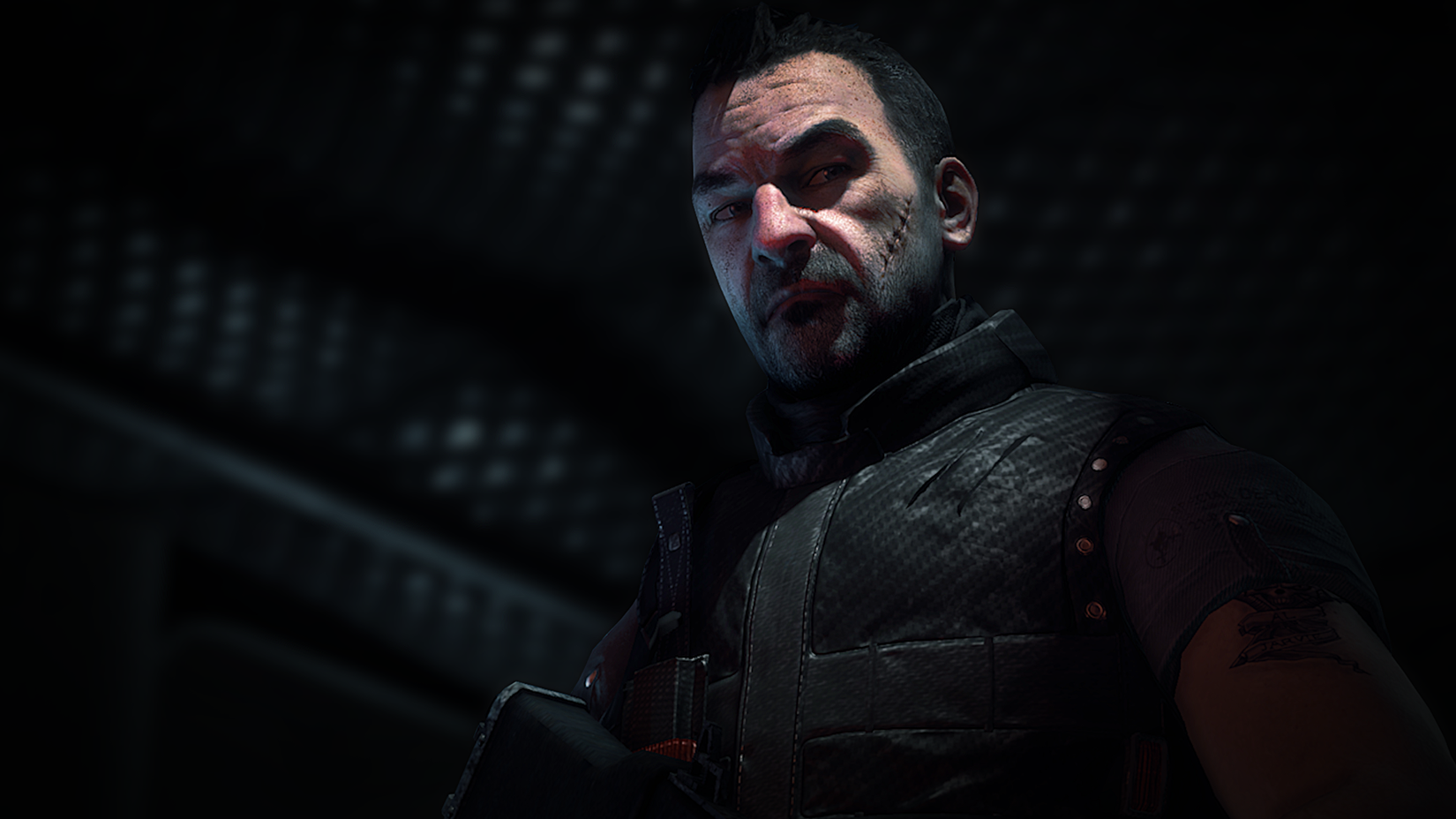
Shadow of the Colossus is a masterclass in ambiguous morality, presenting a narrative where the protagonist’s heroic quest ultimately leads to his villainous transformation. Wander, driven by a desperate desire to resurrect a deceased maiden, embarks on a journey to slay sixteen colossal beings. Initially, his actions are perceived as heroic, a valiant effort against monstrous creatures. However, as he defeats each colossus, the forbidden power of the land begins to corrupt him. It is revealed that Wander was manipulated by Dormin, an ancient entity, who used the colossi as vessels for its scattered essence. By slaying them, Wander unwittingly frees Dormin, which then possesses him, transforming him into a dark, horned figure—a creature that embodies the very evil he sought to overcome. The game’s poignant ending forces players to confront the unintended consequences of their actions and the fine line between heroism and villainy.
4. Vampyr: Jonathan Reid’s Blood-Soaked Dilemma
Vampyr offers players a compelling and morally challenging experience as they navigate the dual nature of vampirism. Players control Dr. Jonathan Reid, a physician in early 20th-century London who awakens as a vampire. The game presents a constant internal struggle: Reid’s innate desire to heal and help versus his insatiable thirst for blood. Players can choose to adhere to a more benevolent path, minimizing the number of people Reid feeds upon, which leads to a more hopeful conclusion for London. However, the game also permits and even encourages a darker path. By feeding on numerous citizens, players can transform Reid into a merciless creature of the night, a true villain who revels in the suffering of others. This choice system allows for a deeply personal exploration of villainy, where the player’s actions directly shape the fate of the protagonist and the city he inhabits.

3. Prototype: The Genesis of Alex Mercer
Radical Entertainment’s Prototype places players directly into the role of Alex Mercer, a man who awakens with amnesia and extraordinary shapeshifting abilities. From the outset, Mercer is an anti-hero at best, and a clear villain in the eyes of many. His quest for answers about his past involves a brutal campaign against Blackwatch soldiers and infected civilians alike. What elevates Mercer to outright villainy is his ultimate discovery: he was a lead scientist responsible for creating the Blacklight virus that mutates and ravages New York City. Instead of seeking to eradicate the virus, Mercer embraces his newfound power and plans to further unleash and control it, becoming the primary antagonist in the sequel. Prototype excels at letting players embody a destructive force, offering a visceral and unrepentant experience of wielding immense power for selfish and destructive ends.
2. Jaws Unleashed: The Rampage of a Great White
Few open-world games offer the sheer unadulterated villainy of Jaws Unleashed. Based on the iconic film franchise, this game flips the script entirely, casting players as a colossal 35-foot great white shark terrorizing the waters around Amity Island. The narrative, set decades after the original film, sees the shark arriving with a clear agenda: to eat as many humans as possible. Players are tasked with causing widespread destruction, devouring swimmers, boaters, and marine life, all while evading capture attempts by local authorities and even a marine biologist reminiscent of the film’s heroic characters. The game revels in its premise, allowing players to experience the primal urge of a apex predator without any moral restraint. Jaws Unleashed is a pure power fantasy of destructive force, where the player is undeniably the antagonist.
1. V Rising: The Reign of an Ancient Vampire
V Rising, an open-world survival game developed by Stunlock Studios, places players in the role of an ancient vampire awakened after centuries of slumber. Unlike games that offer a choice between good and evil, V Rising firmly plants players in the role of a villain from the very beginning. The objective is clear: reclaim dominion over the land of Vardoran. Players are encouraged to embrace their vampiric nature, hunting humans and animals for sustenance, crafting weapons and armor, and building a formidable, multi-story castle. The game’s mechanics, such as the ability to drain blood to enhance powers and the construction of dungeons for captured humans, all reinforce the player’s villainous identity. V Rising offers a unique blend of survival, action, and gothic horror, allowing players to experience the thrill of ruling as a powerful, malevolent force in a world ripe for conquest.
Implications and the Future of Villainous Play
The increasing popularity of games that allow players to embrace their dark side has significant implications for the gaming industry. It suggests a growing audience eager for more complex narratives and a wider range of player experiences. Developers are realizing that the appeal of playing as a villain is not limited to niche audiences; it taps into a fundamental desire for freedom, power, and the exploration of moral ambiguity.
As technology advances, we can expect to see even more sophisticated and immersive experiences that allow players to delve into the minds of antagonists. Imagine open-world games where your villainous choices have truly far-reaching and nuanced consequences, shaping entire societies or leading to catastrophic events on a global scale. The future of villainous play in open-world games promises a rich tapestry of morally complex narratives and empowering, albeit often dark, gameplay experiences. These games not only entertain but also provoke thought, challenging our perceptions of good and evil and reminding us that sometimes, the most compelling stories are those told from the shadows.











No comments yet. Be the first to join the conversation!