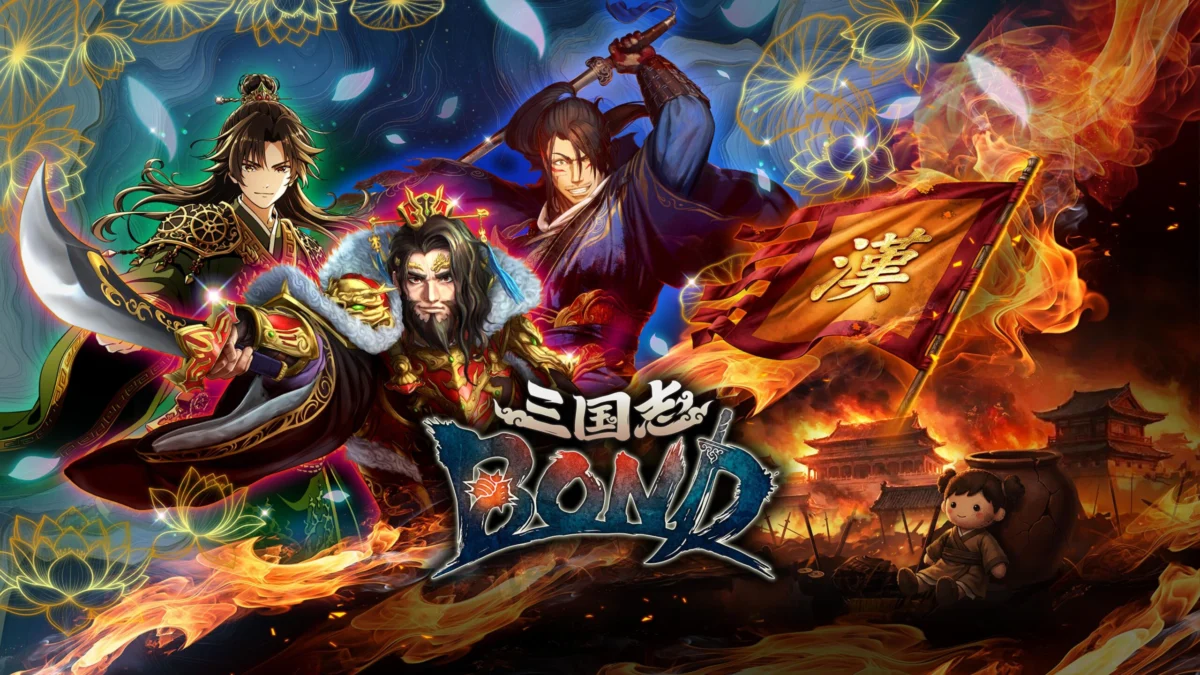
Steam Next Fest has long served as the industry’s premier proving ground, a digital stage where developers can showcase their latest innovations to an eager global audience. Among the sea of upcoming titles—ranging from high-budget spectacles like Valor Mortis and the highly anticipated Mortal Shell 2 to smaller, quirkier indie experiments like Over the Hill and Bombanana—one title stood out for its ambitious attempt to bridge the gap between complex arcade heritage and modern, accessible design: Sangokushi Bond.
Developed by the team at Get Wrapped Up and spearheaded by veteran producer Yasuhiro Nishiyama, better known to fans as "Nishi-P," Sangokushi Bond represents a bold reimagining of the classic Japanese arcade card game Sangokushi Taisen. Following our hands-on time with the demo and a deep-dive conversation with Nishi-P, it is clear that while the game presents a steep learning curve, its tactical depth and strategic potential are worth the effort.
The Heritage: From Arcades to Steam
To understand Sangokushi Bond, one must first appreciate the legacy of its predecessor. Sangokushi Taisen is a titan in the Japanese arcade scene, a game defined by its physicality and high-octane intensity. Players traditionally purchase physical card packs to build their armies, then place those cards onto the arcade machine’s surface, manipulating them in real-time to simulate complex military maneuvers.
Success in Sangokushi Taisen requires a trifecta of deep knowledge: an exhaustive understanding of card stats, precise positioning of physical units, and blistering reaction times. To the uninitiated, watching a high-level Sangokushi Taisen match is often a lesson in intimidation. It is a hobbyist’s game, played with serious, competitive fervor.
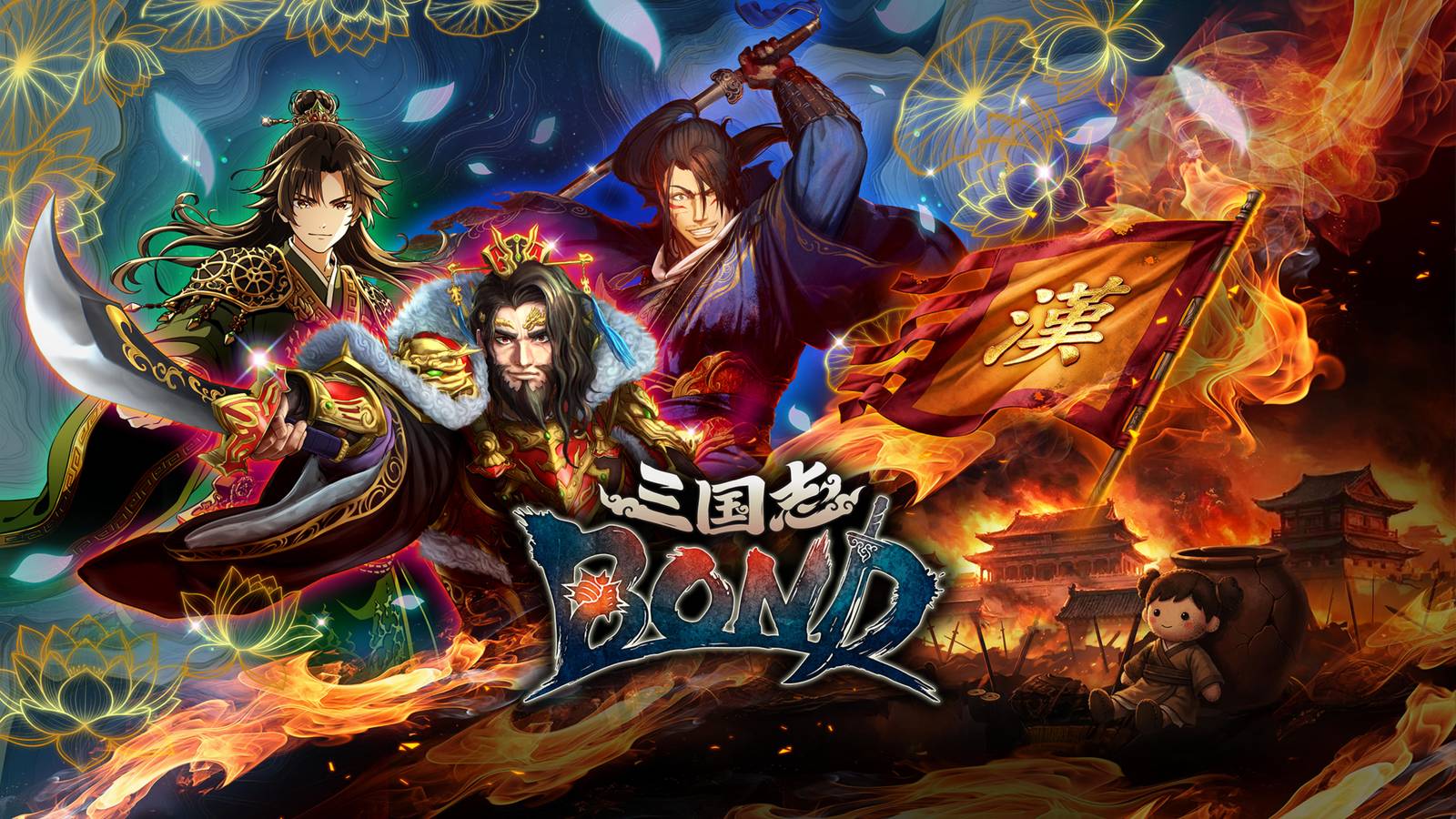
Nishi-P, whose resume includes influential work on Mai Mai and the Sangokushi Taisen series, recognized an opportunity to bring this strategic complexity to a broader audience. Sangokushi Bond is his answer to the "impenetrability" of the arcade original. By moving the experience to the PC platform and shifting the mechanics toward an auto-battler framework, the team aims to preserve the intellectual rigor of the original while lowering the barrier to entry.
The Mechanics of Command
The core gameplay loop in the Sangokushi Bond demo offers a concise, roughly ten-minute experience. The process begins with drafting a starting army. While the game provides significant freedom in unit selection, effective play requires a disciplined hand. Simply throwing high-stat units onto the field is rarely a recipe for success; instead, players must weigh the benefits of unit synergy, color-coding, and resource management.
Once the initial units are selected, the player moves through a series of regions, recruiting additional forces from specific tiles. The interface allows for either multi-space movement or a more cautious, tile-by-tile approach—the latter of which proved far more manageable for those still learning the ropes.
Perhaps the most significant departure from the source material is the transition to an automated combat system. Once units are deployed and marching orders are issued, the player steps back. Combat, ability triggering, and movement are handled automatically based on the player’s initial setup. The game features an "auto-place" system that suggests formations based on the enemy’s composition, a helpful tool for novices still grappling with the game’s tactical layer. However, the true depth lies in the interplay of unit positioning; triggering special abilities and stat buffs is the difference between a decisive victory and a crushing defeat.

The Learning Curve: Navigating the Tactical Depth
During our time with the demo, we encountered the primary hurdle that many new players will likely face: information density. While the UI does an admirable job of communicating unit stats and potential abilities, the application of these elements is not always intuitive.
In several instances, we witnessed an ability trigger during combat but were unable to discern the specific conditions that caused it. This lack of immediate feedback made it difficult to iterate on strategies. Similarly, timing was a consistent point of friction; positioning a unit to initiate a surprise attack required a level of foresight that only comes with trial and error. Often, our units arrived at the front line either too early to be effective or too late to prevent a catastrophe.
Yet, there is an undeniable satisfaction when a plan comes together. When units are correctly positioned, the resulting cascade of skills and stat buffs is immensely rewarding. The challenge lies in moving from "accidental success" to "deliberate strategy."
Bridging the Gap: Official Insight from Nishi-P
Recognizing that the learning curve might alienate some players, we spoke with Nishi-P about how the team plans to support the player base. His response was both encouraging and detailed, emphasizing a gradual introduction to the game’s systems.

"First, we will have tutorials that teach the basic controls and core rules of the game," Nishi-P explained. "As players clear those tutorials, more than 100 generals will gradually gather under their command. With each new general, players will want to try new army compositions, and naturally, the way they approach battles will become easier and more enjoyable."
He also addressed the critical balance between raw power and strategic nuance. "Unit stats are extremely important—they are the foundation of battle strength," he noted. "However, weapon-type advantages are designed to be strong enough to overturn raw numbers in certain situations by around 30 to 50 percent. A unit with 1 Force should not be able to defeat a unit with 10 Force simply because of weapon advantage. Stats still matter."
Nishi-P’s vision for the game is a delicate equilibrium: "That is the kind of balance we are aiming for: stats are important, but understanding the matchup and making good strategic decisions can still create opportunities to overturn a disadvantage."
Strategic Diversity and Long-Term Viability
One of the most common concerns with card-based strategy games is the tendency toward a "solved" meta, where every player is pushed toward a single optimal strategy. Nishi-P is keenly aware of this trap.
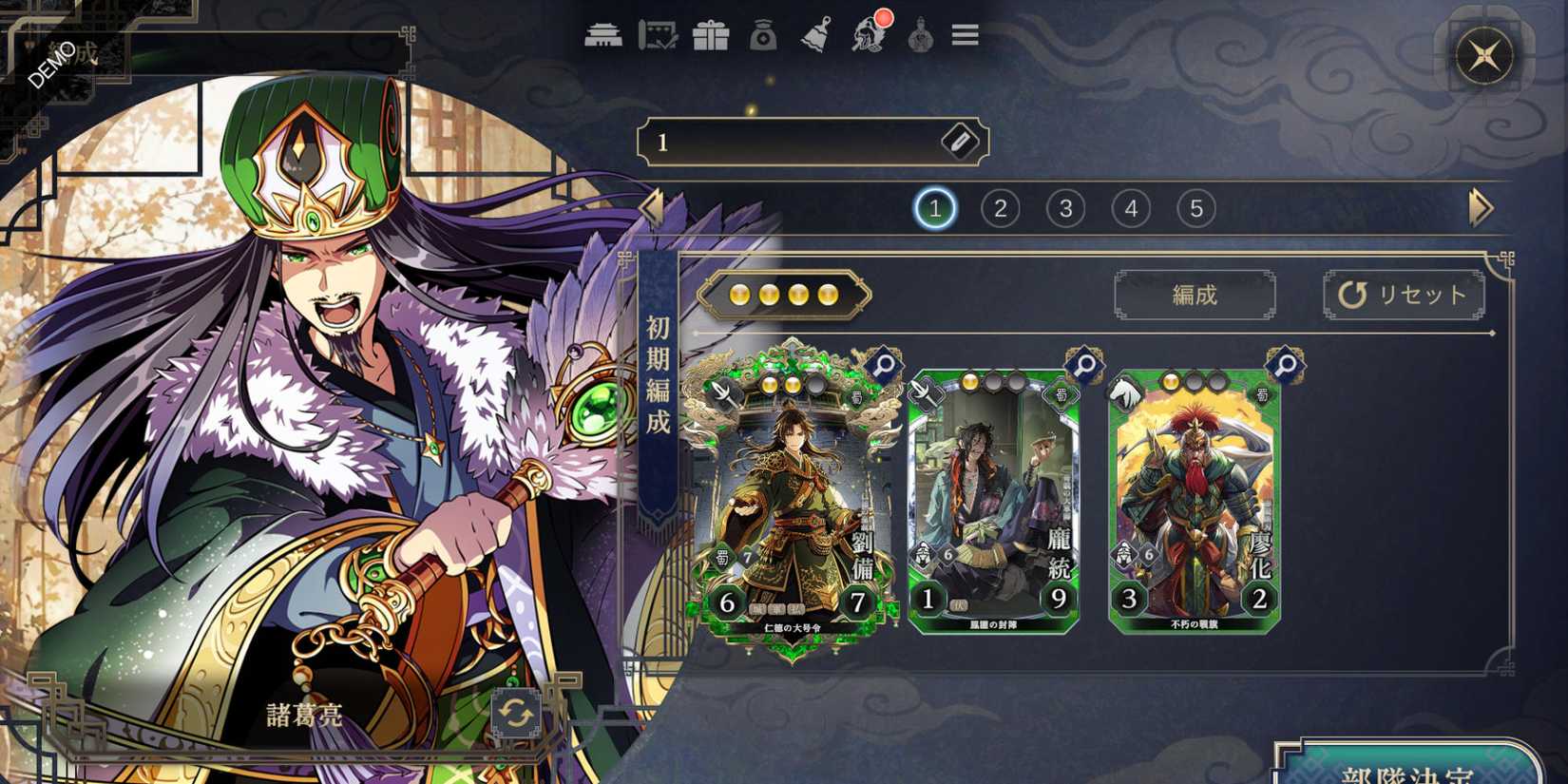
"There are many opportunities for different synergies to emerge," he said. "In fact, some decks are designed with mixed-faction play in mind from the beginning. We are preparing a variety of satisfying patterns for players to discover so that each player can gradually find their own favorite army composition and playstyle. Our goal is to create a game where different players can feel good about different strategies, rather than everyone being pushed toward the same answer."
Furthermore, Nishi-P provided tactical advice for those finding themselves in a losing position. "If you are using an early-game-focused deck and fail to gain momentum in the early rounds, it may be difficult to fully recover. In that kind of situation, recognizing that the position is very difficult is also part of competitive decision-making."
He continued, "However, there are also late-game-focused decks. With those decks, the strategy is to minimize damage in the early rounds and prepare for a stronger final phase. Sangokushi Bond is ultimately a game where players aim to damage the opponent’s castle gauge throughout the match or destroy the castle completely. Your opponent may also have weaker draws or development in the later rounds. Because of that, I believe the mindset of not giving up and continuing to look for chances until the end is one of the keys to improving your win rate."
Implications: A New Era for Strategy Games
The implications for Sangokushi Bond are significant. By taking the "hardcore" DNA of a Japanese arcade staple and transplanting it into a more accessible, roguelike-adjacent environment, Get Wrapped Up is positioning the game as a potential entry point for a new generation of strategy fans.
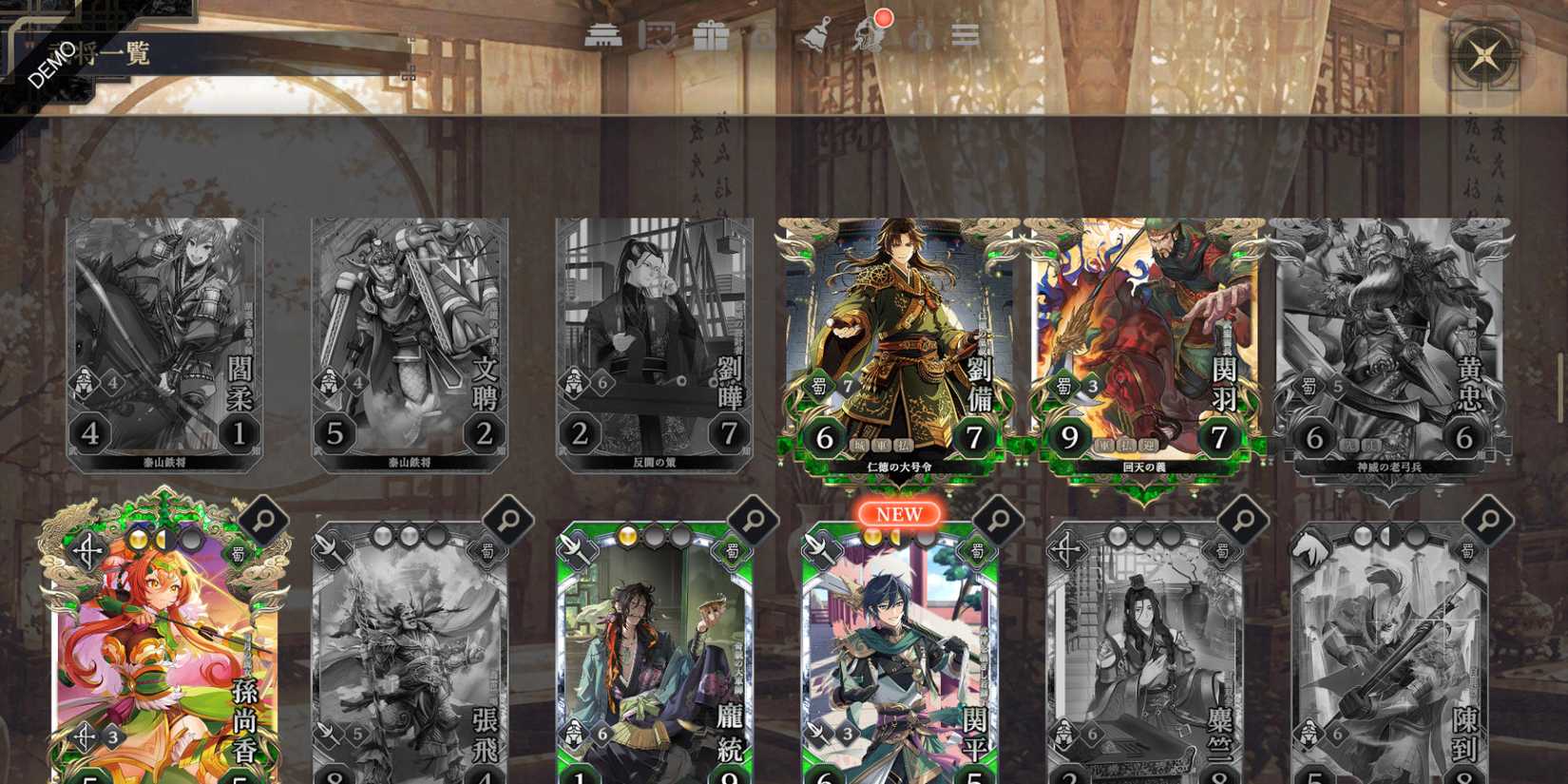
The game is not without its challenges. The UI and information transparency will need to be refined during the Early Access period to ensure that players feel empowered rather than confused. However, the core gameplay loop—the tension of the draft, the satisfaction of a well-executed synergy, and the depth of the unit interactions—is undeniably strong.
For those who enjoy tactical gameplay and the unpredictable nature of deckbuilding, Sangokushi Bond offers a compelling, if demanding, experience. As the team continues to refine the balance and improve the onboarding process, it has the potential to become a standout title in the crowded Steam strategy market.
Looking Ahead
As we look toward the July 14 launch on Steam Early Access, the anticipation is palpable. The price point of $7.99 is an aggressive and inviting entry fee for a title with this much mechanical depth.
Whether you are a veteran of the Sangokushi Taisen arcades looking for a fresh take, or a newcomer curious about the world of tactical auto-battlers, Sangokushi Bond is a project worth watching. It is a testament to the idea that even the most complex, "impenetrable" genres can be reimagined for a broader audience without sacrificing the strategic soul that made them great in the first place. With a robust library of generals to collect, complex synergies to discover, and a commitment to player-focused tutorials, Get Wrapped Up appears ready to deliver an experience that rewards patience, strategy, and the refusal to ever give up on the battlefield.