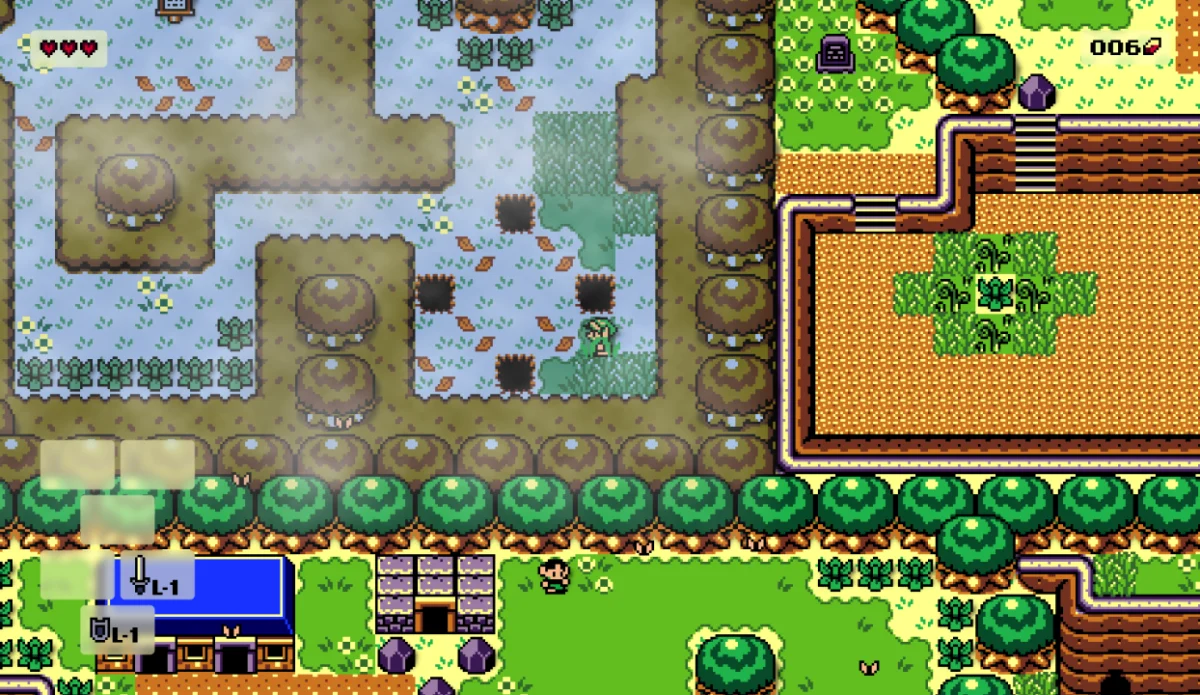
For many fans of The Legend of Zelda series, Link’s Awakening occupies a singular, surreal space. Originally released on the Game Boy in 1993 and later refined as Link’s Awakening DX for the Game Boy Color, the title was a departure from the high-fantasy stakes of Hyrule. Instead, it offered a self-contained, melancholic, and deeply charming adventure on the mysterious Koholint Island. While the 2019 Nintendo Switch remake provided a visual overhaul, many purists felt it lacked the specific "feel" of the original. Enter The Legend of Zelda: Link’s Awakening DX HD—a fan-made project that bridges the gap between classic design and modern quality-of-life expectations.
The Evolution of a Classic: A Chronological Retrospective
To understand why Link’s Awakening DX HD is such a significant achievement, one must first look at the history of the title. The original 1993 release was a technical marvel for the Game Boy, constrained by a tiny screen and limited hardware. It relied on a "grid-based" world map, where the player would move from one static screen to the next. While this was standard for the era, it necessitated frequent pauses to manage the two-slot inventory system.
In 1998, the DX version added color and a bonus dungeon, but the underlying engine remained largely identical. Fast forward to 2019, when Nintendo released a 3D-remake on the Switch. While visually distinct and mechanically smoother, the remake changed the "vibe" of the game significantly, adopting a toy-like aesthetic that didn’t resonate with every long-term fan.
Link’s Awakening DX HD is a community-driven project that attempts to maintain the original aesthetic while surgically removing the friction points that defined the 8-bit era. By modernizing the technical underpinnings of the ROM, the developers have created a version that feels like the definitive "Director’s Cut" that fans have been clamoring for for decades.
Breaking the Grid: A Seamless Koholint Island
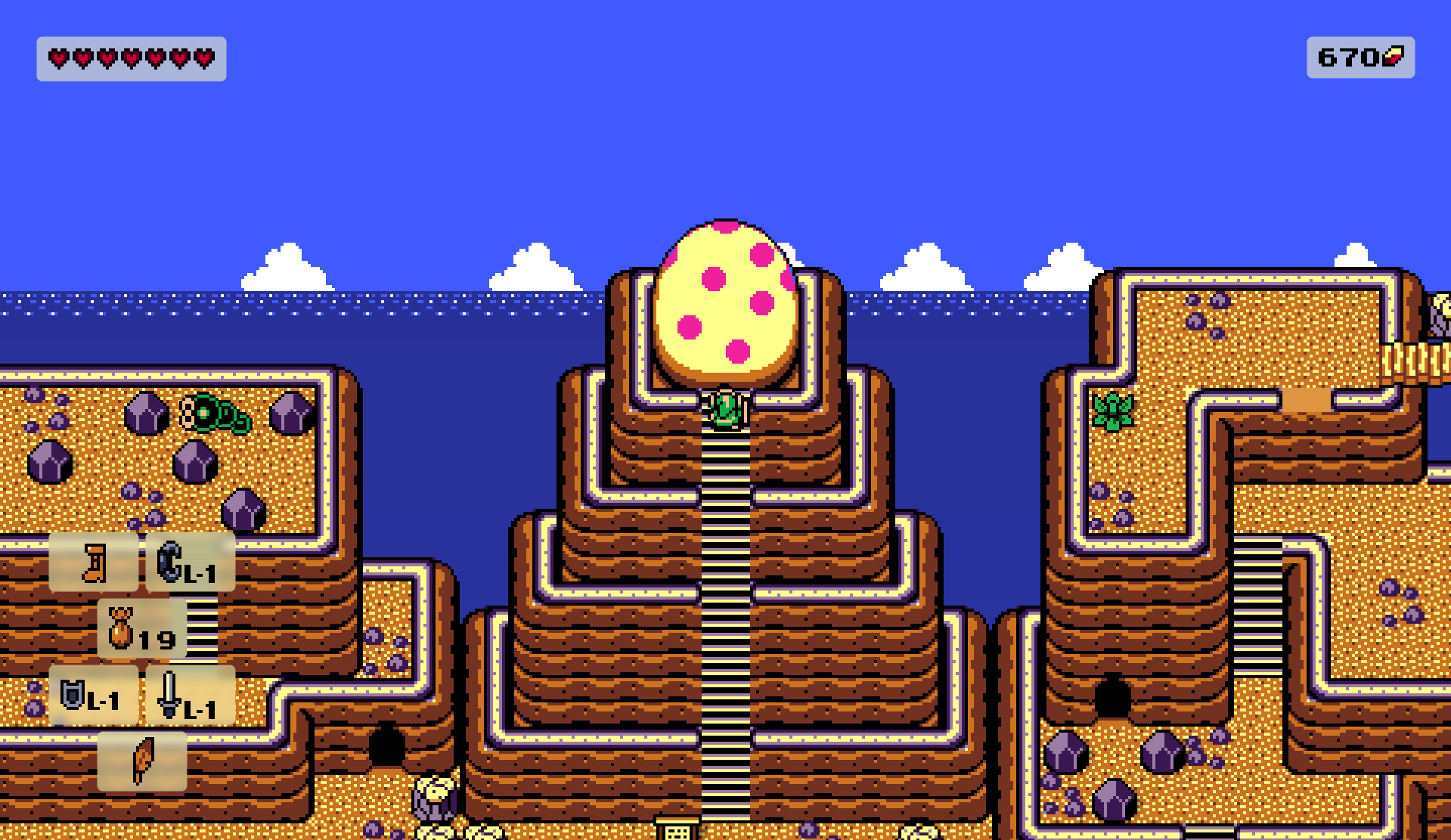
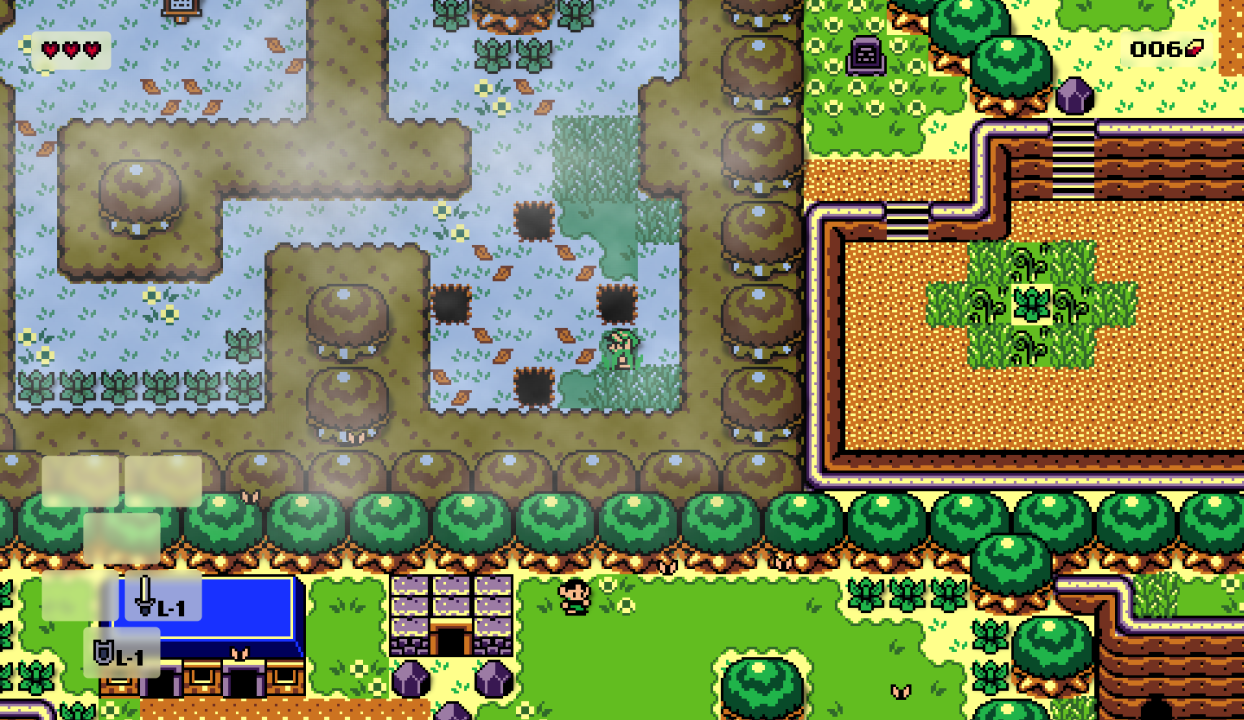
Perhaps the most jarring—and impressive—change in DX HD is the transition from a grid-based map to a fully interconnected, scrolling world. In the original hardware, the "screen-flip" transition was a necessity of memory management. By bypassing these limitations, the modders have transformed the geography of Koholint Island.
This change does more than just look good; it fundamentally alters the player’s spatial awareness. As one traverses the Mysterious Woods or the coastline, the camera now pans smoothly. This allows players to catch glimpses of distant areas, creating a sense of scale and interconnectedness that was previously hidden by hard transitions. This design choice mimics the "teasing" philosophy found in 3D Zelda titles, where players can see a destination long before they have the tools to reach it. It adds a layer of depth to exploration, making the island feel like a cohesive ecosystem rather than a collection of puzzle boxes.
Mechanical Refinements and Quality of Life
While the map overhaul provides a sense of wonder, the mechanical changes are where the game truly shines for the veteran player. The original Link’s Awakening was notorious for its restrictive inventory management. Having to pause the game to swap between the sword, shield, Pegasus Boots, and Roc’s Feather—often multiple times within a single room—was the primary source of frustration in an otherwise perfect game.
The Inventory Revolution
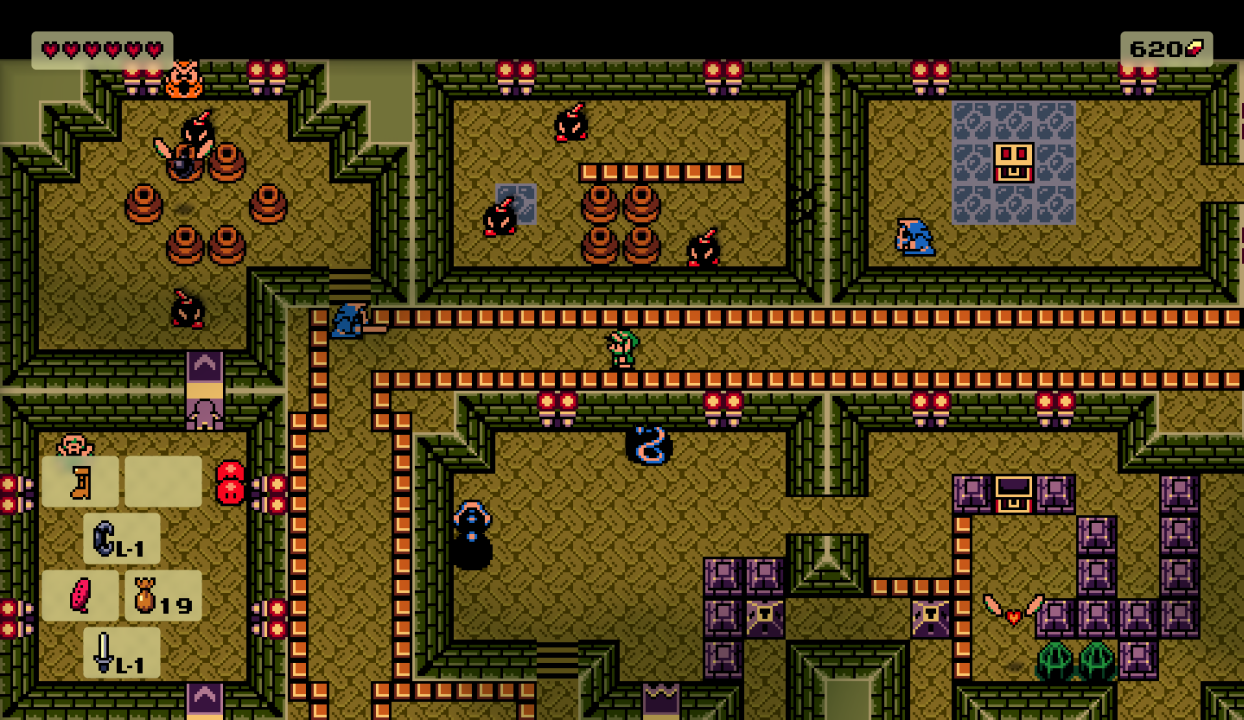
DX HD introduces a multi-slot system that feels like a revelation. By allowing players to equip up to six items simultaneously, the developers have effectively removed the need to constantly navigate the pause menu. During gameplay, having the Sword, Power Bracelet, Pegasus Boots, and Roc’s Feather active at all times removes the rhythmic stuttering of the original. This is not just a "cheat"; it is a modernization that respects the player’s time.
Combat and Pacing
Combat has also seen a subtle but vital adjustment. The sword-slash hitboxes have been widened and the reach extended. In the original, combat was often a game of precise, pixel-perfect positioning. The improved hitboxes make combat feel more fluid and less prone to "misses" that feel unfair. These changes, when combined with the faster movement through the world, significantly tighten the game’s pacing.
Granular Customization: A Tool for Every Player
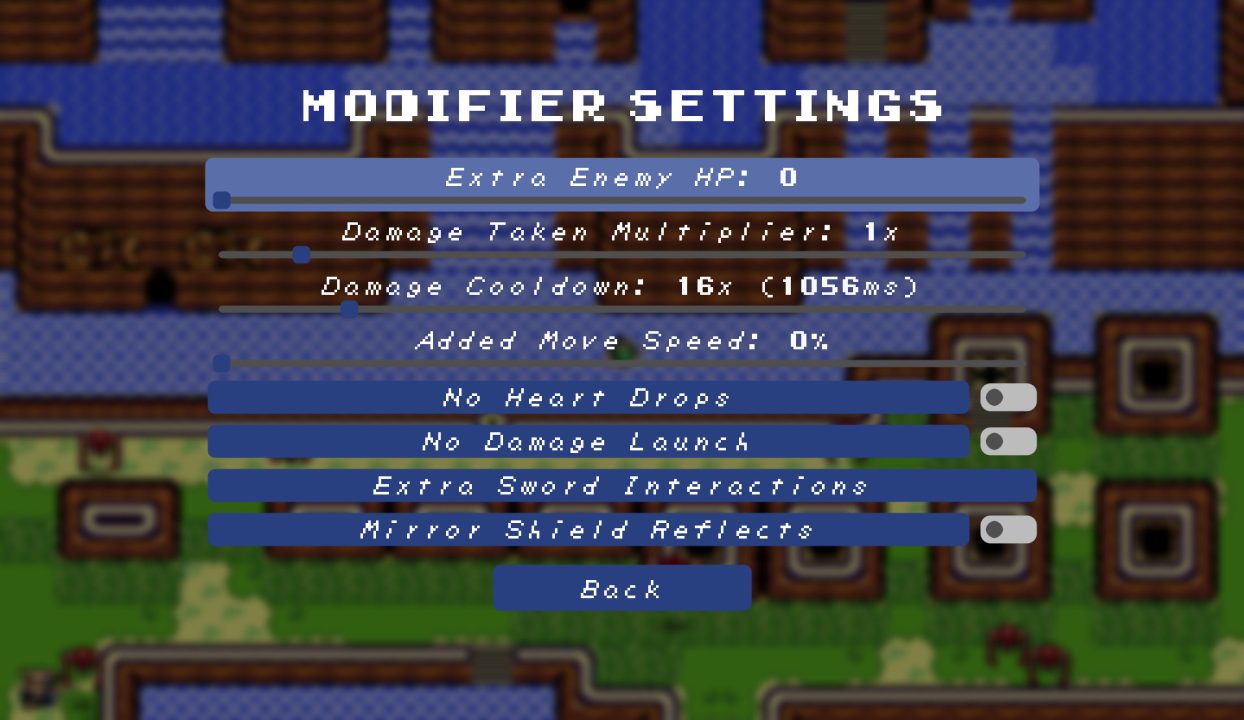
One of the most striking features of DX HD is its menu system. Unlike many fan projects that force a "one-size-fits-all" approach, this mod offers a level of granularity that rivals modern AAA PC ports.
Players can choose between "Classic" and "Modern" presets, but the rabbit hole goes much deeper. Users can toggle specific quality-of-life features, such as:
- Message Suppression: Removing redundant notifications for items like Guardian Acorns.
- Difficulty Scaling: Increasing damage taken for a more "hardcore" experience.
- Assist Mode: A suite of accessibility features similar to Celeste, allowing players to tailor the challenge level to their own comfort.
The inclusion of tooltips for every setting demonstrates a level of polish that is rarely seen in amateur development. It bridges the gap between the "purist" who wants the original 1993 experience and the "modernist" who wants a frictionless, contemporary play-through.
Atmospheric Enhancements: Lighting and Fog
Visually, DX HD remains faithful to the GBC’s iconic pixel art style, but it employs modern post-processing techniques to elevate the atmosphere. The implementation of global lighting and dynamic fog effects—particularly in the Mysterious Woods—adds a sense of depth and mystery that the original hardware simply could not render.
The lighting effects are not just for show; they change the mood of the game, making the dark, foreboding areas feel truly oppressive and the sunny beaches feel vibrant and inviting. Notably, these effects can be toggled off, ensuring that players who prefer the "raw" pixel experience are not alienated by the new visual flair.
The Audio Question
In an era where many remakes opt for sweeping, orchestral re-recordings of classic soundtracks, Link’s Awakening DX HD makes a bold choice: it keeps the original sound profile. For many, the chiptune score of the 1993 original is iconic and irreplaceable. By keeping the music identical to the original, the mod maintains the specific emotional resonance that many associate with Koholint Island.
However, this transition is not without its minor flaws. The jump between regional music tracks—where one song cuts abruptly to the next—can be jarring. The original game utilized a brief beat of silence to bridge these transitions, and its absence in the mod is a rare point of friction in an otherwise seamless experience.
Implications for the Future of Fan Projects
The Legend of Zelda: Link’s Awakening DX HD serves as a benchmark for what is possible when a community is empowered by passion and technical skill. It raises questions about how legacy titles should be preserved. While Nintendo’s own remakes often focus on complete engine overhauls, this project proves that there is immense value in "polishing" the original work rather than replacing it.
The implications for the gaming industry are clear: there is a massive, underserved market for "remastered" versions of classic games that retain their original visual identity while incorporating the quality-of-life standards that modern gamers expect. This project isn’t just a hack; it is a labor of love that highlights how the right tweaks can make a thirty-year-old game feel like it was designed for a modern audience.
Conclusion
Whether you are a veteran of the original Game Boy release looking for a fresh way to experience an old favorite, or a newcomer curious about one of the most beloved entries in The Legend of Zelda franchise, Link’s Awakening DX HD is an essential experience. It strikes a rare balance between preservation and innovation, honoring the past while making the game more accessible than ever before. While it may take a bit of effort to set up, the result is a beautifully refined journey that reminds us exactly why Koholint Island has stayed with us for over three decades.