

By: Editorial Desk
Date: May 8, 2026

The 1980s represent a unique singularity in the history of cinema. It was an era defined by voluminous hair, neon-drenched aesthetics, synthesizer-heavy scores, and, most importantly, a genre of action filmmaking that prioritized visceral impact over narrative complexity. These were the "bullet-ballet" films—movies where the plot served as little more than a flimsy clothesline upon which to hang a series of spectacular explosions, gravity-defying stunts, and iconic one-liners.

While contemporary critics often look back at these films with a mixture of irony and nostalgia, it is important to recognize that these movies took their craft very seriously. They were not aiming for the lofty heights of Oscar-winning screenplays or historical accuracy; they were striving for a pure, distilled form of entertainment. They were built on the principle that if the action is big enough, the audience doesn’t need a reason to care—they just need to watch.
The Anatomy of the 80s Action Formula
At the heart of the 1980s action phenomenon was a specific, reliable formula. Producers understood that the "hero’s journey" could be boiled down to a simple, indestructible archetype: the one-man army. Whether it was a retired Special Forces operative, a rogue cop, or a vengeful martial artist, the protagonist existed outside the bounds of conventional law and social constraints.
The narrative architecture was intentionally sparse. A kidnapping, a heist, or a vague geopolitical threat would serve as the "inciting incident." Once the hero had a target, the next 90 minutes were dedicated to the "escalation phase"—a series of increasingly elaborate set pieces that allowed the stunt departments and pyrotechnics crews to demonstrate their prowess. In this environment, dialogue was relegated to punchy, memorable quips that served to punctuate the violence rather than advance character arcs.
Chronology of Cinematic Chaos: 1984–1988
To understand the evolution of this genre, one must look at the specific run of films that defined the mid-to-late 80s. Each of these titles stripped away the unnecessary fat of traditional storytelling to focus on the skeletal remains of pure action.
The Rise of the Machine: 1984–1985
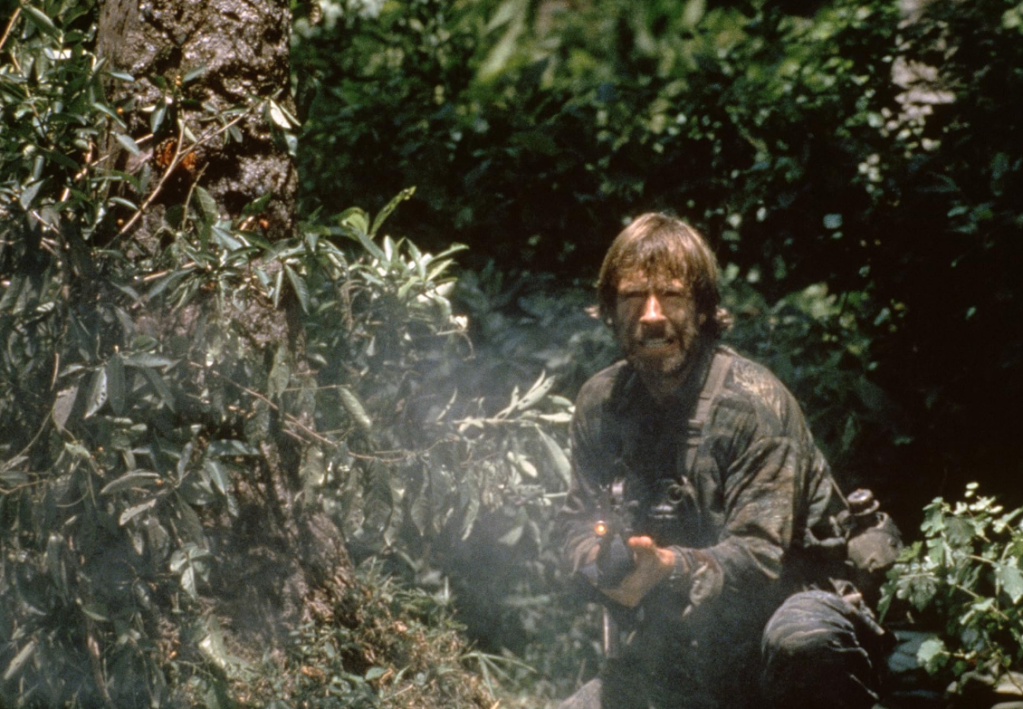
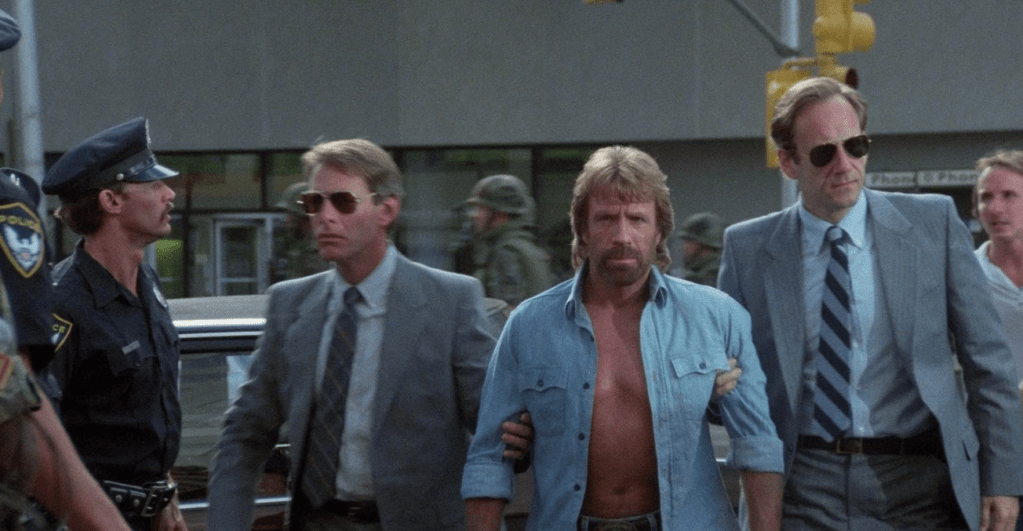
- Missing in Action (1984): Starring Chuck Norris, this film served as a foundational text for the "rescue mission" subgenre. It used a basic premise of POWs left behind in Vietnam as a launchpad for relentless, tactical firefights.
- Commando (1985): Often cited as the gold standard of "plot-less" action, Arnold Schwarzenegger’s turn as John Matrix is a masterclass in efficiency. The plot—a father saving his daughter—is resolved with enough heavy ordinance to level a small country.
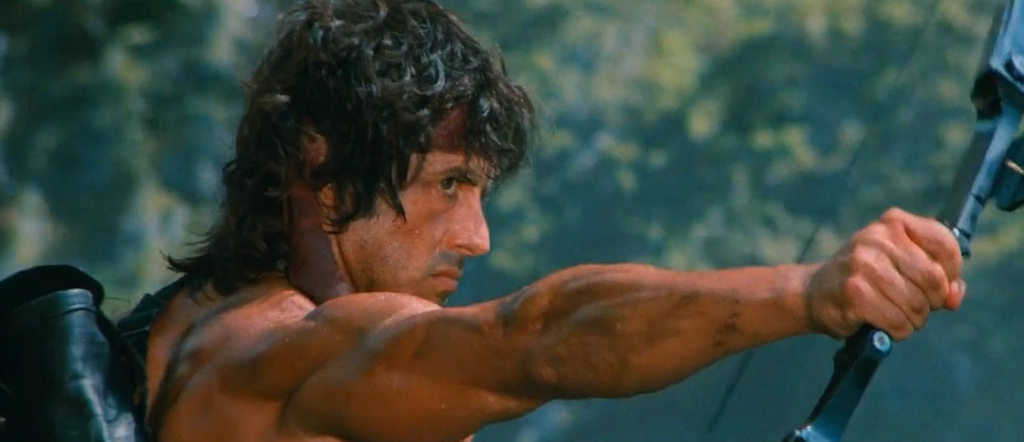
- Rambo: First Blood Part II (1985): While the original First Blood was a character study, the sequel pivoted hard into myth-making, turning the title character into an unstoppable force of nature.
- Invasion U.S.A. (1985): A bizarre, high-octane spectacle where the Soviet threat is merely a backdrop for Chuck Norris to engage in city-wide destruction.
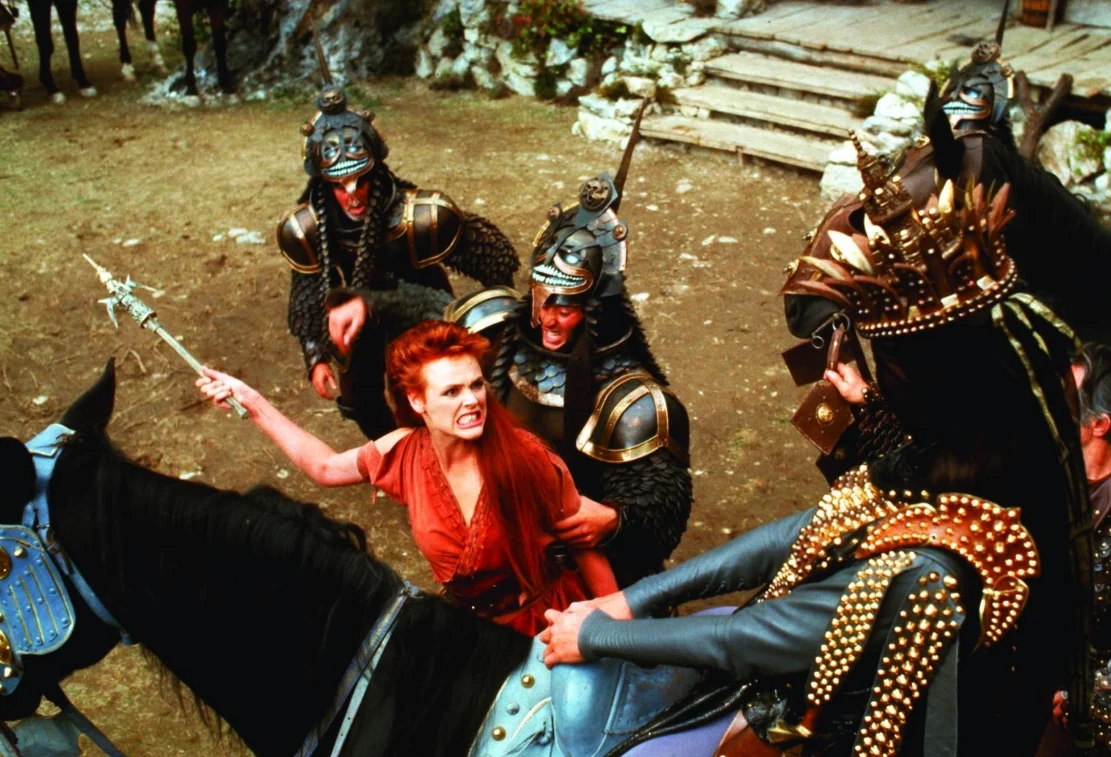
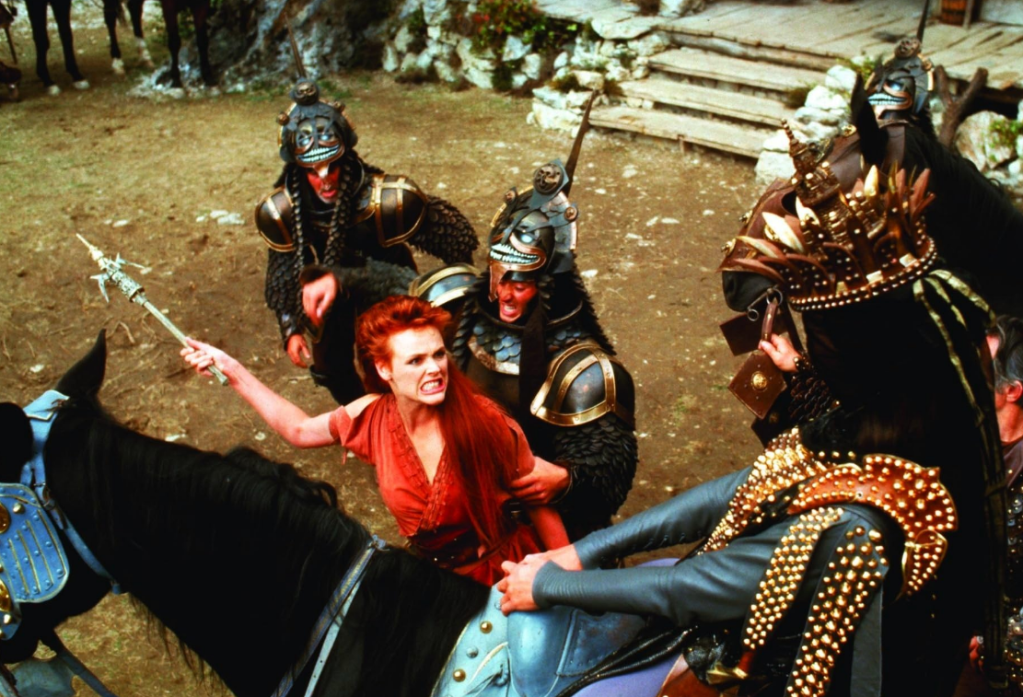
- Red Sonja (1985): This entry proved that the formula could transcend modern settings, applying the "action-first" philosophy to the fantasy genre.
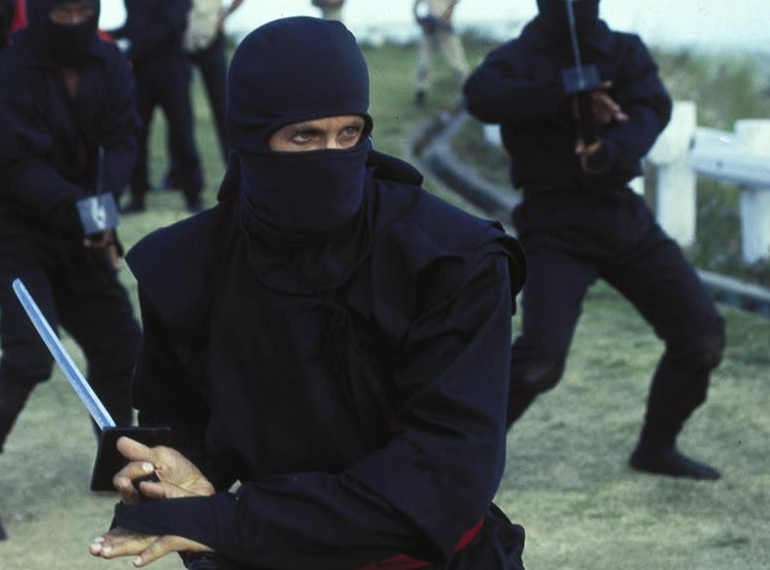
- American Ninja (1985): A marriage of martial arts and military action that favored choreography over character development.
- Gymkata (1985): Perhaps the most absurd entry, this film attempted to blend gymnastics with martial arts, creating a niche spectacle that prioritized the "how" of the fight over the "why."
- Death Wish 3 (1985): Charles Bronson’s descent into near-parody, where the streets of New York become a war zone for vigilante justice.
The Peak of Excess: 1986–1988
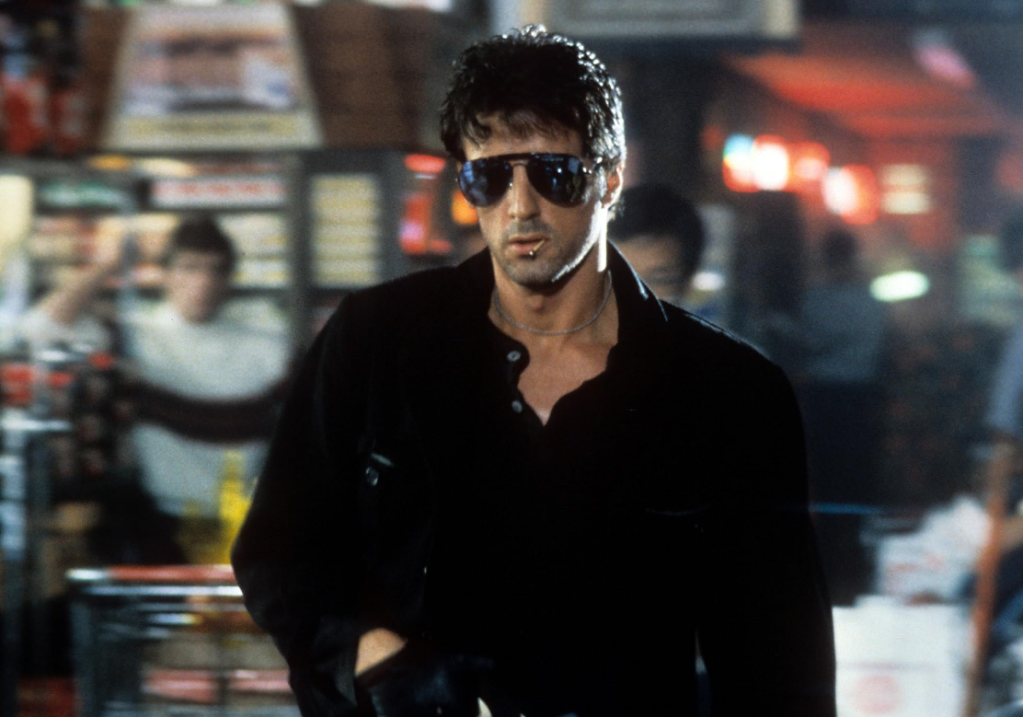
- Cobra (1986): Sylvester Stallone’s ultra-violent cop thriller focused entirely on aesthetic—dark glasses, toothpick, and a massive submachine gun. The plot is subservient to his "Marion Cobretti" persona.
- The Delta Force (1986): While inspired by actual events, the film is essentially a series of high-budget, adrenaline-fueled encounters that discard realism for the sake of pacing.
- Avenging Force (1986): A thriller that uses the "man-on-the-run" trope to string together an impressive array of chase sequences and hand-to-hand combat.
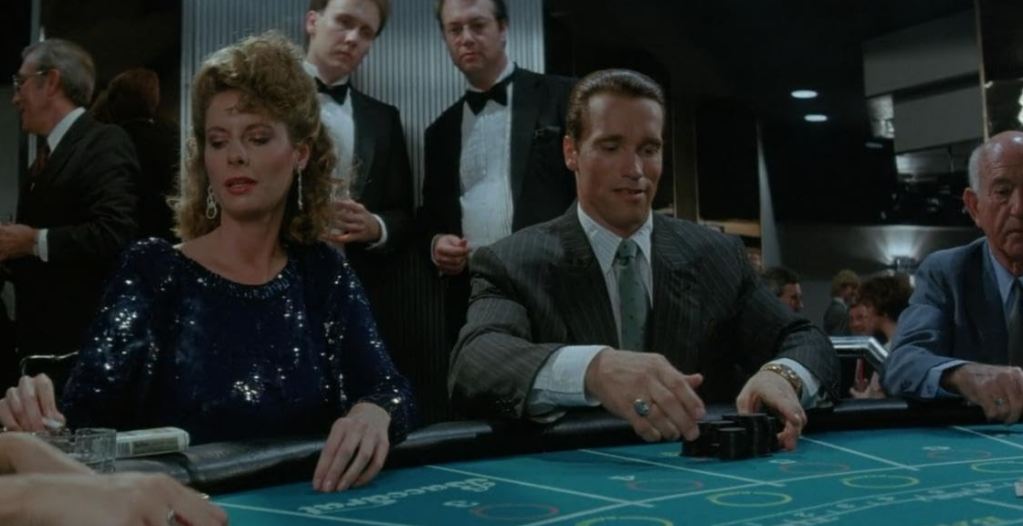
- Raw Deal (1986): A classic undercover mob infiltration story that functions as a delivery system for Schwarzenegger’s charisma and firepower.
- No Retreat, No Surrender (1986): A training-montage-heavy film that uses the ghost of Bruce Lee as a thematic hook to get the audience to the final fight.
- Hard Ticket to Hawaii (1987): A chaotic, genre-bending mess that features everything from drug runners to killer snakes, proving that in the 80s, you didn’t need a coherent script to be memorable.
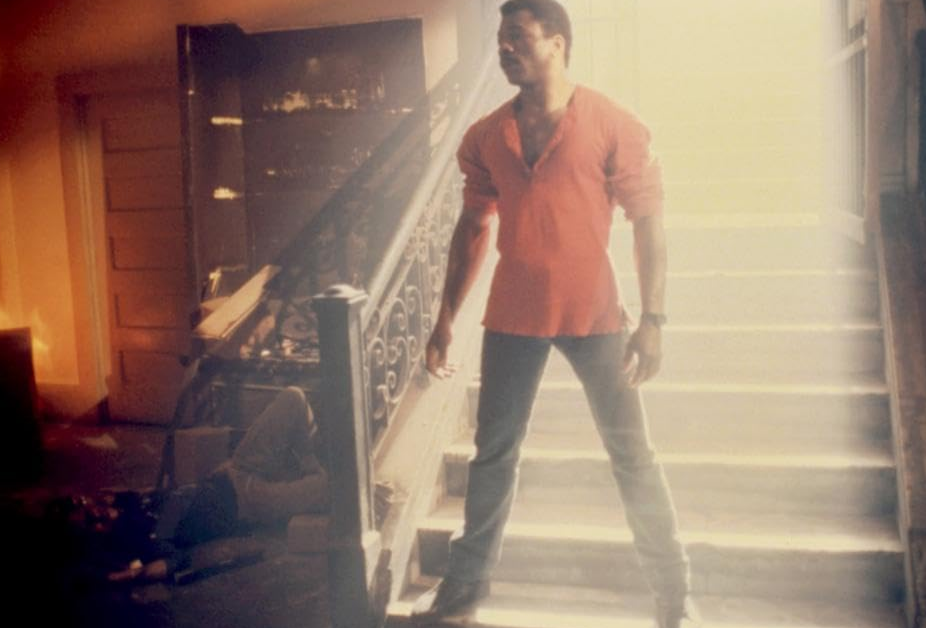
- Action Jackson (1988): A late-decade entry that leaned into the "buddy-cop" aesthetic, prioritizing explosive set pieces over the nuances of its police-procedural premise.
Supporting Data: Why It Worked
Critics often argue that these films were "mindless," but audience data and box office receipts from the era suggest otherwise. The "Action-First" model was incredibly profitable because it lowered the barrier to entry for international audiences. A complex political thriller requires subtitles and cultural context; a movie about a man with a rocket launcher rescuing his daughter is a universal language.
Furthermore, the stunt work in these films reached a level of craftsmanship that is rarely seen today in an era dominated by CGI. When an 80s movie blew up a building, they actually blew up a building. When a stuntman fell from a rooftop, they actually jumped. This commitment to practical effects gave these films a tactile quality that modern audiences are beginning to rediscover through high-definition restorations.
Official Responses and Industry Legacy
In the years following the peak of the genre, industry executives were often dismissive of these films. During the late 80s, studio heads characterized these projects as "B-grade fillers." However, as the industry shifted toward high-concept, franchise-heavy blockbusters, these "plot-less" action movies were re-evaluated as the spiritual ancestors of the modern superhero movie.
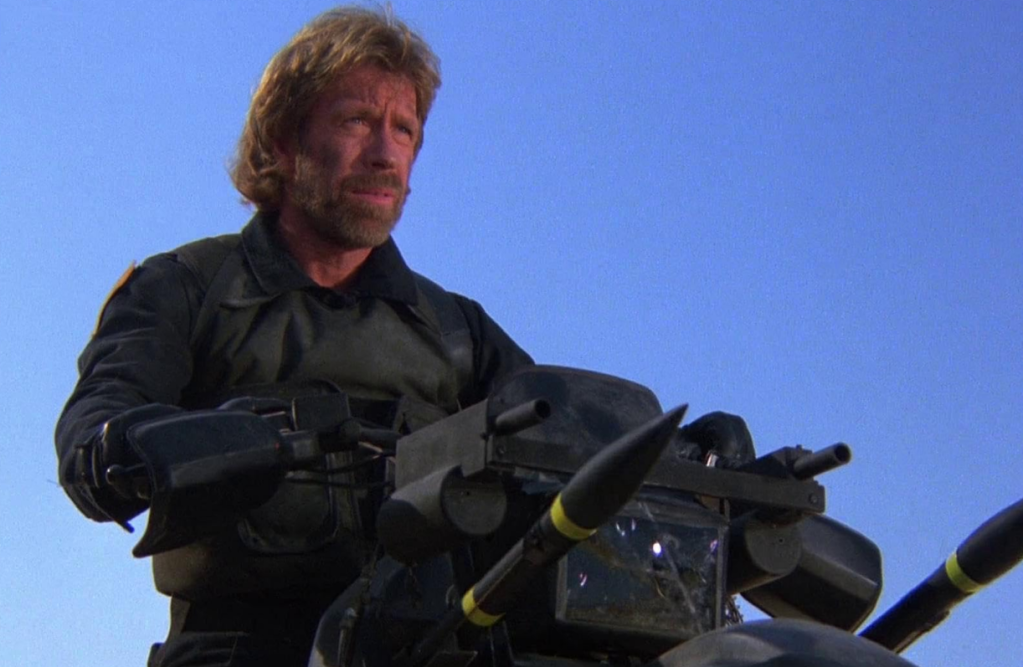
"The 80s action movie didn’t try to be something it wasn’t," says film historian Julian Vane. "They were honest about their intentions. They provided a spectacle, and they did it with a level of intensity that modern films—which are often bogged down by heavy exposition and ‘cinematic universe’ setup—struggle to replicate."

Implications for Modern Cinema
The legacy of these films is currently visible in the "neo-action" renaissance. Movies like John Wick, Extraction, and Nobody owe a direct debt to the 1985–1988 era. These modern films have rediscovered the "minimalist plot" philosophy, realizing that an audience is often more engaged by a well-choreographed fight scene than a convoluted political subplot.
The 80s action movie was not a mistake; it was a distillation. By removing the narrative distractions, these filmmakers created a pure cinematic experience. They proved that while a plot can provide structure, it is the visceral, heart-pounding energy of the action itself that leaves an indelible mark on the cultural consciousness.
As we look back, we shouldn’t just laugh at the hair or the over-the-top acting. We should appreciate the craftsmanship of a genre that understood one fundamental truth: sometimes, the most effective story is the one that gets out of the way of the explosion.











No comments yet. Be the first to join the conversation!