The concept of the "dual-purpose" laptop—a machine equally adept at handling grueling creative rendering tasks and high-octane gaming—has firmly cemented itself in the professional zeitgeist. In 2026, the market is flooded with sleek, AI-optimized ultrabooks, yet the MSI Crosshair 16 HX arrives as a nostalgic, unapologetic bruiser. It is a machine that prioritizes raw, traditional silicon over the thin-and-light aesthetic currently dominating the industry. However, in an era of rapid technological turnover, its reliance on older internal hardware raises difficult questions about its long-term value.
Main Facts: The Hardware Paradox
The MSI Crosshair 16 HX is, by all traditional metrics, a highly capable piece of hardware. At its heart lies the Intel Core i7-14650HX, a processor that debuted in the first quarter of 2024. While it remains a formidable chip—boasting 16 cores (eight performance, eight efficiency) and clock speeds reaching 5.2GHz—it sits in a strange position as we enter the latter half of 2026. With the third generation of the Intel Core Ultra series now setting the standard for efficiency and AI-integrated performance, the 14th-gen architecture in the Crosshair feels like a relic of a previous era.
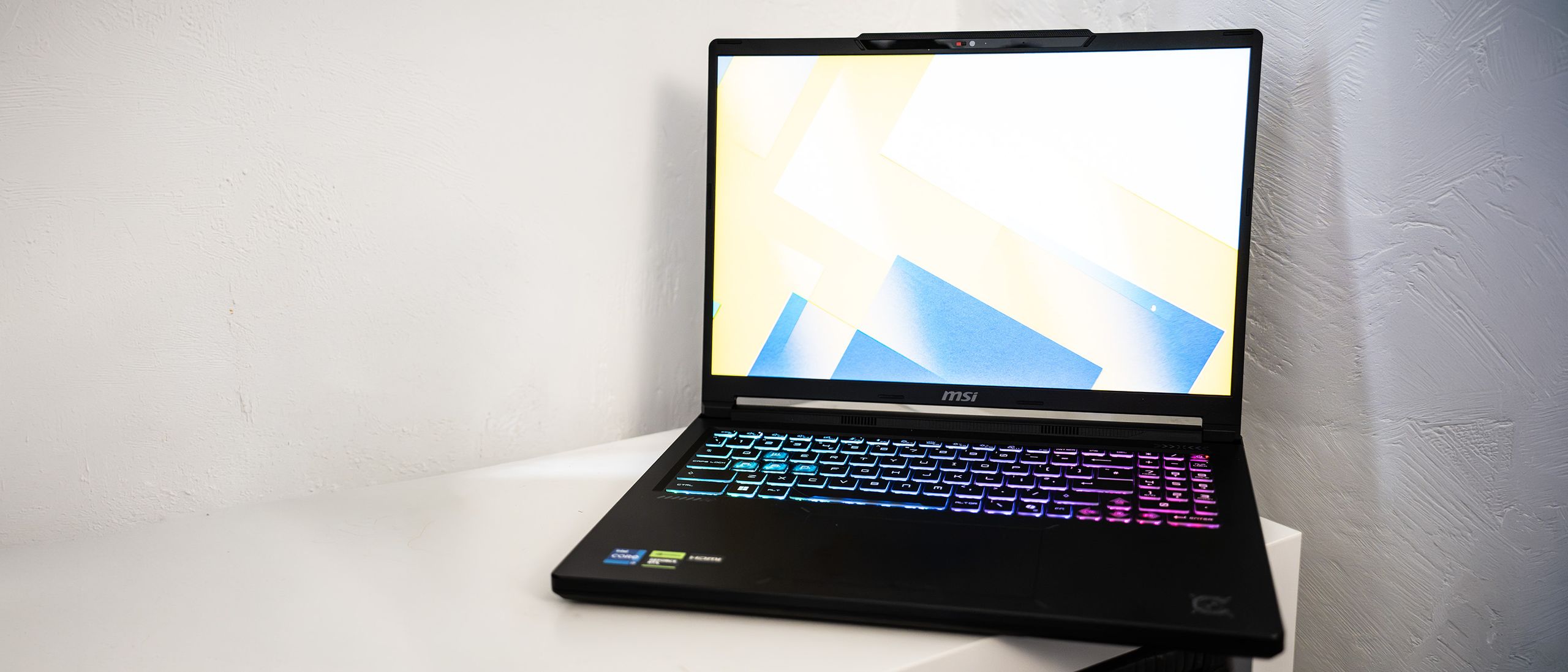
This processor is paired with an Nvidia GeForce RTX 5070, a mid-range powerhouse that effectively handles 3D modeling and high-fidelity gaming. Yet, the system is hampered by a rather conservative 16GB of RAM. In a professional creative environment, where multitasking across Adobe Creative Cloud apps or managing complex 3D scenes is the norm, 16GB is increasingly viewed as the "minimum" rather than the "ideal."
A Chronology of the 2026 Laptop Landscape
To understand why the Crosshair 16 HX feels like an outlier, one must look at the trajectory of mobile computing over the past 24 months.
- Early 2024: The launch of the 14th-gen Intel HX series solidified the "desktop-replacement" laptop as the gold standard for power users.
- Late 2024–Early 2025: The shift toward NPU-heavy (Neural Processing Unit) architectures began. Apple’s M-series advancements and the rise of Intel’s Core Ultra series moved the industry toward battery efficiency and localized AI acceleration.
- Mid-2026: We now inhabit a space where consumers expect seamless integration of AI-assisted workflows and superior battery longevity. By arriving in the market with 2024-era architecture, the Crosshair 16 HX is fighting a battle against the calendar, attempting to justify its premium price tag against machines that are theoretically more future-proof.
Supporting Data: Testing the Limits
Our testing process, conducted over several weeks, utilized a rigorous suite of industry-standard benchmarks, including Geekbench 6, Cinebench, and PugetBench for Creators.
CPU and Multi-Core Performance
The Core i7-14650HX is undoubtedly powerful, but it highlights the efficiency gap between generations. In Geekbench 6, the Crosshair 16 HX scored 11,580 in multi-core tests. While respectable, this pales in comparison to the 17,883 scored by laptops utilizing the newer Core Ultra 9 275HX. While both processors offer 24 threads, the architectural improvements in the newer chip allow it to manage thermals and power draw with significantly higher efficiency.
GPU and Creative Workflows
Where the Crosshair 16 HX shines is in its graphics performance. The RTX 5070 acts as a workhorse. In our gaming tests, it managed to sustain over 30fps in Cyberpunk 2077 with ray-tracing enabled at ultra settings. For creatives, the GPU provides a substantial lift in rendering tasks. In Topaz Video AI, the system outperformed lighter, more modern machines like the Acer Nitro V 14, largely because the dedicated VRAM of the 5070 provides a buffer that integrated-heavy systems cannot replicate.
Display and Ergonomics
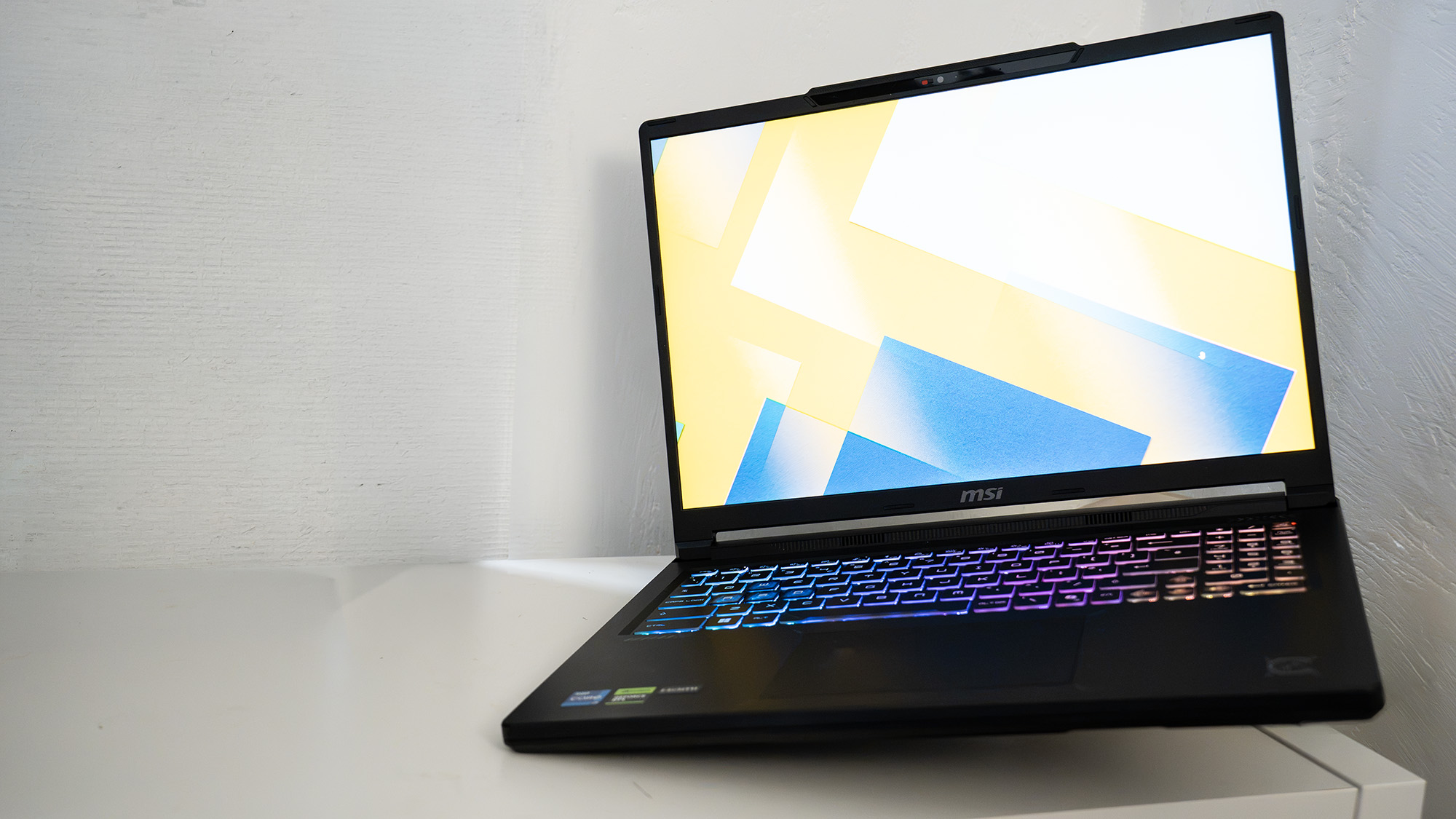
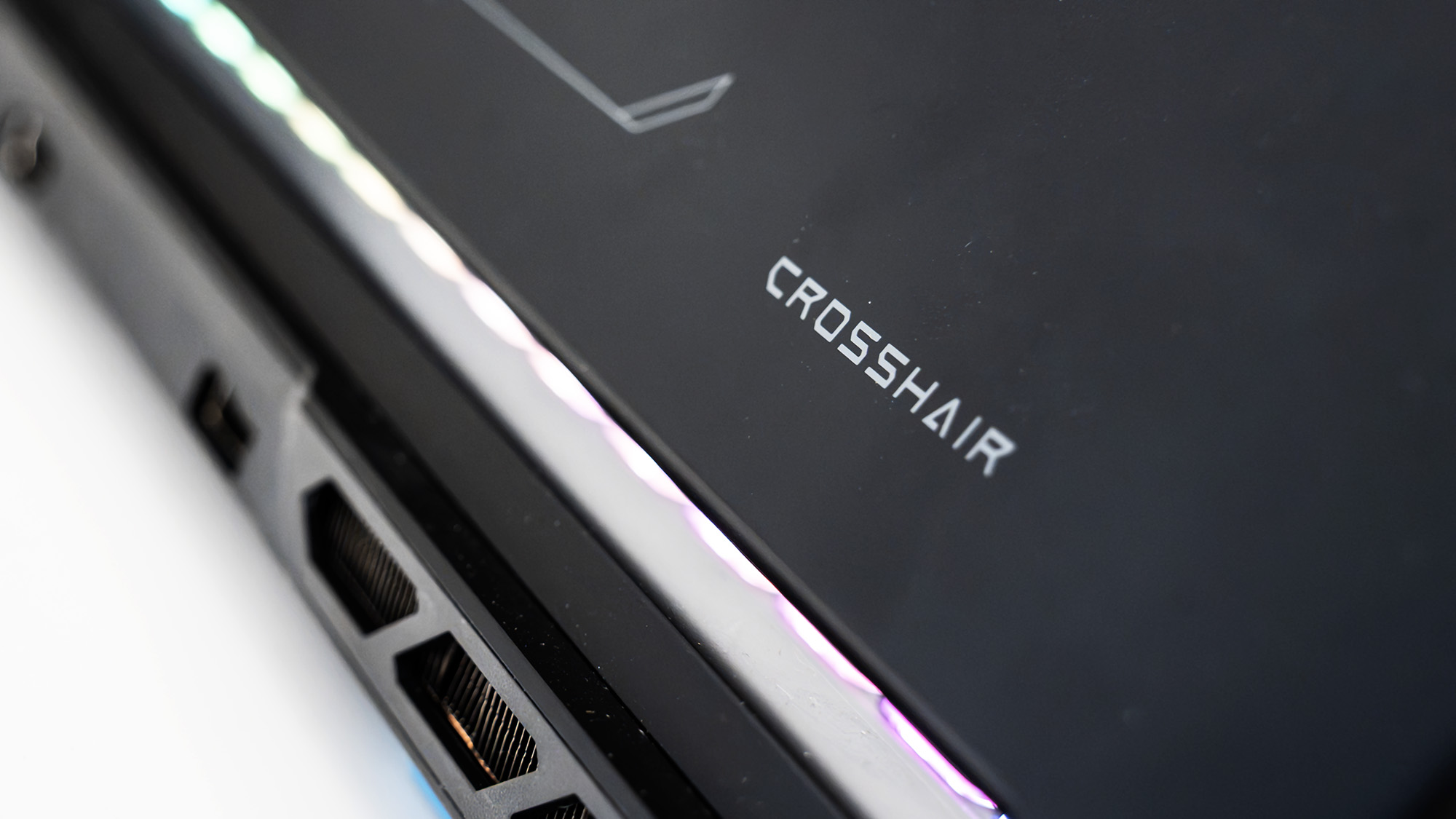
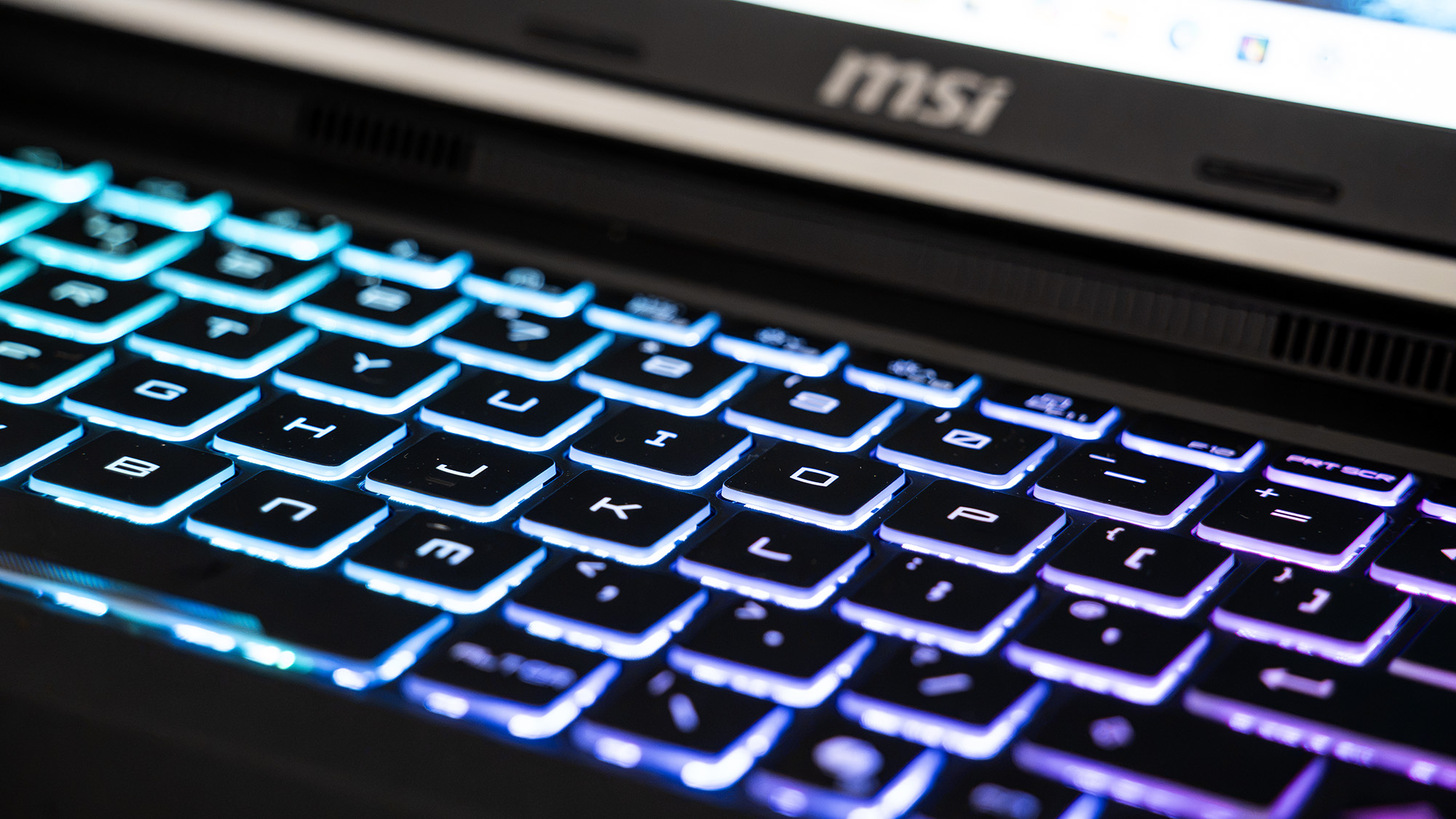
The 16-inch IPS display is arguably the machine’s best feature. Covering 99% of the DCI-P3 color gamut and hitting a peak brightness of 475 nits, it provides the color accuracy required for professional design and photo editing. However, the decision to use an IPS panel instead of OLED results in a thicker lid and slightly more weight. The aesthetic is pure "gamer"—complete with dragon motifs and a customizable rainbow keyboard—which may alienate minimalist professionals who prefer the clean lines of a MacBook Pro or a Dell XPS.
Official Responses and Market Positioning
MSI has positioned the Crosshair 16 HX as a value-oriented gaming machine that can cross over into creative professional work. The company argues that the proven reliability of the 14th-gen Intel platform, combined with the proven raw power of the RTX 5070, offers a "known quantity" for users who do not wish to be early adopters of the newest, most expensive chipsets.
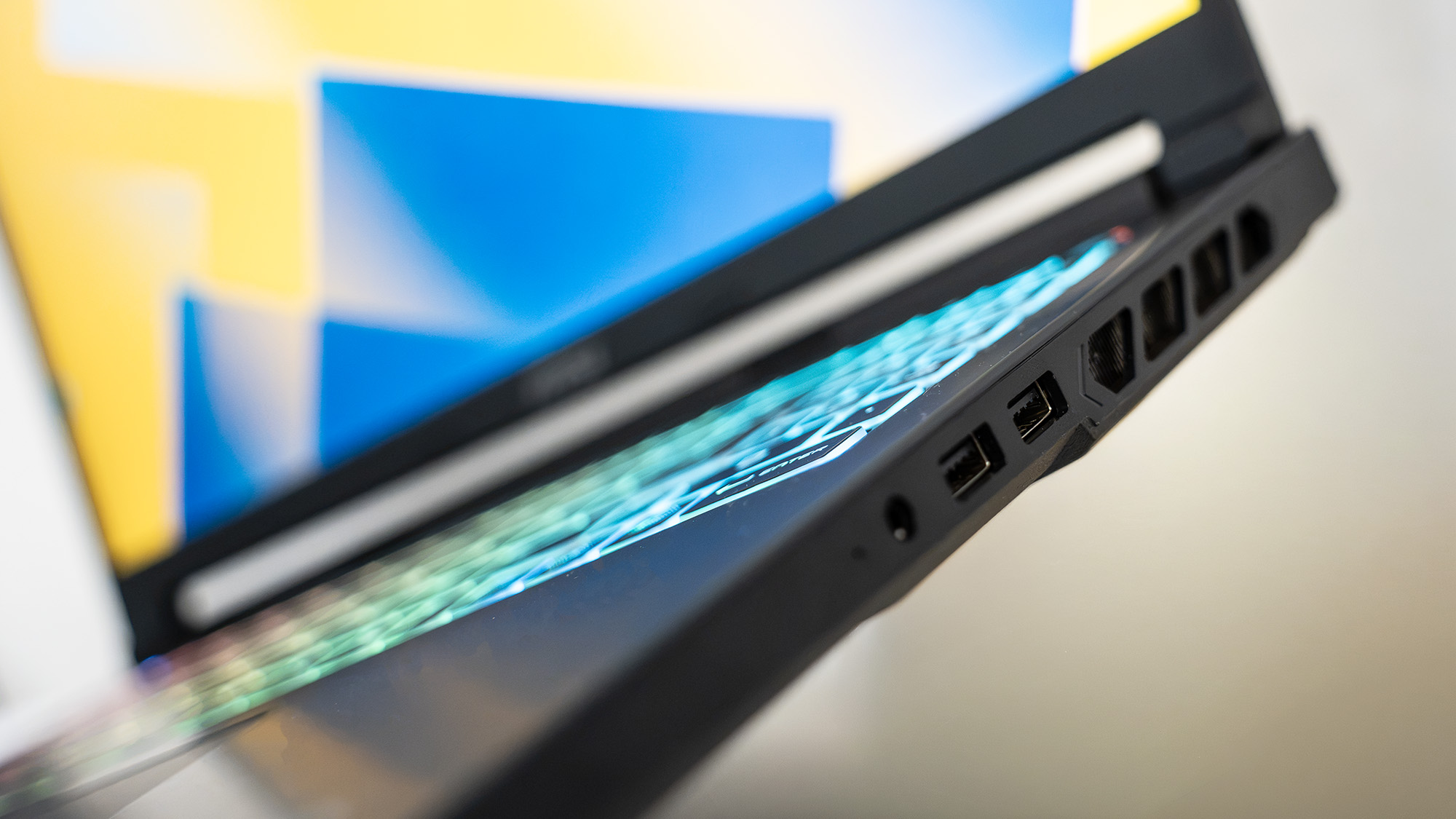
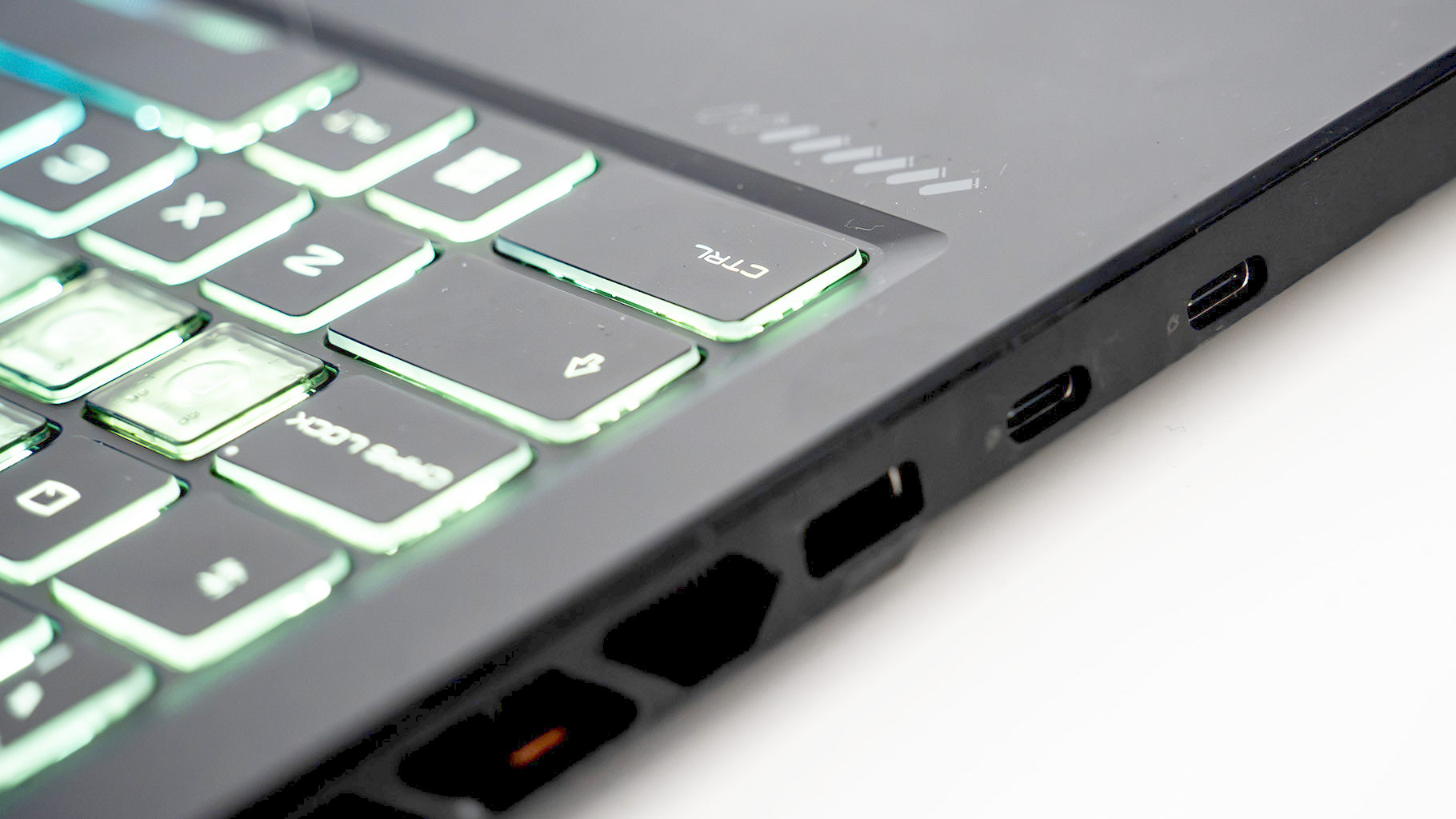
However, the retail price—sitting at approximately £2,099 ($1,449 for specific configurations)—places it in direct competition with more refined, modern hardware. MSI’s strategy seems to rely on the brand loyalty of gamers who want to "work hard and play hard," yet the absence of modern connectivity standards like USB4 is a notable oversight that makes the price tag harder to justify.
Implications: Who Should Buy This?
The implications of the Crosshair 16 HX are clear: it is a specialist tool for a specific type of user. If you are a student or a freelance creative whose primary workflow involves heavy 3D rendering or gaming, and you have access to a power outlet 90% of the time, this laptop provides the raw grunt you need.
However, the poor battery life—clocking in at just 2 hours and 25 minutes during light use—severely limits its utility as a portable workstation. If your professional life involves meetings, travel, or working from cafes, the Crosshair 16 HX will quickly become a source of frustration.
The Verdict
The MSI Crosshair 16 HX is a machine caught between two worlds. It offers the high-performance cooling and raw horsepower of a dedicated gaming rig, but it does so while ignoring the industry’s pivot toward efficiency and modern connectivity.
Strengths:

- Vibrant, Color-Accurate Display: A standout for designers.
- Thermal Management: The cooling system, while loud, is highly effective at preventing throttling during long render sessions.
- Graphics Muscle: The RTX 5070 remains a fantastic performer for AI upscaling and rendering.
Weaknesses:
- Dated Architecture: The reliance on a 2024 CPU in 2026 hurts both performance and efficiency.
- Limited Battery Life: Under 3 hours of operation is insufficient for modern mobile computing.
- Value Proposition: With 16GB of RAM and no USB4, it struggles to compete with newer, more streamlined alternatives at the same price point.
Final Thoughts
In the current landscape, the MSI Crosshair 16 HX serves as a reminder that "more power" does not always equate to "a better experience." While it excels at its core duty of brute-force computation, it fails to account for the modern professional’s need for connectivity, efficiency, and longevity. If you find one at a significant discount, it could serve as a capable home-based creative studio. But at its current RRP, there are simply better, more forward-thinking options available for the discerning creative professional.